Introduction
Sustainability in Vape Fashion: 2025 Trends and Beyond explores how environmental awareness is influencing vape-inspired accessories, streetwear, and modern lifestyle design. Fashion consumers increasingly value products that combine personal expression with responsible production. As a result, designers are exploring recycled materials, durable accessories, minimalist aesthetics, and more transparent manufacturing practices.
Vape culture has also influenced contemporary streetwear and accessory design. However, this connection raises important questions about material waste, disposable products, and environmental responsibility. The future of this trend depends on how brands balance visual appeal with practical sustainability.
In 2025, sustainability became an important consideration across the wider fashion industry. Readers interested in these developments can explore sustainable fashion trends in 2025 to understand the broader changes influencing responsible design. These ideas also provide useful context for examining vape-inspired fashion and its potential environmental impact.
Understanding Sustainability in Vape Fashion
Sustainability in vape fashion refers to the environmental considerations surrounding clothing, accessories, and visual styles associated with vape culture. It includes material selection, product durability, packaging, manufacturing, and responsible disposal.
Rather than treating sustainability as a marketing slogan, brands need to examine the entire product lifecycle. A stylish accessory may look environmentally friendly, but its actual impact depends on how it is produced and eventually discarded.
The Connection Between Streetwear and Vape Culture
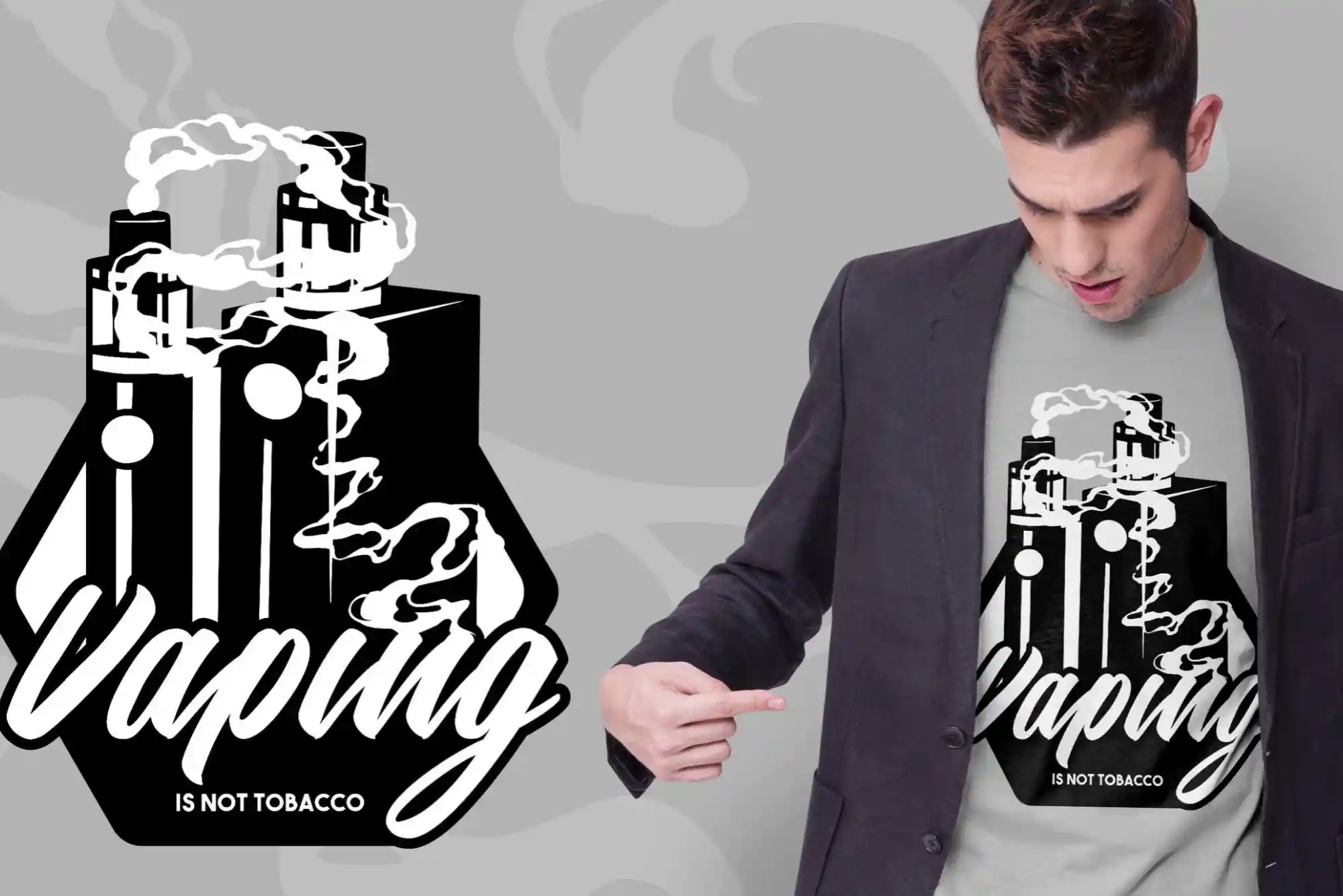
Streetwear frequently reflects music, technology, urban communities, and emerging lifestyle trends. Vape-inspired aesthetics sometimes appear through futuristic graphics, metallic finishes, minimalist designs, and technology-themed accessories.

These visual elements can influence fashion without requiring consumers to purchase or use vaping products. For example, designers can create technology-inspired clothing using recycled textiles and durable materials.
This distinction matters because fashion inspiration does not automatically make vaping environmentally responsible. The focus should remain on design creativity, material choices, and reduced waste.
Why Sustainability Matters in 2025
Fashion production consumes resources and generates waste throughout manufacturing, transportation, and disposal. Electronic products introduce additional concerns because batteries, plastics, and circuit boards require specialized handling.
Consequently, sustainable vape fashion must consider both traditional fashion waste and the environmental challenges associated with electronic devices. Responsible design begins with understanding these differences.
Key Sustainability Trends Shaping Vape Fashion
Recycled and Lower-Impact Materials
One promising direction involves using recycled fabrics, responsibly sourced materials, and production methods that reduce unnecessary resource consumption. Recycled polyester, reclaimed textiles, and certain recycled metals can support more resource-conscious accessory design.
For instance, a streetwear label might produce a limited collection of technology-inspired bags using reclaimed fabric. Another brand could incorporate recycled metal details into accessories designed for long-term use.
However, recycled materials are not automatically sustainable in every situation. Their environmental benefits depend on processing requirements, product quality, transportation, and the availability of appropriate recycling systems.
Durable Accessories and Timeless Design
Durability is another important consideration. Accessories designed to withstand regular use can reduce the need for frequent replacements.
Minimalist cases, sturdy bags, and versatile clothing can complement technology-inspired fashion without depending on disposable products. Neutral colors and timeless shapes may also remain fashionable longer than short-lived trend pieces.
For consumers, buying fewer but better-made accessories can be more practical than repeatedly purchasing inexpensive items. For brands, durability can strengthen customer trust and reduce unnecessary material consumption.
Minimalist Packaging
Packaging is often overlooked when discussing sustainable fashion. Nevertheless, excessive plastic, unnecessary inserts, and oversized boxes contribute to avoidable waste.
Brands can reconsider packaging by using appropriately sized boxes, recycled paper, and materials accepted by local recycling systems. Clear disposal instructions can also help consumers manage packaging responsibly.
These changes should be supported by evidence rather than vague environmental claims. A package described as recyclable, for example, may not be accepted by every local recycling facility.
The Role of Responsible Manufacturing
Sustainability extends beyond the materials used in a finished product. Manufacturing processes, worker conditions, transportation, and supplier transparency also matter.
Transparent Supply Chains
Consumers increasingly want reliable information about where products originate and how they are made. Brands can respond by publishing material information, explaining manufacturing practices, and providing credible evidence for environmental claims.
Transparency is especially important when companies describe products as eco-friendly, green, or sustainable. These terms should reflect measurable practices rather than attractive advertising language.
Reducing Production Waste
Smaller production runs and improved inventory planning can help brands avoid producing more products than customers need. Digital design tools may also reduce physical sampling during product development.
Furthermore, companies can examine leftover fabric, packaging offcuts, and damaged inventory. Reusing suitable materials or improving production efficiency may prevent some waste before it reaches disposal facilities.
Nevertheless, these measures require careful planning. Producing limited quantities is not automatically better if it increases transportation impacts or creates excessive packaging.
Electronic Waste and Vape-Related Accessories
Electronic waste is one of the most significant environmental issues associated with vaping products. Unlike ordinary clothing, electronic devices may contain batteries, electronic components, and materials that require specialized collection.
Why Disposable Products Create Challenges
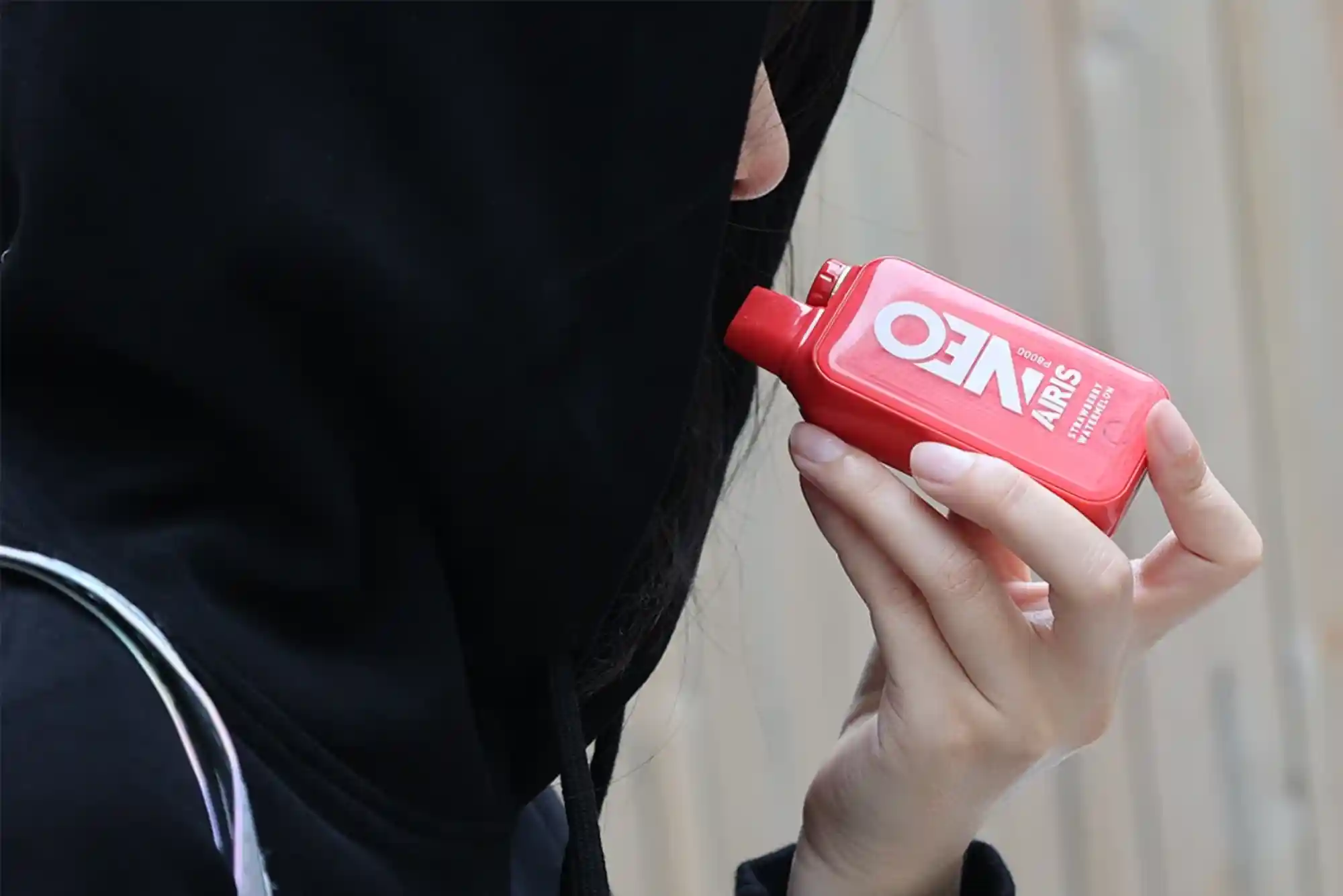
Disposable vaping devices combine several materials in a single product. Their compact construction can make separation and recovery difficult.
When discarded improperly, these devices can contribute to plastic waste and introduce battery-related risks. Batteries should never be placed in ordinary household recycling unless local guidance specifically permits it.
Fashion brands should therefore avoid presenting disposable vaping products as sustainable accessories. A visually attractive design cannot eliminate the environmental consequences of manufacturing and disposal.
Responsible Recycling and Disposal
Consumers should follow local regulations for disposing of electronic devices and batteries. Appropriate collection points may be available through municipal waste services, electronics retailers, or authorized recycling programs.
Reusable fashion accessories should also be evaluated carefully. A durable case or bag can have a longer useful life, but it does not make the electronic device stored inside environmentally harmless.
The most responsible approach separates fashion design from unnecessary electronic consumption. It prioritizes useful products, extended lifespans, and proper waste management.
How Consumers Can Support Sustainable Vape Fashion
Consumers influence fashion trends through their purchasing decisions. Choosing durable accessories, checking material claims, and avoiding unnecessary purchases can encourage more responsible production.
Choose Quality Over Constant Replacement
Before buying an accessory, consider its construction, repairability, and expected lifespan. Products that serve several purposes may offer better long-term value than items designed for a single short-lived trend.
Secondhand shopping can also extend the life of existing clothing and accessories. However, consumers should inspect products for damage and avoid items containing unsafe or improperly discarded electronic components.
Question Environmental Claims
Marketing language can make sustainability difficult to evaluate. Terms such as natural, green, and eco-conscious do not necessarily prove that a product has a lower environmental impact.
Look for specific information about recycled content, manufacturing practices, durability, and disposal options. Independent certifications may provide additional evidence when relevant and applicable.
Consumers should also remember that the most sustainable purchase may be the one they do not need to make.
What Lies Beyond 2025?
Sustainability in Vape Fashion: 2025 Trends and Beyond remains relevant as fashion brands continue exploring the relationship between technology, personal identity, and environmental responsibility.
Future developments may include more repairable accessories, improved material traceability, reusable packaging systems, and better collection programs for electronic waste. Digital product information could also help consumers understand material origins and disposal requirements.
Circular Fashion and Product Longevity
Circular fashion aims to keep products and materials in use for longer. Repair, resale, reuse, and recycling can all contribute to this approach when implemented effectively.
Vape-inspired fashion brands could apply circular principles to clothing and non-electronic accessories. For example, repair services and take-back programs might extend product life or recover useful materials.
However, circularity requires practical infrastructure. Products must be designed for repair or disassembly, and recovered materials need suitable reuse or recycling pathways.
Innovation Without Greenwashing
Future innovation should prioritize measurable environmental improvements rather than simply adopting fashionable sustainability language. Brands need to explain what has changed, provide supporting evidence, and acknowledge remaining limitations.
This approach helps distinguish meaningful progress from superficial marketing. It also allows consumers to compare products using clearer information.
The future of vape-inspired fashion accessories in 2026 reflects a growing interest in sleek designs, bold colors, and modern streetwear aesthetics. From minimalist carrying cases to stylish wearable accessories, designers are exploring creative ways to blend technology with personal style, while emphasizing functionality, originality, and responsible design.
Frequently Asked Questions
What Is Sustainable Vape Fashion?
Sustainable vape fashion describes vape-inspired clothing and accessories designed with environmental considerations in mind. It may involve recycled materials, durable construction, reduced packaging, and responsible manufacturing. It does not mean that vaping itself is environmentally sustainable.
How Can Vape-Inspired Accessories Be More Eco-Friendly?
Brands can prioritize durable materials, repairable designs, recycled components where appropriate, and minimal packaging. They should also provide accurate information about material sourcing and disposal. Consumers can support these efforts by buying thoughtfully and using accessories for longer.
Are Disposable Vapes Environmentally Friendly?
Disposable vapes generally create waste challenges because they contain mixed materials and electronic components. Their batteries and circuitry require appropriate disposal. They should not be treated as ordinary recyclable packaging unless local waste guidance explicitly permits it.
What Are the Main Sustainable Fashion Trends in 2025?
Important themes include material transparency, recycled textiles, durable products, responsible production, reduced packaging, and circular business models. Their actual environmental benefits depend on implementation, product quality, and credible evidence.
What Is the Future of Sustainability in Vape Fashion?
The future may involve more durable accessories, better material traceability, responsible packaging, and improved electronic waste management. Progress will depend on transparent claims, practical recycling systems, and reduced dependence on unnecessary disposable products.
Conclusion
Sustainability in Vape Fashion: 2025 Trends and Beyond highlights an opportunity to combine creative streetwear aesthetics with more responsible design choices. Recycled materials, durable accessories, transparent manufacturing, and thoughtful packaging can contribute to meaningful improvements.
Discover the latest insights, trends, and innovations in vaping with VaporCrafts. Whether you are interested in vape culture, modern devices, or industry developments, explore informative content designed to keep you updated.
Related Reading: How Social Media is Shaping Vape Fashion Trends in 2025