
Turkey Visit Visa: Complete Guide for Pakistani Applicants
Planning a trip to Turkey? Whether you want to explore Istanbul’s historic landmarks, enjoy the beautiful scenery of Cappadocia, visit family, or experience Turkish culture, preparing your visa application correctly is an essential first step. A well-organized application helps you understand the requirements, avoid common mistakes, and prepare for your journey with confidence.
For Pakistani citizens, the application process depends on your passport, travel purpose, personal circumstances, and eligibility for any available electronic visa facility. Some travelers may need to apply through an authorized visa application center, while others may qualify for a different application route under the applicable rules.
This guide explains the Turkey visit visa process in simple language. You’ll learn which documents to prepare, how to complete the application, what immigration officers may consider, and how to avoid problems that can delay your travel plans.
What Is a Turkey Visit Visa?
A Turkey visit visa is an official travel authorization that allows an eligible foreign national to enter Turkey for a permitted short-term purpose, subject to the conditions of the visa and Turkish immigration rules.
People commonly apply for a visit visa to enjoy a holiday, see relatives or friends, attend certain private events, or explore the country as tourists.
The exact conditions depend on the visa issued to you. These conditions may include the permitted number of entries, validity period, and maximum duration of stay. A visa’s validity does not automatically mean that you can remain in Turkey for the entire period without following the permitted stay conditions.

Before applying, identify the main purpose of your trip. A tourism application may require different supporting evidence from an application based on visiting relatives or attending a private event.
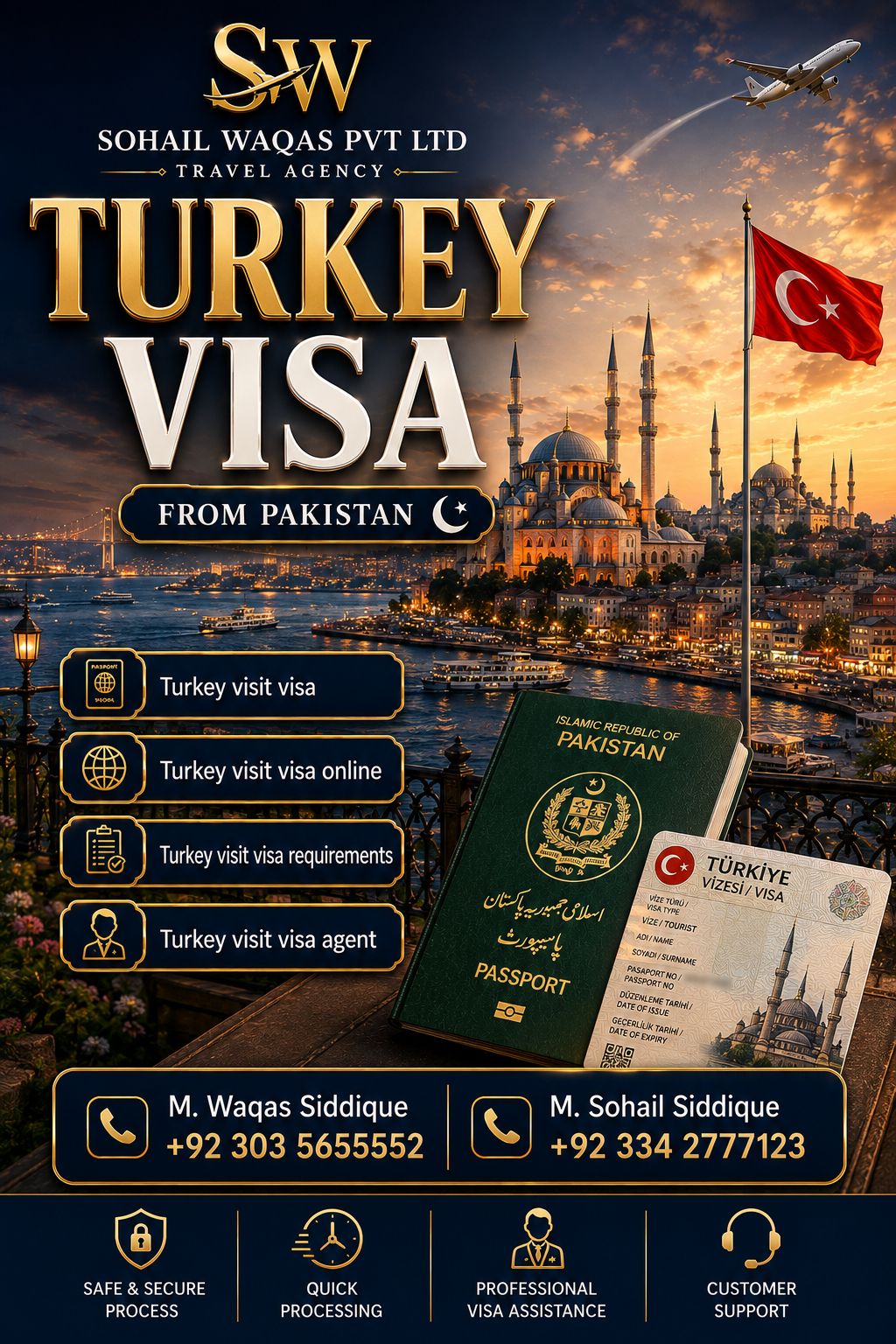
Why Visit Turkey?
Turkey offers a mix of history, natural beauty, food, shopping, and modern city life. It connects European and Asian influences, giving visitors many ways to enjoy their stay.
Here are some popular reasons to visit:
-
Historical attractions: Explore Istanbul’s famous mosques, palaces, museums, and historic neighborhoods.
-
Natural scenery: Discover Cappadocia’s unusual rock formations, valleys, and distinctive landscapes.
-
Coastal destinations: Enjoy seaside towns, beaches, and scenic waterfronts.
-
Cultural experiences: Learn about Turkish traditions, architecture, local crafts, and everyday life.
-
Food and hospitality: Try traditional Turkish dishes, tea, desserts, and regional specialties.
-
Family visits: Spend time with relatives or friends who live in Turkey, provided your visa category permits your intended visit.
A clear travel purpose helps you choose the appropriate application route and prepare supporting documents that match your plans.
Who Needs a Turkey Visit Visa?
Whether you need a visa depends mainly on your nationality, passport type, and the applicable Turkish entry rules.
Pakistani ordinary passport holders should check the current requirements before making travel arrangements. Eligibility for an electronic visa is not automatic, and certain travelers may need to meet additional conditions to use that facility.
Your circumstances may affect the process, including:
-
Whether you hold an ordinary, official, or diplomatic passport.
-
Whether you have a valid visa or residence permit from a qualifying country, where required.
-
Whether you meet any applicable age or passport conditions.
-
Whether your travel purpose is tourism or another permitted short-term activity.
-
Whether your intended stay falls within the applicable entry rules.
Do not assume that having a passport, a previous travel history, or a visa from another country automatically qualifies you for Turkish entry.
Check the current official Turkish visa guidance for your nationality and situation before submitting an application.
Turkey Visit Visa Requirements for Pakistani Citizens
A successful application begins with understanding the documents and information that may be required. The exact checklist can vary according to the application route, the applicant’s profile, and the instructions issued by the relevant Turkish authorities or authorized application center.
Applicants should prepare their paperwork carefully and ensure that the details remain consistent across all documents.
1. Valid Pakistani Passport
Your passport is one of the most important documents in the application.
Before applying, check that:
-
Your passport is valid for the period required under the applicable Turkish entry rules.
-
Your personal details are clear and readable.
-
Your passport has the required remaining validity.
-
Any required blank pages are available.
-
Your passport information matches the details on your application.
If your passport is close to expiry, check whether renewal is necessary before starting the process. A passport that does not meet the applicable validity rules may cause problems even when your other documents are complete.
2. Completed Visa Application Form
You must provide accurate information in the relevant application form.
Depending on your application route, this may involve an online pre-application, an electronic visa application, or a process arranged through an authorized application center.
Check every field before submitting your information. Your full name, passport number, date of birth, travel dates, and other personal details should match your official documents.
Avoid spelling errors and incomplete answers. If you notice a mistake after submission, follow the official correction procedure rather than submitting conflicting information without guidance.
3. Recent Passport-Size Photographs
Photographs may be required for the relevant application route.
Follow the current specifications for image size, background, quality, and appearance. A photograph that does not meet the stated requirements can lead to a request for replacement or further processing.
Use a recent, clear photograph that accurately represents your appearance.
4. Travel Purpose and Itinerary
Your application should explain why you want to visit Turkey and how you intend to spend your time there.
For a tourism trip, you may prepare:
-
A proposed travel itinerary.
-
Intended arrival and departure dates.
-
Details of the cities or attractions you plan to visit.
-
Accommodation information, where required.
-
Return or onward travel information, where required.
Your itinerary should be realistic. For example, a short visit focused on Istanbul should not include an unnecessarily complicated schedule covering many distant destinations.
You do not need to create an elaborate itinerary. A clear, reasonable plan that matches your stated travel purpose is usually more useful than an overly detailed document containing inconsistent information.
5. Accommodation Evidence
Applicants may be asked to provide accommodation details or supporting evidence.
Depending on the circumstances, this may include a hotel reservation or an invitation and accommodation details from a host.
If you intend to stay with relatives or friends, make sure your application accurately reflects that arrangement. Do not provide hotel details that conflict with your actual plans.
Follow the checklist applicable to your application route to determine what evidence is necessary.
6. Evidence of Financial Means
Authorities may assess whether you can support yourself during your intended visit.
Depending on the requirements, relevant evidence may include bank statements, employment income records, business documents, or other accepted proof of financial circumstances.
Your supporting documents should be genuine and consistent with your situation. If you are employed, your income information should reasonably match your employment evidence. If you run a business, your supporting records should accurately reflect your business activities.
There is no benefit in presenting information that you cannot explain or verify. Honest, organized documentation is a better approach than submitting paperwork that does not reflect your real circumstances.
7. Employment or Business Documents
Your professional situation can help explain your circumstances and reasons for returning home after your visit.
Depending on your profile, you may prepare:
-
An employment letter.
-
Approved leave information, where applicable.
-
Business registration or business activity documents.
-
Evidence of ongoing professional responsibilities.
-
Relevant educational documents for students.
These documents should support the information you provide in your application. Not every applicant needs every item, so follow the current official checklist.
8. Family or Sponsor Documents
If another person is supporting your trip or inviting you to Turkey, additional evidence may be requested.
This could include an invitation letter, details of the host, evidence of the relationship, or sponsor-related documents, depending on the circumstances and the relevant requirements.
A sponsor’s involvement does not automatically guarantee visa approval. The applicant must still meet the applicable conditions and provide truthful information.
9. Travel Medical Insurance
Travel medical insurance may be required for your application or travel circumstances.
Check the current rules to confirm whether insurance is necessary and what coverage conditions apply. If you need a policy, ensure that its coverage dates correspond to your planned stay and that it meets the stated requirements.
Do not rely on an old checklist without confirming whether the requirements have changed.
Turkey Visit Visa Documents Checklist
Use this table as a preparation guide, not as a replacement for the official checklist.
| Document | Why It May Be Needed |
|---|---|
| Valid passport | Establishes identity and nationality |
| Application form | Records personal and travel information |
| Recent photograph | Meets identification requirements |
| Travel itinerary | Explains the purpose and planned duration |
| Accommodation evidence | Shows where you intend to stay |
| Financial documents | Helps demonstrate the ability to support the visit |
| Employment or business records | Supports your personal and professional circumstances |
| Invitation or sponsor documents | Supports a visit involving a host or sponsor |
| Travel medical insurance | Meets applicable insurance requirements |
| Additional supporting documents | Addresses requirements specific to your case |
The final list depends on your application route. Check the current instructions before arranging or submitting documents.
How to Apply for a Turkey Visit Visa From Pakistan
The application process becomes easier when you follow the correct order. Rather than collecting random documents first, establish your eligibility and application route before preparing your file.
Step 1: Confirm Your Visa Category
Start by identifying your nationality, passport type, and travel purpose.
If you intend to visit Turkey for tourism, check the applicable tourist or visit visa rules. If your purpose involves business meetings, employment, education, or another activity, verify whether a different category is necessary.
Selecting the wrong category can create avoidable delays or lead to an application that does not match your intended activities.
Step 2: Check Electronic Visa Eligibility
Some travelers can use Turkey’s electronic visa system, while others must follow a different process.
Pakistani citizens should carefully review the current eligibility conditions. Depending on the applicable rules, additional qualifying documents or conditions may apply.
Do not assume that every Pakistani passport holder can obtain an electronic visa. If you do not qualify, follow the instructions for the appropriate alternative application route.
Step 3: Review the Current Application Instructions
Read the requirements provided by the relevant Turkish authorities or the authorized visa application center serving your area.
Confirm the following details:
-
Which application form you need.
-
Which documents must be submitted.
-
Whether an appointment is required.
-
Whether documents need a particular format or translation.
-
Whether original documents and copies are required.
-
How the application is submitted and tracked.
This step helps you avoid relying on outdated information shared by other applicants.
Step 4: Gather Your Supporting Documents
Prepare your documents according to the current checklist.
Organize them in a logical order, such as identification documents, application paperwork, travel details, financial evidence, and supporting letters.
Check the consistency of your information. If your application states that you are traveling for one week, your itinerary and accommodation evidence should support that plan.
Keep copies of your submitted documents for your own records.
Step 5: Complete the Application Carefully
Enter your personal details exactly as shown on your passport.
Pay particular attention to:
-
Full name and spelling.
-
Passport number and expiry date.
-
Date of birth.
-
Intended travel dates.
-
Contact information.
-
Purpose of travel.
-
Previous travel or visa information, if requested.
Read the completed form before submission. Correcting a mistake early is generally easier than dealing with inconsistent information later.
Step 6: Arrange an Appointment if Required
Depending on the application route and current procedures, you may need to arrange an appointment with the relevant authorized application center.
Follow the instructions for selecting an appointment location and preparing the required paperwork. Bring the documents requested for your appointment and arrive with enough time to complete the formalities.
If the process does not require an in-person appointment, follow the relevant online submission instructions instead.
Step 7: Submit Your Application
Submit your application through the appropriate official channel.
If an application center accepts your paperwork, review any receipt or reference information provided to you. Keep it secure, as you may need it to track your application or respond to a request.
Answer questions honestly and provide genuine documents. Never change official records or submit fabricated information to make an application appear stronger.
Step 8: Track Your Application
Use the tracking procedure provided by the relevant application channel.
Depending on the system, you may need a reference number, passport details, or other information to check progress. Processing updates may not always explain every stage of the review.
If the tracking system does not recognize your application, confirm that you are using the correct tracking service and entering the details exactly as shown on your receipt.
Step 9: Review the Visa Before Traveling
If your visa is approved, check the information carefully before departure.
Verify your name, passport details, validity dates, permitted entries, and stay conditions where applicable.
Make sure your travel plans fit the conditions of the visa. Approval should not be treated as permission to work or undertake activities that are not allowed under your immigration status.
Step 10: Prepare for Your Journey
Keep your passport, visa documentation, accommodation information, return or onward travel details, and any other relevant supporting documents accessible.
Border officials may ask questions about your visit. Be prepared to explain your purpose, intended stay, and accommodation arrangements clearly and truthfully.
A properly issued visa does not remove the need to comply with entry checks and immigration rules at the border.
Understanding Electronic and Embassy-Route Applications
One common source of confusion is the difference between an electronic visa and an application that requires additional processing.
The correct route depends on eligibility and the current Turkish visa rules for your passport and circumstances.
| Feature | Electronic Visa Route | Other Visa Application Route |
|---|---|---|
| Eligibility | Limited to qualifying travelers | Used when the electronic route is unavailable or unsuitable |
| Application method | Completed through the designated online system | May involve an authorized application center and additional procedures |
| Supporting evidence | Depends on the applicable eligibility conditions | May require a broader supporting document package |
| Appointment | Usually depends on the electronic system’s requirements | May be required under the relevant procedure |
| Approval | Subject to the applicable rules | Subject to review and the relevant decision process |
Always use the route that matches your actual eligibility. Avoid selecting an electronic application option simply because it appears faster or more convenient.
How Long Does Turkey Visit Visa Processing Take?
Processing times can vary depending on the application route, the completeness of your documents, seasonal demand, and any additional checks required.
A straightforward application may be handled differently from one that needs further review or additional evidence.
To prepare sensibly:
-
Begin checking requirements well before your intended departure.
-
Allow time to collect documents and arrange any required appointment.
-
Submit a complete application.
-
Respond promptly if additional information is requested.
-
Avoid making non-refundable travel commitments until your travel authorization is confirmed and your plans are appropriate for the visa conditions.
Do not rely on a fixed processing period quoted by an unofficial source. Current instructions from the relevant application channel are the best guide for planning.
Common Reasons a Visa Application May Face Problems
No checklist can guarantee approval. However, understanding common mistakes can help you submit a clearer application.
Incomplete Documentation
Missing forms, unclear photographs, absent supporting evidence, or documents that do not follow the required format may lead to delays or requests for additional information.
How to avoid it: Compare your application against the current checklist before submission.
Incorrect Personal Information
A spelling mistake in your name or an incorrect passport number can create inconsistencies between documents.
How to avoid it: Check every detail against your passport and other official records.
Unclear Travel Purpose
An application may be harder to assess when the stated reason for travel does not match the supporting documents.
How to avoid it: Explain your purpose in plain language and provide evidence that supports your plans.
Weak or Inconsistent Financial Evidence
Financial records that do not reasonably support the information in the application may raise questions.
How to avoid it: Provide genuine records that reflect your actual circumstances. Do not alter bank statements or create misleading financial documents.
Unrealistic Travel Plans
An itinerary that conflicts with your accommodation, travel dates, or stated purpose may make your plans appear unclear.
How to avoid it: Prepare a realistic itinerary that fits the length and purpose of your visit.
Misunderstanding Electronic Visa Eligibility
Some applicants assume that all Pakistani citizens can use the same online process.
How to avoid it: Verify the eligibility requirements for your passport and personal circumstances before applying.
Relying on Outdated Advice
Visa procedures and supporting document requirements can change.
How to avoid it: Check the current official instructions before submitting your application, especially if you previously applied under different rules.
Providing False Information
False statements, altered documents, or misleading evidence can seriously damage an application and may have further consequences.
How to avoid it: Provide accurate information and seek guidance if you are unsure how to document a particular circumstance.
Practical Tips for a Stronger Application
A clear, well-organized application makes it easier for the relevant authorities to understand your travel plans and personal circumstances.
Consider these practical suggestions:
-
Start with eligibility. Determine the correct visa route before preparing your paperwork.
-
Use a document checklist. Mark each required item as you prepare it.
-
Keep details consistent. Your application, travel itinerary, and supporting documents should tell the same story.
-
Prepare genuine financial evidence. Avoid sudden, unexplained changes or documents that do not reflect your real financial situation.
-
Explain unusual circumstances. If a document is unavailable or your situation differs from a typical application, check whether an explanation or alternative evidence is accepted.
-
Keep your records organized. Save copies of your application and supporting documents.
-
Check your contact details. Make sure you can receive any communication about your application.
-
Follow official instructions. Do not assume that a document accepted in another country or for another visa category will automatically be accepted for your application.
In practice, a simple, consistent application is often easier to understand than a large collection of unrelated documents. Focus on providing the evidence requested for your particular situation.
What If Your Turkey Visit Visa Is Refused?
A refusal can be disappointing, especially when you have already made travel plans. However, the next step should be based on the information available in the decision and the applicable procedures.
Start by reviewing any refusal notice or explanation you receive. Identify whether the issue concerns eligibility, missing information, supporting evidence, or another factor.
You can then:
-
Review the reason for refusal carefully.
-
Check whether the relevant authority provides a review, appeal, or reapplication procedure.
-
Identify any genuine documentation gaps.
-
Correct factual errors where the applicable process allows it.
-
Prepare a new application only after understanding what needs to change.
Submitting the same application again without addressing the underlying issue may not resolve the problem.
Do not assume that every refusal can be appealed or that a new application will automatically succeed. Follow the procedure applicable to your case.
Traveling to Turkey After Visa Approval
Receiving a visa is a major step, but you should still prepare for your arrival.
Before departure, confirm that your passport and visa details are correct and that your travel arrangements remain consistent with your application.
It is also useful to keep the following information accessible:
-
Your accommodation address.
-
Your intended return or onward travel details.
-
Your travel itinerary.
-
Contact information for your host, if applicable.
-
Supporting documents relevant to the purpose of your visit.
-
Any insurance documents required for your circumstances.
When you arrive, answer immigration questions clearly and truthfully. Explain why you are visiting, where you will stay, and how long you intend to remain.
Respect the permitted duration of stay and all conditions attached to your visa. If you want to extend your stay or change your immigration status, check the applicable Turkish rules rather than assuming that an extension will be allowed.
Can You Work in Turkey on a Visit Visa?
A visit or tourist visa should not be treated as general permission to work in Turkey.
If you intend to take up employment, provide services, or undertake another activity that requires separate authorization, investigate the appropriate permit and visa requirements before traveling.
The rules for tourism, business visits, employment, education, and residence are not interchangeable. Choosing a category that does not match your intended activity can create serious immigration problems.
Explain your real purpose when applying and seek guidance from the relevant authorities if your plans involve activities beyond ordinary tourism or a private visit.
https://sohailwaqas.com/turkey-visit-visa-requirement-document-application-guide/
Is a Turkey Visit Visa Guaranteed After Applying?
No. Submitting an application does not guarantee approval.
The outcome depends on the applicable eligibility rules, the information provided, the supporting evidence, and the assessment conducted by the relevant authorities.
An applicant with complete documents may still receive a refusal, while another applicant’s circumstances may require additional review.
Be cautious of anyone who promises guaranteed approval. A legitimate adviser can help you understand requirements and organize your paperwork, but should not claim to control the visa decision.
Why Professional Application Guidance Can Help
Visa instructions can be confusing when different websites provide different checklists or describe separate application routes.
Professional guidance may help you identify the appropriate category, understand the documentation requirements, review the consistency of your paperwork, and prepare for the submission process.
Before working with an adviser, clarify what assistance is included and ensure that the information provided matches the current official requirements.
You should also retain access to your own application records and understand every document submitted in your name. Never sign a form containing information you know to be incorrect.
The final decision remains with the relevant authorities, regardless of whether you apply independently or seek professional assistance.
Final Preparation Checklist Before You Apply
Use this checklist to review your readiness:
-
Confirm your passport type and nationality.
-
Check the current Turkish visa rules applicable to your circumstances.
-
Establish whether you qualify for an electronic visa or need another application route.
-
Prepare the required application form.
-
Gather the documents listed in the current official checklist.
-
Review your travel purpose, dates, and accommodation arrangements.
-
Organize genuine financial and employment evidence where required.
-
Check every personal detail for accuracy.
-
Arrange an appointment if the relevant procedure requires one.
-
Keep copies of your application and tracking information.
-
Wait for the relevant decision before treating your travel authorization as confirmed.
-
Review your visa conditions before departure.
Taking these steps can make the application process more manageable and help you avoid preventable errors.
Plan Your Turkey Visit With Confidence
A successful trip begins with careful preparation. Understanding your eligibility, selecting the correct application route, and submitting accurate supporting documents can help you approach the process with greater confidence.
If you’re preparing a Turkey visit visa application from Pakistan, start by confirming the current official requirements for your passport and travel purpose. Then organize your paperwork, review every detail, and allow enough time for the relevant procedures.
For assistance with understanding the application process and preparing your documents, you can contact the team listed below. Make sure you verify the current official requirements for your individual case before submitting your application or finalizing your travel arrangements.
Contact Details
M. Waqas Siddique
Phone: +92 303 5655552
M. Sohail Siddique
Phone: +92 334 2777123
Contact the team for guidance on application preparation, document organization, and the general Turkey visit visa process. Visa approval is subject to the decision of the relevant authorities.


