Vape Aesthetics in 2026: Modern Design, Style and Visual Trends
Introduction
Vape Aesthetics in 2026 reflect an evolving relationship between product design, technology, culture, and consumer awareness. The appearance of vaping devices has changed significantly over recent years. Earlier products focused mainly on basic functionality. However, modern designs involve more attention to materials, shapes, finishes, and visual presentation.
Today, product aesthetics also influence how electronic devices are perceived. Manufacturers consider simplicity, usability, durability, and regulatory expectations when developing new designs. Meanwhile, changing consumer preferences are encouraging more thoughtful approaches to product presentation.
Vape Aesthetics in 2026 are therefore not simply about attractive colours or fashionable shapes. They also involve responsible design, practical construction, and environmental considerations. Understanding these developments provides a clearer picture of the industry’s changing visual identity.
Understanding Vape Aesthetics in 2026
Vape Aesthetics in 2026 describe the visual and physical characteristics of modern vaping devices and their packaging. These characteristics include exterior shapes, colours, textures, materials, interfaces, and branding.
Designers increasingly recognise that appearance communicates information about a product. A simple exterior can suggest functionality, while a complicated interface may create unnecessary visual distractions.
However, attractive design should never replace accurate product information. Nicotine content, safety information, and product specifications must remain clear and accessible.

Another important consideration is responsible presentation. Product designs should not imitate toys, sweets, or everyday objects associated with children. Adult-oriented industrial design requires a careful balance between visual identity and public health responsibilities.
Minimalist Design Is Influencing Vape Aesthetics in 2026
Minimalism remains an important influence across consumer electronics. Vape Aesthetics in 2026 reflect this wider movement towards simpler product appearances.
Minimalist industrial design generally uses clean surfaces, balanced proportions, and restrained branding. Instead of unnecessary decorative elements, designers concentrate on the product’s overall structure.
Clean Shapes and Balanced Proportions
Modern electronic devices often use straightforward geometric shapes. Rounded edges, smooth surfaces, and carefully arranged controls can improve the overall appearance.
These design principles also support practical handling. Well-positioned buttons and understandable interfaces make products easier to identify and operate.
Nevertheless, simplicity should not become a marketing strategy targeting inexperienced users. Clear information and responsible presentation remain essential.
Reduced Visual Clutter
Another characteristic of minimalist design is the removal of unnecessary decoration. Excessive graphics, complicated patterns, and decorative lighting can distract from important information.
A restrained appearance creates a more organised visual identity. This approach is becoming increasingly relevant as product appearance receives greater regulatory attention.
Colour Trends and Material Choices in 2026
Colour plays an important role in product design. It influences visual recognition, brand identity, and consumer perception.
Historically, vaping devices have appeared in bright colours, metallic finishes, and colourful combinations. However, Vape Aesthetics in 2026 are increasingly influenced by discussions about standardisation and responsible product presentation.
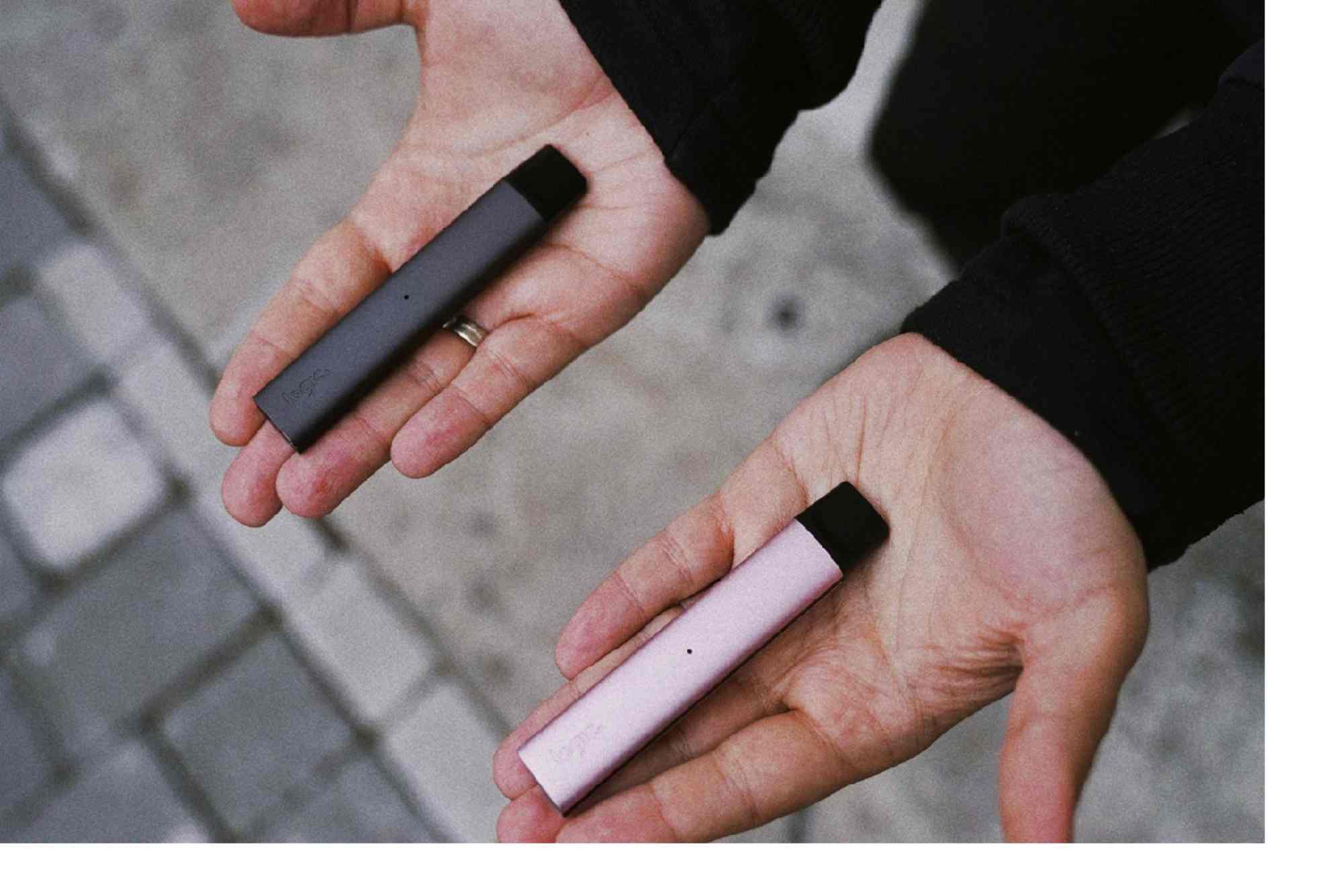
Neutral colours such as black, white, and grey feature prominently in contemporary industrial design. These shades create a straightforward appearance without relying on excessive decoration.
Material selection also contributes to the visual identity of electronic devices. Metal, glass, and durable engineered plastics offer different textures and functional properties.
The following table explains how different design elements influence modern product aesthetics.
| Design Element | Visual Characteristics | Main Design Consideration |
|---|---|---|
| Minimalist shapes | Clean and simple structures | Visual simplicity |
| Matte finishes | Smooth, non-glossy surfaces | Reduced visual distraction |
| Neutral colours | Black, white, and grey | Restrained presentation |
| Metallic materials | Brushed or polished surfaces | Durability and construction |
| Transparent components | Visible internal sections | Functional visibility |
| Simple branding | Limited graphics and typography | Clear identification |
| Digital interfaces | Screens and indicators | Accessible information |
These characteristics demonstrate how different elements contribute to modern product design. However, appearance alone cannot establish product quality or safety.
Technology Is Changing Vape Aesthetics in 2026
Technology continues to influence the appearance of electronic vaping products. Manufacturers must consider how internal components affect external structures.
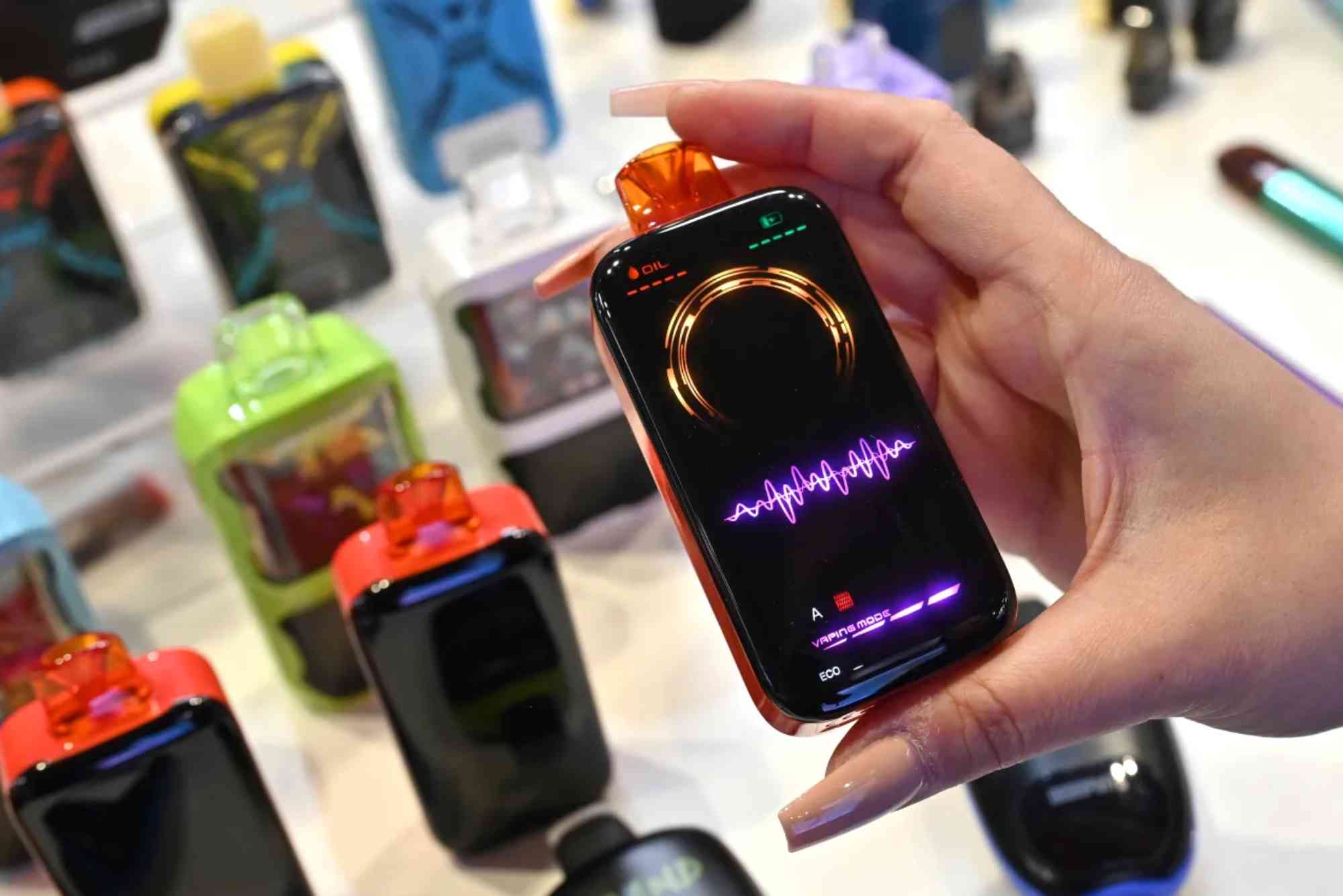
Digital screens, charging indicators, battery compartments, and control systems can change the overall appearance of a device.
Digital Interfaces and Functional Displays
Electronic displays have introduced a more technology-focused appearance. Depending on the product, screens may communicate battery information or other operational details.
However, additional digital features are not automatically beneficial. An effective interface should communicate essential information without unnecessary distractions.
Designers increasingly face the challenge of combining functional technology with straightforward presentation.
Ergonomic Product Construction
Ergonomics concerns how people interact with physical objects. In product design, it involves dimensions, weight distribution, surface texture, and control placement.
These considerations can influence both usability and appearance. A carefully designed exterior should accommodate internal components while remaining practical to handle.
In 2026, ergonomic thinking remains an important part of broader electronic product development.
Sustainability and Responsible Product Design
Sustainability has become an important discussion within the vaping industry. Electronic devices contain batteries, plastics, metals, and electrical components that require appropriate disposal.
Consequently, Vape Aesthetics in 2026 increasingly connect with questions about material selection and product construction.
Reusable Materials and Product Durability
Durability is an important consideration when evaluating electronic products. Materials should withstand normal handling and meet relevant manufacturing requirements.
Reusable and replaceable components can also influence product architecture. However, their environmental benefits depend on actual product lifespans, manufacturing processes, and disposal practices.
Designers must consider the complete product lifecycle rather than focusing exclusively on exterior appearance.
Recycling and Electronic Waste
Electronic waste remains a significant environmental concern. Batteries and electronic components should not automatically enter ordinary household rubbish.
Responsible disposal and appropriate recycling systems are important parts of sustainable product management.
Future design discussions may place greater emphasis on repairability, component separation, and material recovery.
The Influence of Branding on Vape Aesthetics in 2026
Branding communicates a product’s identity through typography, colours, packaging, and visual consistency.
However, branding practices are receiving greater attention because product appearance can influence younger audiences. Responsible manufacturers must consider these concerns when developing their visual identities.
Vape Aesthetics in 2026 therefore involve more than creating recognisable packaging. They also require transparent communication and compliance with applicable advertising and product regulations.
Simple typography and clear product information can support a more professional presentation. Excessive promotional graphics and child-oriented imagery create different concerns.
Businesses must understand that visual distinction does not justify misleading presentation or irresponsible marketing.
Regulatory Changes and the Future of Product Appearance
Regulation is becoming an important influence on vaping product design. Governments increasingly examine packaging, colours, branding, digital displays, and device shapes.
For example, the UK government published proposals in 2026 concerning restrictions on vape appearance and packaging. These proposals include considerations around colours, finishes, branding, and screens.
Such developments demonstrate how regulations can influence future industrial design decisions.
However, proposed requirements should not be confused with legislation already in force. Businesses must check the latest rules applicable to their particular markets.
Vape Aesthetics in 2026 will continue evolving as manufacturers respond to changing legal requirements and public expectations.
How Vape Aesthetics in 2026 Reflect Wider Design Culture
Electronic product design does not develop independently. It often reflects wider movements across consumer technology, industrial design, and packaging.
Minimalism, material transparency, ergonomic construction, and responsible manufacturing influence many product categories.
Vaping devices are part of this broader conversation. Their appearance reflects changing expectations about electronic products and the responsibilities associated with their development.
For readers interested in design and aesthetics trend coverage, examining these developments provides useful context about how product industries respond to changing cultural and regulatory expectations.
Importantly, modern aesthetics should not be confused with health benefits. A visually appealing device is not necessarily safer or less addictive.
The Future of Vape Aesthetics Beyond 2026
The future of vaping product design will depend on several connected developments. Regulatory requirements, environmental concerns, technological changes, and manufacturing capabilities will influence future product architecture.
Designers may increasingly prioritise simpler interfaces and more durable construction. Material recovery and repairability could also become more important considerations.
At the same time, branding may move towards clearer information and more restrained presentation.
These developments suggest a wider shift in how electronic products are evaluated. Instead of focusing exclusively on appearance, manufacturers will need to consider functionality, environmental responsibility, and regulatory compliance together.
Vape Aesthetics in 2026 represent an important stage in this changing design conversation.
Frequently Asked Questions About Vape Aesthetics in 2026
What does a vape look like?
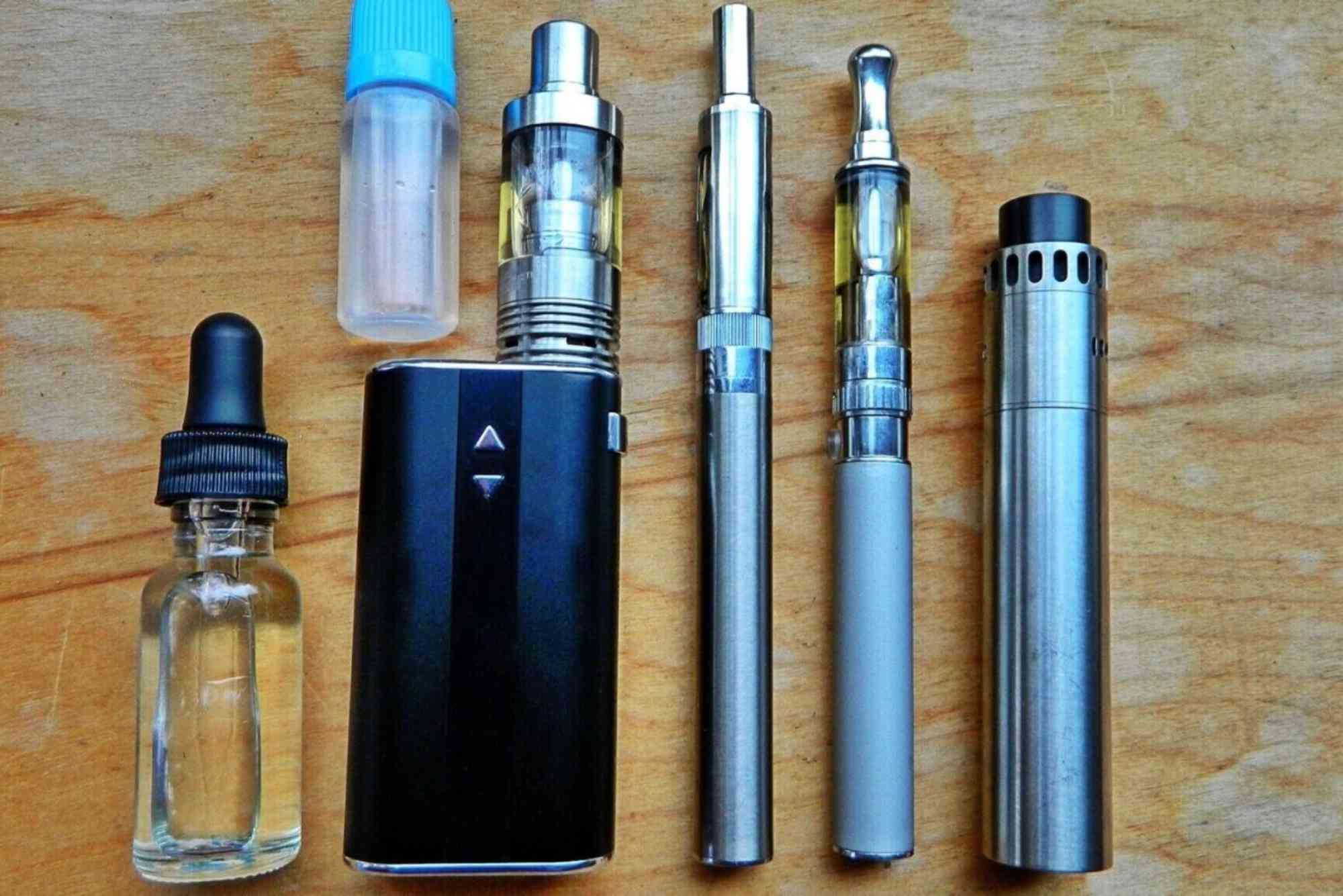
A vape can resemble a slim pen, rectangular electronic device, or larger box-shaped product. Its appearance depends on its design, battery arrangement, cartridge system, and internal components.
Why do vapes come in different designs?
Different designs reflect variations in product architecture, materials, dimensions, and functionality. Manufacturers also consider usability, manufacturing requirements, and applicable regulations.
What are the latest vape design trends in 2026?
Vape Aesthetics in 2026 involve discussions about minimalist construction, neutral colours, functional interfaces, durable materials, and responsible packaging. Regulatory developments also influence these design directions.
Do vape colours affect product perception?
Yes. Research indicates that colours and visual presentation can influence how people perceive electronic vaping products. Bright colours and decorative graphics may increase appeal, particularly among younger audiences.
Are modern vape designs safer than older designs?
No. A modern appearance does not establish product safety. Health risks depend on the product’s contents, construction, exposure, and patterns of use.
What materials are commonly considered in electronic device design?
Manufacturers commonly evaluate metals, glass, and engineered plastics. Each material offers different characteristics concerning durability, weight, cost, and manufacturing requirements.
Conclusion
Vape Aesthetics in 2026 highlight the changing relationship between industrial design, technology, sustainability, and regulation. Minimalist construction, functional interfaces, material choices, and responsible branding are important subjects shaping this discussion.
However, modern product aesthetics should extend beyond visual appeal. Durability, transparent information, environmental responsibility, and public health considerations deserve equal attention.
As the industry develops, responsible design decisions will become increasingly important.
Call to Action: Stay informed about changing product design standards, emerging technology, and responsible manufacturing practices. Explore the latest developments in industrial design to understand how electronic products are evolving in 2026.