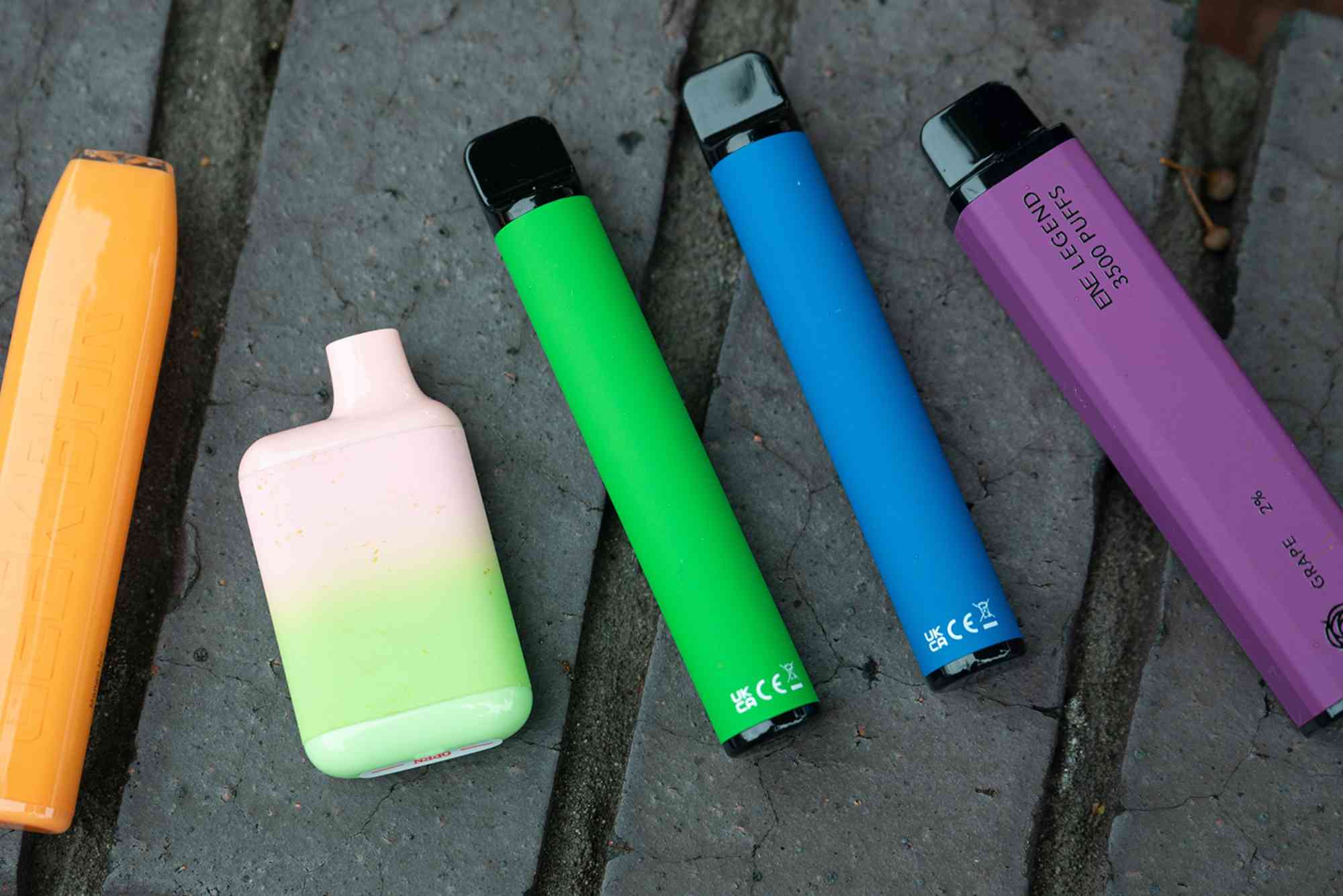
Vaping and the Rise of Sustainable Vape Gear for 2025
The conversation around vaping is changing quickly. Environmental concerns are becoming just as important as device performance, design, and convenience. This shift has encouraged manufacturers and consumers to consider alternatives that create less waste.
Vaping and the Rise of Sustainable Vape Gear for 2025 reflects this important change. Instead of focusing only on disposable convenience, the market is moving toward reusable devices, replaceable components, longer product lifecycles, and improved recycling options.
Disposable vape products have created concerns because they combine plastic, electronic components, batteries, and residual e-liquid in one small product. When these devices are discarded incorrectly, valuable materials can be lost and batteries can create safety risks.
As a result, sustainable vape gear is becoming a growing part of the wider vaping conversation. Consumers are increasingly asking how long a device lasts, whether its parts can be replaced, and how responsibly it can be disposed of.
Why Sustainability Matters in Vaping
Vaping products have an environmental footprint throughout their lifecycle. Manufacturing requires materials, energy, packaging, transportation, and electronic components. Disposal creates another challenge because many devices contain lithium-ion batteries.
The environmental issue becomes particularly significant with single-use products. A disposable device may contain a battery that could otherwise be reused or recycled. Its plastic casing and electronic components also require proper waste handling.

The Australian Government notes that discarded vaping products can introduce nicotine, heavy metals, and lithium-ion batteries into the environment.
Therefore, sustainability is not simply about using less plastic. It also involves designing products that last longer and can be repaired, reused, separated, and recycled more effectively.
This is where Vaping and the Rise of Sustainable Vape Gear for 2025 becomes especially relevant. The sustainable approach considers the complete product lifecycle rather than focusing only on the moment of purchase.
The Shift From Disposable to Reusable Devices
Reusable technology is one of the clearest developments in sustainable vaping. Instead of throwing away an entire device after the e-liquid is finished, users can continue using the main hardware.
A rechargeable battery can remain in service for a much longer period. Similarly, refillable tanks and replaceable coils can reduce the need to replace the entire device.
The UK’s 2025 guidance provides a useful example of this approach. It defines reusable vapes through features such as rechargeable batteries, refillable containers, and replaceable coils where applicable.
This model can reduce unnecessary electronic waste when products are designed and maintained responsibly. It also gives consumers more control over individual components.
However, reusable does not automatically mean sustainable. A poorly designed device can still generate considerable waste. Durability, repairability, material choices, and end-of-life recycling all matter.
How Sustainable Vape Gear Is Changing Product Design
Manufacturers are increasingly considering durability as part of product development. A device that survives longer can potentially reduce the frequency of complete replacements.
Modular construction is another important concept. When individual components can be removed or replaced, consumers may not need to discard functioning parts.
For example, a replaceable coil can extend the useful life of a tank. A replaceable pod can prevent the entire battery unit from becoming waste. A durable exterior can also protect internal electronics from everyday damage.
Better product design can therefore make sustainability more practical.
The table below illustrates how different approaches compare from an environmental perspective.
| Feature | Disposable Vape | Reusable Vape | More Sustainable Approach |
|---|---|---|---|
| Battery | Usually discarded with device | Rechargeable | Long-life rechargeable battery |
| E-liquid | Pre-filled | Refillable or replaceable pod | Refillable system |
| Main device | Single-use | Used repeatedly | Durable construction |
| Coil | Usually discarded with device | Replaceable on suitable models | Replace only worn component |
| Packaging | Often discarded | May be reduced | Minimal recyclable packaging |
| End-of-life | Difficult to separate | Easier with suitable design | Dedicated recycling |
| Product lifespan | Short | Longer | Designed for extended use |
Battery Recycling Is Becoming More Important
Battery disposal is one of the most important issues surrounding sustainable vape gear. Lithium-ion batteries contain valuable materials, but they can also become dangerous when damaged or crushed.
For this reason, users should never assume that an exhausted vape belongs in ordinary household waste. Proper recycling channels are essential.
UK recycling guidance states that vapes should be handled as electrical waste. It also warns that improper disposal can create fire risks.
This makes responsible disposal an important part of sustainable vaping.
A sustainable device is only part of the solution. Consumers must also understand what happens when that device reaches the end of its useful life.
The Importance of Longer Product Lifecycles
A major principle behind Vaping and the Rise of Sustainable Vape Gear for 2025 is extending product life.
Consumers can potentially reduce waste by choosing devices that allow maintenance and component replacement. This approach is similar to sustainability trends across other consumer industries.
For example, people interested in sustainable fashion trends in 2025 may look for durable clothing, repairable products, responsible materials, and longer product lifecycles.
The same principle can apply to vaping technology.
Instead of treating a vape as a disposable commodity, sustainable design treats it as a product that should remain useful for as long as possible.
This can also encourage manufacturers to compete through durability rather than relying entirely on constant replacement.
Packaging Is Another Sustainability Challenge
Vape sustainability does not stop with the device. Packaging can also contribute to waste.
Boxes, plastic inserts, protective films, charging accessories, and other materials may be discarded shortly after purchase. Excessive packaging therefore undermines some of the environmental benefits associated with reusable products.
More responsible packaging can use fewer materials while protecting the device adequately.
Recyclable cardboard, reduced plastic inserts, and simplified packaging designs can help lower unnecessary waste. However, packaging claims should always be evaluated carefully because recyclable materials are only useful when suitable recycling systems exist.
Can Vapes Be Recycled?
Can vapes be recycled?
Yes, many vape components can be recycled through appropriate electrical or specialist recycling systems. However, users should not place vapes into ordinary household recycling unless local authorities specifically allow it.
Vapes contain batteries and electronic components that require suitable handling. Specialist recycling can recover materials while reducing the risks associated with damaged batteries.
Research and environmental guidance also highlights the difficulty of recycling disposable devices because multiple materials are combined in one product.
The correct recycling process varies by location. Therefore, users should check local recycling guidance or retailer take-back services.
Why are disposable vapes bad for the environment?
Disposable vapes can create environmental problems because they combine plastic, electronic components, batteries, and e-liquid in a product designed for short-term use.
This creates a larger waste challenge than a device designed for repeated use.
The UK’s decision to prohibit businesses from selling or supplying single-use vapes from June 2025 demonstrates how seriously environmental concerns have become in some markets.
What Consumers Should Look for in Sustainable Vape Gear
Consumers interested in sustainability should consider the complete lifespan of a device.
A rechargeable battery is an important starting point. However, buyers should also consider whether the device can be refilled and whether important components can be replaced.
Durability is equally important. A device that lasts longer can potentially reduce the need for frequent replacements.
Consumers should also consider manufacturer recycling programs. A clear take-back system can make responsible disposal much easier.
Finally, packaging deserves attention. Minimal packaging and recyclable materials can complement a durable device.
Sustainable Vape Gear and Consumer Behavior
Technology alone cannot solve the waste problem. Consumer behavior remains equally important.
A reusable vape can still become environmentally damaging if it is repeatedly replaced without need or thrown into general waste.
Responsible ownership involves maintaining the device, following battery safety instructions, replacing only necessary components, and recycling old equipment through appropriate channels.
Electrical safety guidance recommends using reputable products and recycling old vapes properly rather than putting them into general waste or standard recycling bins.
These habits can make sustainability more practical in everyday use.
The Future of Sustainable Vape Technology
The future of sustainable vape gear will likely depend on better product design and stronger recycling systems.
Manufacturers may increasingly focus on modular devices, durable materials, replaceable components, and reduced packaging.
Regulation may also influence the direction of the market. Where governments restrict single-use products, manufacturers have greater incentives to develop reusable alternatives.
At the same time, consumers are becoming more aware of electronic waste. This awareness can encourage demand for products that provide longer service lives.
The strongest sustainable approach combines all these factors. A durable device, replaceable components, responsible packaging, and proper recycling can work together to reduce unnecessary waste.
Frequently Asked Questions
Are reusable vapes better for the environment?
Reusable vapes can reduce waste compared with single-use products when they are used for longer periods and recycled correctly. Their environmental impact still depends on manufacturing, energy use, materials, and disposal.
How do you dispose of a vape?
A vape should generally be taken to an appropriate electrical, battery, or vape recycling point. Do not place it in general household waste unless local authorities specifically instruct you to do so.
Can vape batteries be recycled?
Yes. Vape batteries can be handled through suitable battery or electronic waste recycling systems. Because lithium-ion batteries can create fire risks, they should not be placed in ordinary waste bins.
What makes a vape sustainable?
A sustainable vape generally emphasizes durability, rechargeability, refillability, replaceable components, reduced packaging, and responsible end-of-life recycling.
Are disposable vapes recyclable?
Some materials from disposable vapes can be recovered, but their combined construction makes recycling more complicated. Dedicated recycling services are preferable to ordinary household recycling.
Why is vape recycling important?
Vape recycling helps recover useful materials and reduces the risk of batteries causing fires in waste systems. It can also prevent electronic components and chemicals from entering the environment.
Conclusion: The Future of Sustainable Vape Gear
Vaping and the Rise of Sustainable Vape Gear for 2025 highlights a broader movement toward longer-lasting and more responsible consumer technology.
The shift away from disposable products is becoming increasingly important. Rechargeable devices, refillable systems, replaceable components, reduced packaging, and proper recycling can all contribute to a more sustainable approach.
However, sustainability requires participation from both manufacturers and consumers. Companies need to design products with longer lifecycles and better end-of-life solutions. Consumers need to maintain products and dispose of them responsibly.
The result can be a vaping market that places greater emphasis on durability and resource efficiency.
If you are researching sustainable vape gear, start by evaluating the device’s lifespan, replaceable components, battery design, packaging, and recycling options before making a purchase. Making informed choices today can support a more responsible approach to vaping technology tomorrow.