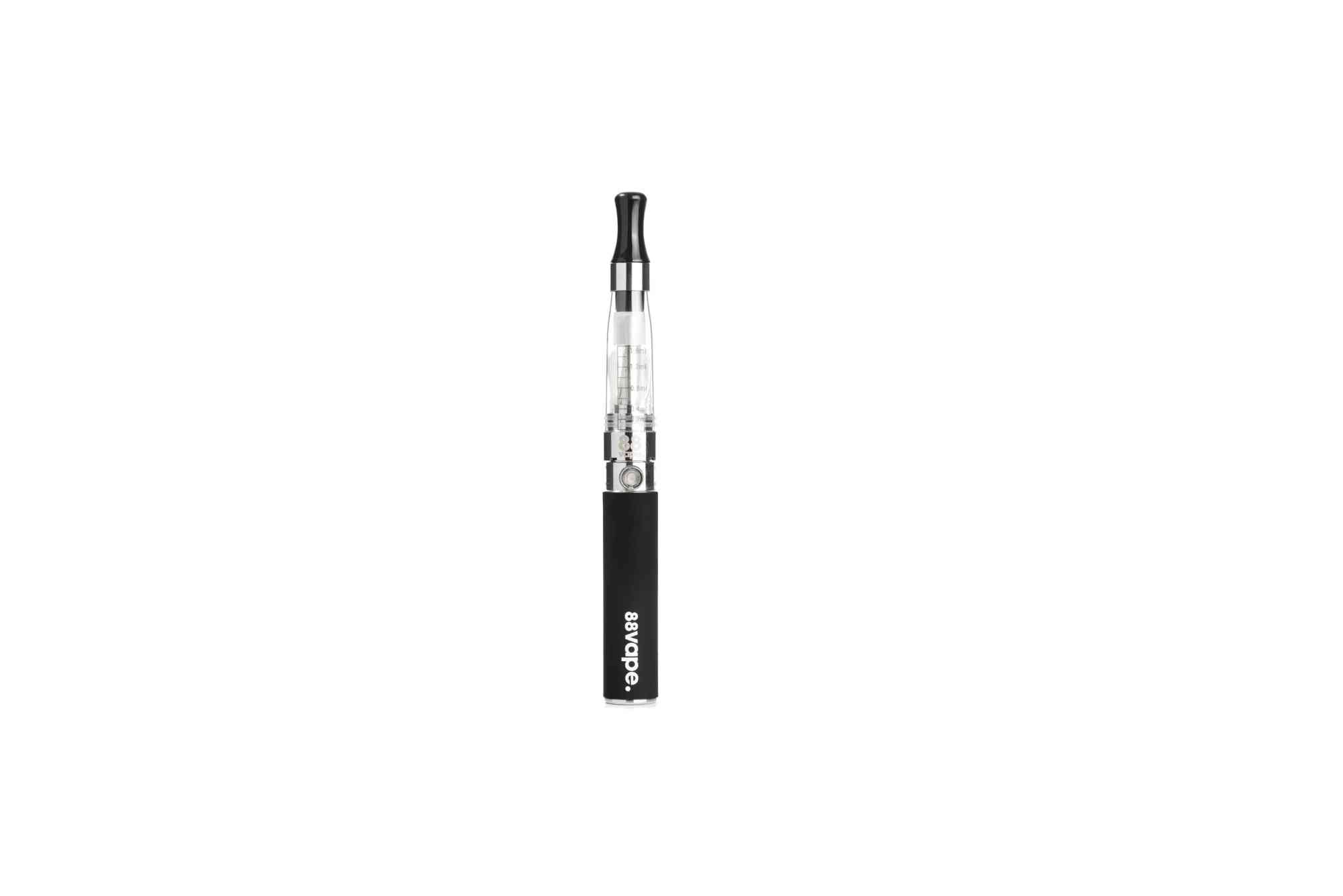
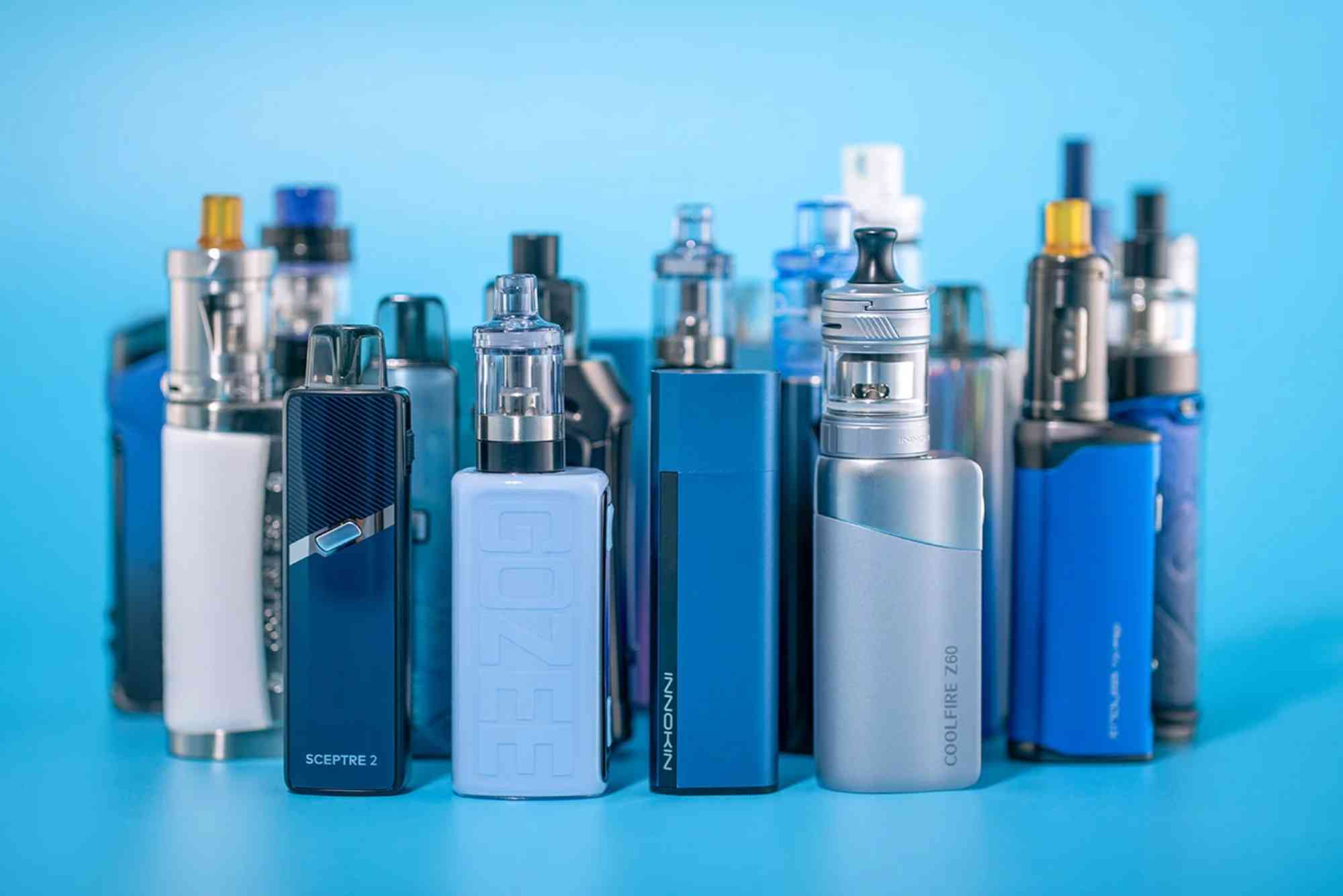
Comparing Vape Device Materials: Plastic vs Metal
Choosing a vape device today involves more than just flavor and performance—it’s also about materials. Whether you’re a seasoned vaper or just starting, the vape device materials you choose play a critical role in safety, durability, experience, and long-term satisfaction. In this guide, we explore the key differences between plastic and metal vape devices to help you make an informed decision.
Why Vape Device Materials Matter
The material of a vape device affects everything from its heat resistance to how it feels in your hand. More importantly, the material can influence the flavor delivery, the overall safety of your device, and even how long it lasts. While both plastic and metal options dominate the market, each offers distinct advantages and disadvantages that should be considered carefully.
Plastic Vape Devices: Lightweight and Affordable
Advantages of Plastic Vape Materials
Plastic vape devices are often chosen for their lightweight nature. They’re easy to carry, making them perfect for those who value portability. In addition, plastic materials reduce the overall cost of production, allowing brands to offer budget-friendly vape kits. This makes them ideal for beginners or casual users who aren’t ready to invest in high-end gear.
Plastic also allows for more creative freedom in design. Brands can mold plastic into various shapes, colors, and finishes, resulting in visually appealing options. Many disposable vape pens are made of plastic due to these practical benefits.
Drawbacks of Plastic Vape Devices
Despite their popularity, plastic vape materials come with trade-offs. One of the most significant issues is durability. Plastic tends to wear down over time, especially if exposed to heat, moisture, or sunlight. Cracks, chips, or even internal damage can compromise your device’s safety and performance.
Another concern is chemical leaching. Lower-quality plastics may release harmful compounds when exposed to high temperatures, potentially affecting the purity of your vape juice. While many modern devices use food-grade plastics, the risk is still greater than with metals.

Metal Vape Devices: Durable and Premium
Advantages of Metal Vape Materials
Metal vape devices are often viewed as the premium choice, and for good reason. Materials like stainless steel, aluminum, and zinc alloy are highly durable and resist both physical damage and heat. This makes them ideal for frequent use and long-term vaping.
Metal doesn’t just add strength; it also enhances temperature regulation. Heat is distributed more evenly, which can lead to a smoother vaping experience. Additionally, metal materials often provide a more secure housing for internal components, offering protection against battery or circuit failure.
Another major perk is taste purity. Unlike plastic, metal doesn’t interact with vape juice, preserving flavor integrity across a wide temperature range. Vapers who prioritize taste often lean toward metal devices for this reason alone.
Drawbacks of Metal Vape Devices
One obvious downside is weight. Metal devices are heavier and may feel bulky in your pocket or hand. This can be a deterrent for those who prioritize portability or want something discreet.
Metal also tends to increase the cost of the vape device. Manufacturing, material sourcing, and finishes drive prices up, making metal vape kits more of an investment. Furthermore, metal can conduct electricity, so proper insulation is crucial to prevent short circuits.
Health Considerations: Is One Safer?
Health is often top of mind for many vapers, especially those transitioning from smoking. When comparing vape device materials, both plastic and metal have pros and cons in terms of safety. High-quality metals such as stainless steel are generally inert and do not react with e-liquids, making them a safer choice for prolonged exposure to heat.
In contrast, plastic must be carefully regulated. Food-grade and BPA-free plastics are relatively safe, but low-quality plastics used in knockoff brands may release harmful chemicals. Vaping at high wattages can accelerate this breakdown, increasing potential health risks.
If health safety is your top concern, metal-based vape devices typically offer a more secure option, particularly if you plan on vaping regularly or using higher power settings.
Performance Comparison
The type of material can also influence how your vape performs over time. Metal’s excellent heat dissipation provides consistent performance, especially in sub-ohm and high-wattage devices. Plastic tends to insulate heat, which may cause overheating or uneven vapor production.
Flavor purity is another major factor. Metal does not alter the taste of the vape juice, whereas plastic may, especially after prolonged use. Additionally, the sturdier construction of metal ensures that connections between tanks, batteries, and coils remain secure, reducing performance issues due to loose fittings.
Environmental Impact
As environmental concerns rise, so does scrutiny on vape materials. Plastic is a major contributor to e-waste, particularly in disposable vapes. Its non-biodegradable nature makes recycling difficult unless manufacturers specifically design products with sustainability in mind.
Metal, on the other hand, is more recyclable and often reused in new vape products or electronics. Many metal devices are designed for longevity, which also reduces the frequency of replacements. If environmental sustainability is part of your decision-making, metal vape devices offer a greener choice.
Aesthetic and Ergonomic Differences
From a design standpoint, plastic and metal deliver different user experiences. Plastic vapes are available in a variety of bright colors, fun textures, and compact shapes. They’re often softer to the touch and may include rubberized finishes for grip.
Metal vape devices, however, lean toward a professional, sleek look. They often come in brushed, polished, or anodized finishes and convey a premium feel. Ergonomically, plastic may be more comfortable for extended hand-holding, while metal provides a solid, confident grip that some users prefer.
Long-Term Cost Considerations
Plastic vapes may seem affordable upfront, but over time, their shorter lifespan could make them more expensive due to frequent replacements. Cracked casings, broken connectors, or compromised batteries are common failure points.
Metal vape devices usually cost more initially, but their robust construction means fewer replacements and repairs. For serious or daily vapers, the higher upfront cost often balances out with long-term value.
Which Vape Device Material is Right for You?
Choosing between plastic and metal vape materials ultimately depends on your priorities. If portability, cost, and style matter most, plastic might suit your needs—especially for beginners or light users. However, if you want reliability, flavor consistency, and safety over the long term, metal vape devices are the better choice.
Ask yourself:
- Do you travel often and need something light and portable?
- Are you concerned about health risks from heat and material interaction?
- Do you vape frequently enough to justify a long-lasting device?
Your answers can guide you to the best material choice for your vaping lifestyle.
(FAQs)
What is the safest material for a vape device?
Stainless steel is widely regarded as one of the safest materials for vape devices due to its heat resistance, non-reactive nature, and durability. It doesn’t leach chemicals into the vapor, making it a preferred choice for health-conscious vapers.
Do plastic vapes affect flavor?
Yes, especially over time. Some low-grade plastics may absorb or alter the taste of your e-liquid, particularly when exposed to high heat. Metal devices are generally better for preserving flavor purity.
Are metal vape devices better for sub-ohm vaping?
Absolutely. Sub-ohm vaping generates more heat, and metal’s superior heat dissipation ensures consistent performance and reduces overheating risks. Plastic devices may not handle the stress of sub-ohm setups well.
Can plastic vape pens be recycled?
Unfortunately, most plastic vape pens are not recyclable through regular municipal systems. They often contain mixed materials (plastic, metal, battery), making proper recycling complex unless handled through specialized e-waste programs.
Is there a big difference in durability between plastic and metal vapes?
Yes. Metal vapes are significantly more durable and less prone to cracking, chipping, or warping. If you’re looking for a vape that can handle daily use and minor accidents, metal is the superior option.
Why do many disposables use plastic if it’s less durable?
Cost and weight. Disposable vapes are designed for short-term use, so manufacturers prioritize affordability and portability over long-term durability. Plastic makes this possible.
Material matters more than most new vapers realize. Whether you’re investing in your first kit or upgrading your gear, understanding vape device materials is key to making a smart decision. Plastic is light, affordable, and stylish, but it lacks the durability and safety profile of metals. Metal devices cost more but offer superior performance, safety, and longevity.
So what’s your vaping goal? If you’re ready to invest in quality and care about safety and performance, go metal. If you’re trying out vaping casually or want something budget-friendly, plastic might work—just be aware of its limitations.