Vape Flavours and How They Affect the Vaping Experience
Vape flavours play a significant role in the vaping experience. People often choose specific flavours based on taste, throat feel, and how long the flavour lasts. Understanding these differences can help you think critically about why flavours matter and how they influence user behavior. This article explains common vape flavour categories and how they affect vapor quality, sensation, and personal preferences.
Vape flavours are more than just taste. They change how vapor feels, smells, and how satisfying a session can be. In this article, we explore popular flavour types and explain how they shape the overall experience. We focus on effects, not promotion.
What Are Vape Flavours?
The Role of Flavours in Vaping
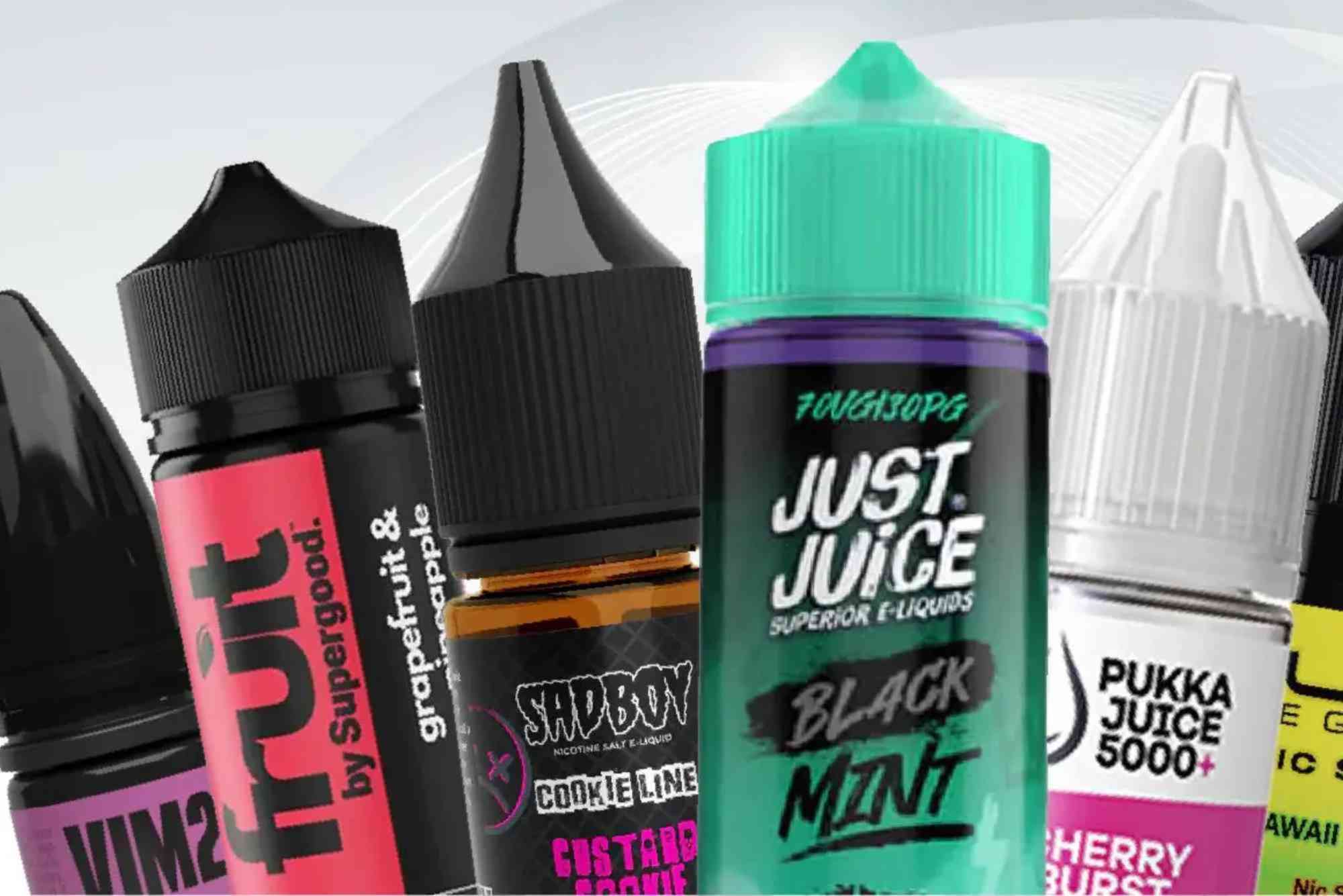
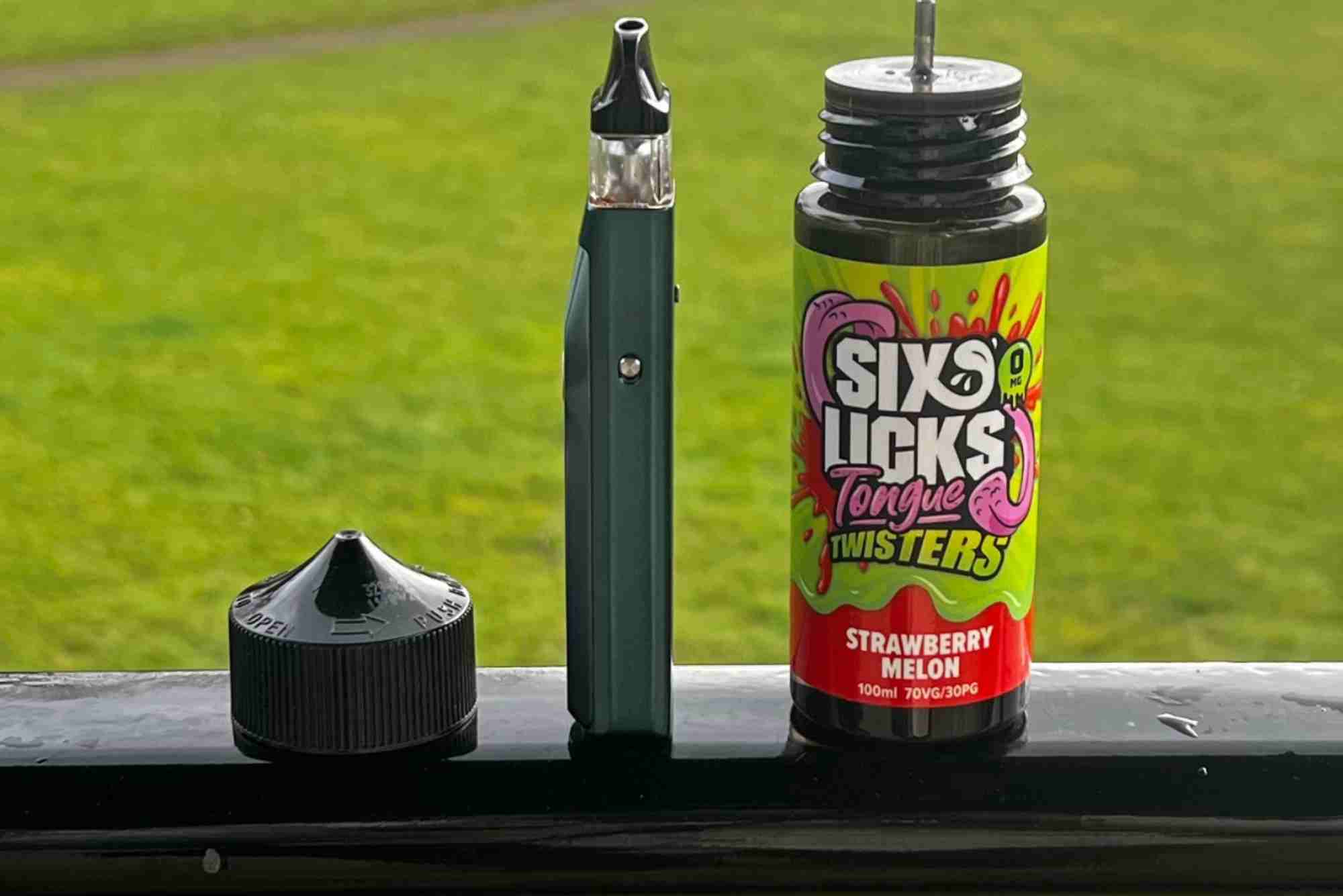
Flavours give vape liquid its characteristic taste. They can mimic fruits, desserts, menthol, and more. Most flavoured liquids combine nicotine, propylene glycol (PG), vegetable glycerin (VG), and flavouring agents. PG carries flavour stronger; VG produces thicker vapor.
Why Flavour Variety Exists
Different people enjoy different tastes. Flavours also help mask the natural taste of PG and VG, which can be unpleasant to some users. Flavours influence throat feel, sweetness, and how long the taste lingers.
Popular Vape Flavour Categories
Fruit Flavours
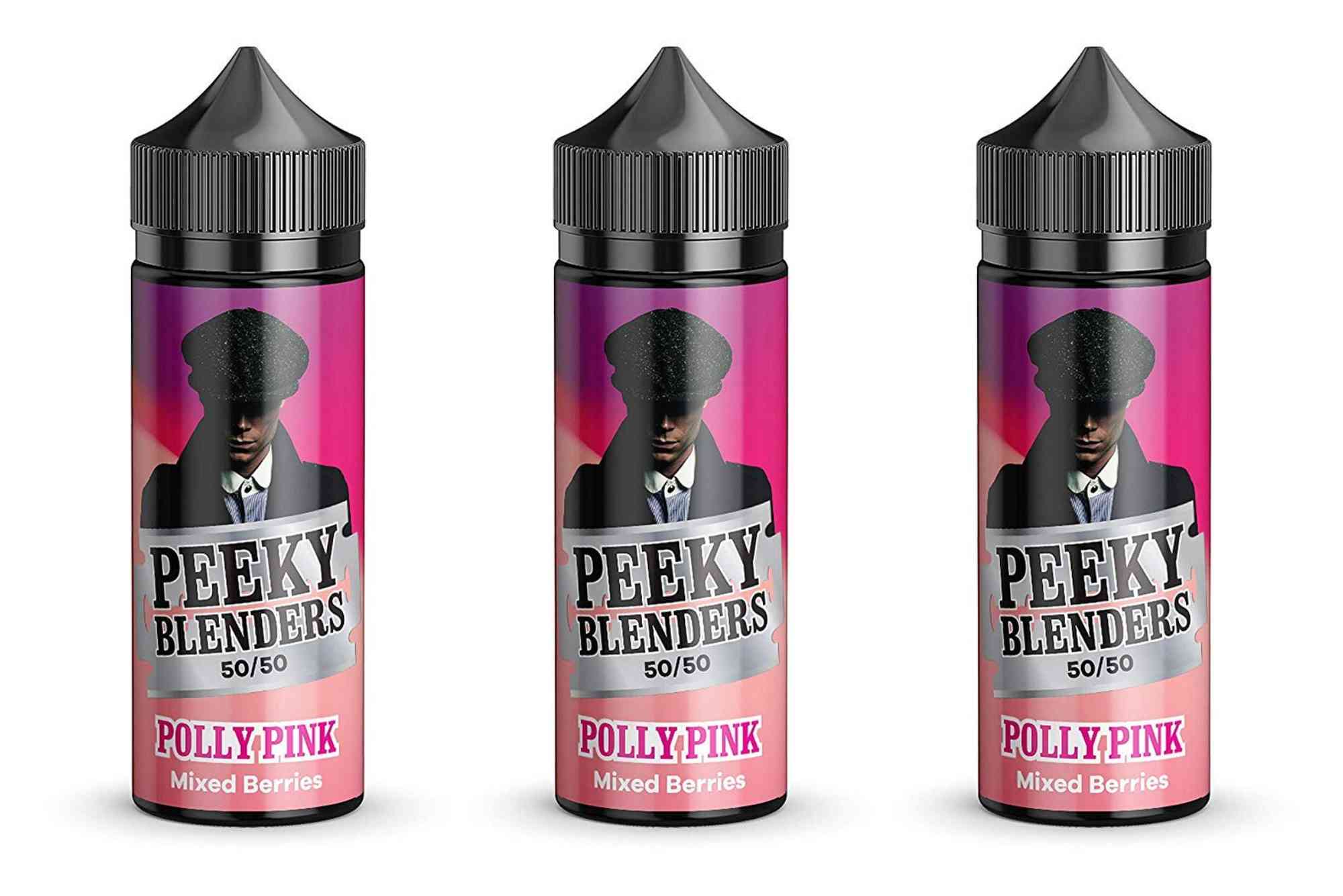
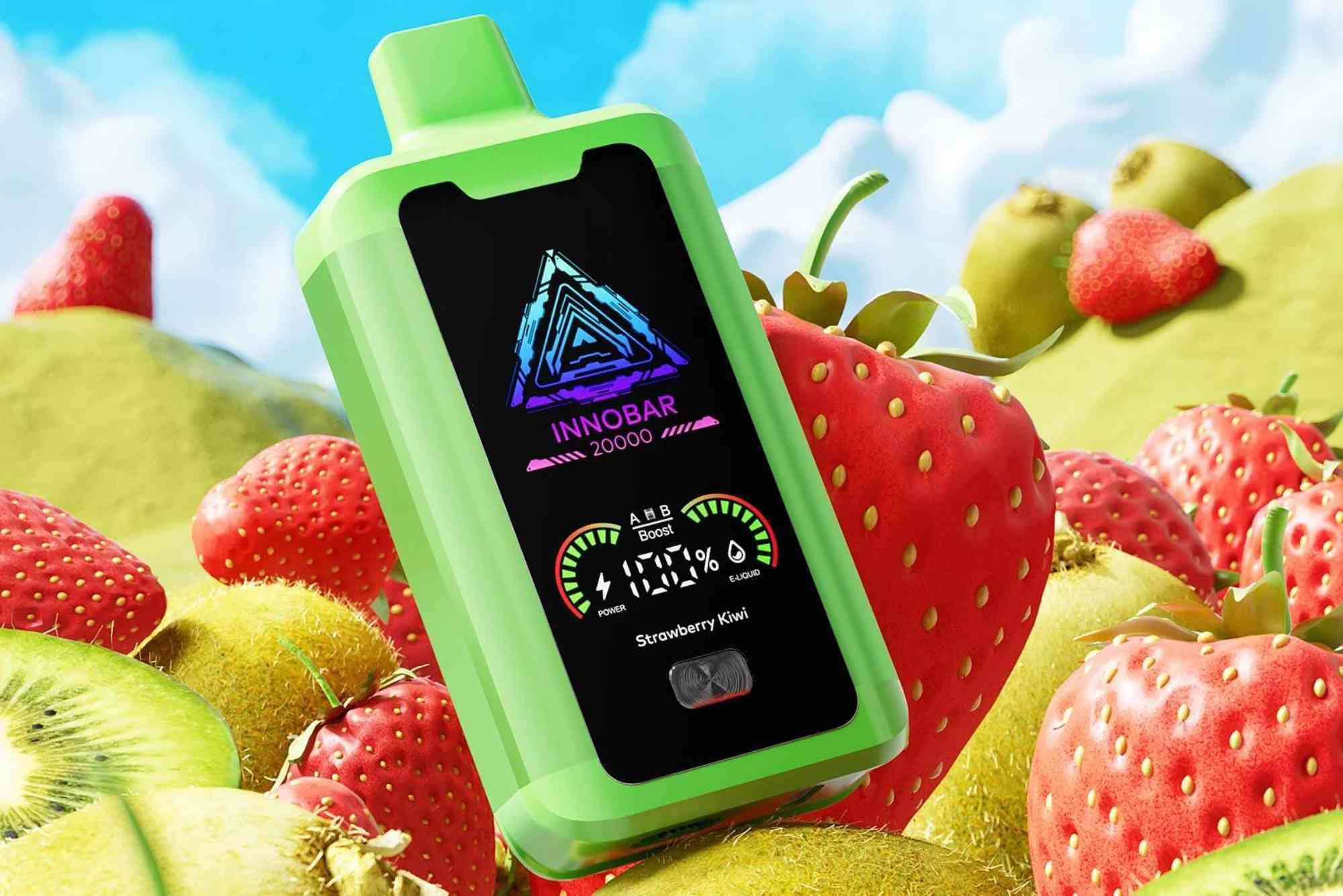
Fruit flavours are among the most widespread. They include profiles like strawberry, mango, and mixed berries.
How Fruit Flavours Vape
Fruit flavours tend to be bright and crisp. They often provide a light throat sensation. The vapour tastes sweet and refreshing without being heavy. People who prefer lighter, aromatic sensations often choose fruit profiles.

Dessert and Sweet Flavours
Dessert flavours range from vanilla custard to caramel latte.
How Dessert Flavours Vape
These profiles are rich and creamy. They may feel heavier on the palate and provide a smooth hit. The sweetness can linger longer than fruit flavours. Vapor density can be thicker, especially with higher VG blends.
Menthol and Mint Flavours
Menthol or mint profiles deliver a cooling effect.
How Menthol Flavours Vape
Menthol flavours produce a sharp, cool throat sensation. They can feel invigorating and refreshing. The cooling factor can mask harsher throat hits from higher nicotine levels. Some users find these flavours soothing.
Beverage‑Inspired Flavours
Profiles like cola, coffee, or energy drink try to mimic drinks.
How Beverage Flavours Vape
These flavours are unique because they blend sweetness with familiar scent profiles. The throat feel varies with individual flavouring intensity. Some vapers enjoy these for novelty.
Tobacco‑Inspired Flavours
These are designed to resemble traditional tobacco.
How Tobacco Flavours Vape
Tobacco flavours are often more earthy or smoky. They tend to have a fuller mouthfeel. People new to vaping or former smokers sometimes choose them to mirror previous habits.
How Flavours Affect the Vaping Experience
Throat Hit
Flavours with menthol or spicy notes can increase the perceived throat hit. Sweeter or creamy profiles may soften it.
Vapor Production
VG‑rich blends often pair well with dessert or fruit flavours to produce thicker vapor. Flavours themselves do not create vapor but can change how satisfying that vapor feels.
Taste Longevity
Some flavours dissipate faster. Fruity profiles can taste lighter, fading sooner. Dessert or rich‑tasting profiles often linger longer.
Sensory Satisfaction
People report that flavour enjoyment can affect how often they vape and for how long. Palate fatigue — when the flavour becomes less enjoyable over time — can happen with very strong or very subtle profiles.
Health Context and Caution
Vaping carries health risks, especially for non‑smokers, young people, and people with respiratory conditions. Flavours and additives may cause irritation or unknown effects when inhaled. Independent research into long‑term effects of flavouring chemicals is still emerging.
The safest choice for lung health is to avoid inhaling vaporized substances other than medical treatments under professional guidance. If you or someone you know uses these products and wants to quit, seek support from healthcare professionals.
FAQs
Are vape flavours safe to inhale?
There is no definitive evidence that inhaling flavouring compounds is completely safe. Some ingredients can irritate airways. Research is ongoing.
Why do people prefer certain vape flavours?
Taste preference varies by individual. Some enjoy fruity tastes; others like creamy or cooling sensations. Flavours can change how satisfying the experience feels.
Do different flavours affect health differently?
Potentially. Some flavouring agents may break down into harmful compounds when heated. Scientists continue to study long‑term effects.
Can flavours influence vaping behavior?
Yes. Flavours can make vapor more pleasurable, possibly encouraging more frequent use. That can increase exposure to nicotine and other chemicals.
How do flavouring chemicals interact with heat?
Heating can change chemical structures. Some compounds may produce irritants when vaporized. This is one reason health experts caution against vaping.
Vape flavours shape how vaping feels and tastes. They influence throat hit, vapor perception, and sensory satisfaction. Understanding these differences can help you evaluate why flavours matter and how they play into user choices.
From fruit and dessert profiles to menthol and tobacco inspirations, each category offers unique characteristics. However, it’s essential to approach vaping knowledgeably. Health risks remain, and avoiding inhaling any vaporized substances is the safest option.