Introudction
Vaping has become a major part of the U.S. nicotine market, but the rules surrounding e-cigarettes can be confusing. Products that look similar may have very different legal statuses, while federal and state requirements can change over time. Understanding the FDA vape rules is therefore important for anyone who uses, purchases, sells, or follows the e-cigarette market.
The U.S. Food and Drug Administration (FDA) regulates electronic cigarettes, vape pens, e-liquids, and other electronic nicotine delivery systems (ENDS) as tobacco products. Federal law also establishes a minimum purchase age of 21 and requires certain retailers to verify identification.
One of the biggest points consumers should understand is that FDA regulation does not mean every vape product available in a store is authorized. In fact, the FDA states that its authorized e-cigarette products are the only e-cigarettes that may currently be lawfully sold in the United States.
For a broader explanation of the regulatory framework, see this FDA e-cigarette regulation overview.
What Are the FDA Vape Rules?
The FDA vape rules are part of the federal tobacco regulatory system created under the Family Smoking Prevention and Tobacco Control Act and expanded through the FDA’s 2016 Deeming Rule. That framework brought products such as e-cigarettes, vape pens, e-liquids, and other ENDS products under FDA tobacco authority.
The regulations affect manufacturers, importers, distributors, and retailers. Consumers are generally affected through rules governing the legal sale, marketing, labeling, and availability of vaping products.

A critical distinction is that FDA regulation does not mean vaping products are considered safe. The FDA specifically states that authorization to market an e-cigarette does not mean the product is “FDA approved” or safe. Tobacco products can be harmful and potentially addictive.
This distinction matters because consumers sometimes interpret the phrase “FDA authorized” as a health endorsement. It is not.
Who Can Legally Buy Vape Products?
One of the clearest FDA vape rules concerns age.
Federal law prohibits retailers from selling tobacco products, including e-cigarettes and e-liquids, to anyone under 21. The federal minimum age applies nationwide, with no federal exemption for people ages 18 to 20.
The rule covers products containing nicotine from both tobacco and non-tobacco sources. This means synthetic or other non-tobacco nicotine does not create a federal age exception.
Retailers also have identification requirements. Under the FDA’s current retail rules, sellers must check photo identification for customers who appear to be under 30 when they attempt to purchase covered tobacco products, including e-cigarettes and e-liquids.
Why the Age Rule Matters
The federal age requirement is designed primarily to reduce youth access to nicotine products. Nicotine can be addictive, and preventing sales to minors is a central part of the federal tobacco regulatory framework.
For adults, the practical takeaway is simple: being 18 or 19 does not make someone eligible to purchase an e-cigarette under federal law. The federal minimum purchase age is 21.
Are All Vapes Legal Under FDA Rules?
No. This is one of the most important things to understand about the FDA vape rules.
The FDA maintains an authorized e-cigarette list and states that only authorized e-cigarettes may lawfully be sold in the United States. As of August 2026, the FDA’s current authorized list contains 45 e-cigarettes.
The agency also maintains a searchable tobacco products database intended to help identify tobacco products that may legally be marketed.
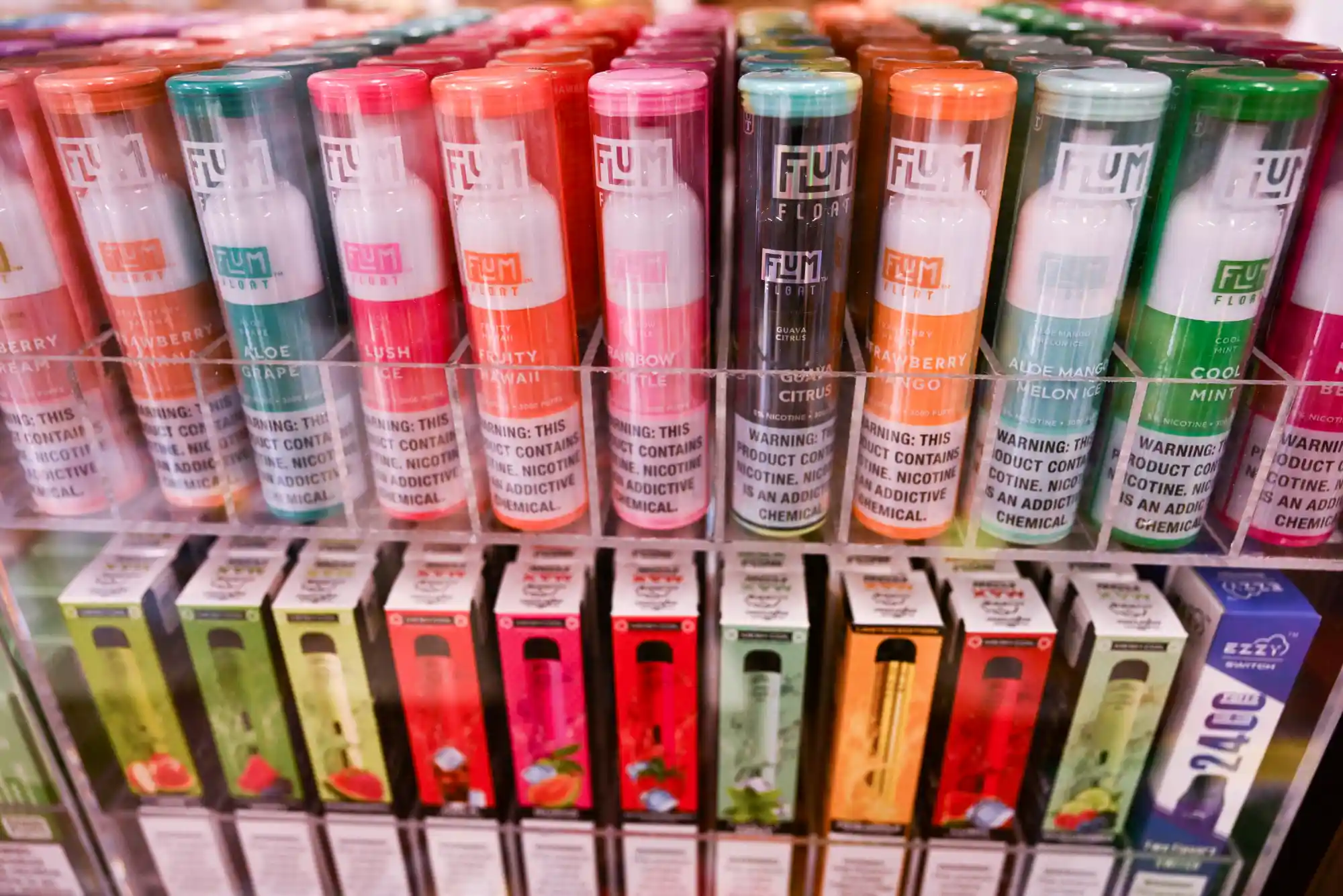
This creates an important difference between products that are physically available and products that are legally authorized. A vape may appear on a store shelf, website, social media page, or marketplace without necessarily having FDA marketing authorization.
What Does FDA Authorization Actually Mean?
FDA authorization means the agency has reviewed the product through an applicable tobacco product marketing pathway and issued an order allowing it to be marketed.
For many new ENDS products, the relevant pathway is the Premarket Tobacco Product Application, commonly known as PMTA. Manufacturers seeking to market a new tobacco product generally need FDA authorization before introducing it to the U.S. market.
Authorization should not be confused with FDA approval in the way prescription medicines are approved. The FDA explicitly warns that authorized e-cigarettes are not thereby considered safe or “FDA approved.”
What Changed in the FDA Vape Rules in 2026?
The U.S. vaping market continues to change as the FDA reviews tobacco product applications and takes enforcement action against unauthorized products.
In May 2026, the FDA authorized four additional Glas electronic nicotine delivery systems through the PMTA pathway. The products were tobacco-derived nicotine e-liquid pods in Classic Menthol, Fresh Menthol, Gold, and Sapphire varieties.
The FDA has also emphasized enforcement against unauthorized ENDS products. According to the agency, new tobacco products that are marketed without the required authorization can be considered adulterated and misbranded and may be subject to enforcement action.
This means consumers should not assume that a popular product is automatically legal simply because it is widely available.
How Do FDA Vape Rules Affect Vape Shops?
Although consumers encounter the rules at the point of purchase, the regulatory burden is particularly significant for retailers and manufacturers.
A vape shop that simply sells legally marketed products can be regulated as a retailer. However, a business that mixes e-liquids, prepares nicotine-containing liquids, or manufactures or modifies ENDS products may also fall within the FDA’s definition of a tobacco product manufacturer.
That distinction can be important.
For example, modifying a vaping device or preparing e-liquid for sale is not necessarily treated the same way as selling an already manufactured product. Businesses involved in these activities may have additional regulatory responsibilities.
Retailers must also follow federal requirements concerning age verification, vending machines, free samples, package warnings, and advertising.
What About Flavored Vape Products?
Flavored vaping products have received significant regulatory attention because of concerns about youth use.
The legal status of a flavored vape cannot be determined simply by its flavor. Instead, consumers and retailers need to determine whether the specific product has the necessary FDA marketing authorization and complies with applicable federal and state requirements.
This is especially important for disposable products, which have become a significant part of the modern vaping market.
Rather than relying on packaging claims such as “premium,” “compliant,” or “FDA registered,” consumers should verify the actual regulatory status of a product through FDA resources.
A product being “registered” with the FDA is also not necessarily the same as having marketing authorization. Registration, listing, or inclusion in a regulatory database should not automatically be interpreted as FDA authorization to market a tobacco product.
Do FDA Vape Rules Apply to Synthetic Nicotine?
Yes.
The FDA regulates tobacco products containing nicotine from any source, including non-tobacco nicotine. The agency has specifically stated that products containing synthetic or other non-tobacco nicotine fall within its tobacco regulatory authority.
This is important because some consumers may assume that a product labeled “tobacco-free nicotine” falls outside federal tobacco regulation.
It does not.
The regulatory status depends on the applicable legal definition and requirements, rather than simply whether the nicotine originated from a tobacco plant.
Do FDA Vape Rules Mean Vaping Is Safe?
No.
This is perhaps the most important health-related clarification in any discussion of the FDA vape rules.
FDA authorization addresses whether a tobacco product may legally be marketed. It does not mean the product is harmless.
The FDA states that all tobacco products are harmful and potentially addictive and advises people who do not use tobacco products not to start.
For someone who already uses nicotine, the health considerations can be more complicated than simply asking whether a particular vape is “FDA approved.” Product authorization and personal health decisions are separate issues.
Anyone considering vaping as an alternative to smoking should discuss cessation or nicotine-use options with an appropriate healthcare professional.
How Can Consumers Check Whether a Vape Is Authorized?
The safest approach is to verify the specific product rather than relying on advertising or retailer claims.
The FDA publishes an updated list of authorized e-cigarettes and also provides a searchable tobacco products database. The agency says it intends to update the authorized e-cigarette page when new products receive authorization.
When checking a product, pay attention to the exact manufacturer, product name, device, cartridge or pod, and nicotine formulation where applicable. A brand may have one authorized product while other products under the same brand are not authorized.
This is particularly important because a familiar brand name alone does not establish that every product carrying that name has FDA authorization.
Federal Rules Are Not the Whole Story
Another important point is that federal FDA vape rules are only one part of the legal picture.
States, counties, and cities can impose additional requirements concerning tobacco sales, flavors, licensing, taxes, online sales, retail locations, and other issues. These rules can be stricter than federal requirements.
For example, meeting the federal minimum age requirement does not necessarily tell you everything about where or how a product may be sold in a particular state or municipality.
Consumers therefore need to distinguish between federal FDA requirements and state or local tobacco laws.
Retailers face an even greater responsibility because noncompliance can potentially result in regulatory action. The FDA uses warning letters and other enforcement mechanisms against businesses that violate applicable tobacco requirements.
What Vape Users Should Remember in 2026
The modern vaping market is changing quickly, and regulatory status can change with it. The most reliable approach is to focus on official FDA information rather than social media claims, retailer descriptions, or assumptions based on popularity.
The key principle is straightforward: an e-cigarette being sold somewhere does not automatically mean it is authorized for lawful sale in the United States.
Consumers should also remember that “FDA authorized” does not mean “safe.” FDA authorization is a regulatory determination about marketing, not a guarantee that using the product carries no health risks.
For adults who legally purchase tobacco products, checking the product’s current FDA status can help avoid confusion as the market evolves.
Stay Informed About FDA Vape Rules
Understanding the FDA vape rules is increasingly important as the U.S. vaping market continues to evolve. Federal law establishes a minimum purchase age of 21, regulates manufacturers and retailers, and requires appropriate authorization for new tobacco products before they can legally be marketed.
The most important consumer lesson is to distinguish between a product being available and a product being legally authorized. The FDA’s official databases and authorized-product lists provide a better source of information than advertising claims or assumptions based on popularity.
Understanding the Latest U.S. Vape Regulations in 2026 is essential for consumers and businesses navigating changing federal and state requirements. From product authorization and labeling to age restrictions and sales rules, staying informed helps ensure compliance, avoid penalties, and make responsible decisions in the evolving U.S. vape market.
FAQs
Are vapes FDA approved?
The FDA generally does not describe authorized e-cigarettes as “FDA approved.” Instead, certain products receive FDA marketing authorization. The agency specifically states that authorization does not mean an e-cigarette is safe or “FDA approved.”
What vapes are FDA approved?
The more accurate question is which e-cigarettes are FDA authorized for marketing. The FDA maintains an official list of authorized e-cigarettes, and as of August 2026, that list contains 45 products.
Can you buy a vape at 18 in the United States?
No. Federal law prohibits retailers from selling tobacco products, including e-cigarettes and e-liquids, to anyone under 21. There is no federal military or other exemption for people ages 18 to 20.
Does the FDA regulate disposable vapes?
Yes. Disposable electronic cigarettes are generally electronic nicotine delivery systems and fall under FDA tobacco-product authority when they meet the applicable definition. The legal status of an individual disposable vape depends on whether it satisfies applicable requirements, including marketing authorization where required.
Does the FDA regulate synthetic nicotine vapes?
Yes. FDA tobacco authority covers tobacco products containing nicotine from any source, including non-tobacco nicotine.
Can I trust a vape that is sold in a store?
Not necessarily. Physical availability does not by itself prove that a product has FDA marketing authorization. Consumers can check the FDA’s authorized e-cigarette list and searchable tobacco products database for current regulatory information.
Vaporcrafts is a helpful online destination for people interested in learning more about vaping products, trends, and related information. Whether you are exploring new options or looking for useful vaping insights, Vaporcrafts offers accessible resources designed to make your search easier. Visit Vaporcrafts to discover more and explore its latest content.
Related Reading: Puff JNR 16K Review: Everything You Should Know Before Buying
Related Reading: Vape Product Recalls and Customer Protection
Related Reading: What Retailers Need to Know About Vape Labeling Laws — full guide
Related Reading: Vape Import Rules and How They Affect Global Brands