Introduction
The vape industry continues to evolve rapidly, and 2026 is shaping up to be another pivotal year for manufacturers, retailers, and consumers alike. Governments worldwide are refining their approaches to electronic nicotine delivery systems, balancing public health concerns with the growing demand for harm reduction alternatives. As regulations become more comprehensive, businesses that fail to adapt may face costly penalties, while informed consumers will be better equipped to understand how these changes affect product availability and safety.
Whether you own a vape business, work in product development, or simply use vaping products, staying informed about Vape Regulatory Trends to Watch in 2026 is more important than ever. Regulatory agencies are focusing on product quality, youth prevention, manufacturing standards, marketing restrictions, and environmental sustainability. Understanding these developments can help businesses remain compliant while giving consumers greater confidence in the products they purchase.
One of the most important resources for understanding U.S. vaping laws is the FDA e-cigarette regulation overview, which explains current federal requirements for electronic nicotine delivery systems.
Why Vape Regulations Continue to Change
The vape market has expanded significantly over the past decade, prompting regulators to update policies in response to evolving scientific evidence and consumer behavior. Initially, many countries lacked comprehensive legislation covering vaping products. Today, governments recognize the need for clear standards that protect consumers while ensuring manufacturers meet strict safety requirements.
Regulatory authorities continue to monitor emerging research on vaping, nicotine addiction, youth usage rates, and product safety. This ongoing research influences future legislation, making regulatory compliance an ongoing process rather than a one-time requirement.
For businesses, keeping pace with changing regulations is essential for maintaining market access and consumer trust.

Greater Focus on Product Authorization
One of the biggest Vape Regulatory Trends to Watch in 2026 is the continued emphasis on product authorization before market entry. Regulators increasingly require manufacturers to demonstrate that new vaping products meet established public health standards before being sold.
Authorities are placing greater scrutiny on product ingredients, emissions testing, nicotine concentrations, manufacturing consistency, and toxicological assessments. Companies that invest in scientific research and product documentation are more likely to navigate approval processes successfully.
Consumers also benefit from stronger authorization standards because approved products undergo more extensive safety evaluations.
Stricter Manufacturing Standards
Manufacturing quality is receiving unprecedented attention in 2026. Regulatory agencies are expanding inspections and introducing more detailed production requirements designed to improve consistency and product safety.
Manufacturers are expected to maintain detailed quality control systems, implement standardized testing procedures, and document every stage of production. Clean manufacturing environments, ingredient traceability, and batch testing are becoming standard expectations across many markets.
Companies with established quality management systems will likely find compliance easier as regulations continue to evolve.
Flavor Regulations Remain a Major Topic
Flavor restrictions continue to dominate discussions surrounding vaping regulation worldwide. While adult consumers often prefer flavored products as alternatives to traditional cigarettes, policymakers remain concerned about youth appeal.
Rather than implementing universal bans, many governments are adopting more targeted approaches that focus on marketing practices, product labeling, and retail restrictions. Some jurisdictions continue allowing certain flavors while limiting others based on local public health objectives.
Businesses should closely monitor regional requirements because flavor regulations vary significantly between countries and even within individual states or provinces.
Packaging and Labeling Requirements Become More Detailed
Another important aspect of Vape Regulatory Trends to Watch in 2026 involves enhanced packaging standards. Regulators increasingly require clear, standardized labeling that helps consumers make informed purchasing decisions.
Labels may include nicotine concentration, ingredient disclosures, manufacturer information, health warnings, age restrictions, batch identification numbers, and disposal instructions.
Improved labeling benefits both consumers and regulators by increasing transparency while making counterfeit products easier to identify.
Youth Protection Measures Continue Expanding
Protecting young people remains one of the highest priorities for regulators around the world. In 2026, governments are expected to strengthen measures that reduce underage access to vaping products.
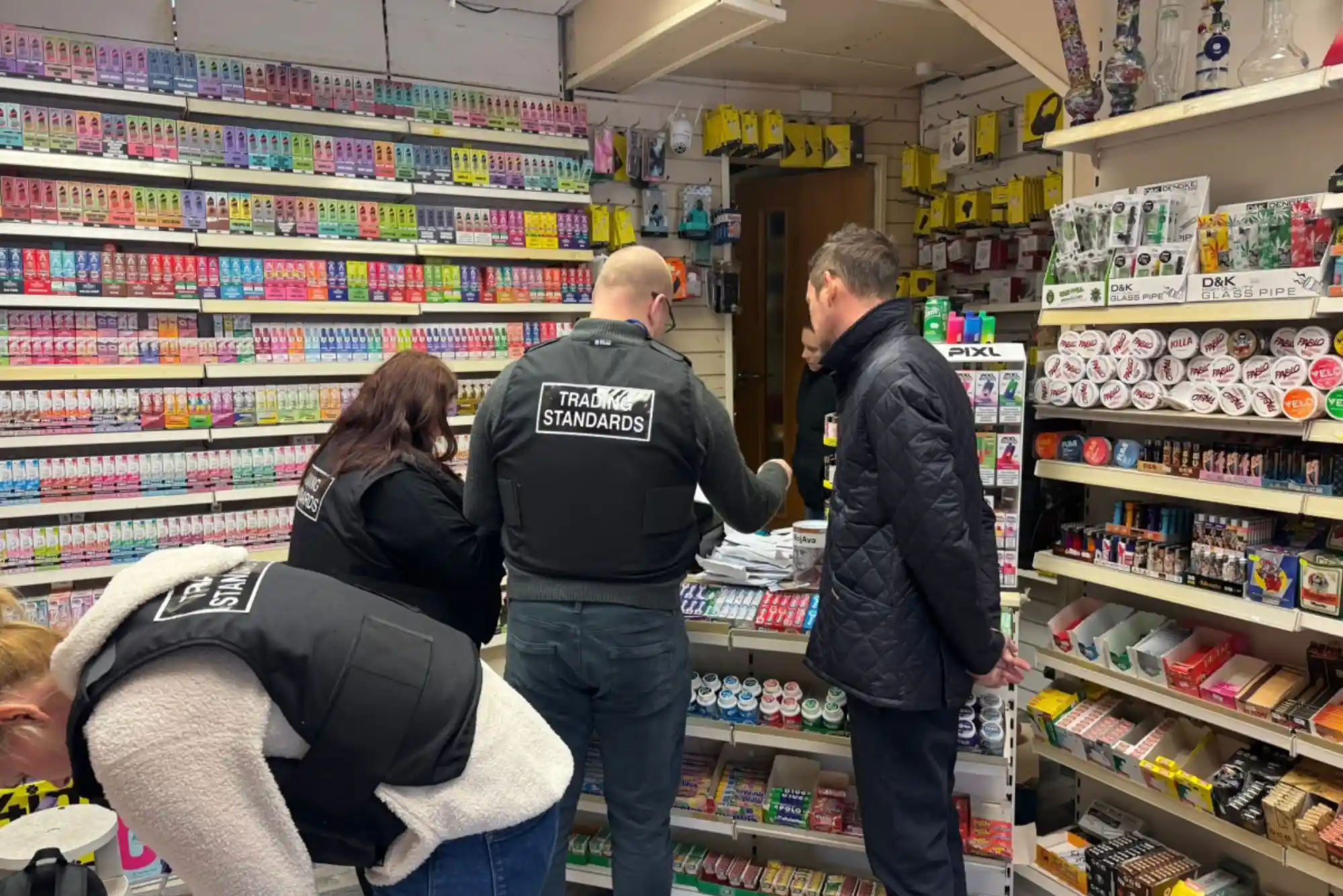
These efforts include stricter age verification systems, enhanced retailer compliance programs, tighter online sales verification, and stronger enforcement against businesses that sell products to minors.
Digital marketing also continues receiving close scrutiny. Companies must ensure advertising does not target or appeal to underage audiences through imagery, influencers, or promotional campaigns.
Responsible marketing has become an essential component of long-term regulatory compliance.
Environmental Regulations Gain Momentum
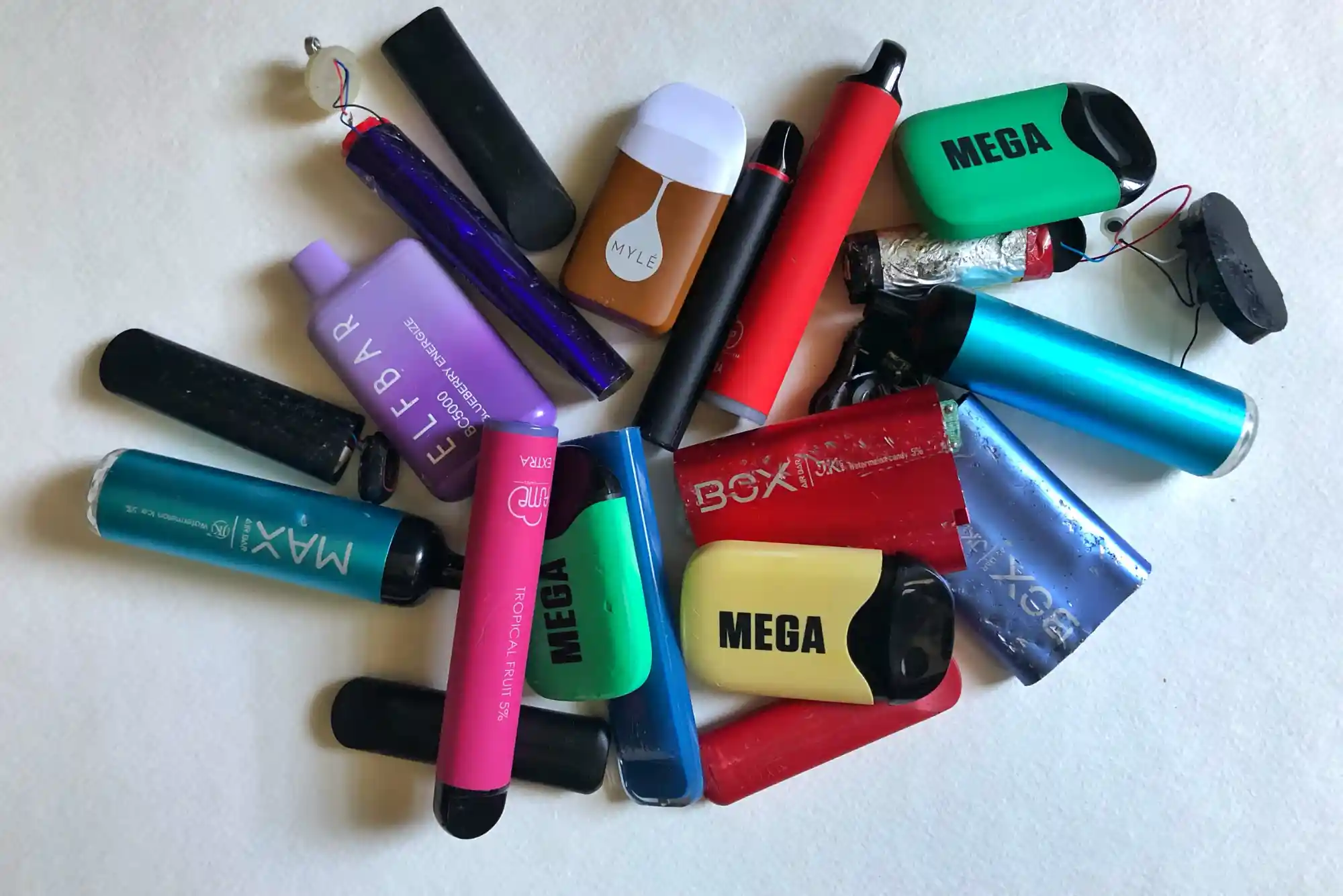
Environmental sustainability is emerging as a significant regulatory priority within the vaping industry. Disposable vape products have attracted growing attention due to concerns about electronic waste, lithium batteries, and plastic pollution.
Regulators are encouraging manufacturers to develop more sustainable products by improving recyclability, reducing unnecessary packaging, and establishing responsible disposal programs.
Many companies are investing in refillable systems, recyclable materials, and battery recovery initiatives to align with future environmental expectations.
Sustainability is no longer simply a competitive advantage—it is becoming an important compliance consideration.
Cross-Border Compliance Becomes More Complex
International vape businesses face increasing regulatory complexity because each country maintains unique legal requirements.
Product registrations, ingredient restrictions, nicotine concentration limits, advertising regulations, customs documentation, and import certifications often differ substantially between markets.
Businesses expanding internationally must carefully evaluate each country’s regulatory framework before launching products. Compliance strategies that work in one region may not satisfy requirements elsewhere.
Working with regulatory specialists and maintaining updated documentation helps reduce compliance risks.
Digital Sales Face Additional Oversight
Online vape sales continue growing, prompting regulators to strengthen oversight of digital commerce platforms.
Authorities increasingly expect online retailers to verify customer age effectively, display accurate product information, comply with marketing restrictions, and maintain transaction records when required by law.
Social media promotions also receive greater regulatory attention. Businesses must ensure influencer partnerships and digital advertising comply with applicable marketing rules.
Companies investing in transparent online sales practices are likely to remain better positioned as regulations continue evolving.
Scientific Evidence Drives Future Policies
Modern vape regulation increasingly relies on scientific evidence rather than assumptions alone. Regulators are reviewing clinical studies, toxicological research, behavioral science, and population-level data before implementing major policy changes.
Manufacturers that conduct independent research, publish scientific findings, and invest in product testing may gain regulatory advantages by demonstrating product safety and consistency.
Evidence-based policymaking also provides greater predictability for responsible businesses planning future product development.
Compliance Will Become a Competitive Advantage
As regulations become more comprehensive, compliance itself is evolving into a competitive differentiator.
Consumers increasingly prefer purchasing products from manufacturers that openly demonstrate regulatory compliance, quality assurance, and transparent manufacturing processes.
Retailers also tend to prioritize suppliers with complete regulatory documentation, reducing legal risks while strengthening customer confidence.
Businesses that embrace compliance proactively rather than reactively will likely enjoy stronger long-term market stability.
Preparing for Future Regulatory Changes
The most successful vape companies treat regulatory compliance as an ongoing business strategy rather than a periodic obligation.
Regular monitoring of legislative developments, investment in product testing, employee training, legal consultation, and documentation management all contribute to long-term success.
Vape Federal Licensing Application Process is an important step for businesses entering the vaping industry, requiring compliance with federal regulations, accurate documentation, and timely submissions. Understanding the application process helps companies avoid delays, maintain legal operations, and build trust with customers while meeting all licensing requirements.
FAQs
What are the biggest vape regulatory trends in 2026?
The biggest trends include stricter product authorization, stronger manufacturing standards, enhanced age verification, improved labeling requirements, environmental regulations for disposable devices, and increased oversight of online sales.
Will more vape flavors be banned in 2026?
Some regions may introduce additional flavor restrictions, while others may focus on tighter marketing rules instead of complete bans. Regulations vary significantly depending on local laws.
How does the FDA regulate vaping products?
The FDA reviews vaping products through scientific evaluation, requiring manufacturers to demonstrate that products meet public health standards before receiving marketing authorization.
Are online vape sales becoming more regulated?
Yes. Many governments are strengthening age verification requirements, advertising restrictions, and compliance standards for online vape retailers.
Why are environmental regulations affecting vape products?
Disposable vape devices generate electronic waste and battery disposal concerns. Regulators are encouraging more sustainable product designs and recycling initiatives to reduce environmental impact.
VaporCrafts is your trusted source for vaping insights, expert guides, and the latest industry trends. Whether you’re new to vaping or an experienced enthusiast, you’ll find helpful articles, product information, and practical tips to enhance your experience.
Related Reading: Vape Product Recalls and Customer Protection — full guide