Introduction
The Vape Federal Licensing Application Process is one of the most important topics for anyone planning to manufacture, import, distribute, or sell vaping products in the United States. While many new business owners believe obtaining a single federal vape license is enough, the reality is more complex. Federal regulations, state licensing requirements, product authorization, and ongoing compliance all work together to determine whether a vape business can legally operate.
Understanding the application process before launching your business can save significant time, money, and legal complications. Federal agencies, particularly the U.S. Food and Drug Administration (FDA), closely regulate electronic nicotine delivery systems (ENDS), requiring businesses to meet strict standards related to product safety, manufacturing, labeling, marketing, and reporting.
Whether you are opening a vape brand, importing disposable vapes, manufacturing e-liquids, or expanding an existing tobacco business, understanding the Vape Federal Licensing Application Process helps ensure your company remains compliant from day one.
Understanding the Vape Federal Licensing Application Process
The phrase Vape Federal Licensing Application Process often causes confusion because there is no universal federal vape retail license issued by a single government office. Instead, businesses must satisfy several federal registration and regulatory obligations depending on their role in the industry.
Manufacturers, importers, and product developers generally face more federal requirements than retail vape stores. Businesses involved in creating new vaping products must comply with FDA regulations, product registration, ingredient reporting, manufacturing standards, and premarket authorization before products can legally enter the U.S. market.
Retail businesses usually focus more heavily on state licensing, tax registration, age verification, and local business permits, although they must still follow federal tobacco regulations.

Why Federal Compliance Matters
Federal compliance is not simply a legal requirement. It protects public health while creating consistent standards across the vaping industry.
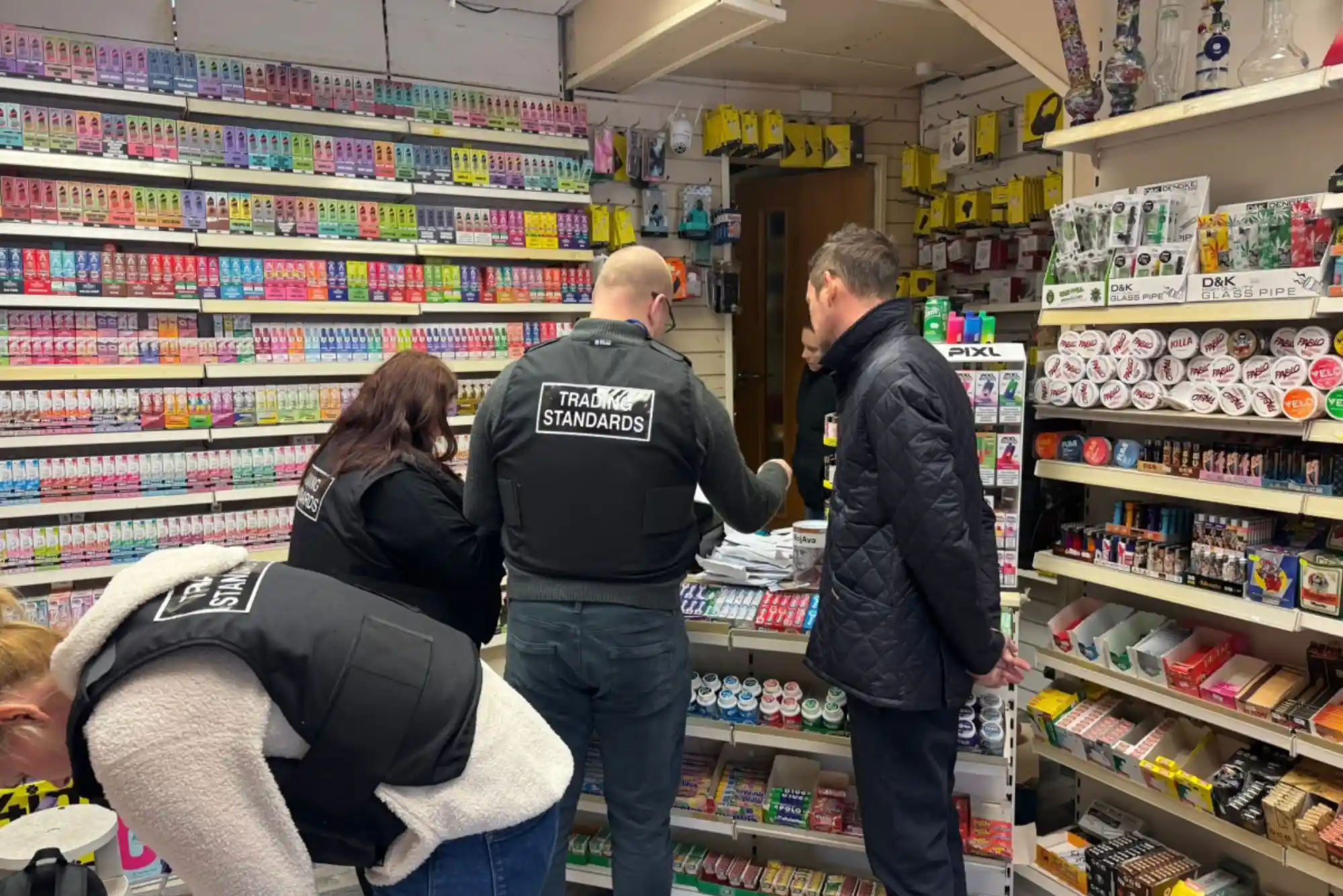
Businesses that ignore federal regulations may face product seizures, warning letters, civil penalties, import restrictions, or removal of products from the marketplace. Proper compliance also improves credibility with wholesalers, retailers, investors, and consumers.
Companies that understand the Vape Federal Licensing Application Process from the beginning often experience smoother expansion into additional states and markets because their compliance systems are already established.
Who Must Follow Federal Vape Regulations?
Federal regulations apply to several categories of businesses throughout the vaping supply chain.
Manufacturers producing vaping devices or e-liquids must register their facilities and comply with product submission requirements.
Importers bringing vape products into the United States must ensure imported products satisfy FDA requirements before distribution.
Brand owners selling products under private labels remain responsible for regulatory compliance even if another company manufactures the products.
Online sellers must verify customer ages while following both federal and state tobacco regulations.
Distributors and wholesalers also have compliance responsibilities regarding product handling, recordkeeping, and authorized product distribution.
FDA Oversight of Vape Products
The FDA regulates electronic nicotine delivery systems under federal tobacco laws. This includes disposable vapes, refillable devices, cartridges, pods, bottled e-liquids, nicotine-containing products, and many components intended for vaping.
Businesses should become familiar with the FDA e-cigarette regulation overview before beginning the application process because it explains how federal oversight affects manufacturers, importers, and retailers.
Understanding these regulations early prevents businesses from investing heavily in products that may later fail to meet regulatory standards.
Federal Registration Requirements
Although people frequently search for a federal vape license, federal compliance generally involves multiple registration requirements rather than one license.
Manufacturing facilities typically must register with the FDA while submitting product listings that identify the tobacco products they manufacture.
Businesses must also maintain accurate records regarding ingredients, manufacturing locations, labeling, packaging, and product modifications.
Depending on the products involved, additional federal reporting obligations may also apply throughout the product lifecycle.
Premarket Tobacco Product Applications
One of the most important parts of the Vape Federal Licensing Application Process involves Premarket Tobacco Product Applications, commonly called PMTAs.
Before many new vaping products can legally remain on the U.S. market, manufacturers must demonstrate that marketing the product is appropriate for protecting public health.
This process requires extensive scientific evidence, toxicological studies, behavioral research, product chemistry, engineering documentation, and manufacturing information.
Preparing these applications often requires months of work and substantial regulatory expertise.
Manufacturing Standards
Federal regulators expect manufacturers to implement consistent production standards that help ensure product quality and consumer safety.
Manufacturing facilities should maintain documented quality control systems, employee training procedures, equipment maintenance schedules, sanitation protocols, raw material verification, and batch testing where appropriate.
Well-organized manufacturing practices also simplify future inspections and regulatory reviews.
Ingredient Reporting Requirements
Manufacturers are responsible for maintaining complete documentation regarding ingredients used in vape products.
Ingredient reports may include nicotine concentrations, flavoring components, additives, solvents, and other materials involved in production.
Accurate reporting improves transparency while helping regulators evaluate product safety.
Businesses should carefully document any formula modifications because even small product changes may trigger additional regulatory obligations.
Product Labeling Compliance
Product labels represent another important element of federal compliance.
Labels should accurately identify product contents while including required warnings and avoiding misleading claims.
Marketing materials should never imply unauthorized health benefits, smoking cessation claims, or reduced health risks unless specifically authorized by regulators.
Clear labeling reduces legal risk while improving consumer confidence.
Age Verification Requirements
Federal law requires strict age verification procedures for vape product sales.
Retailers operating physical stores and online businesses must verify customer age before completing sales.
Many online retailers implement third-party identity verification systems that cross-reference public records to confirm customer eligibility.
Employee training also plays an essential role in preventing unlawful sales to underage customers.
Recordkeeping Responsibilities
Maintaining organized business records simplifies compliance throughout the Vape Federal Licensing Application Process.
Businesses should securely retain manufacturing records, distribution information, sales documentation, supplier contracts, inspection reports, quality control records, and regulatory correspondence.
Well-maintained documentation often becomes invaluable during inspections or regulatory inquiries.
Importing Vape Products
Importers face additional compliance obligations because imported products must satisfy both customs requirements and FDA regulations.
Before importing products, businesses should verify that manufacturers have completed applicable federal requirements.
Failure to confirm compliance may result in delayed shipments, refused entry, product detention, or costly financial losses.
Working closely with experienced customs brokers and regulatory consultants often reduces these risks.
State Licensing Alongside Federal Requirements
Federal compliance does not replace state licensing.
Most states require vape retailers, wholesalers, manufacturers, or distributors to obtain separate tobacco or vapor product licenses.
State rules vary considerably regarding licensing fees, renewal schedules, inspections, tax reporting, and operational requirements.
Businesses expanding nationwide should develop compliance systems that satisfy both federal and state obligations simultaneously.
Common Mistakes During the Application Process
Many businesses misunderstand the Vape Federal Licensing Application Process by assuming registration alone authorizes product sales.
Others overlook scientific documentation requirements, fail to maintain accurate manufacturing records, neglect labeling standards, or underestimate the complexity of FDA product reviews.
Some businesses also ignore ongoing compliance after initial registration, even though regulatory responsibilities continue throughout business operations.
Planning ahead significantly reduces these avoidable mistakes.
Preparing a Successful Compliance Strategy
Successful companies approach compliance as an ongoing business function rather than a one-time application.
Internal compliance teams should regularly review regulations, monitor product updates, conduct employee training, audit manufacturing procedures, and maintain organized documentation.
Working with experienced regulatory professionals during product development often reduces delays while improving application quality.
Compliance investments made early frequently save businesses considerable legal expenses later.
Future Changes in Federal Vape Regulations
Federal vape regulations continue evolving as public health research, technology, and consumer trends develop.
Manufacturers and retailers should regularly monitor FDA announcements, enforcement updates, and new guidance documents to ensure continued compliance.
Vaporcrafts is a leading platform dedicated to modern vaping culture, offering insightful guides, tips, and updates for both beginners and experienced users. Explore expert articles on devices, e-liquids, and vaping trends designed to enhance your knowledge and experience.
FAQs
Do I need a federal license to sell vape products?
There is no single federal retail vape license. However, businesses involved in manufacturing, importing, or distributing vape products must comply with various FDA registration and regulatory requirements, while retailers typically need state or local licenses.
How long does the Vape Federal Licensing Application Process take?
The timeline varies depending on the type of business and regulatory requirements. Simple registrations may take weeks, while product authorization through the FDA can require many months due to scientific review.
What documents are required for federal vape compliance?
Businesses may need facility registration information, product listings, ingredient reports, manufacturing documentation, labeling details, quality control records, and scientific evidence for product authorization where applicable.
Can I import vape products without FDA approval?
Imported vape products must comply with applicable FDA regulations before entering the U.S. market. Failure to meet federal requirements may result in shipment delays, detention, or refusal of entry.
Is FDA approval required for every vape product?
Many vape products require FDA premarket authorization before they can legally remain on the U.S. market. The specific requirements depend on the product type and applicable federal regulations.
What happens if a vape business fails to comply with federal regulations?
Non-compliance may lead to warning letters, civil penalties, product seizures, import restrictions, injunctions, or removal of products from the marketplace.
Vape Product Recalls and Customer Protection: Vape manufacturers and regulators issue product recalls when safety issues, contamination, or battery faults are found, ensuring users are protected from health risks; customers should always check recall notices, verify batch numbers, and follow official guidance for refunds or replacements to stay safe and informed in the vaping market globally now