Introduction
The U.S. vape market has never been a static industry. New devices appear, regulations evolve, flavors face restrictions, manufacturers adjust their product lines, and enforcement priorities can change how products reach consumers. For retailers, manufacturers, adult consumers, and publishers covering the industry, keeping up requires more than watching product launches. It requires understanding the regulatory and commercial forces shaping the market.
One of the biggest reasons for this constant change is the regulatory environment. The U.S. Food and Drug Administration (FDA) regulates electronic nicotine delivery systems (ENDS), including their manufacture, importation, packaging, labeling, advertising, distribution, and sale. New tobacco products generally need FDA marketing authorization before they can legally be marketed in the United States.
At the same time, federal rules are only part of the picture. States and local governments can introduce additional restrictions, creating a market where requirements can vary considerably from one location to another. This combination of federal oversight, state legislation, technology, enforcement, and changing consumer behavior explains why the U.S. vape market continues to shift.
Federal Regulation Is Reshaping the U.S. Vape Market
The FDA’s premarket tobacco product application, or PMTA, system is one of the most important forces influencing the U.S. vape market. Under this framework, manufacturers seeking to market new tobacco products must provide extensive information for FDA review.
The agency evaluates whether allowing a new tobacco product to be marketed would be appropriate for the protection of public health. The assessment considers the population as a whole, including current tobacco users and people who do not use tobacco.
For businesses, this means launching a new vape is no longer simply a product-development exercise. Companies must consider regulatory documentation, scientific evidence, manufacturing information, product characteristics, and marketing practices.

Consumers can learn more about the regulatory framework through the FDA e-cigarette regulation overview, which provides federal information about e-cigarettes and other ENDS products.
The Authorized Product List Matters
Another important development is the FDA’s continuing publication of authorized e-cigarette products. As of September 2026, the agency states that 48 e-cigarettes are authorized for lawful sale in the United States. FDA also emphasizes that authorization does not mean a tobacco product is safe or “FDA approved.”
That distinction matters because “FDA authorized” and “FDA approved” are not interchangeable terms. Tobacco products are evaluated under a public-health standard rather than the safety-and-effectiveness standard used for medicines.
As new marketing orders are issued and other products receive denial orders or enforcement attention, the commercial landscape can change quickly.
FDA Policy Is Still Evolving
The regulatory story is not finished. In September 2026, FDA announced that it intends to evaluate changes to the PMTA regulatory framework. The agency cited its experience implementing the existing framework, developments in litigation, the growth of an illicit and unregulated market, and the rapid introduction of new products.
This is significant for the U.S. vape market because changes to the application process could affect how manufacturers prepare, submit, and support future product applications.
FDA also issued final guidance in May 2026 concerning enforcement priorities for certain new tobacco products marketed without premarket authorization. The guidance addresses certain ENDS and nicotine pouch products and forms part of the agency’s broader enforcement approach.
For companies operating in this space, regulatory monitoring is therefore an ongoing responsibility rather than a one-time task.
State Laws Create a Patchwork Market
Federal regulation does not tell the entire story. State and local governments can establish additional requirements affecting the sale and distribution of vaping products.
A product that can be sold under federal rules may still face additional restrictions in a particular state, county, or city. These rules can address flavors, licensing, retail sales, taxes, product directories, and other aspects of the market.
This creates a complicated environment for retailers serving multiple states. A company may need to check several layers of regulation before deciding whether a particular product can be marketed or sold in a particular location.
For a more detailed regional perspective, A State-by-State Guide to Vape Regulations can help readers understand why requirements differ between jurisdictions.
Flavor Rules Are Especially Important
Flavor regulation has become one of the most visible areas of debate surrounding the U.S. vape market.
In March 2026, FDA issued draft guidance concerning PMTA applications for flavored ENDS. The document discusses how applicants may need to demonstrate benefits for adults who smoke while addressing concerns about youth initiation and use. The guidance remains draft material and is not binding.
This illustrates why the market can change even without a single nationwide flavor prohibition. Federal policy, state legislation, local rules, court decisions, and enforcement can all influence which products are commercially available.
For retailers and consumers, checking the rules applicable to the specific jurisdiction is more reliable than assuming that one nationwide rule applies everywhere.
Product Innovation Keeps Moving the Market
Regulation is only one side of the story. Technology is another major driver of change in the U.S. vape market.
Manufacturers continually experiment with battery systems, pod designs, heating technology, nicotine delivery, charging methods, leak resistance, and device controls. Some newer products also incorporate technological features intended to limit access.
This means the market can move in two directions simultaneously. Regulators may demand stronger controls, while manufacturers develop new technologies to meet those requirements and differentiate their products.
FDA’s 2026 draft guidance specifically discusses novel device access-restriction technology as one consideration in evaluating flavored ENDS applications.
Disposable Products Changed Consumer Expectations
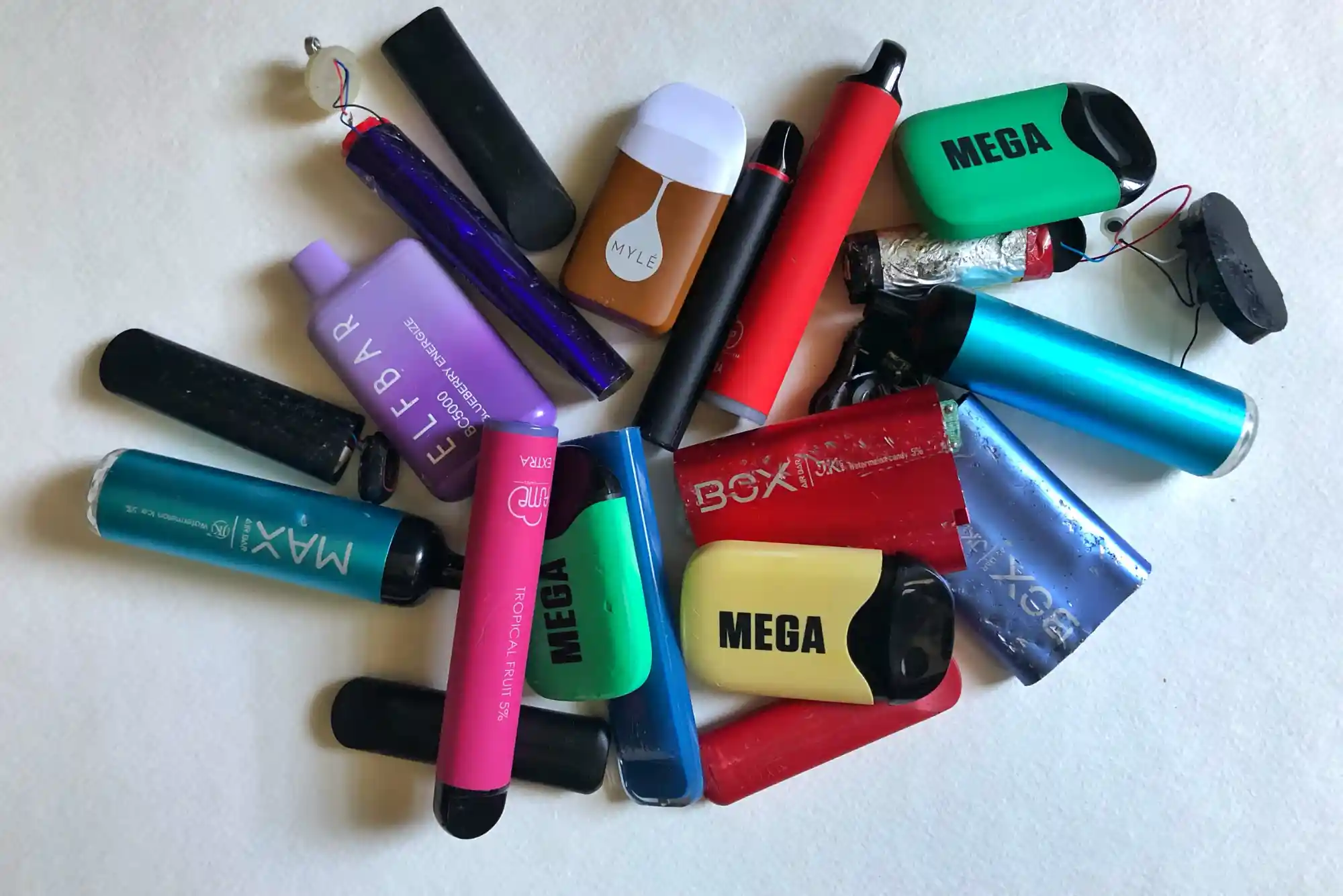
Disposable vapes also had a major impact on the evolution of the U.S. vape market. Their simple operation, compact design, broad flavor selection, and relatively low barrier to entry helped change what many consumers expected from vaping products.
However, disposable products have also attracted regulatory attention, particularly where products are marketed without FDA authorization or include characteristics that regulators consider problematic.
FDA has stated that it is targeting illicit ENDS products, including counterfeit and misdeclared products, while working with other federal agencies on enforcement.
As enforcement develops, manufacturers and retailers may increasingly shift toward products and business practices designed around regulatory compliance.
Consumer Behavior Continues to Influence the Market
The U.S. vape market is also shaped by consumer behavior. Adult consumers may look for different device sizes, nicotine strengths, flavors, battery capacities, refill options, and product formats.
These preferences create incentives for manufacturers to keep developing new products. But consumer demand does not operate independently of regulation. A product can be commercially attractive while still facing restrictions that affect where or how it can be sold.
That tension between consumer demand and regulatory requirements is one reason the market can feel unpredictable.
Adult Consumers and Public Health Considerations
Vaping is a tobacco-related category, and nicotine is addictive. FDA’s authorized-product information explicitly states that tobacco products are harmful and potentially addictive and that people who do not use tobacco products should not start.
At the same time, FDA’s regulatory decisions consider both risks and potential benefits to the overall population, including whether adult smokers completely switch away from combustible cigarettes. For example, the FDA’s August 2026 authorization of JUUL2 products described evidence concerning adult smokers who switched completely to the authorized products.
This population-level approach helps explain why regulatory decisions can be more nuanced than simply categorizing every vaping product in the same way.
Enforcement Is Becoming a Bigger Market Factor
The U.S. vape market is also changing because enforcement has become increasingly visible.
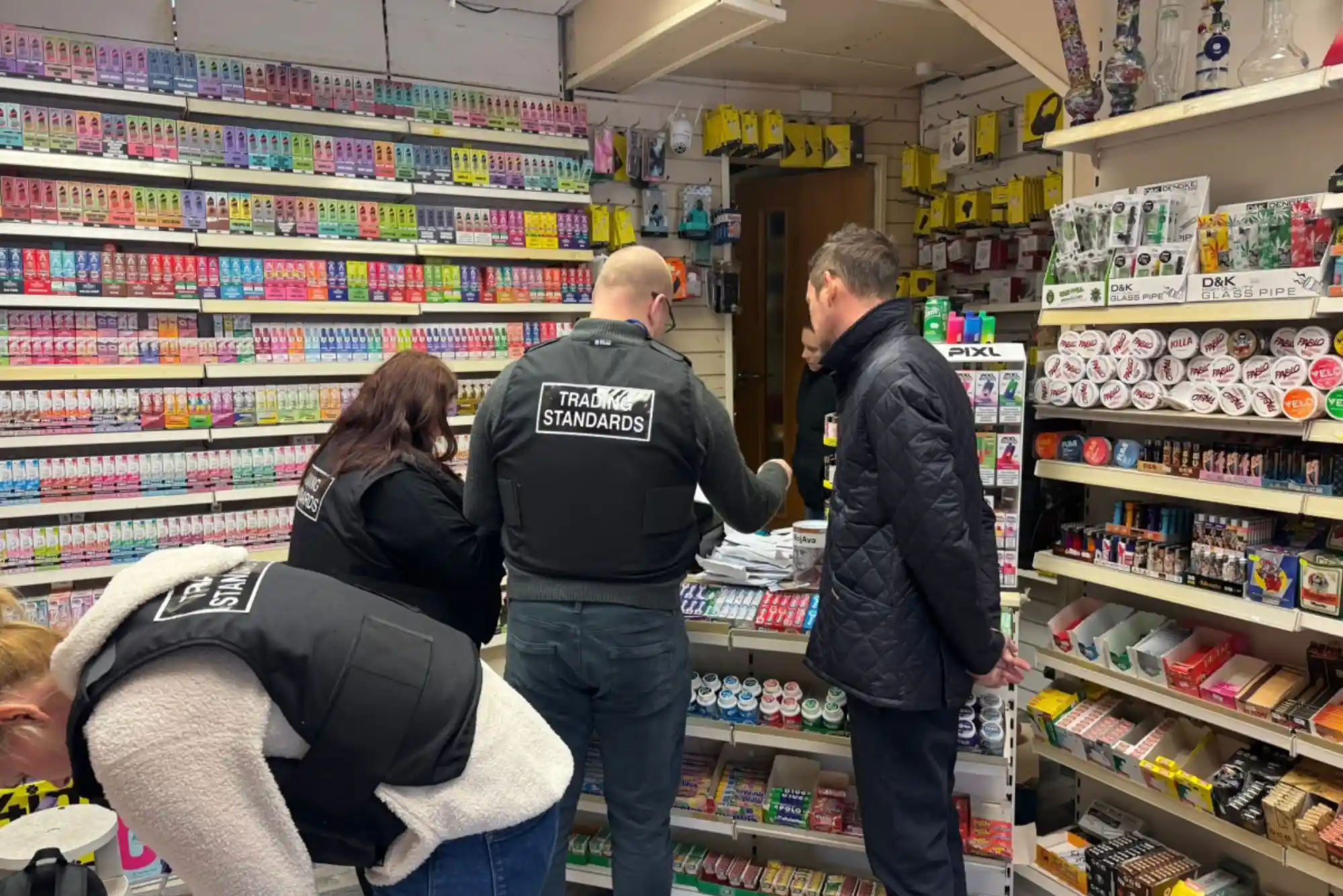
FDA’s enforcement activities can affect manufacturers, importers, distributors, retailers, and online sellers. Warning letters and other actions can change which products remain available through particular sales channels.
In September 2026, for example, FDA issued a warning letter to an online retailer after finding that unauthorized ENDS products were being offered for sale and that a tobacco product had been sold to someone under 21.
This demonstrates why online availability does not necessarily establish that a product is lawfully marketed.
For businesses, compliance is therefore becoming increasingly important to long-term operations. Product sourcing, age verification, marketing claims, documentation, and regulatory status can all matter.
Digital Commerce Adds Another Layer of Complexity
The internet has changed how consumers discover vaping information and products. Search engines, social platforms, online stores, reviews, and educational websites can all influence consumer awareness.
However, vaping businesses operate in a heavily regulated and age-sensitive category. Digital marketing therefore requires careful attention to applicable advertising policies, tobacco regulations, age restrictions, and claims.
For publishers and businesses, educational content can also play an important role. Clear explanations of regulations, terminology, product categories, and market developments can help readers understand an industry that changes frequently.
Why the U.S. Vape Market Will Keep Changing
There is no single reason behind the constant evolution of the U.S. vape market. Several forces operate at the same time.
Federal regulation establishes the legal framework for tobacco products. State and local governments add their own requirements. FDA enforcement affects unauthorized products. Manufacturers develop new technologies. Consumers change their preferences. Courts and policymakers can influence the direction of future rules.
The regulatory framework itself is also being reconsidered. FDA’s September 2026 announcement about evaluating potential changes to the PMTA system shows that the rules governing new tobacco products may continue to develop.
That makes current information especially valuable. A regulation, product authorization, or enforcement position that is accurate today may need to be reassessed later.
What Businesses and Consumers Should Watch
Anyone following the U.S. vape market should pay attention to official regulatory announcements rather than relying solely on social media posts, retailer claims, or outdated articles.
FDA marketing orders, enforcement announcements, new guidance, state legislation, local ordinances, and court developments can all affect the market.
Businesses should also distinguish between federal authorization and state-level legality. Meeting one requirement does not automatically satisfy every requirement that may apply to a particular sale.
Consumers, meanwhile, should understand that a product being widely available does not necessarily mean that it has FDA marketing authorization. FDA maintains an updated list of authorized e-cigarettes and states that these are the products that may lawfully be sold under the federal framework.
The U.S. vape market is constantly changing because it sits at the intersection of regulation, technology, consumer behavior, public health policy, and enforcement. New FDA decisions can reshape the product landscape, while state and local rules can create different requirements across the country.
The most useful way to follow the industry is to focus on verified regulatory information and recognize that today’s market may not look the same tomorrow. Whether you are a business owner, researcher, retailer, or adult consumer, staying informed can help you understand changes without relying on outdated assumptions.
For ongoing coverage and practical information about the vaping industry, explore vaporcrafts and continue checking authoritative regulatory sources as policies develop.
FAQs
Are vapes regulated by the FDA?
Yes. FDA regulates e-cigarettes and other electronic nicotine delivery systems as tobacco products. Its authority covers areas including manufacturing, importing, packaging, labeling, advertising, distribution, and sale. New tobacco products generally require FDA marketing authorization before they can legally be marketed.
Is vaping legal in the United States?
Federal law allows adults aged 21 and older to purchase tobacco products, including e-cigarettes, but not every vape product is legally marketed. FDA states that only e-cigarettes with marketing authorization may lawfully be sold under the federal framework. State and local restrictions can add further requirements.
What does FDA approval mean for vapes?
The phrase “FDA approved vape” is misleading. FDA authorizes certain tobacco products for marketing; it does not classify tobacco products as “FDA approved” in the same way it approves medicines. FDA specifically warns that marketing authorization does not mean a tobacco product is safe.
Why are vape laws different from state to state?
Federal law establishes nationwide requirements, while states and local governments can impose additional restrictions. These can affect flavors, sales, licensing, taxes, and other aspects of the vaping market. As a result, the rules applicable to a vape product can depend on the location where it is sold.
Are flavored vapes legal in the United States?
There is no single answer that applies to every product and location. Federal marketing authorization and state or local flavor restrictions are separate issues. FDA’s 2026 draft guidance also addresses the evidence expected in applications for flavored ENDS. Because the rules can change, the applicable federal, state, and local requirements should be checked before making a legal conclusion.
Why does the vape market keep introducing new products?
Consumer demand, technological development, competition, and regulatory changes all contribute to product innovation. Manufacturers may develop new devices and features to meet consumer preferences while also responding to evolving regulatory requirements.
Will U.S. vape regulations change again?
Regulations can change as agencies issue new guidance, make marketing decisions, conduct enforcement, and consider new rulemaking. In September 2026, FDA announced that it intends to evaluate changes to the PMTA regulatory framework, so businesses and consumers should monitor official updates.