Introduction
The U.S. vaping industry operates in a constantly changing regulatory environment. Federal agencies, state governments, and local authorities introduce rules that influence how vaping products are manufactured, marketed, distributed, and sold. For businesses in this sector, understanding these requirements is essential for maintaining operations and protecting their market position.
How vape companies adapt to U.S. regulations has become an important question as enforcement activities increase and compliance expectations evolve. Manufacturers must consider FDA authorization, product ingredients, packaging standards, age verification, advertising restrictions, and shipping requirements. These responsibilities affect established brands and new businesses entering the market.
Adapting to regulations involves more than changing product labels or updating business policies. Companies need structured compliance programs, accurate documentation, scientific research, and regular monitoring of legislative developments. Businesses that take these responsibilities seriously can make better decisions, reduce regulatory risks, and prepare for future changes.
Understanding the U.S. Regulatory Environment
Before making operational changes, vape companies need to understand which authorities regulate their activities. The regulatory framework involves several federal agencies, alongside state and local governments.
The Role of the FDA
The U.S. Food and Drug Administration (FDA) plays a central role in regulating electronic nicotine delivery systems (ENDS). Its authority covers the manufacturing, importing, packaging, labeling, advertising, promotion, sale, and distribution of vaping products.
The agency evaluates new tobacco products to determine whether marketing them is appropriate for the protection of public health. This assessment considers potential effects on existing tobacco users and people who do not currently use tobacco products.
Companies must understand that a product cannot automatically enter the legal U.S. market simply because it has been manufactured successfully or sold in another country. New tobacco products generally require an appropriate FDA marketing authorization before commercial distribution.
The official FDA e-cigarette regulation overview explains the agency’s responsibilities and provides important information for manufacturers and other industry participants.
Other Federal and State Requirements
FDA oversight is only one part of the regulatory landscape. The Bureau of Alcohol, Tobacco, Firearms and Explosives (ATF) administers relevant provisions of the Prevent All Cigarette Trafficking (PACT) Act, including requirements affecting businesses that sell or ship electronic nicotine delivery systems.
State and local governments may introduce additional requirements concerning flavored products, licensing, taxation, retail sales, and advertising. These rules can differ considerably between jurisdictions.
Consequently, vape companies must evaluate their operations according to the specific locations where their products are manufactured, distributed, and sold.
How Vape Companies Adapt to U.S. Regulations Through FDA Compliance
FDA compliance is one of the most important areas of adaptation for vaping businesses. Companies increasingly need regulatory expertise to understand product authorization requirements and maintain appropriate records.
Preparing Premarket Tobacco Product Applications
The Premarket Tobacco Product Application (PMTA) process is a major consideration for manufacturers introducing new vaping products.
A PMTA generally includes scientific information about product ingredients, manufacturing processes, product characteristics, toxicological considerations, and potential public health effects. Companies must provide sufficient evidence for FDA to evaluate whether marketing the proposed product would be appropriate for public health.
Preparing an application requires substantial coordination between regulatory specialists, scientists, laboratories, and manufacturing teams.
Businesses adapt by investing in research capabilities, organizing product records, and developing procedures for collecting reliable scientific information. They may also work with experienced regulatory consultants to identify missing documentation before submitting applications.
Importantly, submitting an application does not automatically authorize a product for sale. Companies must understand the distinction between a pending application and an FDA marketing granted order.
Monitoring FDA Marketing Decisions
Vape manufacturers also monitor FDA decisions involving their products and competing brands. Marketing granted orders, marketing denial orders, and other regulatory developments can influence product strategies.
FDA authorization is product-specific. A company cannot assume that authorization for one device or e-liquid automatically covers every product in its portfolio.
Businesses therefore maintain updated records identifying which products have received marketing authorization and which remain subject to regulatory restrictions.
This approach helps companies make informed decisions about product availability, distribution agreements, and future investments.
Responding to Regulatory Changes in 2026
Regulatory developments in 2026 demonstrate why continuous monitoring matters. In May 2026, FDA issued guidance describing certain enforcement priorities involving specified unauthorized electronic nicotine delivery systems and nicotine pouch products.
In September 2026, FDA also announced its intention to evaluate changes to the PMTA regulatory framework. However, the agency stated that it would continue processing applications and making regulatory decisions under existing statutory requirements in the meantime.
These developments highlight an important distinction: changes in enforcement priorities do not automatically make unauthorized products legal.
Companies should continue reviewing official FDA announcements and avoid interpreting temporary enforcement policies as permanent exemptions.
Improving Product Quality and Manufacturing Standards
Manufacturing practices are another important area where vape companies adapt to U.S. regulations. Consistent product quality helps businesses maintain reliable operations and prepare the documentation needed for regulatory reviews.
Strengthening Ingredient Management
Manufacturers need accurate information about the ingredients used in their e-liquids and other regulated product components.
Companies increasingly establish supplier verification procedures to understand the origin, specifications, and quality of incoming materials. They may also maintain detailed ingredient inventories and records of formulation changes.
These practices help businesses identify inconsistencies before products reach the market.
Ingredient management is particularly important because changing a product’s formulation, components, or design may affect its regulatory status. Manufacturers should therefore involve regulatory professionals before introducing significant modifications.
Investing in Laboratory Testing
Product testing helps manufacturers evaluate consistency and identify potential quality problems.
Companies may use qualified laboratories to assess ingredient composition, nicotine concentration, contaminants, and other relevant product characteristics. Testing procedures should be selected according to applicable requirements and the specific product being evaluated.
Accurate laboratory records can support internal quality assurance and scientific documentation. They also help manufacturers investigate complaints and identify manufacturing problems.
Building Better Quality Control Systems
Vape companies increasingly use documented quality control procedures throughout production.
These systems can include supplier assessments, equipment inspections, batch records, product specifications, and corrective action procedures. Regular internal audits help identify weaknesses before they become larger operational problems.
Rather than treating quality control as a final inspection, businesses benefit from integrating it into every stage of manufacturing.
Adapting Packaging, Labeling, and Advertising Strategies
Packaging and promotional activities can create significant regulatory challenges for vaping businesses. Companies must consider federal requirements while also reviewing restrictions in individual states and local markets.
Updating Product Labels
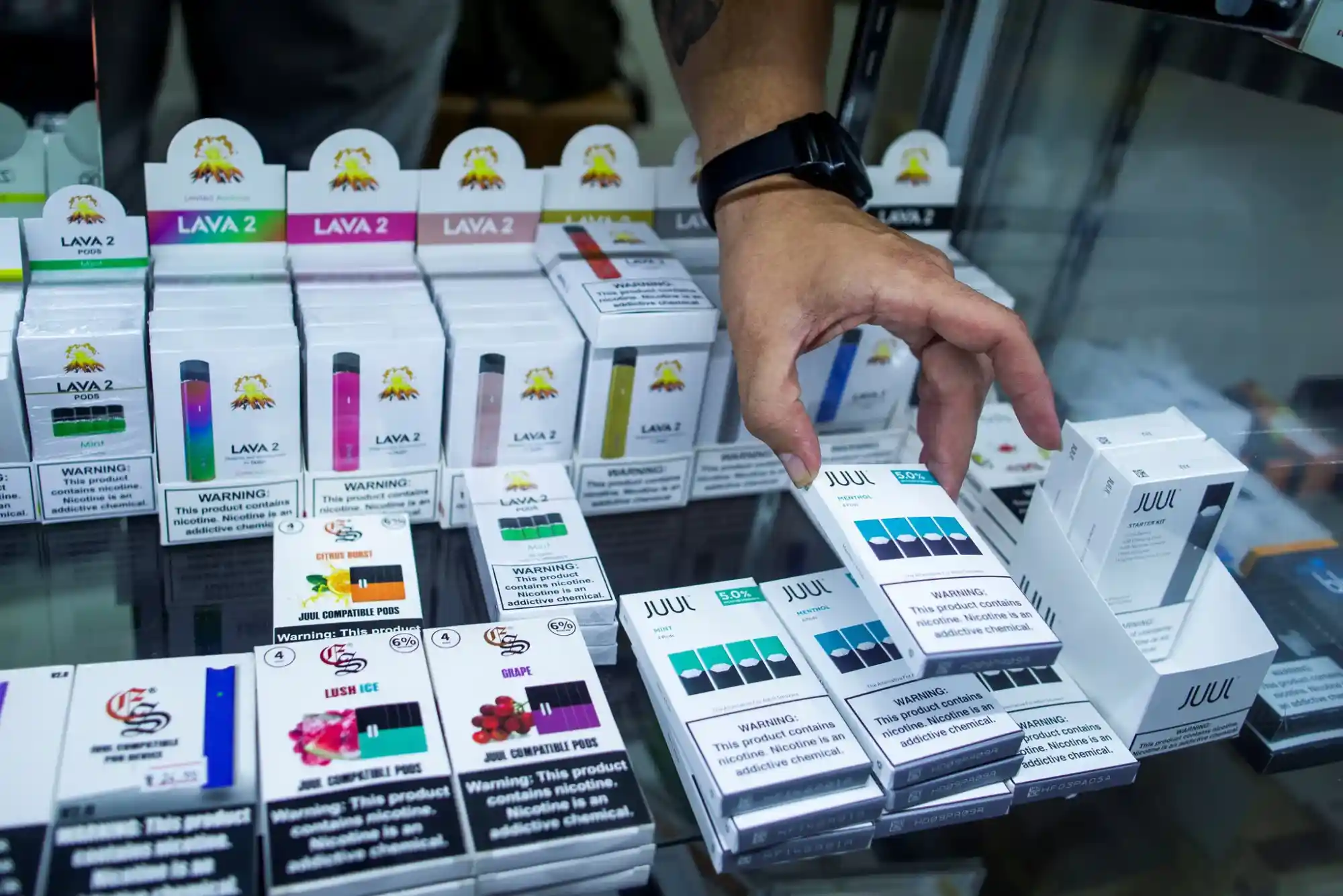
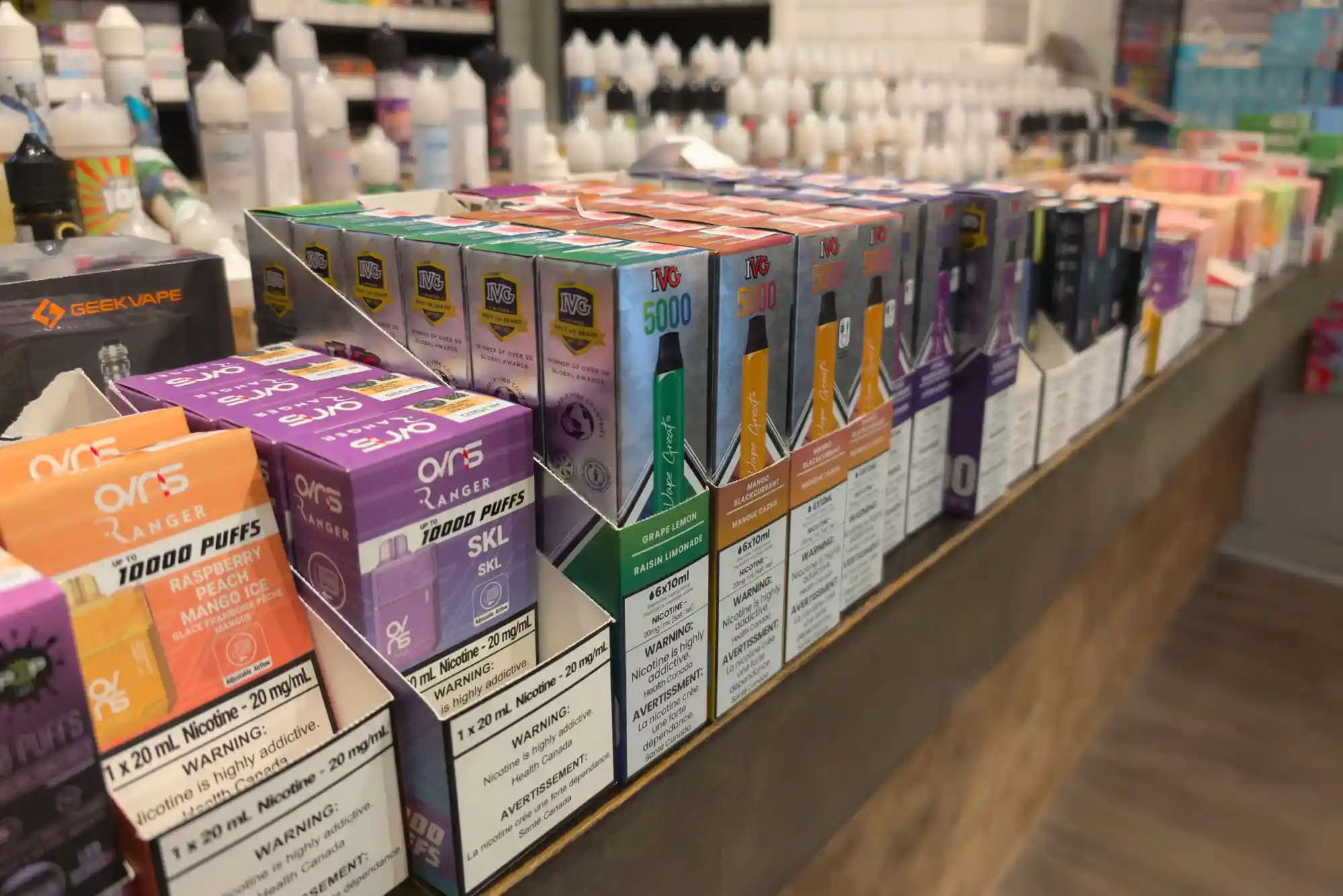
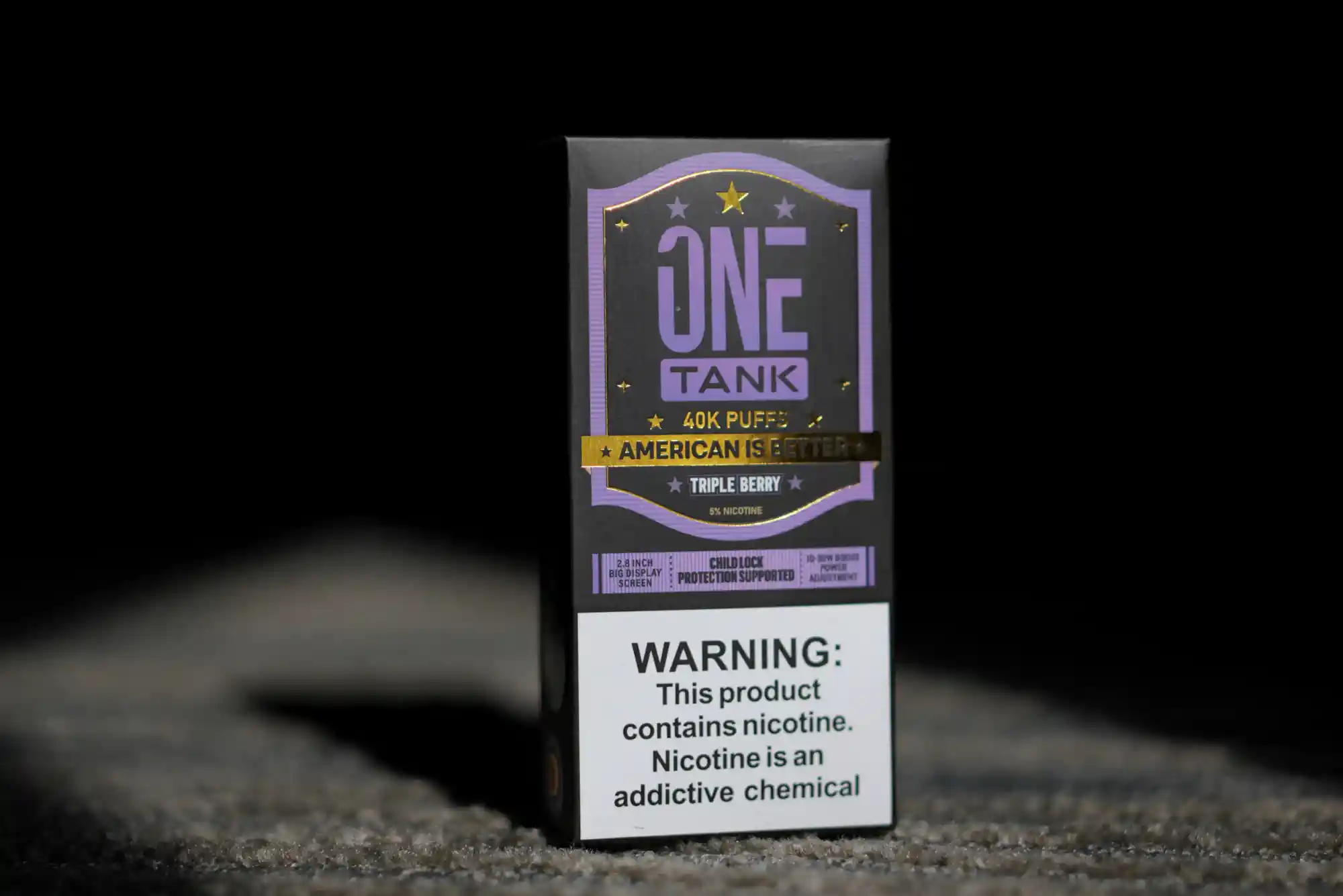
Vaping products must follow applicable labeling requirements. Manufacturers should review nicotine-related warnings, product identification, required information, and other relevant packaging standards.
Companies often introduce centralized label review processes to ensure that changes are checked before packaging enters production.
They must also avoid misleading statements about product safety, health benefits, or FDA authorization. A marketing granted order should never be presented as FDA approval of a product’s safety.
Clear and accurate labeling supports regulatory compliance and helps consumers understand the products they are purchasing.
Changing Marketing and Promotional Practices
Advertising strategies also require careful review. Companies need to understand restrictions on tobacco product marketing, including rules affecting youth exposure and potentially misleading claims.
Businesses may strengthen their internal advertising approval procedures and review promotional materials before publication.
For example, marketing teams should avoid cartoon-style imagery, youth-oriented themes, unsupported health claims, and promotional language that could appeal particularly to underage audiences.
Responsible marketing is not simply a branding decision. It is an important part of managing regulatory exposure.
Strengthening Age Verification and Retail Compliance
Preventing underage access remains an important objective of U.S. tobacco regulation. Vape companies must account for age restrictions throughout their sales and distribution operations.
Implementing Reliable Age Verification
Federal law prohibits selling tobacco products, including e-cigarettes, to individuals younger than 21.
Businesses respond by introducing stronger age-verification procedures at physical retail locations and online stores. These measures may include identification checks, age-screening technology, and employee training.
Online sellers should also evaluate how their systems verify customer information and prevent unauthorized purchases.
However, technology alone cannot guarantee compliance. Employees need clear procedures for handling failed verification attempts and suspicious transactions.
Training Retailers and Distribution Partners
Manufacturers and distributors often depend on third-party retailers to reach customers. This creates a need for consistent compliance expectations across the supply chain.
Companies may provide retailer education, written sales policies, and periodic compliance reviews.
Training should explain age restrictions, product authorization requirements, recordkeeping responsibilities, and applicable state-specific rules.
Businesses also benefit from maintaining documented communication with distribution partners. This makes it easier to identify potential problems and respond to regulatory inquiries.
Managing Shipping and Distribution Restrictions
Shipping requirements have become another significant challenge for companies operating in the U.S. vaping market.
The PACT Act includes requirements affecting businesses involved in interstate sales and shipments of electronic nicotine delivery systems.
Depending on their activities, covered businesses may need to register with ATF and applicable state authorities, verify customer ages, follow delivery procedures, and maintain required records.
The law also restricts shipping through the U.S. Postal Service, subject to specific statutory exceptions and applicable requirements.
Working With Compliant Shipping Providers
Vape companies adapt by reviewing their delivery arrangements and identifying shipping providers willing and legally able to handle their products.
They must not assume that every ordinary parcel carrier accepts vaping-related shipments. Businesses should verify current carrier policies and applicable legal requirements before establishing distribution agreements.
Improving Distribution Documentation
Accurate shipping records help businesses demonstrate that their distribution procedures follow applicable requirements.
Companies may maintain customer verification records, transaction information, state registration details, and relevant shipping documentation.
These systems can reduce administrative confusion and help businesses respond more efficiently to audits or enforcement inquiries.
Adapting to State-Level Vape Regulations
Federal compliance does not automatically mean that a vaping product can be sold everywhere in the United States.
States and municipalities can introduce additional restrictions that affect product availability and business operations.
Managing Different Flavor Restrictions
Flavor restrictions are among the most important challenges for manufacturers and retailers.
Some jurisdictions restrict the sale of flavored tobacco products, including certain flavored e-cigarettes. The specific definitions, exceptions, and enforcement requirements vary by location.
Vape companies respond by maintaining updated information about where particular products can legally be sold.
Before introducing a flavor or expanding distribution, businesses should review the laws applicable to their intended markets.
Reviewing State Licensing and Tax Requirements
State and local governments may also require tobacco retailer licenses, distributor permits, registrations, and product-specific certifications.
Tax obligations can differ according to product category and jurisdiction.
Businesses operating across multiple states may use compliance software or legal advisers to track these differences. Maintaining a centralized regulatory calendar helps companies monitor renewal dates and upcoming legislative changes.
Using Technology to Improve Regulatory Compliance
Technology is becoming increasingly useful for vape companies managing complicated regulatory responsibilities.
Compliance management platforms can help businesses organize product documentation, track regulatory deadlines, and maintain supplier information.
Digital inventory systems can also help retailers identify products restricted in particular jurisdictions. This reduces the risk of accidentally distributing products into markets where their sale is prohibited.
Some businesses use automated alerts to monitor changes in federal and state requirements. These systems can notify compliance teams when new legislation, agency guidance, or regulatory announcements require attention.
Technology cannot replace legal advice or regulatory judgment. However, well-designed systems make it easier to organize information and maintain consistent business procedures.
Managing Financial and Operational Challenges
Adapting to U.S. regulations can require substantial financial investment. Scientific testing, legal consultations, application preparation, licensing, and distribution changes can increase operating costs.
Smaller businesses may experience greater pressure because they have fewer resources than established manufacturers.
Prioritizing Compliance Investments
Companies can manage expenses by identifying their most important regulatory obligations and allocating resources accordingly.
For example, maintaining accurate product records, reviewing supplier agreements, and checking distribution requirements can prevent avoidable mistakes.
Businesses should also evaluate the regulatory status of products before investing heavily in marketing, inventory, or retail expansion.
Developing Flexible Business Strategies
Regulatory uncertainty makes long-term planning more difficult. Companies benefit from creating strategies that account for possible changes in product restrictions, enforcement priorities, and state legislation.
A flexible approach may involve reviewing product portfolios, reconsidering distribution agreements, and evaluating the financial implications of new compliance requirements.
Businesses should avoid making major decisions based solely on temporary enforcement announcements or industry speculation.
What the Future Holds for Vape Companies in the United States
The future of the U.S. vaping industry will depend heavily on regulatory developments, scientific evidence, enforcement priorities, and public health considerations.
FDA’s September 2026 announcement about evaluating the PMTA framework is particularly important. Any future regulatory changes could influence application procedures and how manufacturers prepare scientific submissions.
At the same time, federal and state enforcement efforts against unauthorized products remain important considerations.
Companies that maintain accurate records, invest in scientific research, monitor legislation, and develop responsible business practices will be better prepared to respond to changing requirements.
Industry participants should also follow reliable sources rather than depending entirely on social media discussions or unofficial interpretations of regulatory announcements.
For further industry information and regulatory developments, businesses can explore What Vapers Should Know About Federal Law Updates.
Staying Prepared for Regulatory Changes
How vape companies adapt to U.S. regulations is about building sustainable business practices rather than making occasional adjustments when new rules appear. From FDA authorization and product testing to packaging, age verification, shipping, and state-level restrictions, every part of the supply chain requires attention.
Companies that invest in compliance systems, scientific documentation, employee education, and regular regulatory reviews can make more informed business decisions. They should also understand that meeting one requirement does not automatically satisfy every federal, state, or local obligation.
As the regulatory environment continues to evolve, staying informed is essential. Visit vaporcrafts to explore more vaping industry information, regulatory updates, and useful resources that can help businesses better understand the changing U.S. market.
FAQs
How are vape products regulated in the United States?
Vape products are primarily regulated by the FDA under the Federal Food, Drug, and Cosmetic Act. Federal requirements cover manufacturing, marketing, packaging, labeling, distribution, and sales. State and local governments can introduce additional restrictions involving flavors, licensing, taxes, and retail activities.
Do vape companies need FDA approval to sell their products?
New tobacco products generally require an FDA marketing authorization before they can legally be marketed in the United States. Companies typically need to obtain an appropriate marketing granted order through an applicable regulatory pathway. Submitting an application alone does not authorize commercial sales.
What is a PMTA for vaping products?
A Premarket Tobacco Product Application is a submission to the FDA seeking authorization to market a new tobacco product. It includes scientific and product information that allows the agency to evaluate whether marketing the product would be appropriate for the protection of public health.
Can vape companies sell flavored products in every U.S. state?
No. Some states and local jurisdictions restrict or prohibit the sale of certain flavored tobacco products, including flavored e-cigarettes. Requirements vary by location, so businesses must check applicable laws before manufacturing, distributing, or selling particular products.
What happens if a company sells unauthorized vape products?
Companies selling unauthorized new tobacco products may face FDA enforcement actions and other legal consequences. Depending on the circumstances, authorities may pursue warning letters, product seizures, injunctions, or additional civil and criminal enforcement measures.
How do vape companies prevent underage sales?
Businesses use age-verification procedures, employee training, identification checks, and online screening systems. They also review retailer practices and distribution arrangements to reduce the risk of tobacco products reaching individuals younger than 21.
Can vape companies ship products directly to customers?
Shipping is subject to federal and state requirements, including relevant PACT Act provisions. Businesses may need registrations, customer age verification, compliant delivery procedures, and specific records. USPS shipping restrictions and private carrier policies must also be considered.
How can vape companies stay updated on U.S. regulations?
Companies can monitor official FDA announcements, ATF guidance, federal legislation, state regulatory websites, and relevant industry publications. Working with qualified legal and regulatory professionals can also help businesses interpret new requirements and update internal compliance procedures.
Editorial accuracy note: The article reflects 2026 regulatory developments, including FDA’s September 2026 PMTA framework announcement and May 2026 enforcement guidance.