Introduction
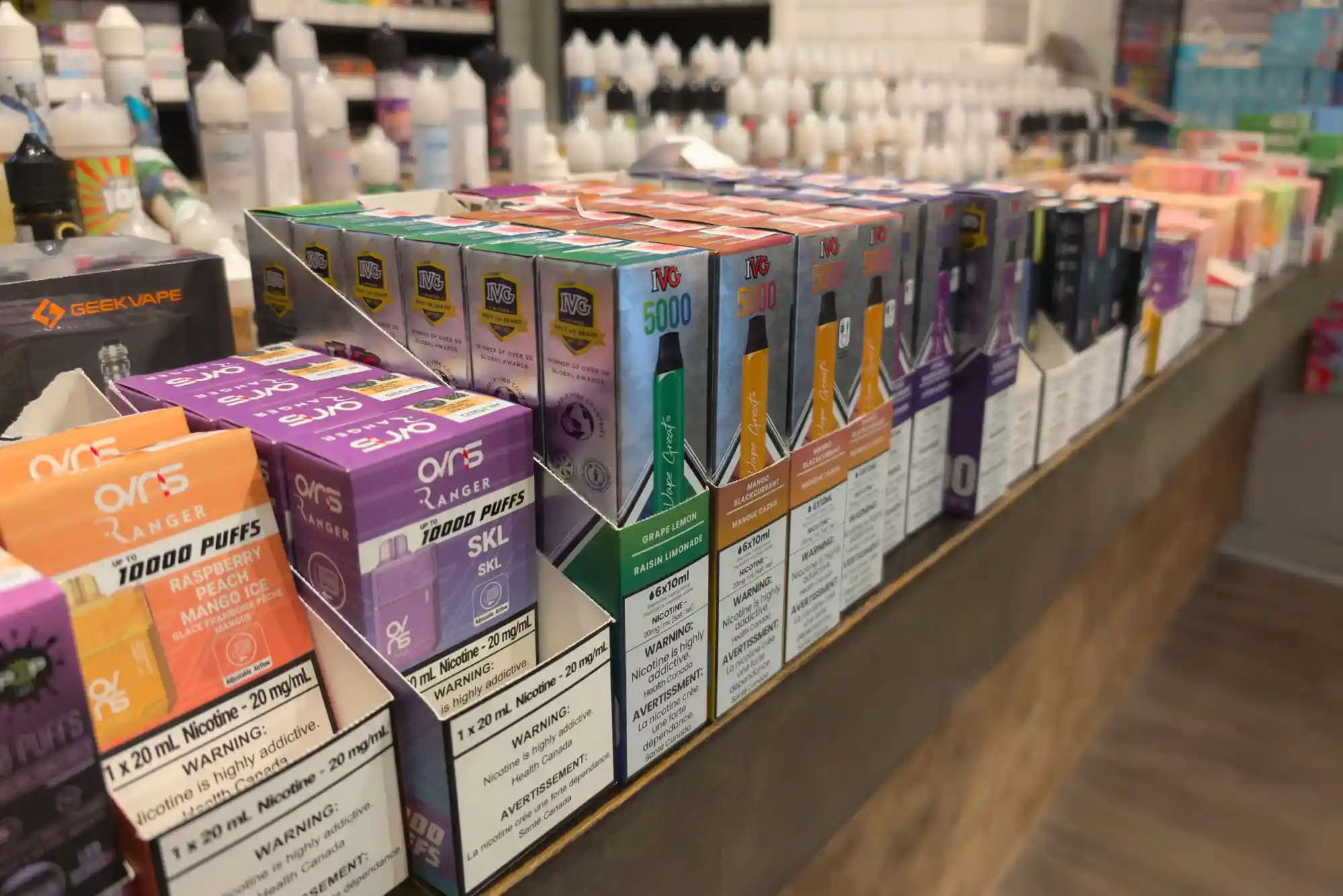
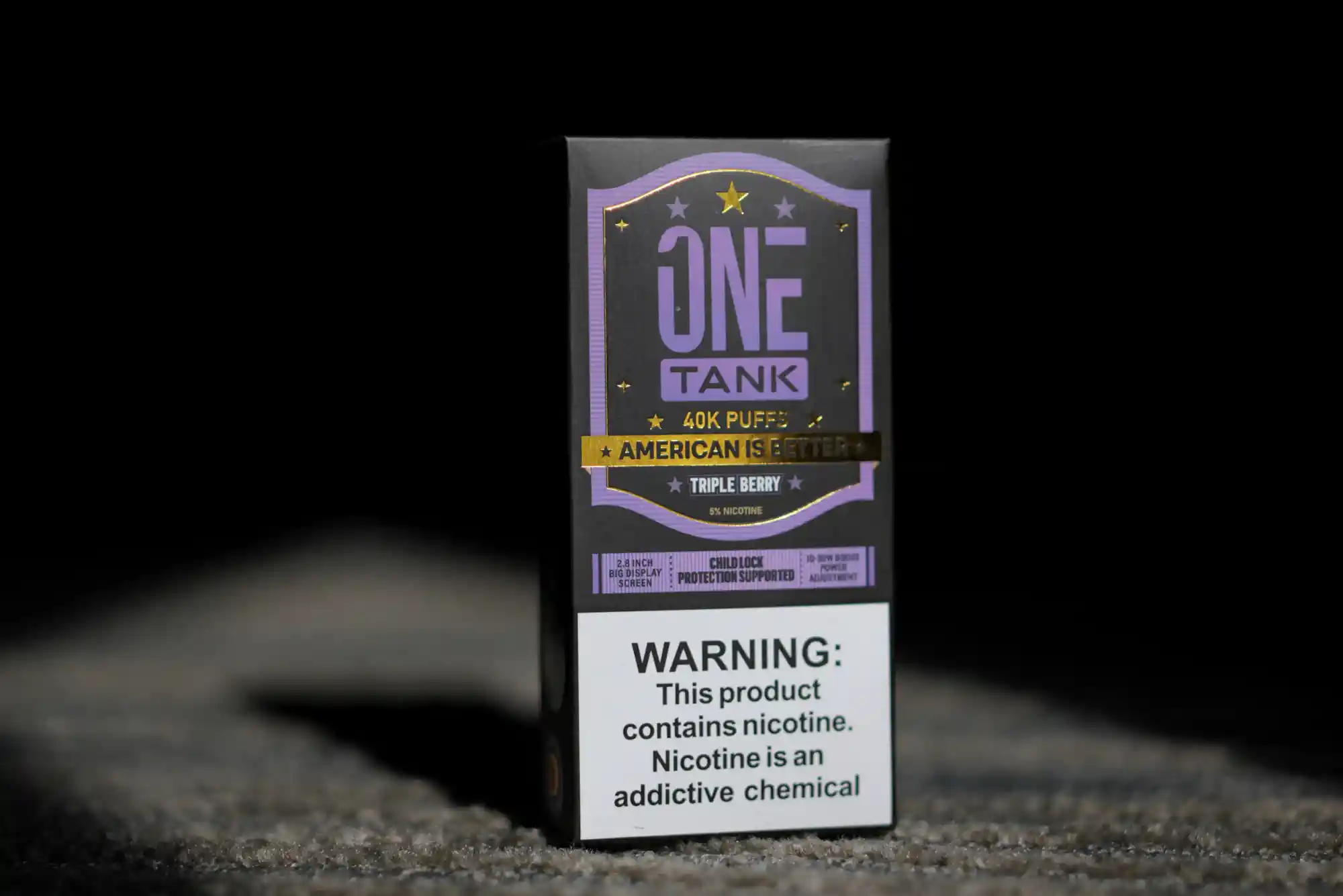
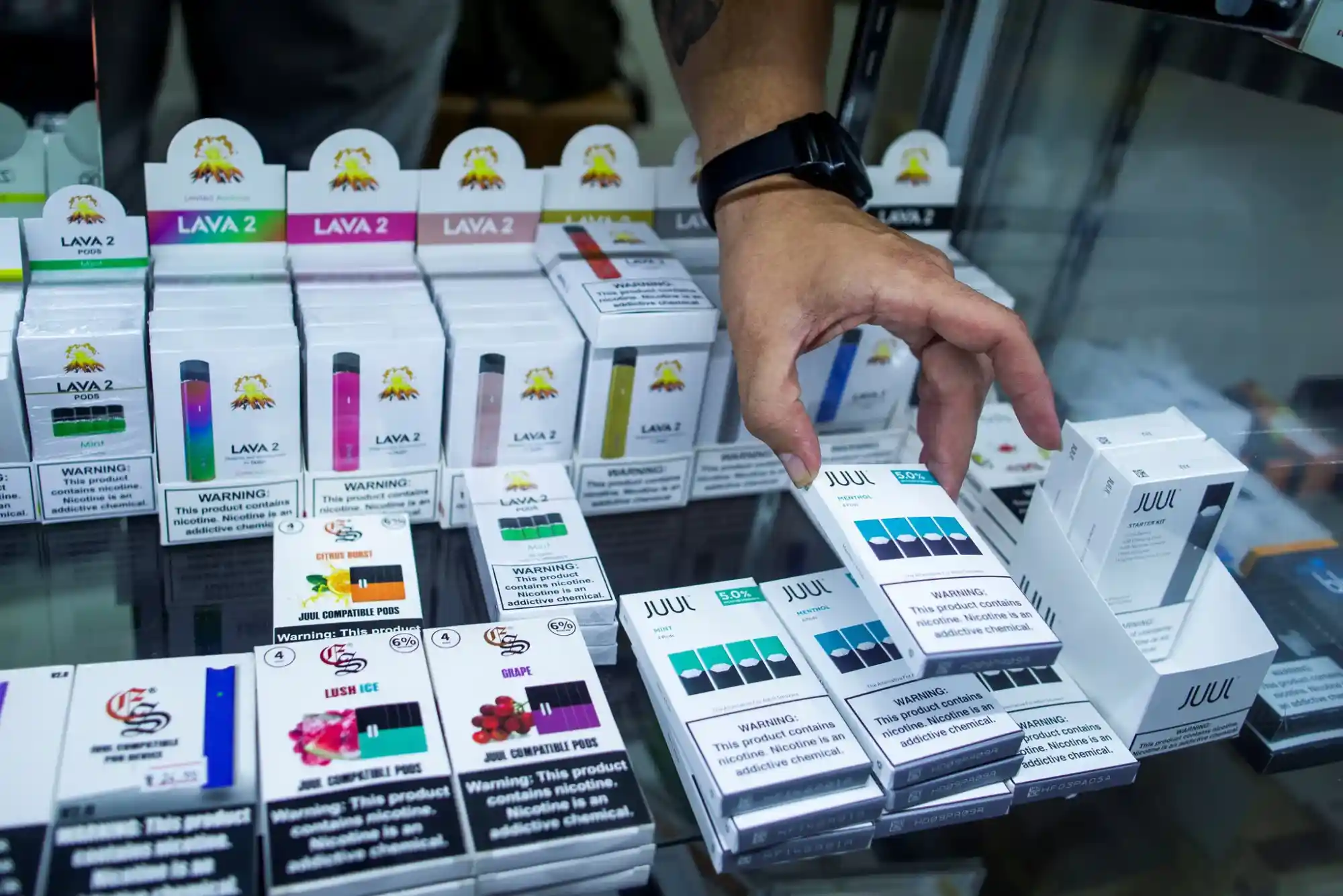
The vape flavor ban has become one of the most controversial public health and regulatory issues in America. From fruit and candy flavors to menthol and mint options, flavored vaping products have attracted millions of consumers while raising concerns among health professionals, lawmakers, parents, and tobacco control organizations. Supporters believe restricting these products can help prevent young people from developing nicotine addictions. Opponents argue that broad restrictions may limit adult consumer choices and affect smokers who use vaping products as an alternative to traditional cigarettes.
The debate is becoming more complicated as federal agencies introduce stricter product authorization requirements and individual states establish their own restrictions. While some jurisdictions have already implemented flavored tobacco sales bans, others continue to debate their potential benefits and consequences.
Understanding the vape flavor ban requires looking beyond the headlines. It involves public health research, federal authority, state legislation, business compliance, and the competing interests of adult consumers and younger populations. This article explores the ongoing debate and what America’s changing regulatory environment could mean for the vaping industry.
Understanding the Vape Flavor Ban in America
A vape flavor ban generally refers to laws or regulations that restrict the manufacture, distribution, or retail sale of flavored electronic cigarettes and related vaping products. These restrictions can cover fruit, dessert, candy, beverage, mint, and menthol flavors, depending on the jurisdiction.
The primary objective is to reduce the appeal of nicotine products among teenagers and young adults. Public health authorities have repeatedly expressed concerns that sweet and fruit-inspired flavors can make vaping products attractive to people who have never smoked.
However, not every restriction works in the same way. Some laws prohibit particular flavor categories, while others restrict flavored tobacco products more broadly. Certain regulations also distinguish between product types and whether the FDA has authorized their marketing.
This distinction matters because America does not operate under one universal state-level flavored vape sales prohibition. Instead, federal product authorization requirements exist alongside state and local restrictions.
Why Is America Debating a Vape Flavor Ban?
The discussion surrounding the vape flavor ban involves two major priorities: protecting public health and preserving access to legally marketed products for adults.
Concerns About Youth Vaping
One of the strongest arguments supporting flavor restrictions is the concern that flavored nicotine products can attract young consumers.
Fruit, candy, and dessert-inspired flavors are often associated with familiar products rather than traditional tobacco. This can make vaping appear less harmful or more socially acceptable to inexperienced users.
Public health organizations argue that reducing access to appealing flavors may help prevent nicotine initiation among teenagers. Nicotine exposure during adolescence is particularly concerning because the brain continues developing during these years.
For policymakers, preventing a new generation from becoming dependent on nicotine remains a central reason for considering stronger restrictions.
Adult Consumer Freedom
Opponents of broad flavor bans emphasize that adults should have access to legally authorized products that meet federal and state requirements.
Some adult smokers prefer flavored vaping products over traditional tobacco-flavored options. They argue that removing these alternatives could make switching away from combustible cigarettes less appealing.
However, this argument does not mean that every flavored product has been proven effective as a smoking cessation tool. Product-specific scientific evidence and regulatory assessments remain important.
The challenge for lawmakers is determining how to address youth access without unnecessarily restricting products that may provide benefits to certain adult smokers.
Public Health Versus Economic Interests
The vape flavor ban also creates economic challenges for manufacturers, distributors, and independent retailers.
Many businesses have invested in flavored product development, inventory, marketing, and distribution networks. When new restrictions take effect, these companies may face financial losses, changing compliance requirements, and the need to adjust their business models.
Retailers must also understand which products are legally permitted in their locations. Selling unauthorized or prohibited products can expose businesses to enforcement actions and financial penalties.
What Does Federal Law Say About Flavored Vapes?
The federal regulatory framework plays an important role in determining which vaping products can legally enter the American market.
The Food and Drug Administration (FDA) regulates electronic nicotine delivery systems under the Family Smoking Prevention and Tobacco Control Act.
Under federal law, new tobacco products generally require FDA marketing authorization before they can be legally marketed in the United States. This requirement applies regardless of whether a product is flavored or tobacco-flavored.
The FDA evaluates applications by considering whether permitting a product to be marketed would be appropriate for the protection of public health. Its assessment considers potential risks and benefits for the population as a whole, including both users and non-users.
According to the FDA’s official FDA ENDS and nicotine product overview, electronic cigarettes, vaping devices, e-liquids, and related components fall within its tobacco product regulatory framework.
Are All Flavored Vapes Federally Banned?
No. It is important to distinguish between a nationwide flavor prohibition and federal product authorization requirements.
The United States does not have a blanket federal law prohibiting every flavored vape. However, products without the required FDA marketing authorization cannot legally be marketed.
The FDA has historically denied numerous applications for flavored products because manufacturers did not provide sufficient evidence to demonstrate that their products were appropriate for the protection of public health.
There have also been developments in the authorization of flavored products. On May 5, 2026, the FDA authorized two fruit-flavored e-cigarette products with specific technology designed to restrict access to registered adult users.
This development demonstrates that federal regulation is not necessarily a simple prohibition of every non-tobacco flavor. Instead, product-specific evidence, marketing restrictions, and access-control measures can influence regulatory decisions.
The FDA continues to publish marketing decisions and enforcement updates, making its official database an important resource for manufacturers and retailers.
Which States Have Implemented Vape Flavor Restrictions?
State governments have taken different approaches to the vape flavor ban. Some have introduced broad flavored tobacco restrictions, while others focus specifically on flavored electronic cigarettes.
As of 2026, California, Massachusetts, New Jersey, New York, Rhode Island, and Utah have enacted statewide flavor-related restrictions, alongside Washington, D.C. The details and exemptions vary considerably.
California restricts the retail sale of most flavored tobacco products, including flavored e-cigarettes and menthol products. Massachusetts has also implemented restrictions covering flavored tobacco products.
New Jersey prohibits flavored electronic cigarettes, while New York’s restrictions include specific exemptions for certain products with FDA marketing authorization.
Rhode Island and Utah have adopted flavored e-cigarette restrictions with different treatment of menthol products. Maryland has also introduced administrative restrictions limiting e-vapor flavors other than tobacco and menthol.
These examples demonstrate why retailers and manufacturers cannot assume that compliance in one state automatically means compliance in another.
For a closer examination of these differences, businesses can review State Vape Laws That Differ from Federal Rules.
Why Do State Laws Differ?
State governments have different public health priorities, legislative approaches, and regulatory enforcement systems.
Some lawmakers support comprehensive restrictions covering nearly all characterizing flavors. Others prefer narrower regulations targeting products considered particularly attractive to younger consumers.
Local governments may also introduce additional restrictions. Consequently, a product that is permitted under one jurisdiction’s rules may face sales restrictions in another.
This creates a complicated compliance environment for businesses operating across multiple states.
The Arguments Supporting a Vape Flavor Ban
Supporters of the vape flavor ban believe restrictions can help address several public health concerns.
Reducing Youth Nicotine Exposure
The most frequently discussed benefit is reducing the attractiveness and availability of flavored nicotine products among teenagers.
Younger consumers may associate fruit and candy flavors with ordinary recreational products. Supporters believe restricting these flavors could reduce experimentation and discourage nicotine use.
Although flavor restrictions alone cannot eliminate youth vaping, advocates consider them one part of a broader prevention strategy.
Supporting Tobacco Control Policies
Flavor restrictions also fit into wider tobacco control initiatives.
These initiatives include age-verification requirements, restrictions on advertising, public education campaigns, and enforcement against unauthorized products.
Supporters argue that combining these measures can create stronger safeguards than relying on a single regulation.
Encouraging Responsible Manufacturing
A stricter regulatory environment can encourage manufacturers to improve product testing, documentation, marketing practices, and age-control technologies.
Companies must demonstrate that their products meet applicable regulatory requirements before legally marketing them.
This can help authorities identify businesses that disregard federal and state requirements.
Arguments Against Broad Vape Flavor Restrictions
Despite their public health objectives, flavor bans continue to attract criticism from different groups.
Potential Impact on Adult Smokers
Some opponents believe flavored vaping products provide an alternative for adults who dislike traditional tobacco flavors.
They argue that removing all flavored options could discourage certain adult smokers from switching completely away from combustible cigarettes.
This concern is particularly relevant when policymakers consider whether restrictions should distinguish between products with different regulatory authorizations and scientific evidence.
Growth of Unauthorized Markets
Another concern is that extensive restrictions could increase demand for unauthorized products.
When consumers cannot access products through legal retail channels, some may turn to unregulated online sellers or informal distribution networks.
Such markets can make product quality, ingredient transparency, and age verification more difficult to monitor.
However, unauthorized product availability is not inevitable, and enforcement, consumer education, and effective retail compliance can influence market outcomes.
Financial Pressure on Small Businesses
Independent vape retailers often have fewer resources than large manufacturers and national distributors.
A sudden change in flavor regulations can leave businesses with unsellable inventory and additional administrative expenses.
They may also need to update supplier relationships, train employees, review product documentation, and monitor new legislation.
These costs can create significant pressure, especially for small retailers operating in highly regulated markets.
How the Vape Industry Is Responding to Changing Regulations
The ongoing vape flavor ban debate is encouraging manufacturers and retailers to reconsider how they operate.
Greater Focus on FDA Authorization
Manufacturers are increasingly required to understand the importance of the FDA’s premarket tobacco product application process.
Companies must provide relevant scientific information, product descriptions, manufacturing details, and other documentation required during regulatory review.
An application alone does not authorize a company to sell a product. Businesses must receive the necessary marketing authorization before legally marketing a new tobacco product.
Improved Compliance Strategies
Retailers are paying greater attention to product verification, supplier documentation, age restrictions, and state-specific sales requirements.
Maintaining accurate records can help businesses demonstrate that their products meet applicable requirements.
Companies operating in multiple states also need reliable processes for tracking legislative changes.
Changes in Product Development
Manufacturers may explore product designs and technologies that address regulatory concerns.
Examples include stronger age-verification systems, access restrictions, improved product labeling, and more comprehensive quality-control procedures.
However, technological improvements do not automatically guarantee FDA authorization or exemption from state flavor restrictions.
Businesses must evaluate each product against the actual requirements that apply to its market.
What Does the Future Hold for America’s Vape Flavor Ban?
The future of the vape flavor ban will likely depend on several interconnected developments.
Federal regulatory decisions will continue influencing which products can legally enter the market. State legislatures may introduce additional restrictions, while courts could influence how certain regulations are interpreted and enforced.
Public health research will also remain important. Policymakers need reliable evidence about youth nicotine use, adult smoking behavior, flavored product appeal, and the effectiveness of different prevention strategies.
Another important issue is whether new technology can provide meaningful safeguards against underage access without creating unnecessary barriers for adult consumers.
The vaping industry should expect continued regulatory scrutiny rather than assume that existing rules will remain unchanged.
Manufacturers and retailers that prioritize transparency, accurate product documentation, and regulatory monitoring will be better positioned to respond to future developments.
How Vape Businesses Can Stay Compliant
Understanding changing regulations is essential for companies involved in the American vaping market.
Businesses should regularly review FDA marketing authorization decisions and check whether their products meet applicable federal requirements.
They should also monitor state and local legislation because federal authorization does not automatically override every state-level sales restriction.
Retailers need to verify suppliers, maintain accurate inventory records, and ensure employees understand applicable age-verification requirements.
Manufacturers should review product labeling, marketing claims, and application documentation before introducing products into new markets.
Industry resources can also help businesses follow important developments. Platforms such as vaporcrafts provide information and discussions about vaping regulations, compliance developments, and industry trends.
Combining reliable regulatory information with professional compliance procedures can help businesses reduce unnecessary risks.
Finding a Balance Between Public Health and Consumer Access
The vape flavor ban remains an important and complicated issue in America’s tobacco regulatory landscape. Supporters view flavor restrictions as a necessary measure to reduce youth nicotine exposure, while opponents highlight adult consumer access, potential unauthorized markets, and economic consequences for small businesses.
Neither side can be understood without considering the broader regulatory framework. Federal FDA authorization requirements, state-specific flavor restrictions, and local enforcement policies all influence which products can legally be sold.
As regulations continue evolving, manufacturers, retailers, and consumers need accurate information rather than assumptions based on outdated headlines.
FAQs
Are flavored vapes banned in the United States?
Flavored vapes are not subject to one universal nationwide flavor ban. However, the FDA requires applicable new tobacco products to receive marketing authorization, and several states and local jurisdictions restrict flavored vape sales. The exact rules depend on the product and location.
Why are flavored vapes being banned?
Flavored vapes are being restricted primarily because public health authorities are concerned about their appeal to teenagers and the potential for nicotine addiction. Supporters believe limiting appealing flavors can help prevent young people from starting nicotine use.
Which states have banned flavored vapes?
As of 2026, California, Massachusetts, New Jersey, New York, Rhode Island, and Utah have enacted statewide flavor-related restrictions. Washington, D.C., also has restrictions. Their coverage, exemptions, and treatment of menthol products differ.
Are flavored vapes illegal under federal law?
Not every flavored vape is automatically prohibited because of its flavor. However, new tobacco products generally need FDA marketing authorization before they can legally be marketed. State and local flavor restrictions may impose additional limitations.
Can adults still buy flavored vapes in America?
It depends on the product and the jurisdiction. Adults may have access to certain legally authorized products where state and local restrictions permit their sale. Being over the legal purchasing age does not make an unauthorized or prohibited product legal.
What is the difference between a federal vape regulation and a state vape ban?
Federal regulations establish nationwide requirements for tobacco product authorization and other regulatory matters. State governments can introduce additional restrictions affecting retail sales and product availability within their jurisdictions, subject to applicable federal law.
Will America introduce a nationwide vape flavor ban?
There is no certainty that the federal government will introduce a comprehensive nationwide flavor ban. Federal authorization requirements already restrict which products can legally be marketed, while individual states continue developing their own flavor-related policies.
How can vape retailers stay updated on flavor regulations?
Retailers should regularly review FDA announcements, state health department guidance, legislative updates, and local enforcement requirements. They should also verify product authorization and maintain accurate supplier and inventory records to support compliance.
Related Reading: How Vape Testing Requirements Are Evolving
Related Reading: TEREA Indonesian and RELX Dubai: A UAE Buying Playbook — full guide
Related Reading: The Rise of Legal Vape Advocacy in America