Introduction
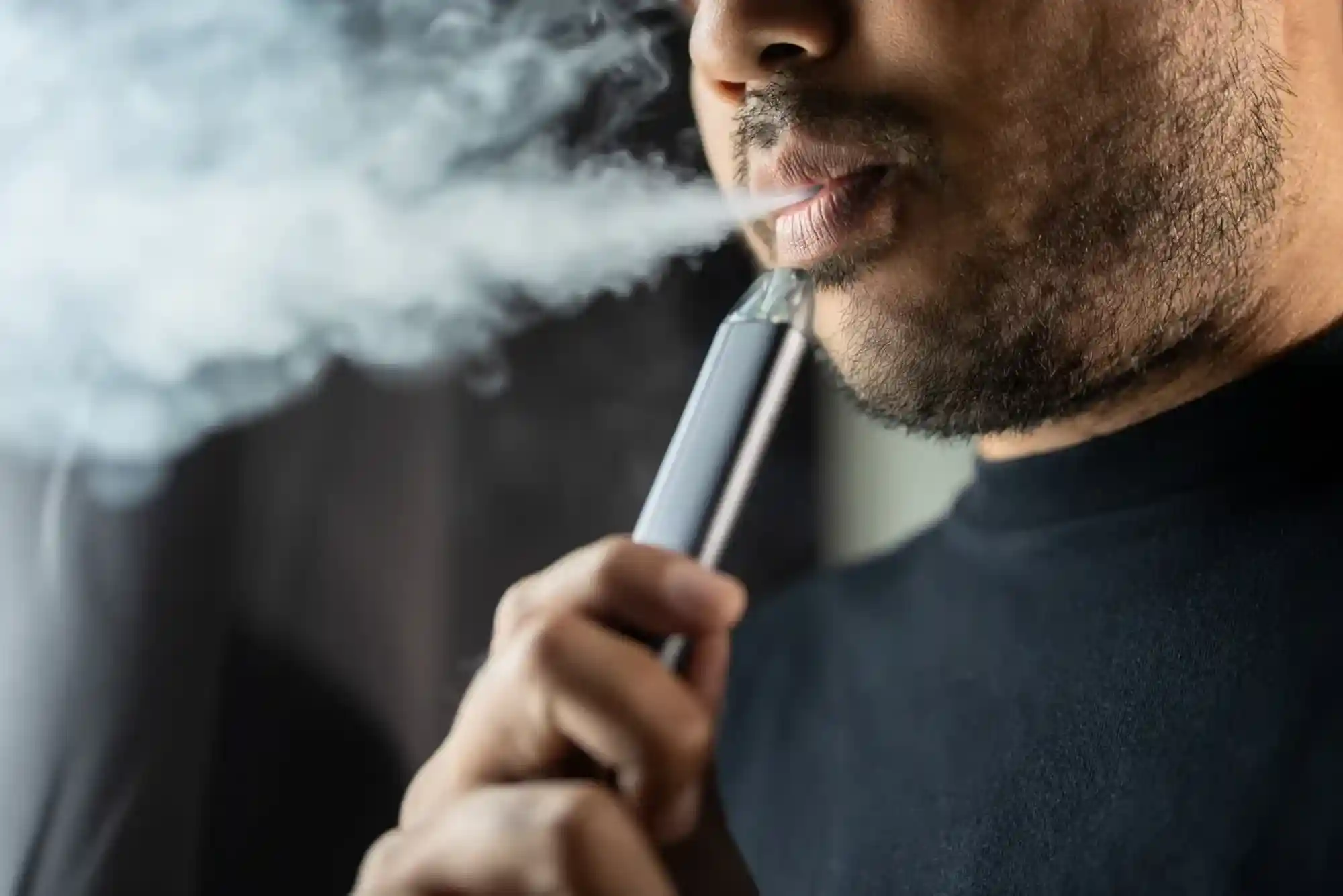
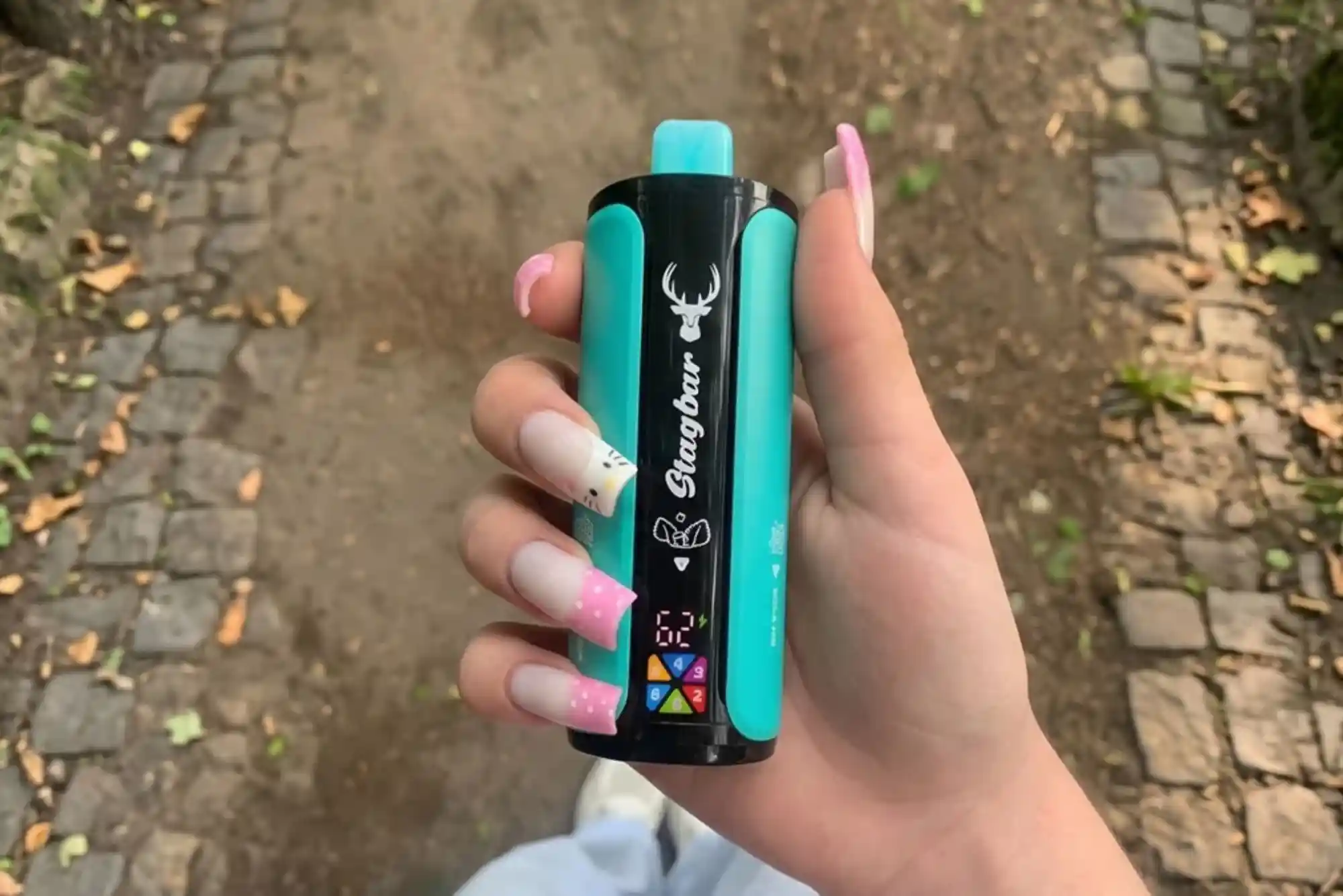
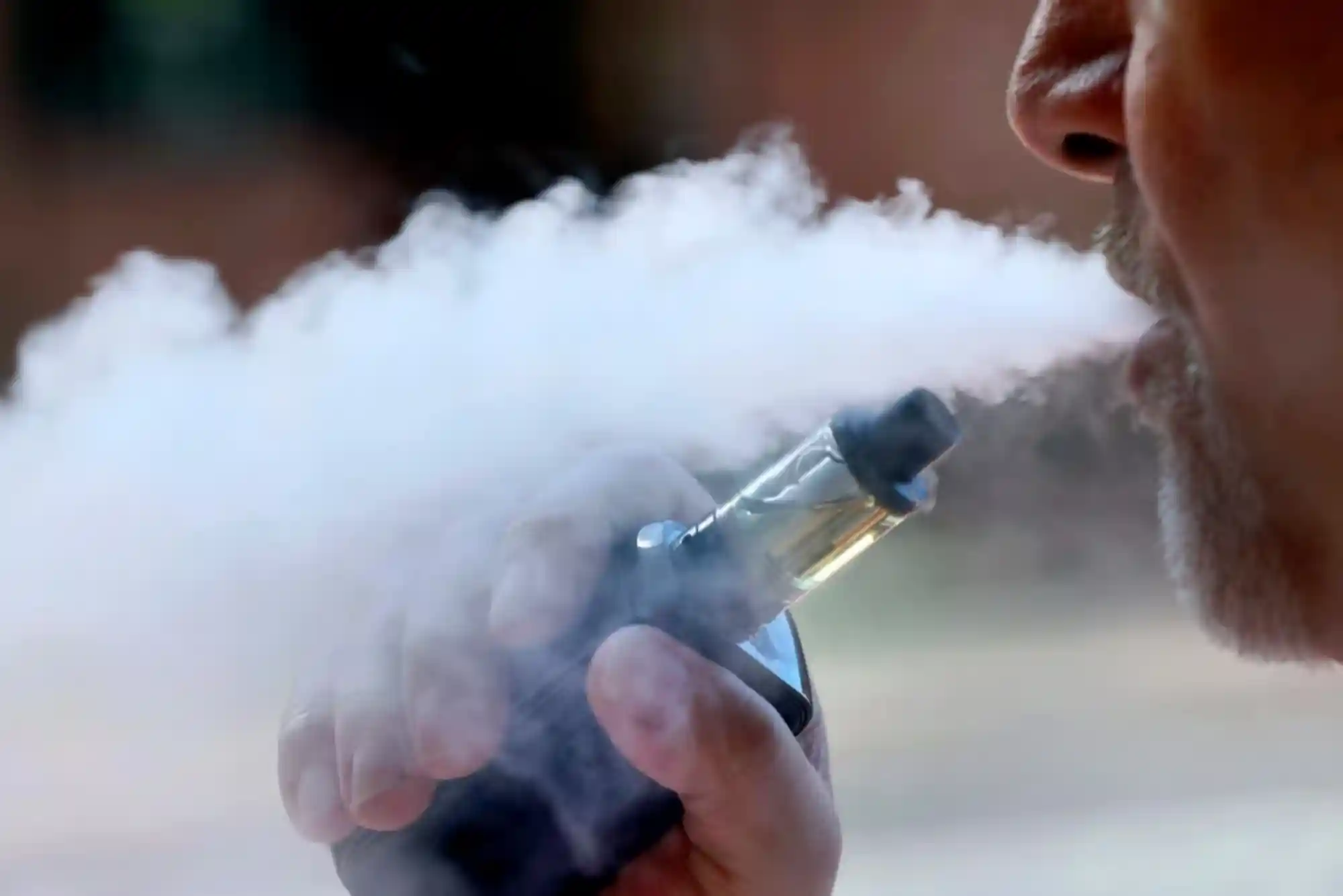
Legal vape advocacy in America has become an increasingly important part of the national conversation about tobacco regulation, consumer rights, public health, and individual freedom. As vaping products continue to attract attention from lawmakers, regulators, healthcare professionals, manufacturers, and adult consumers, the need for balanced and informed advocacy has grown significantly. Legal vape advocacy focuses on ensuring that regulations are transparent, businesses understand their responsibilities, and adult consumers have access to accurate information about vaping products.
The discussion is no longer limited to whether vaping should be permitted or restricted. It increasingly concerns how the government should regulate the industry, which products should receive authorization, how retailers can remain compliant, and how public health concerns should influence future policies.
Across the United States, different organizations are participating in these discussions. Some emphasize consumer access and fair business regulations, while others prioritize preventing youth nicotine use and strengthening enforcement. These competing perspectives have made legal vape advocacy a significant influence on America’s evolving regulatory environment.
Understanding this movement requires looking beyond individual products and examining the legal framework, political discussions, court challenges, and consumer interests shaping the industry.
Understanding Legal Vape Advocacy in America
Legal vape advocacy refers to organized efforts to influence laws, regulations, and government policies affecting electronic cigarettes, vaping devices, and related products. It involves manufacturers, retailers, consumer organizations, public health groups, legal professionals, and concerned citizens.
The primary objective is to ensure that vaping-related laws are developed and enforced through clear, consistent, and evidence-informed processes.

For industry representatives, advocacy often involves challenging unnecessary regulatory barriers, supporting fair licensing requirements, and requesting transparent product authorization procedures. Retailers may also participate by communicating how complicated regulations affect smaller businesses and local communities.
Consumer-focused advocacy addresses access to accurate product information, transparent manufacturing standards, and consistent enforcement against illegal products.
However, legal vape advocacy is not a single organized movement with one shared position. Different groups have different priorities. Public health organizations, for example, frequently advocate stronger restrictions on unauthorized products and measures to prevent underage access.
This diversity makes the movement an important part of the broader American policy debate.
Why Legal Vape Advocacy Is Growing Across America
Several developments have contributed to the growing importance of legal vape advocacy in the United States.
Increasing Government Regulation
The federal government has established an extensive regulatory framework for electronic nicotine delivery systems. The Food and Drug Administration (FDA) regulates important aspects of the industry, including manufacturing, product authorization, labeling, advertising, distribution, and sales.
These requirements have created significant responsibilities for manufacturers and retailers.
As regulatory expectations become more complicated, businesses increasingly need legal guidance and opportunities to communicate their concerns to policymakers.
Advocacy organizations help bring these challenges into public discussions, particularly when proposed policies could affect product availability, competition, and business operations.
Growing Consumer Awareness
Adult consumers are becoming more interested in understanding the products they purchase and the regulations governing them.
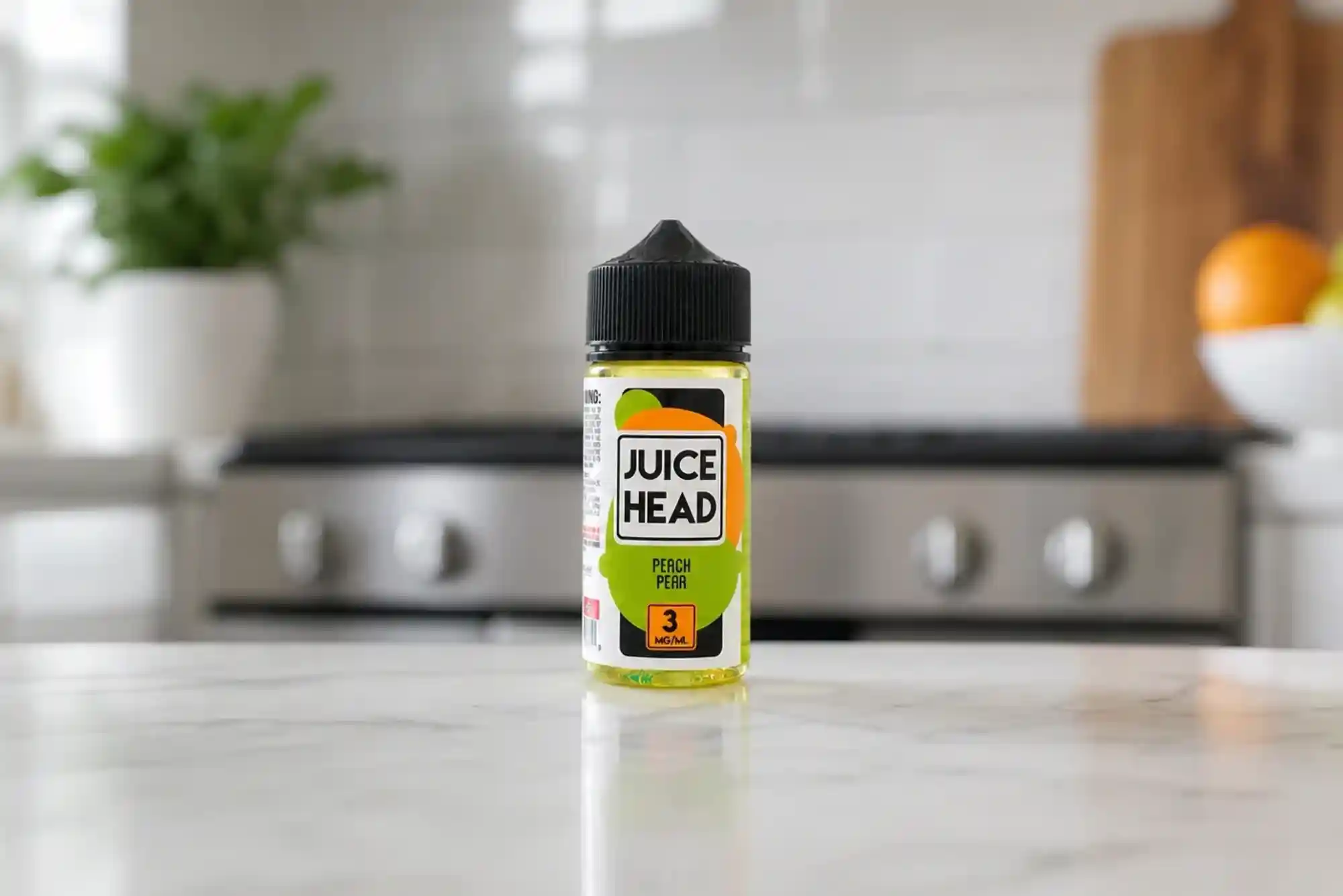
Questions about ingredient transparency, product authorization, nicotine content, and manufacturing quality have become important subjects of public discussion.
Consumer awareness also encourages advocacy groups to demand clearer explanations of regulatory decisions.
Nevertheless, consumers should understand that legal availability does not automatically establish that a product is safe or risk-free.
Changing Political and Legal Discussions
Vaping regulations frequently become part of broader political conversations about personal freedom, public health, government oversight, and business rights.
State governments have introduced different approaches to regulating vape sales. These include licensing requirements, product directories, taxation, packaging restrictions, and retail compliance standards.
Consequently, legal vape advocacy has become increasingly relevant to discussions at both state and federal levels.
The FDA’s Influence on Legal Vape Advocacy
The FDA plays a central role in determining which vaping products can legally enter the American marketplace.
Under the Family Smoking Prevention and Tobacco Control Act, the agency received authority to regulate tobacco products, including electronic nicotine delivery systems.
One of its most important responsibilities involves reviewing Premarket Tobacco Product Applications (PMTAs).
Manufacturers generally need FDA marketing authorization before introducing new tobacco products into the American market. The agency evaluates whether permitting a product to be marketed would be appropriate for the protection of public health.
This assessment considers the risks and benefits to the population as a whole, including people who use tobacco products and those who do not.
Why FDA Authorization Matters
FDA authorization has become a major issue within legal vape advocacy because it directly influences which products can legally be marketed.
Manufacturers must provide scientific information and other required evidence through the appropriate application process.
Products without the required authorization are generally subject to enforcement action. Submitting an application does not automatically provide permission to sell a product.
This distinction is particularly important for retailers that may mistakenly assume products are legal simply because manufacturers claim to have submitted applications.
Understanding FDAs Role in Regulating E-Liquid Ingredients can help readers explore how ingredient oversight fits into the wider regulatory framework.
Balancing Product Innovation and Public Health
The vaping industry continues to develop new devices, formulations, and manufacturing approaches. However, innovation must operate within established legal requirements.
Industry advocates often emphasize predictable approval procedures and transparent regulatory decisions. Public health organizations, meanwhile, stress that scientific review and youth protection must remain central to the authorization process.
Finding an appropriate balance between these priorities remains one of the major challenges facing American regulators.
The Role of State Governments in Vape Advocacy
Although federal regulations establish important national requirements, individual states have considerable influence over the retail environment.
State governments can introduce additional restrictions concerning taxation, licensing, packaging, distribution, and youth access.
This creates a complicated regulatory landscape for companies operating across multiple states.
Different State Laws Create Different Challenges
A retailer operating in California may face different requirements from a business operating in Texas, Florida, or New York.
Some states have adopted additional restrictions on flavored products, while others have introduced registration systems or specific licensing requirements.
For manufacturers and distributors, understanding these differences is essential.
Legal vape advocacy organizations frequently encourage policymakers to make state requirements clearer and easier to understand. They may also challenge regulations they believe conflict with federal law or impose unnecessary burdens.
Readers can explore these differences through the U.S. e-cigarette regulation policy tracker.
The resource provides an overview of state and territorial regulations involving taxation, product definitions, packaging, youth access, and retail licensing. Its published maps reflect laws as of June 15, 2025, so readers should also check newer legislative developments.
State Vape Product Directories
Another important development involves state-managed electronic cigarette directories.
These systems identify products that meet particular state requirements for legal sale. Depending on the law, manufacturers may need to provide certifications or demonstrate compliance with applicable federal authorization requirements.
As these directories expand, manufacturers and retailers face additional administrative responsibilities.
Advocacy organizations are therefore paying closer attention to whether state registration systems support consistent enforcement and comply with federal law.
Legal Challenges Shaping the Vaping Industry
Court cases have become another important part of legal vape advocacy in America.
Manufacturers, retailers, public health organizations, and government agencies sometimes disagree about how federal and state laws should be interpreted.
These disagreements can result in lawsuits that influence the future of the entire industry.
Disputes Over State Product Restrictions
Some industry organizations argue that particular state product-directory laws create conflicts with federal regulatory authority.
Government officials and public health advocates may defend these laws as necessary tools for restricting unauthorized products.
For example, the litigation involving Vapor Technology Association v. Wooten concerns North Carolina’s electronic cigarette product registry law.
The case demonstrates how disagreements about state regulatory authority can move from legislative discussions into federal courts.
Public Health Organizations Challenging FDA Policy
Legal advocacy does not only come from manufacturers and retailers.
In July 2026, several public health organizations, pediatricians, and parents filed a lawsuit challenging an FDA enforcement policy concerning certain unauthorized e-cigarette and nicotine pouch products.
The plaintiffs argued that the policy could permit products to remain on the market without the marketing authorization required by federal law.
The case, Campaign for Tobacco-Free Kids v. FDA, illustrates the importance of legal challenges in shaping regulatory enforcement.
By October 2026, the plaintiffs had filed a motion for summary judgment, and the Public Health Law Center had submitted an amicus brief supporting their position.
These developments demonstrate that legal vape advocacy includes organizations seeking stronger restrictions as well as groups seeking greater flexibility for the industry.
The Importance of Consumer Rights and Responsible Advocacy
Consumer rights are another important consideration in America’s vaping policy debate.
Adult consumers benefit from clear product information, transparent regulations, and effective enforcement against counterfeit or unlawfully marketed products.
However, consumer rights should not be confused with unrestricted access to every product available online or through retail stores.
Promoting Accurate Product Information
Consumers need reliable information about product ingredients, nicotine concentrations, labeling, and manufacturing standards.
Advocacy organizations can encourage businesses to communicate these details clearly and avoid misleading advertising.
This is especially important because vaping products are not risk-free. Nicotine is addictive, and e-cigarette aerosol can contain potentially harmful substances.
People who do not currently use tobacco products, particularly young people, should not begin using nicotine products.
Protecting Young People
Preventing underage access remains one of the most important areas of vaping regulation.
Federal law establishes 21 as the minimum legal age for purchasing tobacco products, including e-cigarettes.
Retailers must follow age-verification requirements and applicable state and local restrictions.
Responsible advocacy should support effective measures that prevent illegal sales to minors.
It should also encourage stronger enforcement against businesses that knowingly violate these requirements.
How Vape Businesses Can Participate in Legal Advocacy
Vape manufacturers, distributors, and retailers can contribute to regulatory discussions by understanding the laws affecting their operations.
Their participation can help policymakers recognize practical compliance challenges while encouraging responsible business practices.
Following Regulatory Developments
Businesses should regularly monitor FDA announcements, state legislative changes, and relevant court decisions.
Regulations can change, and a product or business practice that previously met applicable requirements may become subject to additional restrictions.
Staying informed helps businesses avoid preventable compliance problems.
Working With Industry and Legal Organizations
Trade associations and legal professionals can provide valuable information about regulatory proposals, licensing requirements, and legal developments.
Businesses may participate in public consultations, submit comments where permitted, and communicate their experiences to elected representatives.
These activities allow industry participants to contribute to policy discussions through established legal channels.
Maintaining Responsible Retail Practices
Advocacy should also be supported by responsible business operations.
Retailers should verify customer ages, maintain appropriate records, check product authorization status, and avoid unsupported health claims.
Manufacturers should prioritize accurate labeling, ingredient transparency, and compliance with applicable product requirements.
These practices strengthen consumer confidence while supporting the industry’s credibility.
The Role of Digital Media in Modern Vape Advocacy
Digital platforms have transformed how advocacy organizations communicate with consumers and policymakers.
Websites, online publications, social media discussions, and educational resources make regulatory information easier to distribute.
Organizations can publish policy updates, explain legal developments, and encourage interested individuals to participate in public discussions.
However, digital communication also creates challenges.
Misleading product claims, inaccurate interpretations of legislation, and promotional content targeting young audiences can undermine responsible advocacy.
Organizations involved in legal vape advocacy should therefore prioritize factual reporting and transparent communication.
Educational websites such as vaporcrafts can contribute to industry awareness by providing information about vaping-related topics and regulatory developments.
The most useful resources distinguish between established legal requirements, proposed legislation, industry opinions, and public health research.
Major Challenges Facing Legal Vape Advocacy in America
Despite its growing influence, legal vape advocacy faces several significant challenges.
One major difficulty is the disagreement between stakeholders about the appropriate balance between consumer access and public health protection.
Manufacturers may prioritize predictable approval processes, while public health organizations emphasize stronger restrictions and enforcement.
Another challenge involves regulatory complexity. Businesses must understand federal requirements alongside state and local laws, which can differ considerably.
Legal uncertainty also creates difficulties. Court decisions may change how particular state restrictions are applied, while new legislative proposals can introduce additional obligations.
Financial pressure is another concern, especially for smaller businesses that may struggle with regulatory application costs, legal expenses, and licensing requirements.
Finally, public misinformation can make constructive discussions more difficult. Advocacy groups must communicate accurately without exaggerating either the potential benefits or the risks associated with vaping.
Addressing these challenges requires cooperation, reliable research, transparent policymaking, and meaningful public participation.
What Is the Future of Legal Vape Advocacy in America?
The future of legal vape advocacy will largely depend on regulatory decisions, scientific evidence, political priorities, and developments in federal and state courts.
Product authorization is likely to remain a central issue as manufacturers seek permission to market new products and regulators evaluate applications.
State product directories may also continue expanding, creating additional questions about federal authority, interstate commerce, and regulatory consistency.
At the same time, public health organizations will likely continue advocating for stronger enforcement against unauthorized products and better protection for young people.
Technology may also influence future regulations. Improvements in product tracking, manufacturing documentation, and age-verification systems could help businesses meet compliance requirements.
However, technological improvements cannot replace legal authorization or eliminate the health risks associated with nicotine use.
Ultimately, successful legal vape advocacy should encourage transparent regulations, responsible business practices, meaningful consumer protection, and evidence-based policymaking.
Why Legal Vape Advocacy Matters
Legal vape advocacy in America has developed into an important part of the country’s ongoing discussion about consumer rights, public health, business regulations, and government oversight.
From FDA authorization requirements to state product directories and federal court challenges, the industry continues to experience significant legal developments.
Both industry representatives and public health organizations have important roles in these discussions. Their perspectives may differ, but accurate information, transparent policies, and effective enforcement remain essential.
FAQs
What is the legal status of vaping in the United States?
Vaping is legal for adults under federal law, subject to applicable federal, state, and local restrictions. However, individual products must meet relevant regulatory requirements. New tobacco products generally require FDA marketing authorization before they can legally be marketed in the United States.
What is the legal age to buy vapes in America?
The federal minimum age to purchase tobacco products, including e-cigarettes and vaping devices, is 21. Retailers must follow federal age restrictions and any additional state or local requirements.
Does the FDA regulate all vaping products?
The FDA regulates electronic nicotine delivery systems, including e-cigarettes, e-liquids, cartridges, and certain device components. Its authority covers manufacturing, importing, packaging, labeling, advertising, distribution, and sales.
Can you legally sell vapes without FDA approval?
Generally, no. New tobacco products require FDA marketing authorization before they can legally be marketed. A pending Premarket Tobacco Product Application does not automatically authorize commercial sales. Certain enforcement policies may affect agency priorities, but they do not independently establish legal authorization.
Why are some vape products banned in certain states?
States can introduce additional restrictions concerning flavored products, retail sales, licensing, taxation, packaging, and product directories. Consequently, a product’s legal availability may differ between states. Businesses should review applicable federal, state, and local requirements before selling vaping products.
What is a PMTA in the vaping industry?
PMTA stands for Premarket Tobacco Product Application. It is the application manufacturers generally submit to the FDA when seeking authorization to market a new tobacco product. The FDA evaluates scientific evidence and determines whether marketing the product would be appropriate for the protection of public health.
Why is vape advocacy important?
Vape advocacy provides a platform for discussing regulatory decisions, consumer information, business compliance, public health protection, and industry accountability. Different advocacy groups represent different interests, helping bring competing perspectives into legislative and regulatory discussions.
Are flavored vapes legal in America?
The legality of flavored vaping products depends on FDA marketing authorization and applicable state and local restrictions. Some products may have federal authorization, while certain states impose additional restrictions. Consumers and retailers should not assume that a flavored product is legal simply because it is available for purchase.
How can vape businesses stay compliant with American laws?
Vape businesses should monitor FDA requirements, verify product marketing authorization, maintain accurate records, follow state licensing rules, implement age-verification procedures, and review advertising restrictions. Consulting qualified legal professionals can also help businesses understand complicated regulatory obligations.
Editorial note: The regulatory discussion reflects developments available as of November 3, 2026. The linked Public Health Law Center state review has a June 15, 2025 data date, so newer state laws should be checked separately.
Related Reading: Vape Compliance 101: Avoiding Penalties and Fines