Introduction
The vaping industry has changed significantly as regulators work to understand the health risks associated with electronic cigarettes and other nicotine delivery products. Among the most important regulatory bodies in the United States is the Food and Drug Administration (FDA), which oversees the manufacture, marketing, and distribution of tobacco products, including e-cigarettes and e-liquids.
Understanding the FDA’s role in regulating e-liquid ingredients is essential for manufacturers, retailers, distributors, and consumers. E-liquids contain several components, including nicotine, flavorings, solvents, and other chemical substances. Although some ingredients are commonly used in food or pharmaceutical products, their safety cannot automatically be assumed when inhaled.
The FDA evaluates tobacco products under federal law, including the Family Smoking Prevention and Tobacco Control Act and the Federal Food, Drug, and Cosmetic Act. Its responsibilities include reviewing product applications, monitoring manufacturing practices, enforcing marketing restrictions, and taking action against unauthorized products.
For businesses operating in the vaping industry, compliance is not simply a legal requirement. It also helps establish consumer confidence and supports responsible product distribution.
Understanding the FDA’s Authority Over E-Liquid Ingredients
The FDA regulates e-cigarettes and e-liquids as tobacco products when they contain nicotine made or derived from tobacco, or when they fall within the statutory definition of a tobacco product.
The agency’s authority extends to the ingredients and components used in these products. This includes nicotine, flavoring substances, carrier liquids, and other additives.

Federal Laws Governing E-Liquid Regulation
The Tobacco Control Act established the FDA’s authority to regulate tobacco products. Subsequent legislation expanded the agency’s authority to cover additional tobacco products, including electronic nicotine delivery systems.
Under federal law, manufacturers generally must obtain FDA marketing authorization before introducing a new tobacco product into the U.S. market.
This requirement applies to many e-cigarettes, e-liquids, and related components.
The FDA evaluates whether a product meets the applicable legal standard, including whether marketing it would be appropriate for the protection of public health.
Why Ingredient Regulation Matters
E-liquids are designed to be heated and inhaled. This creates different safety considerations from products intended to be eaten or applied to the skin.
An ingredient that is considered safe for food use may produce different effects when heated and inhaled.
For example, certain flavoring chemicals have been associated with respiratory concerns when inhaled. Heating e-liquid can also produce additional chemical compounds that may affect the lungs.
The FDA therefore considers ingredient information as part of its broader evaluation of tobacco products.
What Ingredients Are Commonly Found in E-Liquids?
Understanding the composition of e-liquids helps explain why regulatory oversight is necessary.
Most e-liquids contain a combination of carrier liquids, nicotine, flavorings, and other substances.
Propylene Glycol and Vegetable Glycerin
Propylene glycol (PG) and vegetable glycerin (VG) are commonly used as carrier liquids in e-cigarettes.
PG helps distribute flavorings and produces a thinner liquid, while VG contributes to vapor production and creates a thicker consistency.
Both substances have established uses in other industries. However, their safety when repeatedly heated and inhaled requires separate consideration.
Manufacturers must understand how these ingredients behave under the conditions in which their products are used.
Nicotine and Nicotine Salts
Nicotine is an addictive substance commonly found in e-liquids.
Some products use freebase nicotine, while others contain nicotine salts. These formulations can differ in their chemical properties and how they are experienced by users.
The FDA considers nicotine concentration, product design, and potential exposure when reviewing tobacco products.
Manufacturers must accurately disclose nicotine content and provide supporting information in their regulatory submissions.
Flavoring Chemicals and Additives
Flavorings are among the most complicated ingredients to evaluate because they can contain multiple chemical substances.
Common flavor categories include fruit, mint, dessert, and beverage-inspired profiles.
However, flavorings intended for food products are not automatically appropriate for inhalation.
Manufacturers must consider the identity, concentration, and potential effects of each substance used in their formulations.
The FDA may examine available toxicological information and other scientific evidence when assessing these ingredients.
How the FDA Reviews E-Liquid Ingredients
The FDA uses a regulatory review process to evaluate new tobacco products before they can legally be marketed in the United States.
This process is intended to assess the potential effects of a product on public health.
Premarket Tobacco Product Applications
A Premarket Tobacco Product Application (PMTA) is one of the main pathways through which manufacturers seek authorization to market new tobacco products.
A PMTA generally includes information about the product’s ingredients, manufacturing processes, design, and potential health effects.
Manufacturers may also need to provide scientific evidence concerning product chemistry, toxicology, and consumer exposure.
The FDA reviews this information to determine whether the product meets the applicable statutory standard.
Submitting an application does not automatically authorize a product for sale.
Scientific Evaluation of Ingredients
The FDA may examine the chemical composition of an e-liquid and consider whether its ingredients could create health risks.
This assessment can involve evaluating toxicological studies, laboratory testing, and information about potential exposure.
The agency may also consider whether heating the product produces harmful or potentially harmful constituents.
Ingredient evaluation is not limited to nicotine. Other substances in the formulation can influence the product’s overall risk profile.
Manufacturing and Quality Control
Ingredient safety also depends on how a product is manufactured.
Contamination, inconsistent nicotine concentrations, and poor quality control can create additional risks.
Manufacturers should establish procedures for verifying ingredient identity, maintaining consistent formulations, and documenting production processes.
Accurate records can also help businesses respond to regulatory inquiries and investigate product complaints.
Does the FDA Approve Every E-Liquid Ingredient?
A common misconception is that every ingredient in an e-liquid must receive separate FDA approval before it can be used.
The regulatory system is more complex.
The FDA generally evaluates tobacco products as complete products through the applicable authorization pathway. The agency considers their ingredients, design, manufacturing processes, and potential effects on public health.
An ingredient’s presence in a product does not mean the FDA has independently approved it for inhalation.
Similarly, the fact that an ingredient is commonly used in food does not establish that it is safe for use in an e-cigarette.
Manufacturers remain responsible for ensuring that their products comply with applicable legal requirements.
Retailers should also avoid making unsupported claims about ingredient safety or FDA approval.
How the FDA Enforces E-Liquid Regulations
The FDA uses several enforcement mechanisms to address violations of federal tobacco product requirements.
These measures are intended to discourage unlawful marketing and protect consumers.
Warning Letters and Regulatory Notices
The FDA may issue warning letters to businesses that violate applicable tobacco product requirements.
Such letters can address issues including marketing unauthorized products, making prohibited claims, or failing to comply with other federal requirements.
Businesses receiving regulatory notices should review the allegations carefully and seek qualified legal advice when necessary.
Marketing Denial and Enforcement Actions
The FDA may deny a marketing application when a product does not meet the applicable legal standard.
The agency may also take enforcement action against unauthorized products being marketed in the United States.
Depending on the circumstances, enforcement measures can include warning letters, product seizures, injunctions, and other actions permitted by law.
Monitoring Online and Retail Sales
The FDA monitors tobacco product sales through retail inspections, online surveillance, and other compliance activities.
Retailers should maintain accurate product records and ensure that their inventory consists of products legally authorized for sale.
Businesses must also follow applicable age-verification requirements.
For additional information, retailers can review the FDA’s guidance on FDA Tobacco 21 and age-verification rules.
What E-Liquid Manufacturers Must Do to Stay Compliant
Manufacturers should approach compliance as an ongoing responsibility rather than a one-time application process.
Regulatory requirements can affect product development, manufacturing, packaging, marketing, and distribution.
Maintain Accurate Ingredient Documentation
Manufacturers should maintain detailed records of every ingredient used in their products.
These records should identify the substances, concentrations, suppliers, and relevant quality specifications.
Documentation can help demonstrate that a product’s formulation matches the information submitted to regulators.
It also supports investigations when ingredient-related concerns arise.
Avoid Unauthorized Product Changes
Changing an e-liquid’s flavoring, nicotine concentration, or other formulation details may create additional regulatory obligations.
Businesses should evaluate whether a proposed change affects an existing marketing authorization or requires a new application.
They should not assume that authorization for one product automatically covers every variation.
Use Responsible Marketing Practices
Manufacturers and retailers should avoid unsupported claims that vaping products are harmless, FDA-approved, or proven to prevent disease.
Marketing materials should accurately describe the product and comply with applicable restrictions.
Businesses should also avoid promotional practices that may appeal to underage consumers.
Why Ingredient Transparency Matters to Consumers
Consumers increasingly want to understand what they are inhaling.
Clear ingredient information can help people make more informed purchasing decisions, although it does not guarantee that a product is safe.
Reading E-Liquid Labels
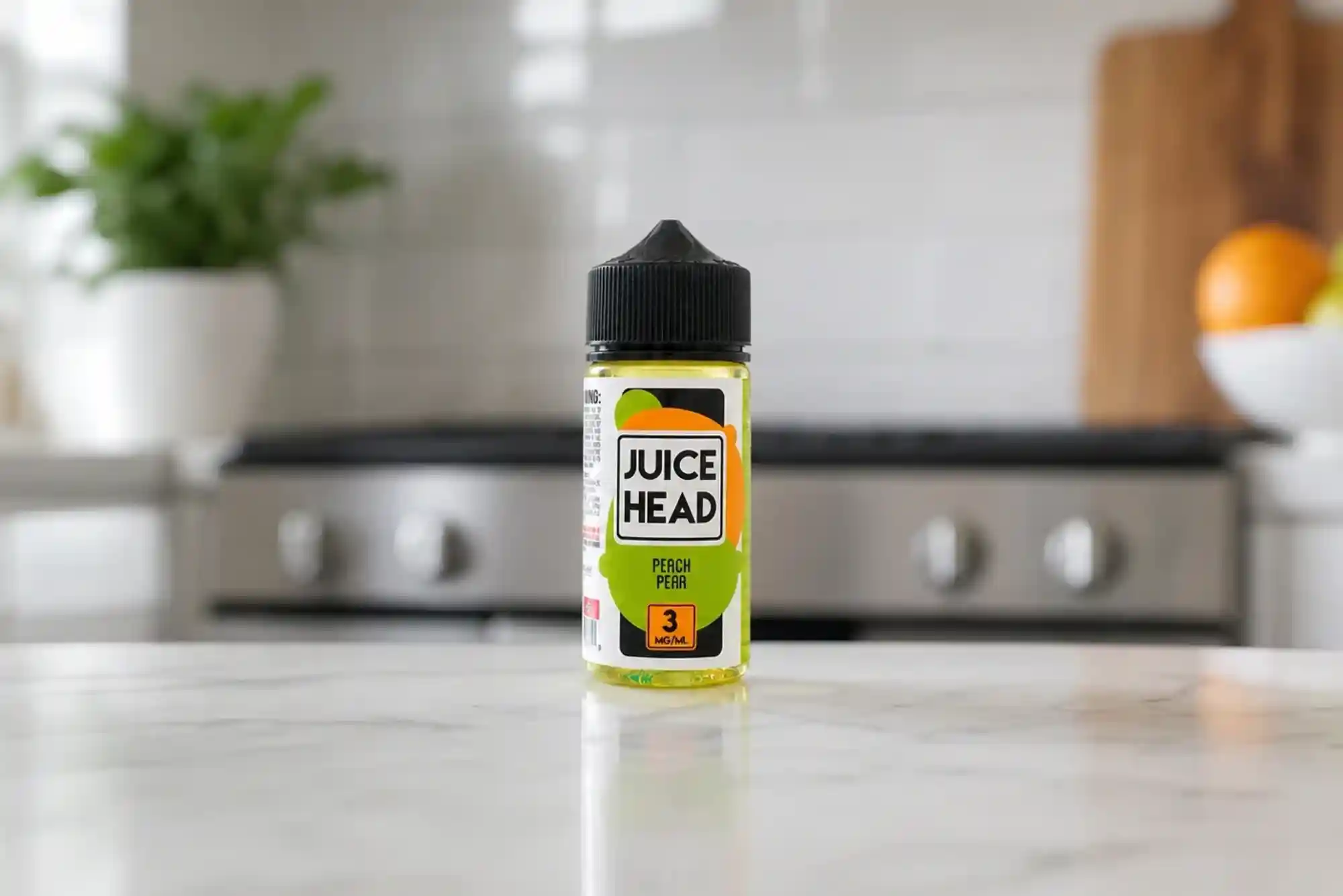
Consumers should review product labels for nicotine concentration, ingredient information, manufacturer details, and relevant warnings.
They should be cautious about products with incomplete labeling or unclear sourcing.
Products that make broad claims about being completely safe or harmless should also be approached carefully.
Understanding the Limits of Ingredient Information
A label provides useful information, but it cannot fully describe every potential risk associated with vaping.
The effects of inhaled substances depend on factors such as concentration, heating conditions, frequency of use, and individual health circumstances.
Consumers should therefore understand that ingredient transparency is an important part of responsible product regulation, not proof of zero risk.
How Vape Retailers Can Prepare for Regulatory Changes
Retailers play an important role in maintaining compliance throughout the supply chain.
Even when a retailer does not manufacture e-liquids, it can face legal consequences for selling products that violate federal requirements.
Businesses should regularly review their suppliers and product inventories.
They should also monitor regulatory announcements, maintain documentation, and train employees on age-verification procedures.
The vaping industry continues to face increased regulatory attention. Retailers can learn more about changing enforcement priorities in How Enforcement of Vape Sales Is Tightening in 2026.
Staying informed can help businesses identify potential compliance issues before they become serious problems.
The Future of FDA Regulation of E-Liquid Ingredients
The FDA’s approach to e-liquid regulation is likely to continue evolving as scientific research develops and new products enter the market.
Emerging formulations, synthetic nicotine products, and new delivery technologies may create additional regulatory questions.
Manufacturers should expect continued attention to ingredient transparency, product authorization, and the scientific evidence supporting product safety.
The agency’s decisions may also be influenced by new research into aerosol chemistry, nicotine exposure, and the effects of vaping on public health.
Businesses that prioritize accurate documentation and responsible manufacturing will be better positioned to respond to regulatory developments.
The FDA plays a central role in regulating e-liquid ingredients and overseeing the products sold in the United States.
Its responsibilities include evaluating product applications, examining ingredient information, monitoring manufacturing practices, and enforcing federal tobacco product requirements.
For manufacturers, compliance requires careful ingredient selection, accurate documentation, and ongoing attention to regulatory developments. Retailers must also verify that their products are legally authorized and follow applicable sales restrictions.
Consumers benefit from understanding that an ingredient’s use in food or other products does not automatically establish its safety when inhaled.
As the vaping industry continues to evolve, responsible businesses must treat regulatory compliance as a core part of their operations.
For additional information about vaping regulations, product compliance, and industry developments, visit vaporcrafts.
FAQs
Does the FDA regulate e-liquid ingredients?
Yes. The FDA regulates e-cigarettes and e-liquids under federal tobacco product laws. Its review may include nicotine, flavorings, carrier liquids, and other ingredients.
Are all e-liquid ingredients approved by the FDA?
No. The FDA does not independently approve every ingredient for inhalation. It evaluates tobacco products through applicable regulatory pathways, considering their ingredients, manufacturing, and potential public health effects.
Are food-grade ingredients safe for vaping?
Not necessarily. An ingredient considered safe for consumption may behave differently when heated and inhaled. Its safety must be evaluated for the intended route of exposure.
Can manufacturers sell e-liquids without FDA authorization?
Generally, manufacturers must obtain the required FDA marketing authorization before introducing a new tobacco product into the U.S. market. Selling unauthorized products can result in enforcement action.
What happens if an e-liquid manufacturer violates FDA regulations?
The FDA may issue warning letters, deny marketing applications, or pursue other enforcement measures permitted by law. The consequences depend on the nature and seriousness of the violation.
How can consumers identify an FDA-authorized e-liquid?
Consumers can consult the FDA’s official tobacco product resources and marketing authorization information. They should not assume that a product is authorized simply because it carries an FDA-related claim or is available in a retail store.
Why does the FDA regulate flavorings in e-liquids?
Flavorings can contain chemicals that behave differently when heated and inhaled. The FDA considers ingredient information and available scientific evidence when evaluating potential public health effects.
Does FDA authorization mean an e-liquid is completely safe?
No. FDA marketing authorization does not mean that a tobacco product is harmless or risk-free. It means the product has met the applicable legal standard for marketing authorization.