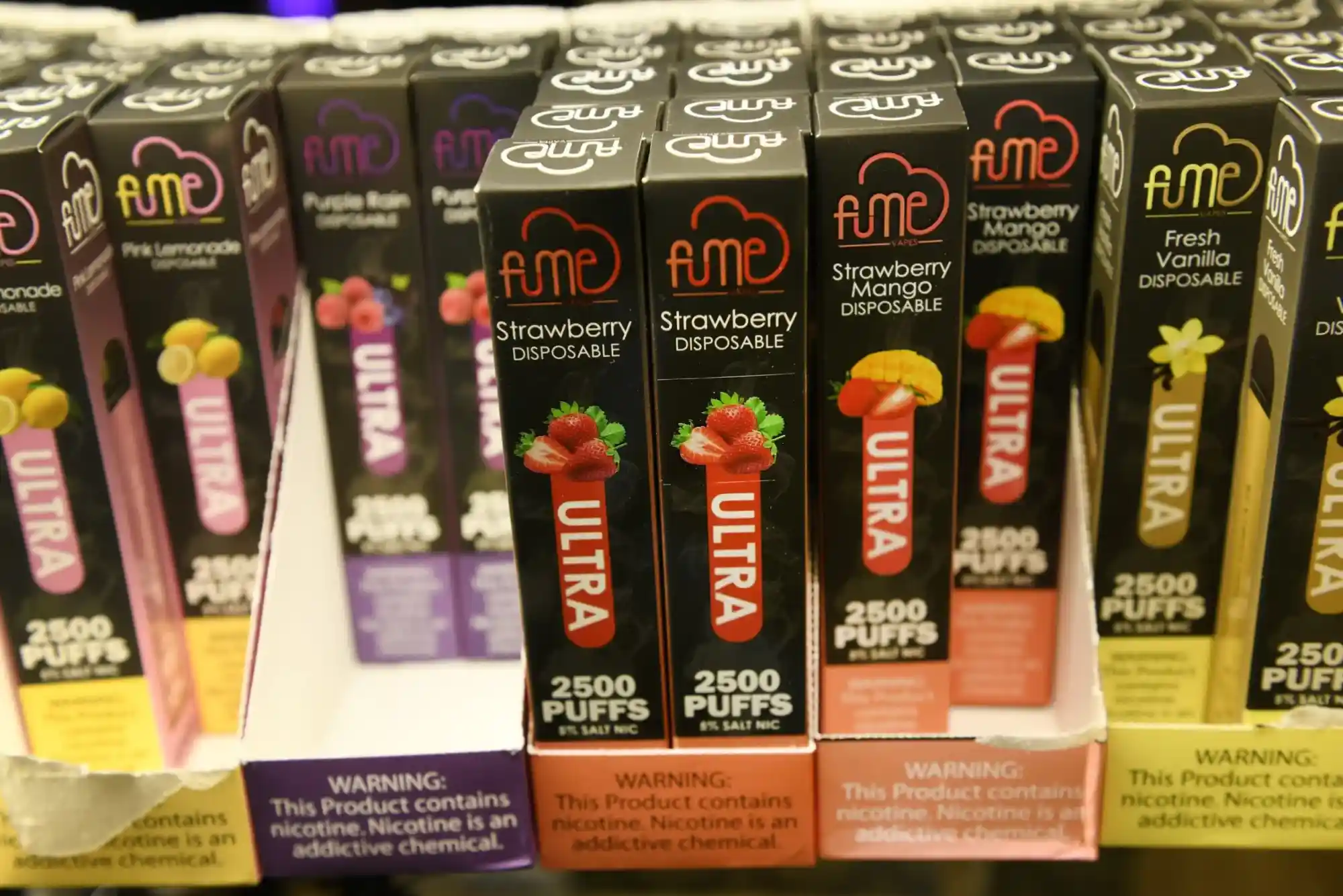
Introdcution
Vape flavor bans have become a major concern for small businesses across the United States. These restrictions can change which products retailers are allowed to sell, influence customer purchasing decisions, and create unexpected financial pressure. For independent vape shops, convenience stores, and small distributors, even a limited restriction can affect daily operations.
The impact of vape flavor bans on small businesses goes beyond removing certain products from store shelves. Business owners may need to adjust inventory, renegotiate supplier relationships, review local regulations, and find new ways to retain customers. At the same time, public health concerns, particularly youth access to flavored nicotine products, continue to influence regulatory decisions.
Understanding these changes is essential for retailers who want to remain compliant and financially stable. By examining the economic consequences, regulatory challenges, and practical responses, small business owners can better prepare for a changing marketplace.
What Are Vape Flavor Bans?
Vape flavor bans are restrictions that prohibit or limit the sale of certain flavored electronic nicotine delivery system products. Depending on the jurisdiction, these rules may cover fruit, candy, dessert, mint, menthol, or other flavor categories. Some regulations apply broadly, while others focus on particular products, retailers, or sales channels.
The exact requirements vary significantly between federal, state, county, and city authorities. A flavor that can legally be sold in one location may be restricted in another.
Why Are Governments Restricting Vape Flavors?
Public health authorities often argue that appealing flavors can encourage young people to experiment with nicotine products. Regulators also examine nicotine addiction, product marketing, manufacturing standards, and whether manufacturers have obtained the necessary authorization to sell their products.

These concerns have led to different regulatory approaches, including restrictions on specific flavors, limitations on retail sales, and enforcement against unauthorized products.
For small businesses, the challenge is understanding which rules apply to their particular location and product range. Assuming that a product is legal simply because a supplier offers it can create serious compliance risks.
How Do Flavor Restrictions Differ by Location?
Some jurisdictions restrict selected flavors, while others impose broader prohibitions. Federal requirements can also affect whether individual electronic nicotine products may legally be marketed, independently of state or local flavor restrictions.
Consequently, retailers must distinguish between a flavor-specific prohibition and a product that lacks the required federal marketing authorization. These are related but separate regulatory questions.
How Vape Flavor Bans Affect Small Businesses Financially
The financial consequences of vape flavor bans can be particularly difficult for independent retailers. Large businesses may have more resources to absorb losses, diversify product lines, or negotiate with suppliers. A small shop, however, may rely on a comparatively narrow selection of products to generate revenue.
Lost Sales and Reduced Customer Spending
Flavored products can represent an important part of a vape retailer’s inventory. When popular options become unavailable, some customers may purchase permitted alternatives, while others may reduce their spending or visit another retailer.
This change can affect more than individual product sales. Customers who previously purchased several items during one visit may spend less when their preferred products are unavailable. Over time, lower transaction values and fewer repeat visits can put pressure on monthly revenue.
The effect varies by location, customer preferences, and the range of products that remain legally available. Therefore, businesses should evaluate actual sales data instead of assuming that every flavor restriction will produce the same outcome.
Unsold Inventory and Financial Losses
Inventory management becomes more complicated when regulations change quickly. A retailer may have already purchased products that later become restricted under a new state or local rule.
If those products cannot legally be sold, the business may face losses from unsold inventory, storage expenses, supplier disputes, or disposal requirements. Even when a supplier offers exchanges, shipping fees and contractual limitations can reduce the financial benefit.
Small businesses can reduce this exposure by reviewing upcoming regulatory changes, checking supplier return policies, and avoiding unnecessarily large orders of products facing regulatory uncertainty.
Higher Operating and Compliance Costs
Staying compliant requires time and money. Owners may need to review legal guidance, update inventory systems, train employees, modify product displays, and verify documentation from suppliers.
For a small retailer, these tasks often fall on the owner or a small team rather than a dedicated compliance department. Time spent researching regulations can also reduce the time available for customer service, purchasing, and business development.
Although compliance expenses vary, failing to account for them in financial planning can make an already challenging business environment more difficult.
The Impact on Independent Vape Shops and Local Communities
The consequences of vape flavor bans extend beyond individual transactions. Independent vape shops often operate on relatively narrow margins and depend on repeat customers, local relationships, and specialized product knowledge.
Pressure on Independent Retailers
Independent stores may have fewer opportunities to negotiate favorable supplier terms or spread costs across multiple locations. If restrictions remove a significant portion of their permitted inventory, replacing those products may require new supplier relationships and additional research.
Some shops may adapt successfully by focusing on legally permitted products and improving customer service. Others may struggle if replacement products generate lower margins or fail to meet customer demand.
These outcomes are not inevitable, but they demonstrate why small businesses need to treat regulatory developments as an operational issue rather than simply a change in product selection.
Employment and Local Economic Activity
A sustained decline in sales can affect staffing decisions, store hours, and plans for expansion. Businesses facing financial pressure may delay hiring, reduce employee hours, or reconsider opening additional locations.
Local suppliers and distributors can also experience reduced demand when retailers change their purchasing patterns. However, the scale of these effects depends on the market, the scope of the restrictions, and how businesses respond.
Competition From Other Sales Channels
When certain products become unavailable through legal retail channels, some consumers may look for alternatives online or outside their local area. Depending on the circumstances, this can redirect spending away from compliant neighborhood retailers.
Illegal or unauthorized products create additional public health and enforcement concerns. Legitimate businesses therefore have a strong interest in understanding the rules, checking product authorization, and avoiding suppliers who cannot provide reliable documentation.
Regulatory Challenges Small Businesses Must Understand
Vape flavor bans rarely operate in isolation. Retailers may need to consider federal product authorization requirements alongside state licensing rules, local flavor restrictions, age-verification obligations, labeling standards, and advertising limitations.
Understanding FDA Requirements
The U.S. Food and Drug Administration regulates electronic nicotine delivery systems under federal tobacco-product law. Products generally must have the applicable FDA marketing authorization to be legally marketed in the United States, unless a specific legal exception applies.
An FDA marketing authorization should not be confused with a blanket approval of a brand or flavor category. Retailers need to verify the status of the specific product they intend to sell.
Business owners seeking a clearer explanation can read Understanding the PMTA Process: A Complete Guide, which explains the Premarket Tobacco Product Application process and why regulatory documentation matters.
The FDA also provides an official FDA ENDS and nicotine product overview. Reviewing this resource can help retailers understand the federal regulatory framework and identify relevant compliance information.
Avoiding Costly Compliance Mistakes
One common mistake is treating supplier assurances as sufficient proof that a product can legally be sold. Retailers should independently verify relevant requirements and maintain accurate purchasing records.
Another mistake is assuming that a product is permitted under federal rules simply because it is not covered by a local flavor ban. Federal authorization and local restrictions must be evaluated separately.
Businesses should also monitor changes to enforcement policies and applicable legislation. Because rules can change, information that was accurate several months ago may no longer reflect current requirements.
How Small Businesses Can Adapt to Vape Flavor Bans
Although vape flavor bans create genuine challenges, careful planning can help retailers reduce uncertainty and protect their operations.
Review Inventory and Sales Data
Business owners should identify which products contribute most to revenue and which items may be affected by current or proposed restrictions. Reviewing sales by product category can reveal how dependent the business is on particular flavors.
This information supports better purchasing decisions and helps owners estimate the potential effects of regulatory changes. Inventory reviews should also include supplier return policies, existing stock levels, and the financial risks associated with restricted products.
Strengthen Supplier Relationships
Reliable suppliers can help retailers obtain accurate product documentation, understand manufacturing changes, and manage orders more effectively. Before placing large orders, owners should ask for relevant authorization information and clear contractual terms regarding returns or regulatory changes.
Maintaining relationships with more than one reputable supplier may also reduce disruptions. However, diversification should never mean purchasing products without verifying that their sale is lawful.
Improve Customer Communication
Clear communication helps customers understand why certain products may no longer be available. Staff should be trained to explain applicable restrictions accurately without making unsupported claims about product safety or legality.
Retailers can also gather feedback about the permitted products customers prefer. This information can guide lawful inventory decisions and improve the shopping experience.
Importantly, businesses should not attempt to work around flavor restrictions through misleading labels, disguised product descriptions, or sales practices designed to evade enforcement.
Build a Flexible Financial Plan
A practical financial plan should account for potential revenue declines, compliance expenses, and inventory losses. Owners can use different scenarios to estimate how changes in product availability might affect cash flow.
Keeping sufficient working capital, reviewing fixed expenses, and avoiding excessive inventory commitments can improve resilience. Businesses should also consider professional legal or accounting advice when regulatory changes could materially affect their operations.
Monitor Regulatory Developments
Small businesses benefit from checking official FDA announcements, relevant state health department guidance, and local government updates. Trade associations and qualified legal professionals may provide additional context, but official sources should remain central to compliance decisions.
A consistent review schedule is more useful than waiting until a new rule takes effect. Early awareness gives owners more time to evaluate suppliers, update procedures, and prepare for possible changes.
The Future of Small Businesses in a Changing Vape Market
The long-term effects of vape flavor bans will depend on regulatory developments, enforcement practices, consumer behavior, and the ability of businesses to adapt. Some retailers may maintain stable operations by managing costs carefully and focusing on products they can lawfully sell. Others may face difficult decisions if restrictions significantly affect their core customer base.
Digital inventory systems, better supplier verification, and stronger financial planning can make compliance more manageable. Nevertheless, technology and operational improvements cannot eliminate the need to understand the law.
Retailers should also recognize that the regulatory environment involves continuing debates about youth access, adult consumer preferences, and public health. Businesses that monitor credible information and make decisions based on documented requirements will be better positioned to respond responsibly.
For additional industry information and regulatory discussions, visit vaporcrafts. Business owners should use educational resources alongside current official guidance when making decisions about product sales.
Conclusion: Preparing Small Businesses for Vape Flavor Bans
Vape flavor bans can affect small businesses through reduced sales, unsold inventory, additional compliance expenses, and changing customer behavior. Independent vape shops may face particular difficulties because they often have limited financial resources and depend on repeat customers.
However, the effects are not identical for every business. Retailers can improve their preparedness by reviewing sales data, verifying product authorization, maintaining dependable supplier relationships, and monitoring local and federal regulations.
Take action today: Review your current inventory, identify products that may face restrictions, and confirm the applicable legal requirements before your next purchase. Staying informed and planning ahead can help protect your business from avoidable losses while supporting responsible retail practices.
FAQs
How do vape flavor bans affect small businesses?
Vape flavor bans can reduce sales of restricted products, leave retailers with unsellable inventory, increase compliance costs, and change customer purchasing habits. The impact depends on the restrictions in force, the products a business sells, and the availability of lawful alternatives.
Why are flavored vapes being banned?
Regulators often cite concerns that flavors appealing to young people may encourage nicotine experimentation and use. Policies differ by jurisdiction, and restrictions may target selected flavors, particular products, or broader categories of sales.
Are flavored vapes banned in the United States?
There is no single nationwide flavor ban covering every flavored vape in the same way. State and local restrictions vary, while federal marketing authorization requirements apply independently. Retailers should check current rules for their location and each product they sell.
Can vape shops sell flavored products that are not banned locally?
Not necessarily. A product’s absence from a local flavor prohibition does not establish that it is legally marketable under federal law. Retailers should verify applicable FDA marketing authorization requirements and all relevant state and local restrictions before selling it.
What happens to vape inventory when a flavor ban takes effect?
The outcome depends on the specific regulation, its effective date, and any applicable transition or enforcement provisions. Restricted products may become unsellable, creating financial losses. Retailers should review official guidance and supplier agreements rather than assuming that existing inventory can still be sold.
How can small vape businesses prepare for new flavor restrictions?
Businesses can monitor official announcements, review inventory exposure, verify product documentation, strengthen supplier relationships, train employees, and prepare financial contingency plans. Early preparation can reduce disruption and help prevent avoidable compliance mistakes.
Does FDA authorization mean a vape product is legal everywhere?
No. FDA marketing authorization addresses federal requirements, but it does not automatically override state or local flavor bans, licensing rules, or other applicable restrictions. Retailers must evaluate the complete set of requirements that applies to their products and location.
Related Reading: New Packaging Standards for U.S. Vape Products