Introduction
The regulation of vaping has become an important public health issue worldwide. As electronic cigarettes gain attention from governments, healthcare professionals, manufacturers, and consumers, countries are reconsidering how these products should be manufactured, marketed, sold, and monitored. The United States plays a significant role in this discussion because of its large consumer market, influential regulatory institutions, and extensive research into tobacco-related products.
Understanding how U.S. vape laws influence global policies helps explain why regulatory decisions made in America can affect businesses and consumers far beyond its borders. Rules established by the U.S. Food and Drug Administration (FDA), debates about flavored products, restrictions on youth access, and requirements for product authorization can influence international discussions about vaping.
However, global regulation is not simply a matter of other countries copying American laws. Each government must consider its own public health priorities, smoking rates, enforcement capabilities, and political environment. Some countries adopt similar approaches, while others develop significantly different policies.
This article explores how U.S. vape laws influence global policies, the mechanisms behind that influence, and what these developments mean for the future of the international vaping industry.
Understanding U.S. Vape Laws and Their Global Significance
U.S. vape laws operate through federal legislation, FDA regulations, state-level restrictions, and local requirements. These rules cover several areas, including product authorization, manufacturing, labeling, advertising, sales to minors, and taxation.
The FDA regulates electronic nicotine delivery systems under the federal tobacco-control framework. Manufacturers generally need the appropriate marketing authorization before legally marketing new tobacco products in the United States. The agency evaluates scientific evidence, including whether a product is appropriate for the protection of public health.

This process has attracted international attention because it demonstrates how governments can require manufacturers to provide evidence before introducing products to the market.
The FDA’s Role in Shaping Regulatory Expectations
The FDA influences global discussions through its regulatory decisions, scientific assessments, compliance activities, and public communications. Although FDA authorization applies to the U.S. market rather than automatically granting permission to sell products elsewhere, international regulators can study the agency’s methods when developing their own systems.
For example, another country might examine how the FDA evaluates product ingredients, nicotine delivery, manufacturing consistency, or potential effects on young people. Officials can then decide whether similar requirements would be suitable for their national circumstances.
The FDA’s approach also highlights the difference between a product being available for sale and a product having received regulatory authorization. This distinction is increasingly important in countries seeking stronger oversight of electronic cigarettes.
For an introduction to the relevant U.S. framework, the official FDA e-cigarette regulation overview provides information about electronic cigarettes, regulatory requirements, and the agency’s responsibilities.
Why the U.S. Market Matters Internationally
The United States has a substantial commercial influence on the global tobacco and vaping sectors. Companies operating in this market often invest in research, compliance systems, product testing, and regulatory documentation.
When U.S. requirements become more demanding, manufacturers may reconsider product ingredients, packaging, advertising practices, and distribution strategies across several markets. These adjustments can influence international operations even when other countries have different legal requirements.
Nevertheless, companies do not necessarily apply identical standards everywhere. Local laws, production costs, consumer preferences, and market conditions determine which changes become global practices and which remain specific to the United States.
How U.S. Vape Laws Influence Global Policies Through Product Standards
One of the clearest ways U.S. vape laws influence global policies is through product development and compliance expectations. Regulatory requirements can affect how manufacturers design, test, document, and distribute electronic cigarettes.
Ingredient Disclosure and Product Testing
Regulatory scrutiny encourages manufacturers to maintain detailed records of product ingredients, nicotine concentrations, aerosol characteristics, and manufacturing processes. These records can help companies respond to questions from regulators in different countries.
International authorities may also consider stronger ingredient disclosure and testing requirements when developing their own regulations. Such measures can improve oversight by helping officials identify products that contain undeclared substances or fail to meet applicable standards.
However, testing requirements vary considerably between jurisdictions. A test accepted by one regulator may not satisfy another, particularly when governments use different technical standards or evaluate different public health outcomes.
Manufacturing Quality and Consistency
Product consistency is another important consideration. Differences in nicotine concentration, liquid composition, device performance, and labeling can create regulatory and consumer protection concerns.
U.S. regulatory expectations encourage companies seeking access to the American market to develop organized compliance procedures. Some of these procedures may also support operations in other countries because manufacturers benefit from consistent documentation and quality management.
This does not mean that U.S. laws automatically establish a worldwide manufacturing standard. Rather, they can influence business practices by making documented quality controls more commercially valuable.
Youth Protection and International Marketing Restrictions
Protecting young people from nicotine addiction is a major concern in U.S. vape regulation. This priority has also become central to policy discussions in Europe, Asia, Australia, and other regions.
Age Restrictions and Retailer Responsibilities
Federal law in the United States prohibits retailers from selling tobacco products, including e-cigarettes, to people younger than 21. Enforcement and related requirements can affect retailers, online sellers, and distribution networks.
Other governments have adopted their own minimum-age requirements and enforcement systems. Although these rules are not necessarily direct results of U.S. policy, American experiences can contribute to international discussions about age verification, retailer accountability, and illegal sales.
Online sales create additional challenges because sellers may need to verify a customer’s age, comply with delivery restrictions, and prevent unauthorized purchases. Regulatory lessons from one market can help officials identify practical weaknesses in another.
Flavors, Advertising, and Youth Appeal
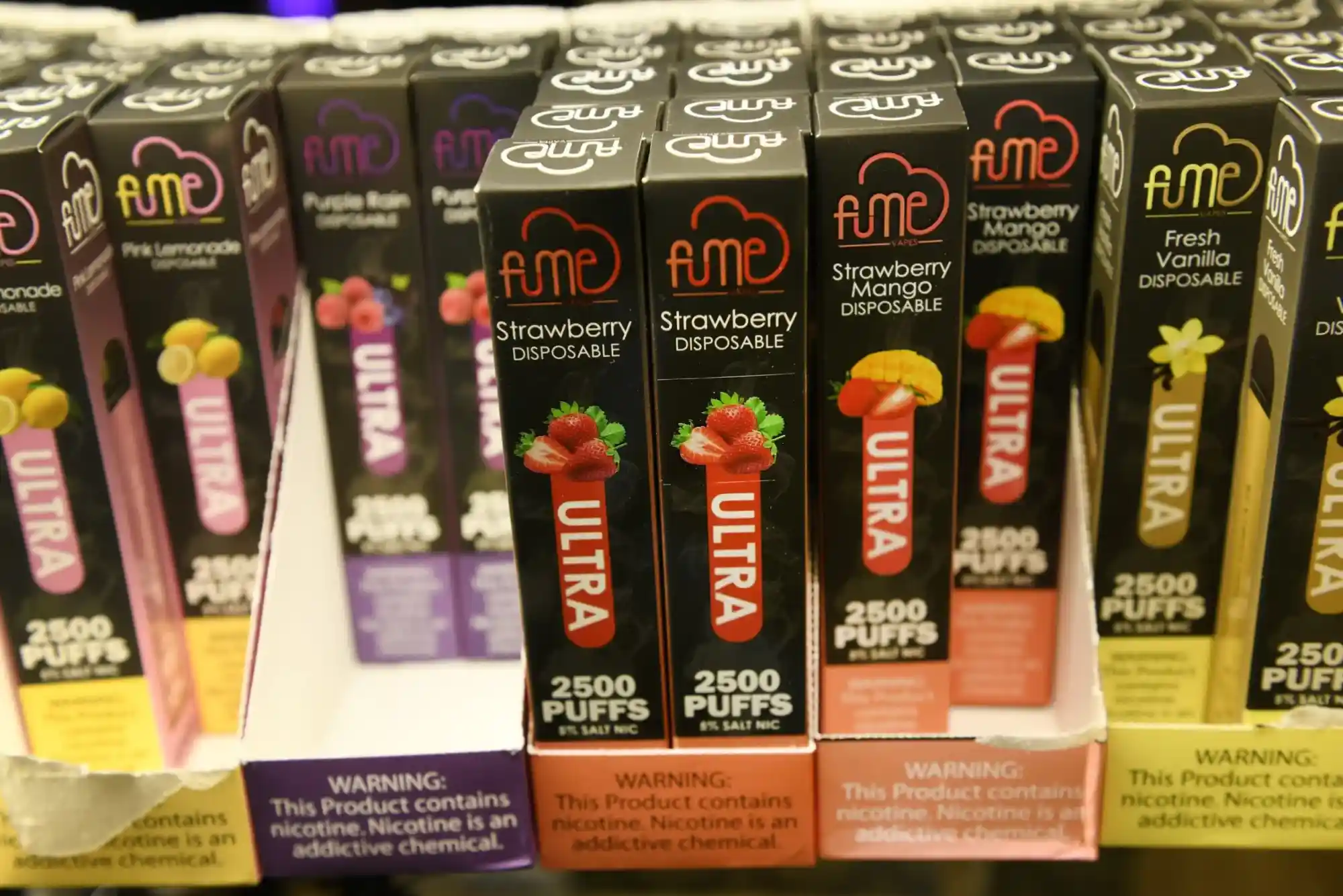
Flavored vape products remain a controversial issue. Some policymakers argue that sweet and fruit-inspired flavors may attract young people, while adult consumers and some public health advocates emphasize the need to evaluate how restrictions could affect adult smokers who use vaping products as an alternative to combustible cigarettes.
U.S. debates over flavors, advertising, and youth-oriented product designs have become part of a wider international discussion. Other countries may respond by restricting certain flavors, limiting promotional claims, or tightening rules governing packaging and product presentation.
Still, national approaches differ. Some jurisdictions permit certain flavored products under defined conditions, while others impose broader restrictions or prohibit consumer sales of particular vaping products.
These differences demonstrate why understanding The Political Debate Behind Vape Regulation is essential when evaluating how public health goals, consumer preferences, and commercial interests shape regulatory decisions.
How U.S. Vape Laws Affect International Trade and Business
Vaping regulations influence more than public health. They also affect international trade, product availability, manufacturing costs, and business planning. Companies that sell electronic cigarettes across borders must understand the rules of every market they enter.
Compliance Costs for International Manufacturers
The FDA’s premarket review process can require manufacturers to invest in scientific research, product documentation, testing, and regulatory submissions. These activities may involve significant time and financial resources.
Businesses that want to enter the American market must account for these requirements before launching products. Smaller manufacturers may find the process particularly challenging because they often have fewer resources than established companies.
These pressures can influence global business decisions. Manufacturers may simplify their product ranges, strengthen quality assurance procedures, or prioritize countries where their products meet existing requirements.
However, U.S. authorization does not automatically permit a product to be sold in other countries. Manufacturers must still comply with each destination market’s laws.
Supply Chains and Product Availability
When U.S. regulations change, manufacturers and distributors may review their supply chains. They might adjust packaging, product specifications, labeling, or inventory to meet new requirements.
International suppliers can also feel the effects when American businesses change their purchasing decisions. Companies producing vape devices, e-liquids, packaging materials, and related components may need to accommodate new technical or documentation standards.
These developments can encourage better quality controls, but they can also increase costs. Businesses must balance regulatory compliance with affordability and operational efficiency.
For a closer look at industry developments, vaporcrafts offers a relevant resource for exploring vaping-related topics, market discussions, and regulatory issues.
The Role of Public Health Organizations in Global Vape Policies
Although U.S. vape laws receive considerable attention, American regulators are not the only institutions shaping international policy. The World Health Organization (WHO), regional authorities, national health agencies, and independent researchers all contribute to the debate.
How WHO Recommendations Influence National Decisions
The WHO provides scientific assessments and policy guidance that governments can use when developing tobacco-control strategies. Its work examines issues such as product ingredients, nicotine exposure, marketing practices, flavors, and potential health effects.
The organization’s report on the scientific basis of tobacco product regulation addresses emerging nicotine products and identifies considerations for governments developing regulatory frameworks.
This international guidance can reinforce some concerns already raised by U.S. regulators, particularly those involving youth access and product safety. However, global policy development is not a one-way process. American authorities can also learn from international research and regulatory experiences.
For example, governments may compare different approaches to flavor restrictions, product authorization, and taxation before deciding which measures best suit their populations.
Why Countries Adopt Different Regulatory Models
Countries do not share identical public health priorities, legal systems, or smoking patterns. As a result, their vaping regulations vary significantly.
Some governments allow vaping products under strict consumer protection rules. Others regulate them as medicines or pharmaceutical products. Certain jurisdictions prohibit sales or impose substantial restrictions on importing and distributing these products.
The WHO has documented these different regulatory approaches and emphasized that national circumstances matter when governments decide how to control electronic nicotine delivery systems.
Consequently, U.S. vape laws should be understood as an influential example rather than a universal template. Their impact depends on how international authorities interpret American experiences alongside their own evidence and policy objectives.
How U.S. Vape Laws Influence Global Enforcement
Strong regulations are only effective when authorities can enforce them. U.S. enforcement activities can offer international regulators practical lessons about monitoring manufacturers, identifying unauthorized products, and addressing unlawful sales.
Online Sales and Cross-Border Distribution
Online retailers make it easier for consumers to encounter products sold in different countries. However, cross-border commerce also creates enforcement challenges.
A product that is legally marketed in one jurisdiction may not satisfy the requirements of another. Differences in age-verification procedures, import restrictions, labeling rules, and marketing authorization can complicate international sales.
U.S. regulatory enforcement draws attention to the importance of checking product authorization and retailer compliance. Other governments can use similar principles when designing their own monitoring systems, although their legal powers and enforcement resources may differ.
Unauthorized Products and Regulatory Cooperation
Unauthorized products present challenges for regulators because their ingredients, manufacturing quality, and distribution channels may be difficult to verify.
Governments can respond through market inspections, laboratory testing, retailer education, and cooperation between customs agencies and health authorities. International information sharing can also help identify products that appear across multiple markets.
Nevertheless, enforcement cannot depend on American decisions alone. Effective oversight requires local resources, clear legal definitions, reliable testing procedures, and cooperation with legitimate businesses.
Challenges and Criticisms of the American Regulatory Approach
The influence of U.S. vape laws is not universally welcomed. Policymakers, researchers, manufacturers, and consumers disagree about the most appropriate balance between preventing harm and regulating potentially less harmful alternatives to combustible cigarettes.
Public Health Protection Versus Adult Consumer Choice
Supporters of strict regulation argue that strong controls are necessary to reduce youth nicotine use, discourage misleading health claims, and prevent the sale of inadequately assessed products.
Critics of certain restrictions argue that excessive limitations may reduce adult access to products they consider alternatives to smoking. They also warn that restrictions could encourage some consumers to seek unregulated products.
These arguments involve complex scientific and policy questions. The health effects of vaping are not identical to those of smoking, but vaping is not risk-free. Nicotine can be addictive, and the long-term effects of many products remain uncertain.
Governments therefore need to evaluate evidence carefully rather than assuming that every vaping product has the same risk profile.
The Risk of Unintended Consequences
Poorly designed rules can create difficulties for consumers, retailers, and enforcement agencies. For instance, a restriction may reduce access to certain legal products while leaving illegal distribution channels difficult to monitor.
This does not mean restrictions are necessarily ineffective. Instead, it highlights the importance of measuring their actual outcomes, including changes in youth access, adult smoking behavior, illegal sales, and product safety.
International policymakers can learn from the implementation of U.S. vape laws by examining both their intended benefits and their practical limitations.
What the Future Holds for Global Vape Regulation
The relationship between American regulation and international vaping policy will likely remain important as products and technologies evolve.
More Attention to Scientific Evidence
Regulators are likely to continue examining nicotine delivery, product ingredients, manufacturing quality, and patterns of use. Evidence-based assessments can help governments distinguish between established risks, emerging concerns, and unanswered scientific questions.
Manufacturers should expect regulatory documentation and product accountability to remain important considerations in many markets.
Stronger Oversight of Digital Marketing
Social media, influencer promotions, and online retail create challenges for regulators attempting to prevent youth exposure to nicotine products. The WHO has specifically examined online marketing and promotional practices involving emerging nicotine products.
As countries refine their rules, companies may face greater scrutiny of advertising claims, age verification, and digital promotional activities.
Greater Emphasis on International Cooperation
International cooperation can help governments exchange scientific findings, improve enforcement methods, and identify regulatory gaps. However, cooperation does not require every country to adopt identical laws.
The most effective approach will combine useful international lessons with policies suited to local public health needs, legal frameworks, and enforcement capabilities.
Understanding the Global Impact of U.S. Vape Laws
U.S. vape laws influence global policies through regulatory decisions, product standards, youth protection measures, commercial pressures, and public health discussions. Their effects extend beyond American borders because manufacturers, suppliers, and governments operate in an increasingly connected marketplace.
However, the international impact of U.S. vape laws should not be confused with universal adoption. Each country must evaluate the available evidence, assess local conditions, and determine which regulatory measures are appropriate.
For manufacturers and retailers, staying informed about regulatory developments can support better planning and reduce compliance risks. For researchers and readers, understanding these differences provides a clearer picture of how vaping policy evolves worldwide.
FAQs
How do U.S. vape laws affect other countries?
U.S. vape laws influence international discussions about product safety, marketing restrictions, youth access, and regulatory approval. Manufacturers may also change their compliance practices in response to American requirements. However, each country establishes and enforces its own laws.
Does FDA approval allow a vape product to be sold worldwide?
No. FDA marketing authorization applies to the U.S. market and does not automatically authorize sales internationally. Manufacturers must meet the applicable legal requirements in every country where they intend to sell their products.
Why do countries have different vaping regulations?
Countries have different public health priorities, smoking rates, legal frameworks, and approaches to nicotine products. Some permit regulated sales, while others impose strict restrictions or prohibit certain products. International recommendations inform these decisions but do not eliminate national differences.
How do U.S. vape laws affect vape manufacturers?
U.S. requirements can influence product testing, scientific documentation, marketing authorization, labeling, and manufacturing procedures. Compliance may increase costs and affect product availability. Manufacturers must also satisfy the separate requirements of other markets.
Are flavored vapes banned in the United States?
There is no single nationwide prohibition covering every flavored vaping product. Federal marketing authorization requirements apply, while certain products may face additional federal, state, or local restrictions. The legal status of a particular product depends on the applicable rules and its authorization status.
What role does the FDA play in international vape regulation?
The FDA regulates vaping products within its U.S. authority and evaluates applications for marketing authorization. Its scientific assessments and regulatory decisions can inform international discussions, but the agency does not control vaping laws in other countries.
Will global vape regulations become more similar in the future?
Some requirements may become more similar as countries exchange research and regulatory experience. However, differences in public health priorities, political decisions, and national legislation mean that completely uniform global vaping laws are unlikely.
Related Reading: What Retailers Need to Know About Vape Labeling Laws — full guide