The Cultural Value of Vape Accessories
Introduction
The Cultural Value of Vape Accessories extends beyond their practical purpose. Accessories often reflect personal preferences, design interests, and changing lifestyle trends. In modern consumer culture, everyday objects can become expressions of individual identity. Vape-related accessories have also become part of conversations about fashion, technology, and contemporary design.
From decorative cases to carrying pouches, these products demonstrate how industrial design influences consumer preferences. Their colors, materials, and visual details can reflect broader cultural movements. However, their popularity also raises questions about health, responsible marketing, and social acceptance.
Understanding The Cultural Value of Vape Accessories requires looking beyond appearance. It involves exploring how design, identity, technology, and social attitudes influence consumer culture.
Understanding The Cultural Value of Vape Accessories
Cultural value describes the meaning people associate with everyday products. It can involve appearance, personal expression, social influences, and changing consumer expectations.
Vape accessories provide an interesting example of this relationship. Their designs often reflect wider preferences for compact technology, customization, and fashionable personal items.
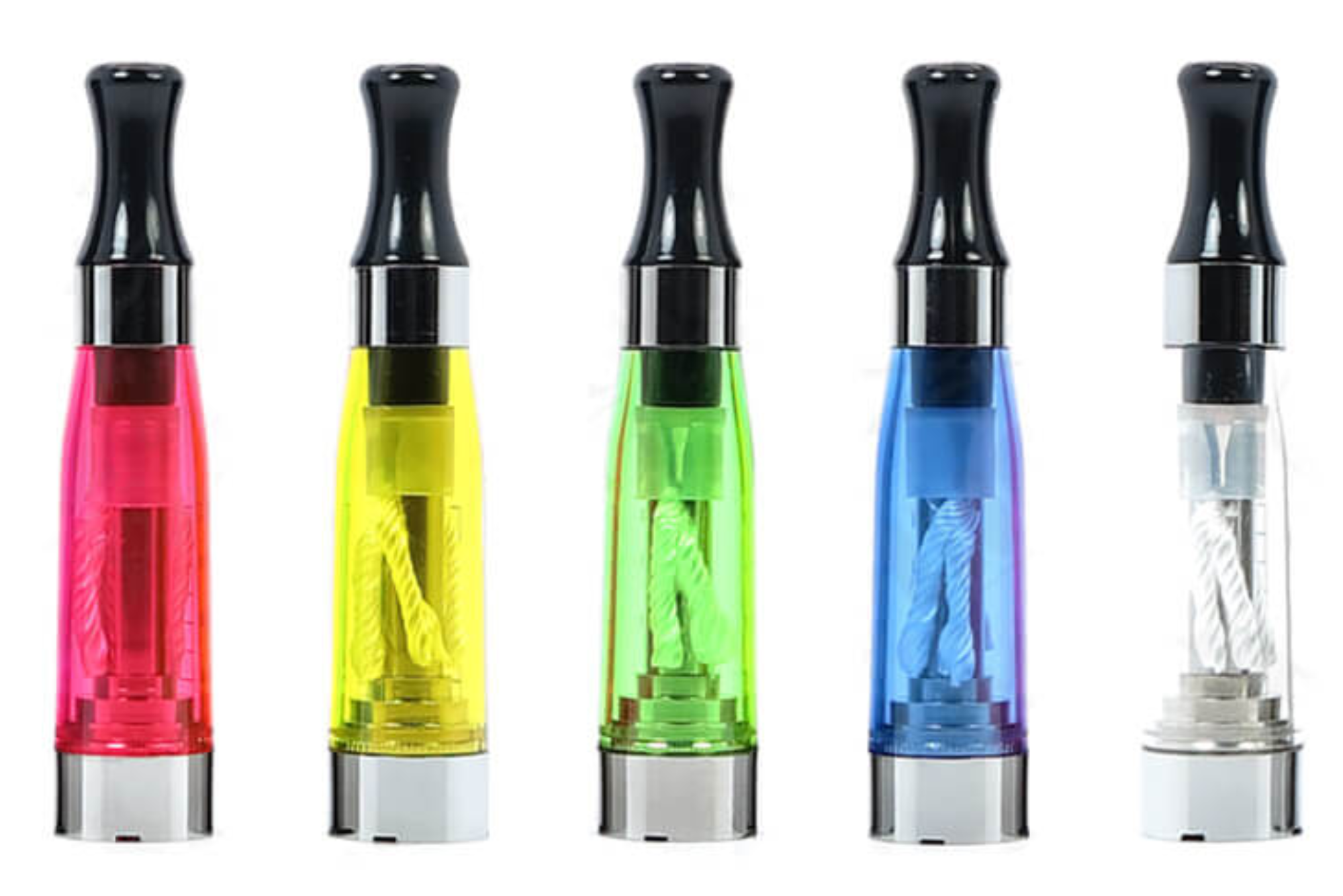
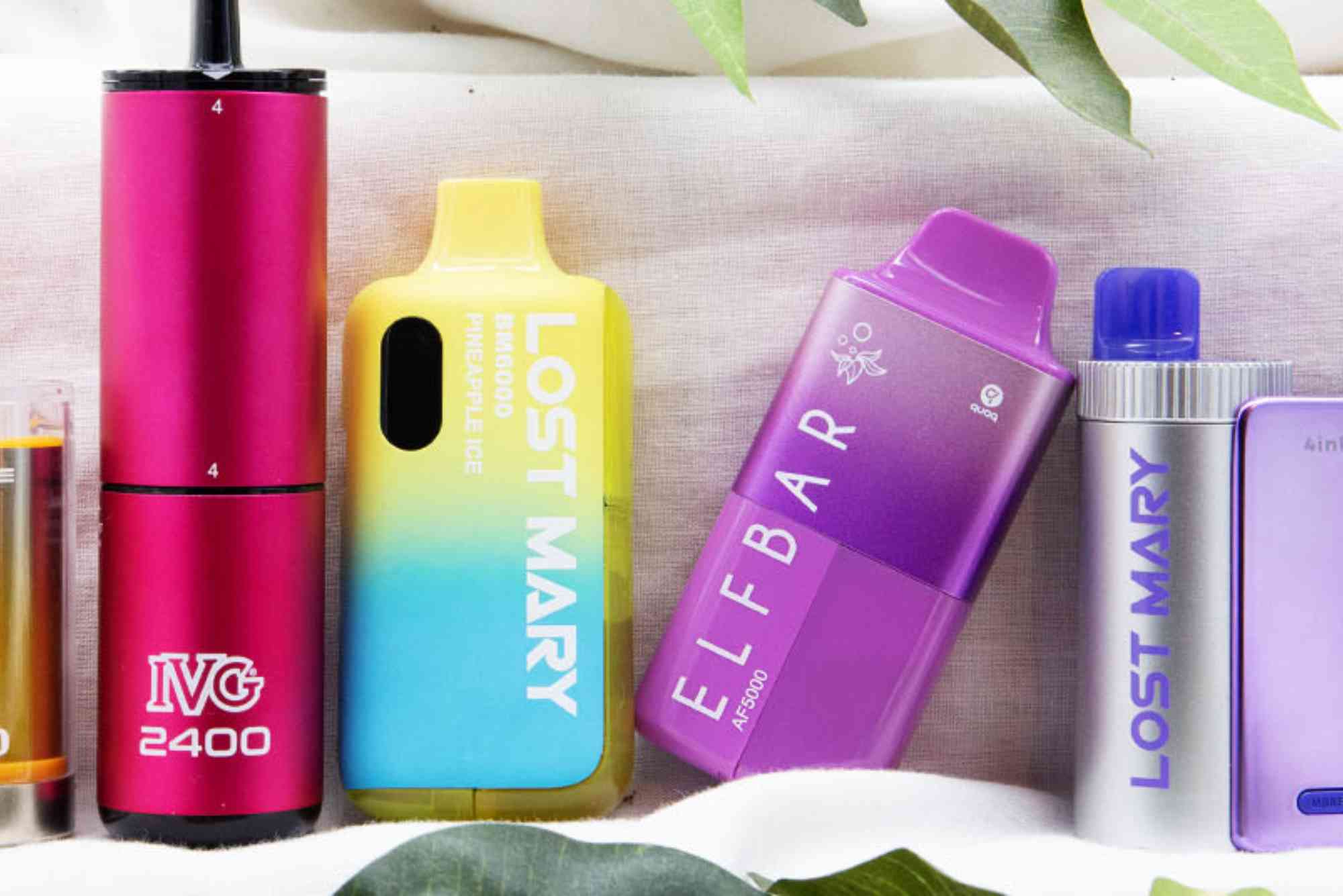
Some consumers appreciate coordinated colors and minimalist designs. Others prefer distinctive patterns or decorative finishes. These preferences demonstrate how product aesthetics influence purchasing decisions.

Nevertheless, cultural significance does not automatically establish social acceptance or health benefits. These products remain associated with nicotine consumption and potential health risks.
How Vape Accessories Reflect Personal Identity
Personal identity plays an important role in modern consumer culture. People frequently choose products that communicate their interests and aesthetic preferences.
Vape accessories can reflect this behavior through their appearance. Decorative covers, storage cases, and carrying accessories offer different design choices.
For example, minimalist designs may appeal to people who appreciate simplicity. Meanwhile, colorful patterns reflect broader interest in expressive product design.
This connection also relates to fashion accessory and style trends, where everyday objects become part of wider discussions about appearance and consumer identity.
However, accessories should not be confused with essential fashion items. Their cultural meaning remains closely connected to the products they accompany.
The Influence of Fashion and Contemporary Design
Fashion continuously influences how manufacturers approach product presentation. Color combinations, material finishes, and compact shapes often follow broader design movements.
The Cultural Value of Vape Accessories can therefore be understood through their relationship with contemporary aesthetics.
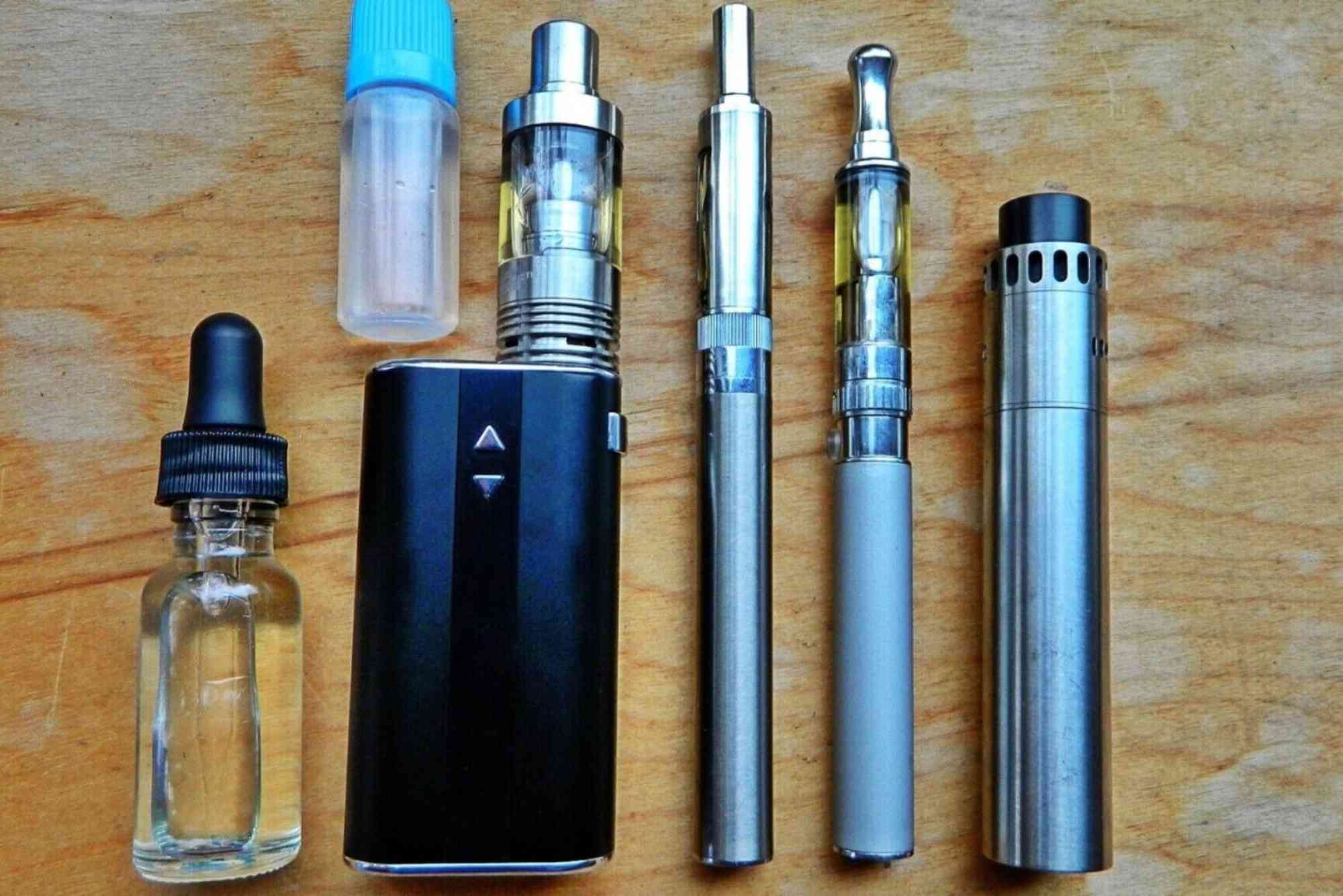
Minimalism has influenced many consumer products. Clean surfaces, neutral colors, and simple shapes communicate modern design preferences.
Retro-inspired patterns also remain influential. Vintage colors and nostalgic graphics demonstrate how older visual styles return through contemporary products.
These design influences reveal the relationship between consumer culture and industrial creativity. They also demonstrate how everyday products can reflect changing aesthetic preferences.
Technology and Innovation in Accessory Design
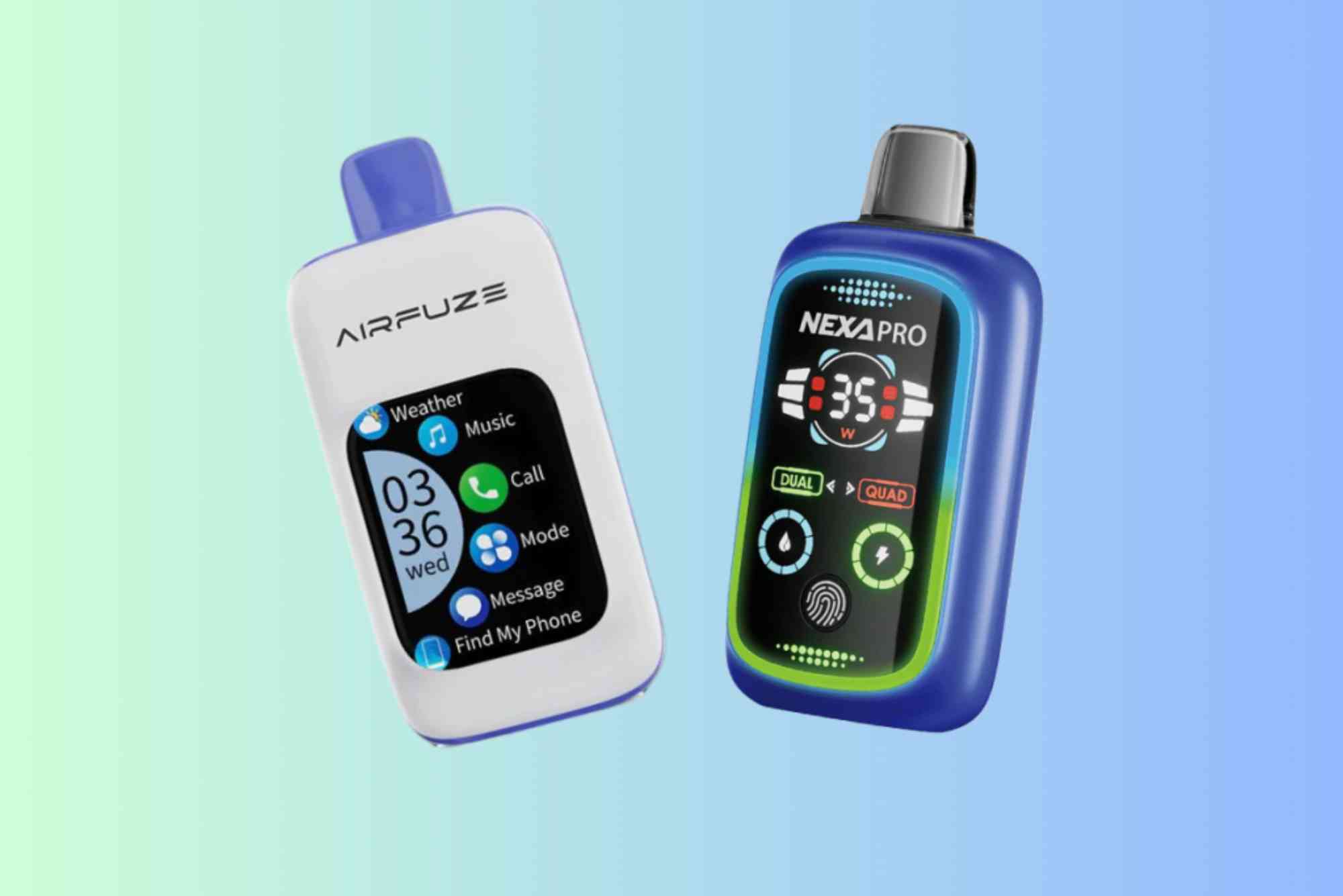
Technology has transformed consumer expectations across many industries. People increasingly appreciate products that combine practical organization with thoughtful design.
Vape-related accessories illustrate this wider development. Manufacturers have explored compact storage solutions, protective materials, and different carrying formats.
Material selection also affects product appearance and durability. Silicone, metal, fabric, and synthetic materials create different visual and tactile experiences.
The following table summarizes common accessory categories and their cultural design associations.
| Accessory category | Design characteristics | Cultural association |
|---|---|---|
| Protective cases | Compact shapes and varied finishes | Personalization and product design |
| Carrying pouches | Portable and organized storage | Everyday convenience |
| Decorative covers | Colors, patterns, and textures | Individual aesthetic preferences |
| Storage containers | Structured and practical designs | Organization and functionality |
| Cleaning accessories | Simple and functional construction | Product maintenance |
These categories demonstrate how functionality and visual presentation influence consumer perceptions. However, design innovation does not make vaping safer.
Social Media and the Changing Cultural Conversation
Social media has transformed how people discover products and interpret lifestyle trends. Images, reviews, and online discussions influence consumer perceptions.
Accessories sometimes appear in photography, product reviews, and design-focused content. Their visual qualities can attract attention independently of their practical purpose.
However, online popularity does not necessarily represent wider public acceptance. Social platforms also contain discussions about nicotine dependence, environmental concerns, and health risks.
Responsible content should avoid presenting vaping as fashionable, harmless, or desirable to young audiences. Age restrictions and public health considerations remain important.
Cultural Differences and Social Acceptance
The cultural value of consumer products varies between communities. Social attitudes toward vaping also differ considerably across countries and regions.
In some places, vaping products face strict advertising and sales restrictions. Other markets have different regulatory approaches and public attitudes.
These differences influence how accessories are perceived. A design considered acceptable in one market might face restrictions elsewhere.
Cultural understanding therefore requires considering local laws, social expectations, and public health priorities.
Businesses operating internationally must also understand regional advertising requirements. Decorative presentation cannot override regulations concerning nicotine products.
Sustainability and Environmental Responsibility
Environmental responsibility has become an important part of modern consumer culture. People increasingly consider materials, manufacturing processes, and product disposal.
Vape accessories raise similar environmental questions. Protective cases and storage products may involve plastic, metal, synthetic fabrics, and other materials.
Durability can influence the environmental impact of reusable accessories. However, disposable vaping devices and electronic waste create separate concerns.
Manufacturers should consider responsible material sourcing and transparent disposal guidance. Consumers should also follow local electronic waste regulations.
Cultural value should not depend entirely on appearance. Responsible production and environmental awareness also deserve consideration.
Health Awareness and Responsible Consumer Culture
Any discussion about The Cultural Value of Vape Accessories must acknowledge health concerns. Accessories do not eliminate the risks associated with vaping.
Nicotine is addictive. E-cigarette aerosol can contain potentially harmful substances. Vaping is not risk-free, particularly for young people and those who do not currently use tobacco.
Public health organizations emphasize preventing youth nicotine use. They also encourage accurate information about vaping risks.
Consequently, cultural discussions should distinguish product design from health outcomes. Attractive accessories cannot make nicotine consumption safe.
Responsible communication should prioritize factual information rather than lifestyle promotion.
Conclusion
The Cultural Value of Vape Accessories reflects wider developments in personal expression, contemporary design, technology, and consumer culture.
Their materials, colors, and visual characteristics demonstrate how everyday products can acquire cultural meaning. Social media and fashion movements also influence how consumers interpret product aesthetics.
Nevertheless, cultural significance should never overshadow health concerns or environmental responsibilities. Understanding these products requires a balanced perspective.
As consumer preferences continue changing, thoughtful conversations about design, sustainability, and responsible marketing will remain important. Explore broader fashion and product design trends while keeping health awareness and responsible consumer choices at the center.
Frequently Asked Questions
What is the cultural significance of accessories?
Accessories can communicate personal preferences, cultural influences, and individual identity. Their designs often reflect changing fashion movements and consumer expectations.
Why are accessories important in personal style?
Accessories can complement an individual’s overall appearance. Their colors, materials, and designs provide opportunities for personal expression.
How does social media influence accessory trends?
Social media spreads visual trends through photography, reviews, and online communities. It can influence consumer awareness and perceptions of product design.
Are vape accessories purely decorative?
No. Some accessories provide protective storage or organization. Others primarily focus on appearance and personalization. However, none removes the health risks associated with vaping.
Do vape accessories have environmental impacts?
Yes. Their production, materials, packaging, and disposal can contribute to environmental impacts. Electronic waste and disposable vaping products create additional concerns.
Why should cultural discussions about vaping include health awareness?
Vaping involves potential health risks and nicotine dependence. Including health information helps create balanced discussions without confusing attractive design with product safety.