Vape Culture and the Art of Relaxation
Introduction
Modern lifestyles often involve busy schedules, digital distractions, and constant responsibilities. Consequently, people increasingly explore different ways to relax and create personal downtime. Vape Culture and the Art of Relaxation has become a topic of interest within contemporary lifestyle discussions. It reflects how vaping appears in social settings, personal routines, and popular culture.
For some adults, vaping represents a lifestyle choice connected with personal expression and community. However, relaxation and nicotine use are not the same thing. Although some people associate vaping with taking a break, nicotine can cause dependence. Therefore, understanding this cultural connection requires a balanced perspective.
Vape Culture and the Art of Relaxation also reflects changing attitudes toward leisure, design, and social interaction. Exploring these connections helps explain why vaping has become part of certain lifestyle conversations.
Understanding Vape Culture and the Art of Relaxation
Vape culture includes the communities, products, visual styles, and social experiences surrounding vaping. It has developed alongside changing consumer preferences and digital communication. Online communities frequently discuss device designs, product features, and personal experiences.
Relaxation, meanwhile, means reducing stress and allowing the mind to recover. People achieve this through different activities, including music, exercise, meditation, and creative hobbies.
The connection between these subjects comes from personal routines and social perceptions. Some adults associate vaping breaks with stepping away from everyday responsibilities. However, this association does not establish that vaping provides genuine relaxation benefits.

Nicotine can temporarily influence mood and attention. Regular users may also experience relief when nicotine withdrawal symptoms temporarily disappear. This feeling can reinforce repeated consumption rather than reduce underlying stress.
How Vape Culture Influences Modern Relaxation Habits
Contemporary lifestyle culture places considerable attention on personal comfort and individual preferences. Social media has also influenced how people present their leisure activities.
Vape culture appears in discussions about fashion, technology, entertainment, and social identity. Some people incorporate vaping accessories into their personal style. Others discuss devices as examples of modern consumer design.
However, relaxation should not depend on nicotine consumption. Building healthy routines creates more sustainable opportunities for emotional balance.
Personal Time and Everyday Routines
Personal time helps people recover from demanding schedules. Reading, listening to music, walking, and spending time outdoors can provide meaningful breaks.
Some vaping users describe their breaks as moments of personal downtime. Nevertheless, nicotine dependence can make these routines difficult to separate from substance use.
Understanding this distinction encourages more informed lifestyle decisions.
Social Interaction and Community Connections
Social interaction remains an important part of modern relaxation culture. People enjoy sharing interests, discussing products, and connecting with communities.
Vape-related communities sometimes develop around technology, design, and consumer experiences. Online discussions allow participants to exchange opinions and explore emerging trends.
Still, social participation does not require vaping. Adults can enjoy similar connections through photography, fashion, gaming, and other shared interests.
The Role of Design and Aesthetics in Vape Culture and the Art of Relaxation
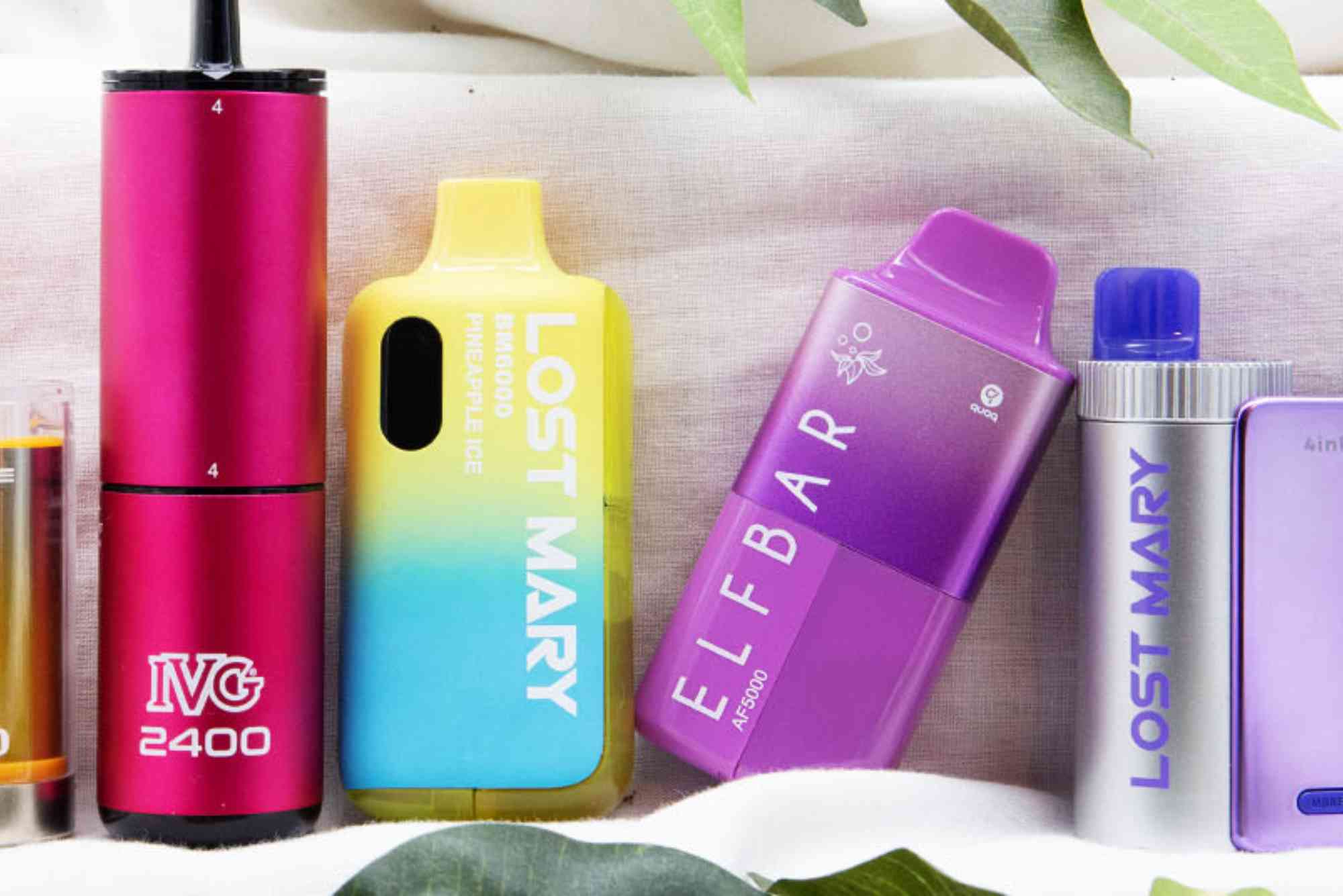
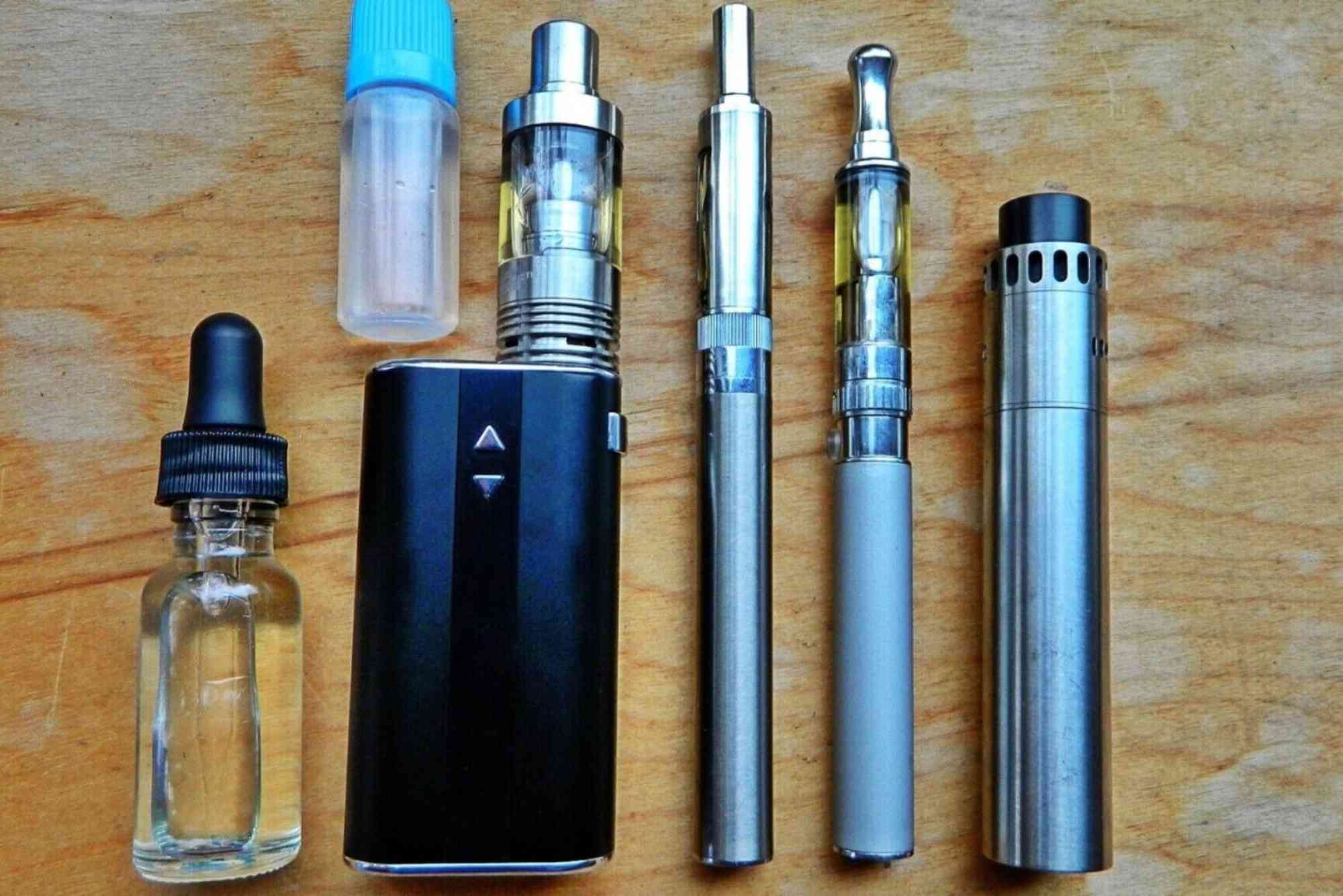
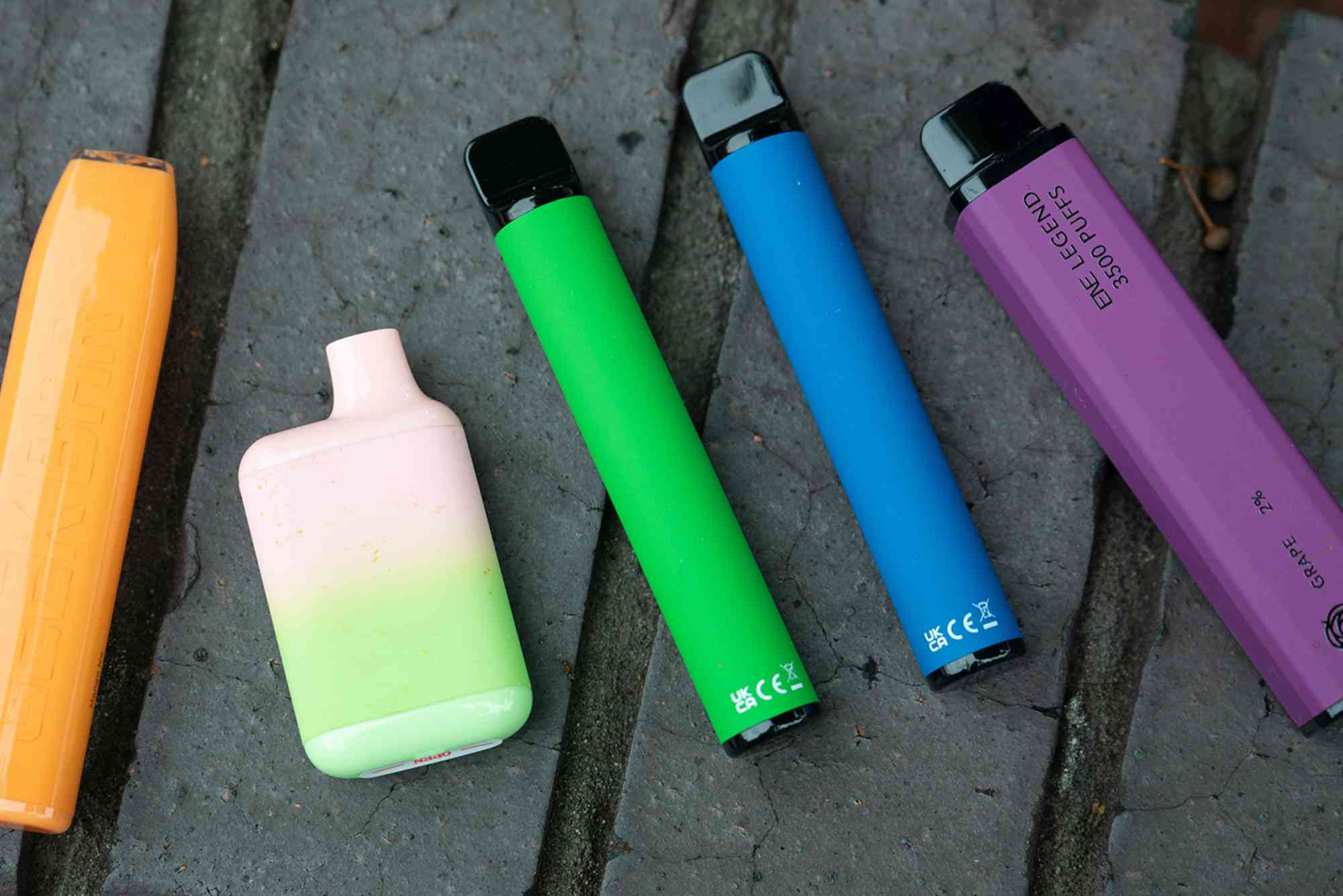
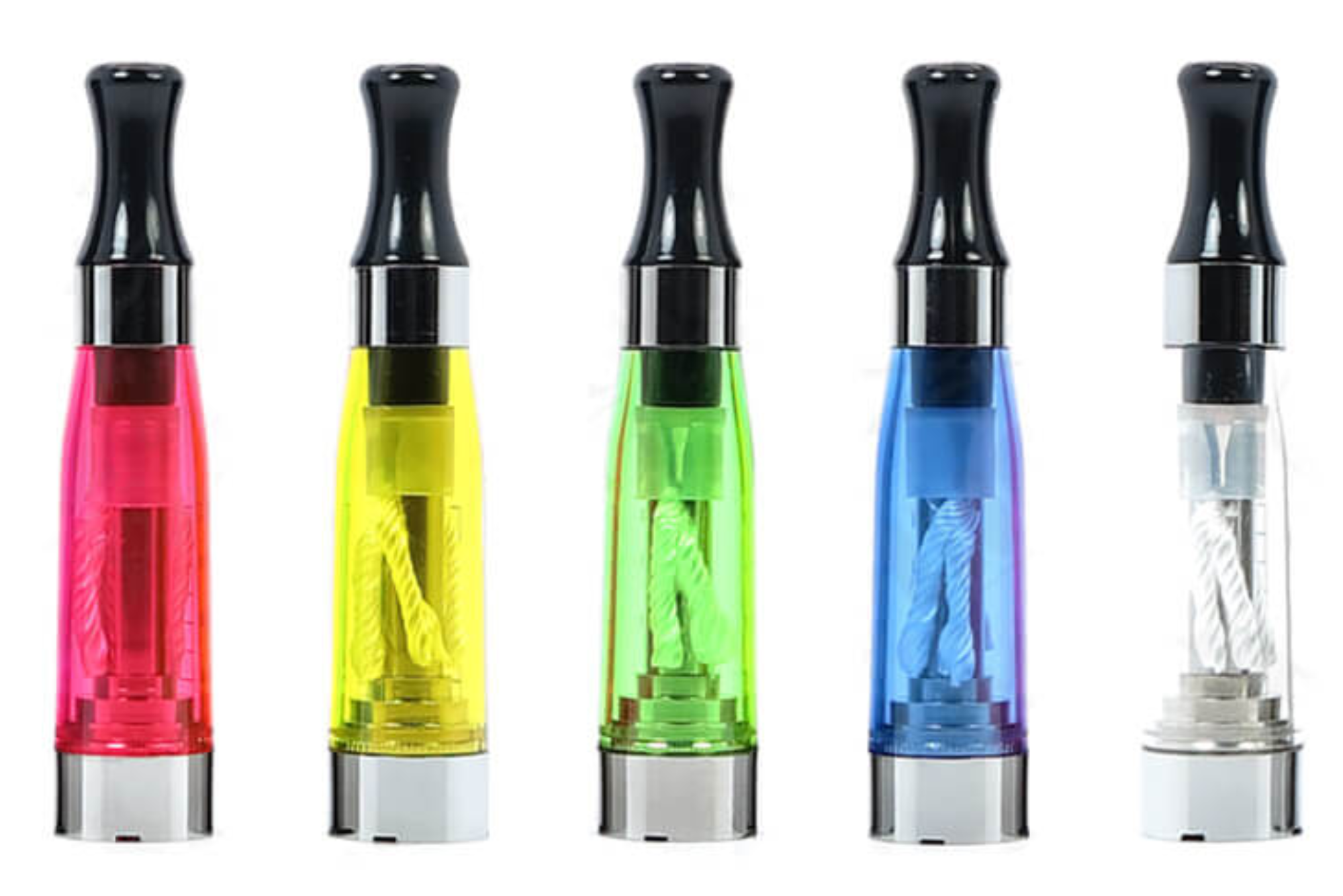
Product appearance plays an important role in contemporary consumer culture. Modern devices often feature compact shapes, different finishes, and carefully considered interfaces.
These design choices reflect broader trends in technology and personal accessories. Consumers frequently evaluate products through appearance, usability, and convenience.
Vape Culture and the Art of Relaxation therefore connects with conversations about modern aesthetics. However, attractive design does not make a product safer or healthier.
Design discussions also highlight how consumer products influence lifestyle identities. This subject creates opportunities for design and aesthetics trend coverage across contemporary culture.
Understanding the Psychology Behind Relaxation
Relaxation involves several psychological and physical processes. The brain needs opportunities to recover from prolonged stress and stimulation.
Activities that encourage calm attention can support emotional well-being. Examples include breathing exercises, meditation, and spending time in nature.
Nicotine affects the nervous system and can create short-term stimulation. With repeated exposure, the body may develop dependence.
As a result, nicotine withdrawal can contribute to irritability, anxiety, and difficulty concentrating. Using nicotine again may temporarily relieve these symptoms.
This cycle can create the impression that vaping reduces stress. In reality, dependence may contribute to the discomfort that encourages further use.
Healthy Alternatives That Support Genuine Relaxation
A balanced lifestyle offers several ways to enjoy personal downtime without relying on nicotine. These activities can become sustainable parts of everyday routines.
|
Relaxation activity |
Potential benefit |
How to enjoy it |
|---|---|---|
|
Meditation |
Encourages mental calm |
Practice quiet breathing |
|
Walking |
Supports physical well-being |
Explore outdoor spaces |
|
Reading |
Provides mental engagement |
Choose enjoyable books |
|
Music |
Creates an enjoyable atmosphere |
Listen to relaxing songs |
|
Yoga |
Supports flexibility |
Follow gentle movements |
|
Creative hobbies |
Encourages self-expression |
Try painting or photography |
These alternatives offer different experiences depending on personal preferences. Combining several activities can also make relaxation more enjoyable.
Mindfulness and Breathing Exercises
Mindfulness encourages people to focus on the present moment. It helps individuals recognize thoughts without immediately reacting to them.
Slow breathing exercises can also support relaxation. Practicing for several minutes may help people manage everyday tension.
Unlike nicotine-based routines, these practices do not create nicotine dependence.
Creative Activities and Personal Expression
Creative hobbies provide opportunities to disconnect from everyday pressures. Photography, painting, writing, and music encourage meaningful engagement.
They also offer opportunities for personal development. Consequently, creative activities can become valuable parts of a balanced lifestyle.
Vape Culture and the Influence of Digital Communities
Digital platforms have transformed how lifestyle trends develop. Social media allows people to share opinions, discover aesthetics, and discuss consumer products.
Vape-related conversations sometimes focus on device technology and visual presentation. Others explore regulations, public perceptions, and health information.
However, online content does not always provide reliable information. Promotional material may overlook potential health risks.
Readers should evaluate claims carefully and prioritize credible health sources. This is particularly important when discussions involve nicotine, addiction, and respiratory health.
Is Vaping Really a Relaxation Technique?
Vaping should not be considered a proven relaxation technique. Some users report feeling calmer after vaping. However, these experiences do not demonstrate that vaping reduces stress.
Nicotine is addictive and can affect heart rate and blood pressure. It may also contribute to dependence and withdrawal-related anxiety.
People who do not currently use tobacco or nicotine should avoid starting vaping. Adults who smoke should seek evidence-based support when considering alternatives.
Understanding these differences helps separate lifestyle perceptions from scientific evidence.
Frequently Asked Questions
Does vaping help people relax?
Some users report temporary feelings of relaxation after vaping. However, nicotine can cause dependence and withdrawal symptoms. The perceived relief may reflect temporary withdrawal relief rather than genuine stress reduction.
Why is vaping associated with relaxation?
Vaping is sometimes associated with personal breaks and social routines. These cultural associations influence how people perceive the activity. However, vaping itself is not an established relaxation treatment.
Can vaping reduce anxiety?
Nicotine is not a recommended anxiety treatment. Although some users report temporary mood changes, nicotine dependence can worsen anxiety-related symptoms. Professional support and evidence-based treatments offer better options.
What are healthier alternatives to vaping for relaxation?
Meditation, walking, reading, and breathing exercises are useful alternatives. Creative hobbies and social activities can also support emotional well-being without nicotine exposure.
Is vape culture becoming part of modern lifestyle trends?
Vape culture appears in discussions about technology, fashion, and online communities. However, its popularity varies across regions. Regulations and growing health awareness also influence public attitudes.
Conclusion
Vape Culture and the Art of Relaxation highlights the relationship between contemporary lifestyle trends, personal routines, and social perceptions. It also demonstrates how consumer culture can influence ideas about leisure and personal expression.
However, vaping should not be confused with genuine relaxation. Nicotine dependence can create health concerns and reinforce repeated consumption.
Choosing healthier activities offers more sustainable ways to manage everyday stress. Meditation, creative hobbies, outdoor experiences, and meaningful social connections can support a balanced lifestyle.
Explore more lifestyle and design trend coverage to discover how modern culture influences everyday experiences. Make informed choices, prioritize your well-being, and find relaxation methods that genuinely support a healthier life.
Related Reading: From Counterculture to Community