Cultural Acceptance of Vaping in 2026: Changing Social Attitudes and Global Perspectives
Introduction
Cultural Acceptance of Vaping in 2026 reflects changing social attitudes, public discussions, and lifestyle trends. Over recent years, vaping has become a visible subject in modern culture. However, its acceptance varies considerably across countries, communities, and generations.
Some people view vaping as an alternative to traditional smoking. Others express concerns about nicotine dependence, health risks, and environmental effects. Meanwhile, governments and public health organizations continue influencing public perceptions through education and regulation.
Understanding Cultural Acceptance of Vaping in 2026 requires examining more than individual preferences. It involves social values, cultural expectations, public policies, and changing attitudes toward nicotine consumption. These factors explain why vaping receives different reactions worldwide.
Cultural Acceptance of Vaping in 2026 and Changing Social Attitudes
Social attitudes toward vaping have changed considerably since electronic cigarettes first entered mainstream markets. Initially, many people viewed vaping as an unfamiliar technological product. Today, it has become part of wider discussions about smoking, lifestyle choices, and public health.
However, greater visibility does not automatically indicate greater acceptance. Some communities consider vaping socially acceptable in certain private settings. Others discourage it because of concerns about nicotine addiction and exposure to aerosol.
Younger generations also encounter vaping through entertainment, social media, and popular culture. Consequently, their perceptions can differ from those of older generations. Nevertheless, growing awareness of health concerns continues influencing conversations across age groups.

How Social Media Influences Cultural Acceptance of Vaping in 2026
Social media plays an important role in shaping modern cultural conversations. Platforms such as Instagram, TikTok, and YouTube influence how people encounter vaping-related content.
Online discussions include product reviews, personal experiences, lifestyle photography, and public health information. These different perspectives contribute to the broader conversation surrounding vaping.
Digital Communities and Public Perceptions
Online communities allow people to discuss vaping experiences and exchange opinions. Some communities focus on technology and product design. Others discuss regulations, nicotine dependence, and health concerns.
However, social media content does not always provide reliable information. Promotional material can sometimes minimize potential risks. Therefore, audiences should evaluate claims using credible public health sources.
For readers interested in wider cultural developments, culture and community trend coverage provides a useful perspective on how social behaviors evolve.
Generational Differences in Vaping Acceptance
Generational differences strongly influence how people understand vaping. Older adults may associate nicotine consumption primarily with traditional cigarettes. Meanwhile, younger adults have grown up alongside electronic devices and digital marketing.
These experiences can create different perceptions of vaping products. However, age alone does not determine whether someone supports or opposes vaping.
Public health awareness has also increased across generations. More people recognize concerns surrounding nicotine dependence, particularly among adolescents and young adults.
Changing Expectations Among Younger Adults
Younger adults frequently encounter vaping discussions through digital entertainment and social platforms. Nevertheless, exposure should not be confused with approval.
Many young people actively support stronger restrictions on nicotine marketing. Others express concerns about disposable products and environmental waste.
These conversations demonstrate how cultural acceptance remains connected to changing social priorities.
Global Perspectives on Cultural Acceptance of Vaping in 2026
Cultural Acceptance of Vaping in 2026 differs significantly between countries. National regulations, religious values, public health priorities, and traditional smoking patterns influence local attitudes.
In some European countries, vaping is discussed within tobacco harm-reduction policies. However, governments continue regulating advertising, product standards, and public use.
In the United States, public opinion remains divided. Discussions frequently involve youth vaping, nicotine addiction, and federal product regulations.
Asian countries demonstrate particularly varied approaches. Some governments permit regulated vaping products, while others impose strict restrictions or prohibit their sale.
In the Middle East, cultural expectations and national legislation influence public attitudes. Consequently, visitors should understand local rules before traveling with vaping products.
The following table summarizes broad regional differences.
|
Region |
General cultural perspective |
Important considerations |
|---|---|---|
|
Europe |
Mixed attitudes toward regulated vaping |
Tobacco policies and public health |
|
North America |
Divided public opinion |
Youth protection and regulation |
|
East Asia |
Significant differences between countries |
National restrictions |
|
Middle East |
Varies by country |
Cultural expectations and legal requirements |
|
Australia |
Restrictive regulatory approach |
Access and medical regulation |
|
Latin America |
Diverse and evolving attitudes |
National legislation and enforcement |
These descriptions represent broad trends rather than universal opinions. Individual countries can have considerably different laws and social expectations.
The Influence of Public Health Awareness
Public health awareness remains one of the strongest influences on vaping acceptance. Although vaping generally exposes users to fewer toxic chemicals than combustible cigarettes, it is not risk-free.
Most vaping products contain nicotine, which can cause dependence. Their aerosols may also contain potentially harmful substances.
Health authorities generally advise people who do not smoke, especially young people, against starting vaping. Pregnant individuals should also avoid nicotine exposure.
Why Health Information Changes Public Attitudes
Accurate health information helps people make informed decisions. It also challenges misleading claims about vaping being completely harmless.
For adult smokers, completely switching from cigarettes to regulated vaping products may reduce exposure to certain harmful chemicals. However, quitting nicotine and tobacco altogether remains the healthiest option.
As public awareness increases, conversations about vaping become more balanced. People increasingly consider both potential harm reduction and associated health concerns.
Fashion, Entertainment, and Modern Lifestyle Culture
Fashion and entertainment contribute to how vaping appears in contemporary society. Music videos, films, photography, and online content sometimes portray vaping as part of modern lifestyle imagery.
Nevertheless, cultural visibility does not establish health benefits or social approval.
Fashion trends also change rapidly. Brands and creative communities increasingly face questions about responsible marketing and age restrictions.
The Role of Creative Communities
Artists, photographers, and designers influence cultural conversations through visual storytelling. Their work can explore consumer behavior, technology, identity, and changing social expectations.
However, creative representation should avoid encouraging nicotine consumption among young audiences.
Responsible cultural discussions can examine vaping without presenting it as fashionable, necessary, or harmless.
Government Regulations and Their Impact on Acceptance
Government policies strongly influence how vaping is perceived. Regulations determine which products can be sold, how manufacturers advertise, and where adults can legally use them.
Many countries restrict sales to minors and regulate nicotine concentrations. Some also impose packaging requirements, advertising restrictions, and product safety standards.
Disposable vaping products have attracted additional attention because of waste and youth access concerns.
Regulation Versus Personal Choice
Public discussions often involve balancing adult autonomy with community protection. Supporters of regulated access emphasize informed adult choices and potential harm reduction.
Meanwhile, public health advocates prioritize preventing nicotine dependence among non-smokers and young people.
Both perspectives influence policy debates. Therefore, Cultural Acceptance of Vaping in 2026 remains closely connected to legal developments.
Environmental Concerns and Changing Consumer Attitudes
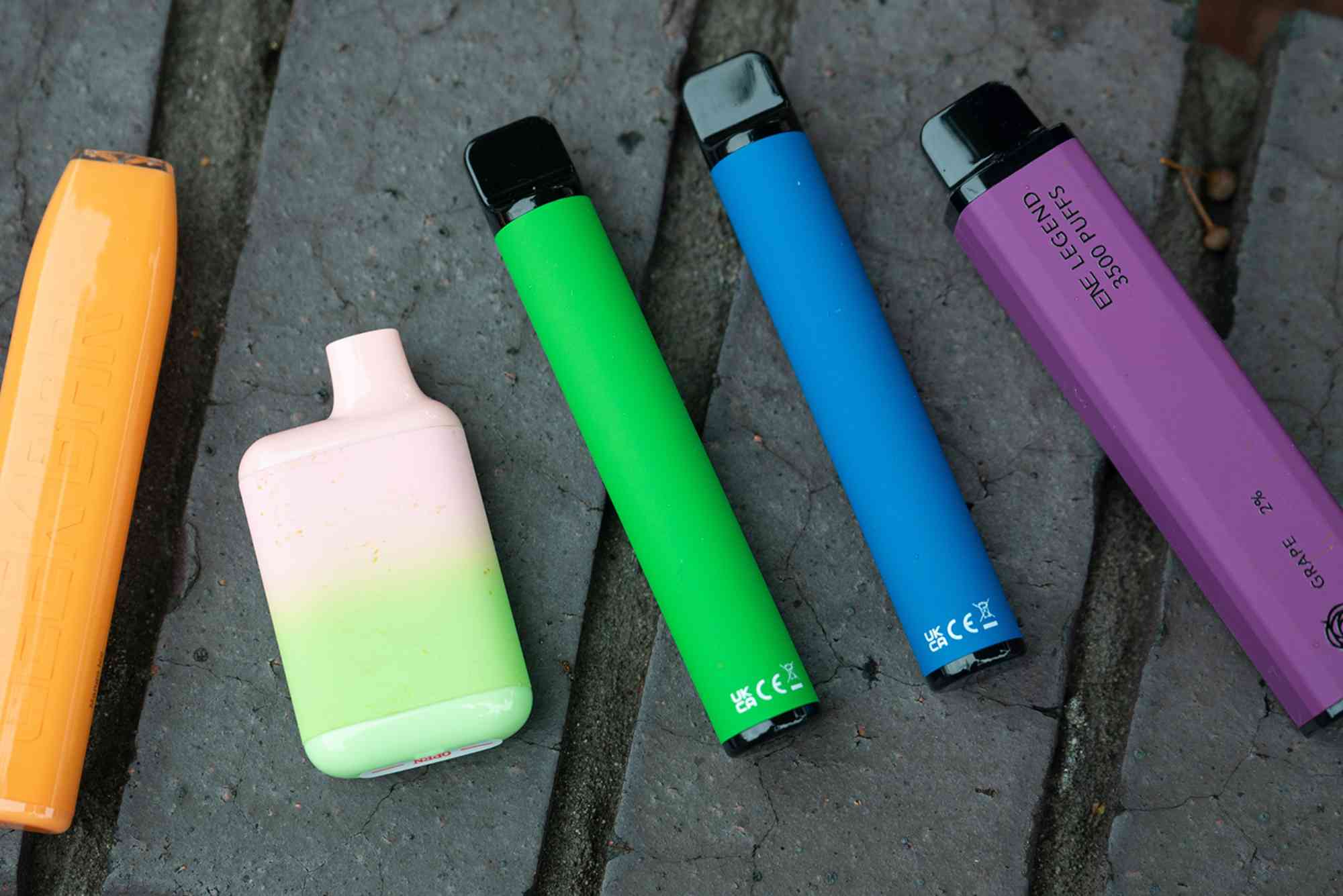
Environmental awareness increasingly influences discussions about vaping. Disposable devices contain batteries, electronic components, and plastic materials.
Improper disposal can contribute to electronic waste. Additionally, discarded lithium-ion batteries may create environmental and fire hazards.
Consumers are becoming more interested in responsible manufacturing and waste management. Governments are also examining restrictions on disposable products.
These concerns demonstrate that cultural acceptance involves environmental responsibility alongside individual preferences.
What Does the Future Hold for Cultural Acceptance of Vaping?
The future of vaping acceptance will depend on several developments. Public health research, government regulation, and changing consumer expectations will remain influential.
Greater transparency could improve public understanding of nicotine products. Stronger enforcement may also reduce underage access and irresponsible marketing.
Furthermore, environmental considerations could reshape product manufacturing and disposal practices.
Ultimately, social acceptance will depend on how communities balance personal freedom, health protection, and responsible consumer behavior.
Frequently Asked Questions
What Are the Main Factors Influencing Cultural Acceptance of Vaping in 2026?
Public health awareness, government regulations, generational attitudes, and social media influence acceptance. Cultural traditions and environmental concerns also shape public opinions.
Is Vaping Socially Acceptable in 2026?
Social acceptance depends on location and community expectations. Some adults consider vaping acceptable in appropriate private settings. Others oppose it because of nicotine dependence and potential health risks.
Why Are Attitudes Toward Vaping Changing?
Attitudes change because of new research, public education, government policies, and changing social expectations. Greater awareness of youth nicotine use also influences public opinion.
Do Different Countries Have Different Attitudes Toward Vaping?
Yes, countries have different cultural expectations and legal frameworks. Some permit regulated products, while others restrict or prohibit vaping. Travelers should check current local legislation.
How Does Social Media Influence Vaping Culture?
Social media spreads information, personal opinions, and lifestyle representations. However, misleading promotional content can distort public understanding. Reliable health information remains essential.
Is Vaping Considered Safer Than Smoking?
For adults who smoke, completely switching to regulated vaping products may reduce exposure to harmful chemicals from tobacco combustion. However, vaping is not harmless or risk-free. Non-smokers should not start vaping.
Conclusion
Cultural Acceptance of Vaping in 2026 reflects a complicated relationship between modern lifestyles, public health, social expectations, and government policies.
Although vaping has become more visible in contemporary culture, acceptance remains divided. Different countries and communities continue developing their own perspectives.
Health awareness, responsible communication, and effective regulations will shape future discussions. Environmental responsibility and youth protection will also remain important priorities.
Understanding these developments helps readers approach vaping culture with greater awareness and balanced perspectives.
Call to Action: Stay informed about changing vaping regulations, public health research, and cultural developments. Explore reliable culture and community trend coverage to understand how modern social attitudes continue evolving.