Cultural Evolution of Vape Habits: Changing Trends and Social Influences
The Cultural Evolution of Vape Habits reflects significant changes in modern lifestyles, social interactions, and consumer behavior. Over the years, vaping has developed from a relatively unfamiliar alternative to smoking into a recognizable part of contemporary consumer culture. Its visibility has influenced fashion, entertainment, online communities, and conversations about personal choices.
However, vaping culture is not the same everywhere. Social acceptance, government regulations, public health awareness, and generational differences shape how people perceive these products. Furthermore, technological developments have changed product designs and consumer expectations.
Understanding the Cultural Evolution of Vape Habits requires examining these influences together. It also means recognizing the difference between cultural popularity and scientific evidence about health risks.
Understanding the Cultural Evolution of Vape Habits
The Cultural Evolution of Vape Habits describes how people’s attitudes, behaviors, and social perceptions surrounding vaping have changed over time.
Initially, vaping attracted attention because electronic devices offered an alternative to traditional cigarettes. Early products focused primarily on functionality. Gradually, manufacturers introduced different designs, flavors, and device features.
As a result, vaping became more visible in certain social environments. Online discussions, entertainment platforms, and lifestyle marketing contributed to its recognition.

Nevertheless, cultural visibility does not automatically indicate widespread acceptance. Many communities continue debating vaping because of nicotine dependence, health concerns, and youth exposure.
How Technology Changed Modern Vape Culture
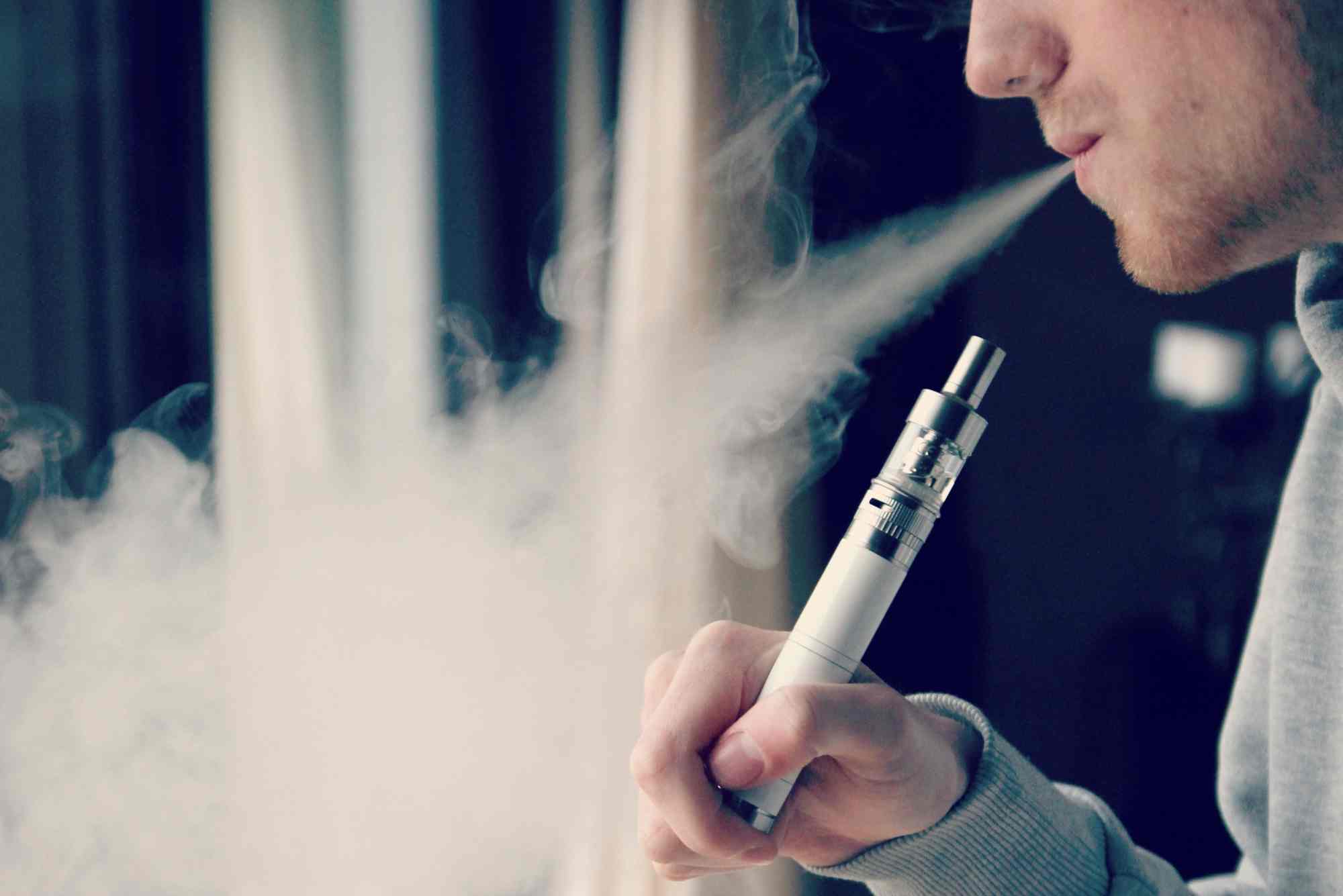
Technology has played an important role in the Cultural Evolution of Vape Habits. Early electronic cigarettes generally featured simple designs and limited functionality.
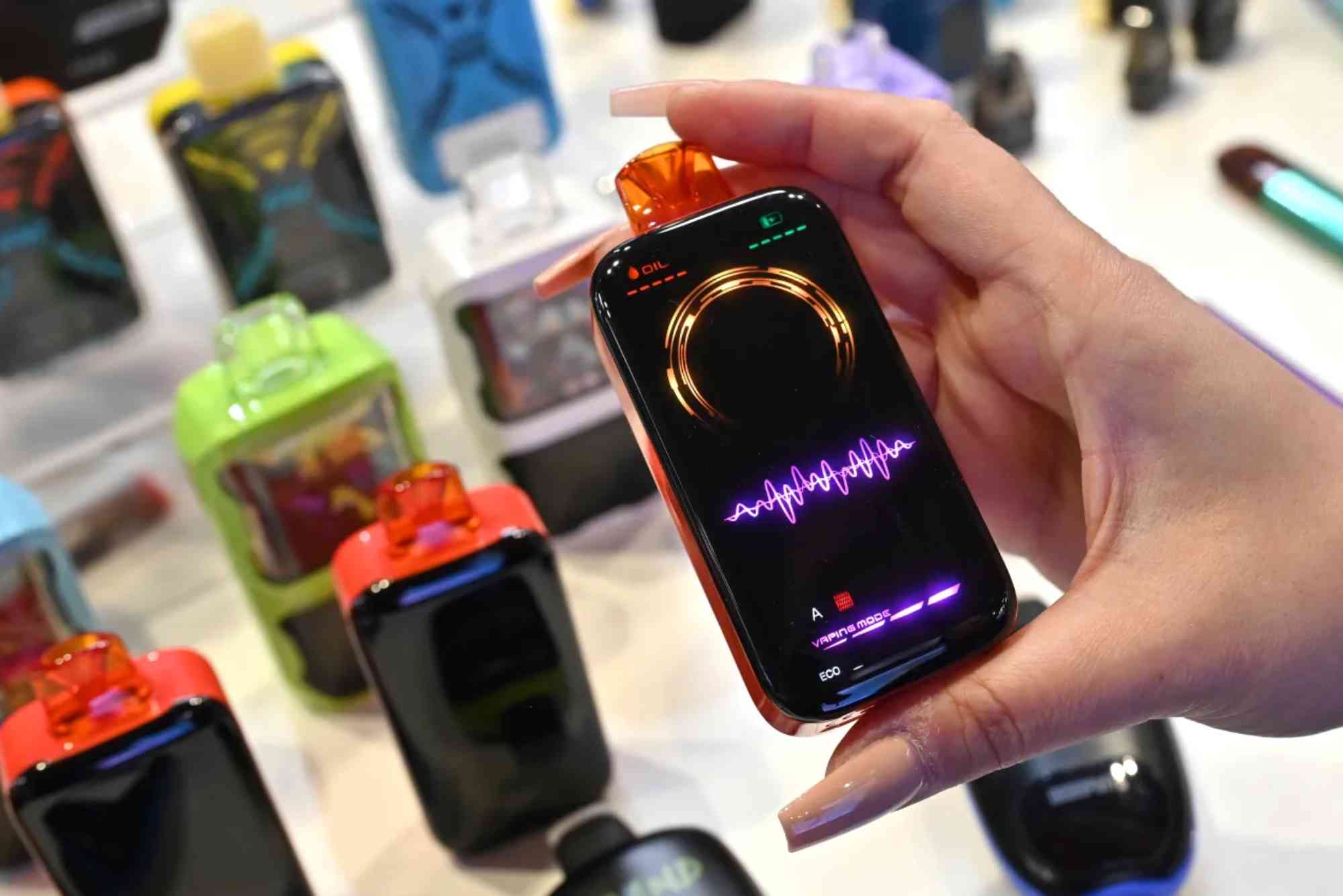
Modern products introduced rechargeable batteries, adjustable settings, improved heating systems, and different device formats.
Changes in Device Design
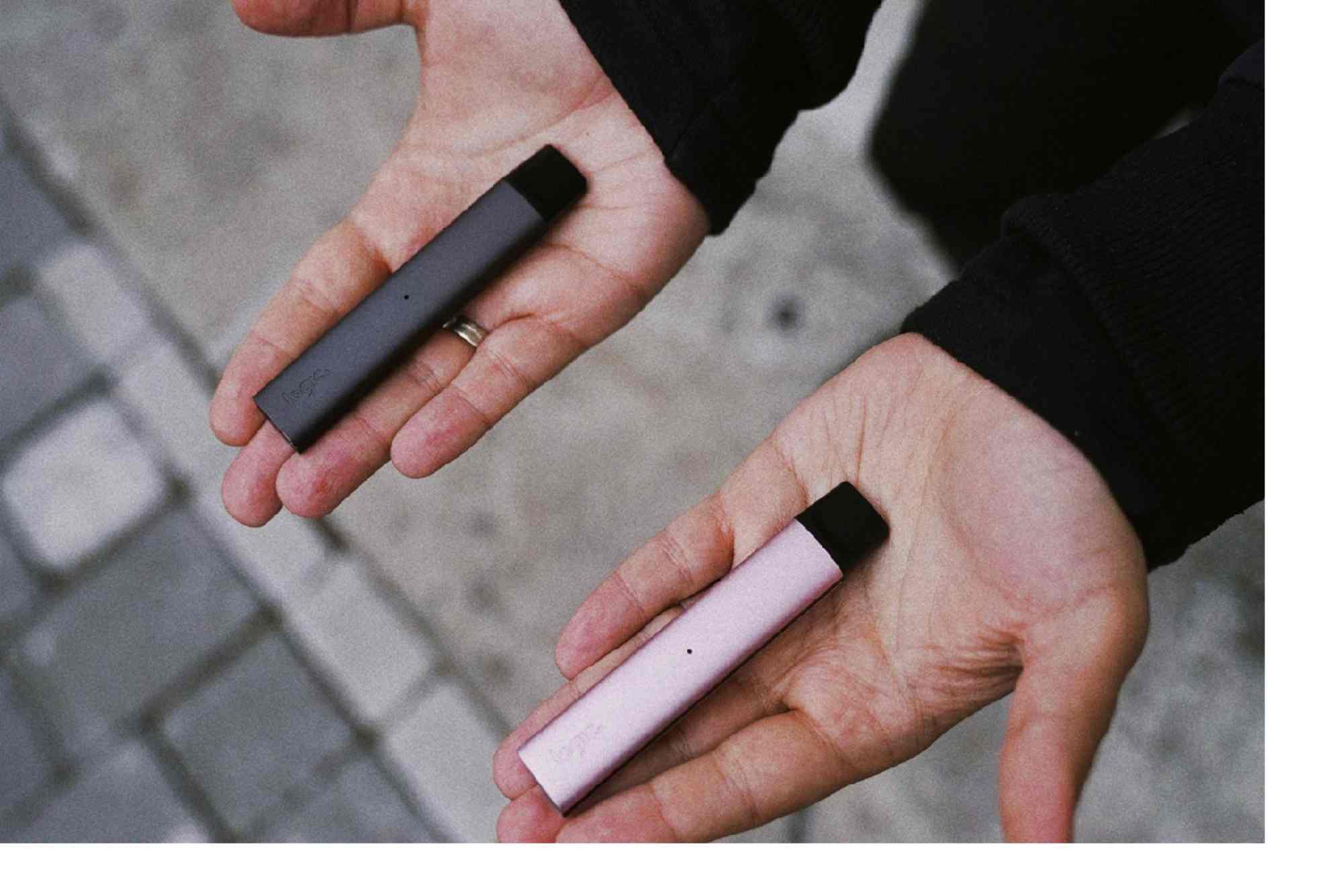
Product appearance has become an important element of consumer marketing. Manufacturers experiment with compact shapes, contemporary finishes, and simplified controls.
These developments reflect broader consumer preferences for portable and visually distinctive electronics.
However, attractive designs should not distract consumers from understanding product safety, nicotine content, and applicable regulations.
Digital Innovation and Consumer Awareness
Digital technology has also changed how people discover information about vaping. Websites, discussion forums, and social media provide opportunities to exchange opinions.
Consumers can now encounter product discussions, regulatory updates, and public health information through digital platforms.
Therefore, online communication has become an important influence on contemporary vaping culture.
Social Media and the Changing Perception of Vaping
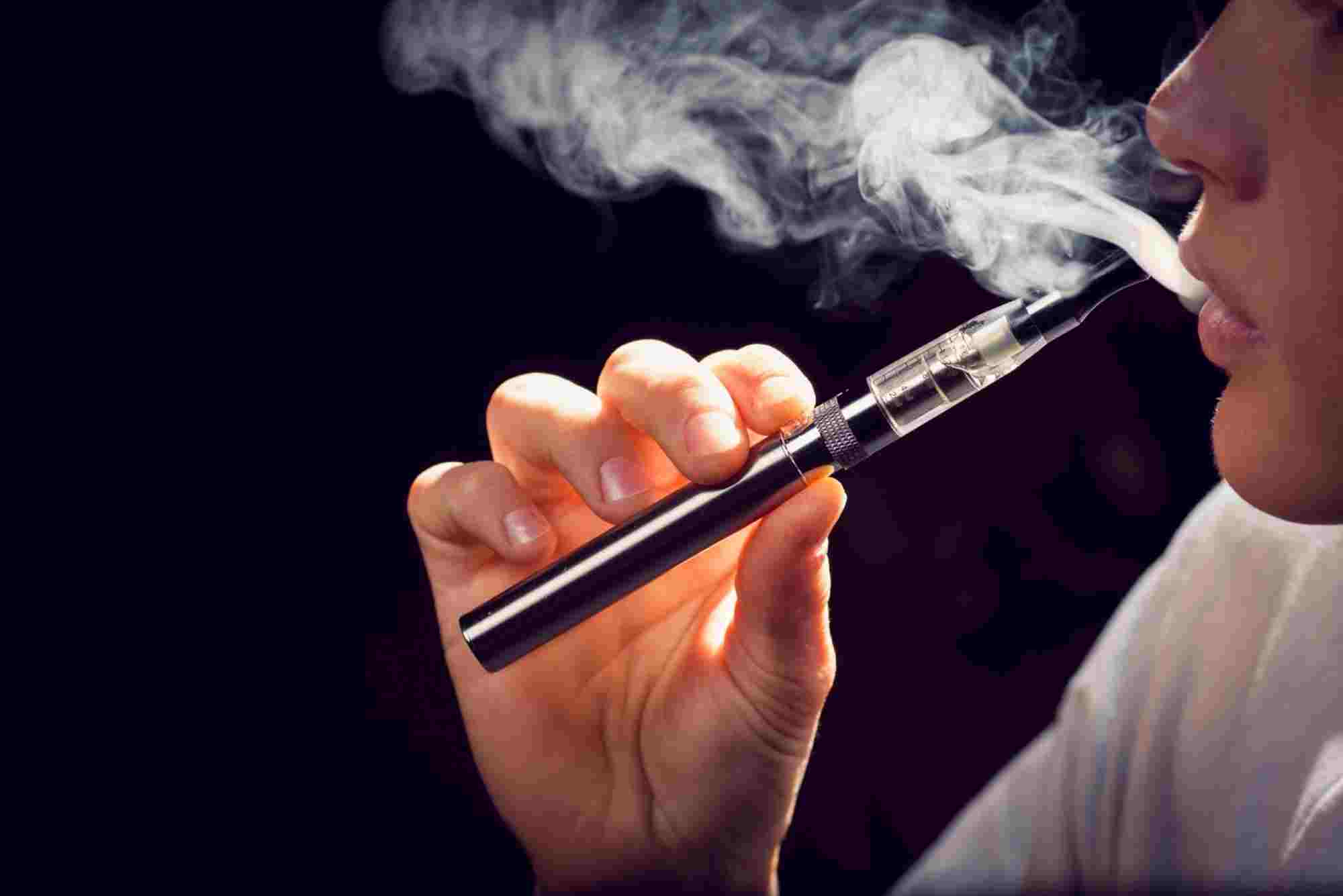
Social media has significantly influenced the Cultural Evolution of Vape Habits. Platforms such as Instagram, TikTok, and YouTube have transformed how lifestyle trends spread.
Images, short videos, and online discussions can make particular products recognizable within specific communities.
Influencers and Digital Communities
Influencers sometimes feature vaping products within lifestyle-related content. Their visual presentation can influence audience perceptions, particularly among younger viewers.
However, promotional content does not necessarily provide balanced information. Audiences should distinguish personal opinions from reliable health guidance.
Responsible digital communication should avoid encouraging nicotine use or presenting vaping as harmless.
Online Conversations and Cultural Awareness
Online communities also provide spaces for discussing regulations, health concerns, and changing consumer attitudes.
Some discussions focus on product technology. Others examine addiction, environmental waste, and restrictions on public use.
This wider conversation demonstrates that vaping culture involves more than product preferences.
The Influence of Fashion and Lifestyle Trends
Fashion has become another visible element of the Cultural Evolution of Vape Habits.
Contemporary consumer culture often connects electronic products with personal appearance and lifestyle preferences.
Manufacturers use different colors, finishes, and product shapes to attract attention. Meanwhile, lifestyle photography sometimes incorporates vaping devices into broader visual themes.
Minimalist Designs and Modern Aesthetics
Minimalist design has influenced many consumer electronics categories. Vape products have also reflected this preference through simplified appearances and compact shapes.
These design choices demonstrate how contemporary aesthetics influence product presentation.
However, visual appeal should never replace responsible consumer education.
Changing Social Environments
Social attitudes toward vaping vary between workplaces, entertainment venues, educational institutions, and private gatherings.
Some environments restrict vaping completely. Others follow specific rules governing where electronic cigarettes may be used.
Consequently, cultural acceptance depends heavily on local expectations and regulations.
Cultural Differences in Global Vape Habits
The Cultural Evolution of Vape Habits differs significantly across international communities.
In some countries, vaping receives attention within harm-reduction discussions. In others, strict regulations limit the availability, advertising, or possession of vaping products.
Cultural traditions also influence public perceptions. Communities with strong tobacco-control campaigns may approach vaping cautiously.
Meanwhile, countries with different regulatory approaches may experience different consumer trends.
International comparisons demonstrate why vaping cannot be understood through one cultural perspective.
Public Health Awareness and Changing Attitudes
Public health awareness has become central to the Cultural Evolution of Vape Habits.
Early discussions frequently emphasized vaping as an alternative to conventional cigarettes. More recent conversations increasingly examine nicotine dependence, respiratory exposure, and potential long-term consequences.
Health authorities generally emphasize that vaping is not risk-free. Nicotine can cause dependence, and vaping products may expose users to potentially harmful substances.
The Importance of Accurate Information
Consumers need reliable information when evaluating vaping-related claims.
Marketing statements should not replace independent scientific research. Similarly, personal experiences cannot establish the safety of a particular product.
Adults who smoke should consult qualified healthcare professionals about evidence-based smoking cessation options.
Young people, pregnant individuals, and people who do not currently use tobacco products should avoid vaping.
Regulations and Responsible Communication
Government regulations influence how vaping products are manufactured, marketed, sold, and used.
Restrictions may cover advertising, minimum purchasing ages, product ingredients, packaging, and public spaces.
These policies also influence cultural perceptions by emphasizing consumer protection and public health.
How Younger Generations Influence Vape Culture
Younger generations encounter vaping-related content through entertainment, digital communities, and popular culture.
However, exposure should not be confused with acceptance or participation.
Social media trends can create unrealistic impressions of popularity. Consequently, responsible communication must avoid normalizing nicotine consumption among young audiences.
Education plays an important role in addressing misconceptions.
Schools, families, healthcare professionals, and digital platforms can help explain nicotine addiction and potential health consequences.
The Cultural Evolution of Vape Habits therefore includes an important discussion about protecting younger generations from commercial influence.
Sustainability and Environmental Concerns
Environmental awareness has introduced another dimension to the Cultural Evolution of Vape Habits.
Disposable vaping devices can contribute to electronic waste. Their batteries, plastic components, and electronic materials require appropriate disposal.
Improper disposal may create environmental problems, particularly when batteries enter ordinary household waste.
Consequently, environmental organizations increasingly emphasize responsible electronic waste management.
Manufacturers also face questions about product durability, recyclable materials, and environmental responsibility.
These concerns demonstrate how sustainability has become part of broader conversations about consumer technology.
Major Factors Influencing the Cultural Evolution of Vape Habits
The following table summarizes the major influences shaping modern vaping culture.
|
Cultural Factor |
Influence on Vape Habits |
Wider Impact |
|---|---|---|
|
Technology |
Changes product design and features |
Consumer electronics trends |
|
Social Media |
Spreads information and opinions |
Digital cultural influence |
|
Fashion |
Influences product appearance |
Lifestyle representation |
|
Regulations |
Controls product availability and use |
Public protection |
|
Health Awareness |
Encourages informed decisions |
Responsible communication |
|
Sustainability |
Highlights electronic waste |
Environmental responsibility |
|
Globalization |
Shares international trends |
Cross-cultural discussions |
These factors demonstrate that vaping culture develops through several connected social, technological, and regulatory influences.
The Future of Vape Culture and Consumer Attitudes
The future of vaping culture will depend on changing regulations, scientific research, and public awareness.
Technology may continue influencing product development. However, stronger advertising restrictions and environmental expectations could reshape how manufacturers communicate with consumers.
Public health organizations will also remain important in correcting misleading information.
Meanwhile, digital communities will continue influencing discussions about consumer behavior and nicotine-related risks.
The Cultural Evolution of Vape Habits will therefore involve more than changing devices or visual trends. It will reflect wider debates about health, technology, personal responsibility, and social values.
Frequently Asked Questions
What is the cultural evolution of vaping?
The cultural evolution of vaping describes changes in social attitudes, consumer behavior, technology, and public perceptions surrounding electronic cigarettes.
These changes reflect technological developments, digital communication, regulations, and growing public health awareness.
How has vaping culture changed over time?
Vaping culture has changed through developments in product design, online communication, and public awareness.
Earlier discussions focused heavily on electronic cigarette alternatives. Today, conversations increasingly include nicotine addiction, environmental concerns, and regulatory policies.
Why has vaping become a cultural trend?
Vaping gained cultural visibility through consumer technology, lifestyle marketing, social media, and discussions about alternatives to traditional smoking.
However, visibility does not mean universal acceptance or demonstrate that vaping is safe.
How does social media influence vaping habits?
Social media spreads vaping-related images, opinions, and product information.
Influencers and online communities can affect public perceptions. However, promotional content may overlook important health risks.
Is vaping part of modern lifestyle culture?
Vaping appears in some contemporary lifestyle discussions involving fashion, entertainment, and digital communities.
Nevertheless, social acceptance varies considerably. Many organizations and communities discourage nicotine use because of its health consequences.
What factors will shape the future of vaping culture?
Government regulations, scientific research, environmental awareness, and technological developments will influence future vaping culture.
Public health education will also remain essential for encouraging informed decisions.
Conclusion
The Cultural Evolution of Vape Habits demonstrates how technology, social media, fashion, and public awareness influence modern consumer culture.
What initially attracted attention as an electronic alternative to traditional cigarettes has developed into a broader cultural discussion.
Today, conversations extend beyond product design. They include health concerns, environmental responsibility, advertising practices, and changing social attitudes.
Understanding these developments requires balanced information rather than relying entirely on marketing or online trends.
Stay informed about changing lifestyle patterns, consumer behavior, and emerging social discussions. Explore more culture and community trend coverage to understand how modern trends continue shaping society.