
Introduction
For many expats relocating to the United Arab Emirates, adjusting to local rules and cultural practices is part of daily life. Among the most frequently misunderstood subjects is the legal status of CBD. Around the world, CBD is marketed as a wellness supplement, but in the UAE it falls under some of the strictest legal frameworks. Understanding CBD regulations UAE is essential not only for peace of mind but also to avoid serious legal consequences. The country treats drug control as a matter of public safety and upholds a zero-tolerance policy. What may be legal in one’s home country could be classified as a controlled substance in the Emirates. This article unpacks the details of how the UAE regulates CBD, what expats need to be cautious about, and how to navigate the landscape without making avoidable mistakes.
The Legal Framework Surrounding CBD in UAE
The UAE’s drug laws are governed by Federal Law No. 14 of 1995 on narcotic and psychotropic substances, along with several amendments. CBD, despite being non-intoxicating, is derived from cannabis. Because of this association, it is regulated under the same category as cannabis products. The government has consistently clarified that any product containing traces of THC, even in very small amounts, can be classified as illegal.
Authorities apply a very strict definition of what constitutes a controlled substance. Expats arriving at airports have faced detention over items as seemingly harmless as CBD oil in skincare products or vape cartridges purchased abroad. Unlike other countries where labeling may show “THC-free” or “broad spectrum,” UAE authorities do not rely solely on foreign packaging claims. Products may be subject to laboratory testing, and if THC is detected, penalties can be severe.
Why CBD Is Treated Differently in UAE
The UAE takes a zero-tolerance stance for several reasons. First, the cultural and religious context places high importance on public health and morality. Substances that may impair judgment or be associated with recreational drug use are considered unacceptable. Second, the authorities are keen to avoid loopholes that might open the door to broader cannabis use. Allowing CBD, even with claims of being THC-free, could complicate enforcement and create space for misuse.
From a policy perspective, it is easier to impose a blanket ban than to regulate varying thresholds of cannabinoids. While other countries may set a legal limit, such as 0.2% or 0.3% THC, the UAE does not recognize these thresholds. Therefore, expats should understand that legality abroad does not translate to legality locally.
CBD in Personal Care and Health Product
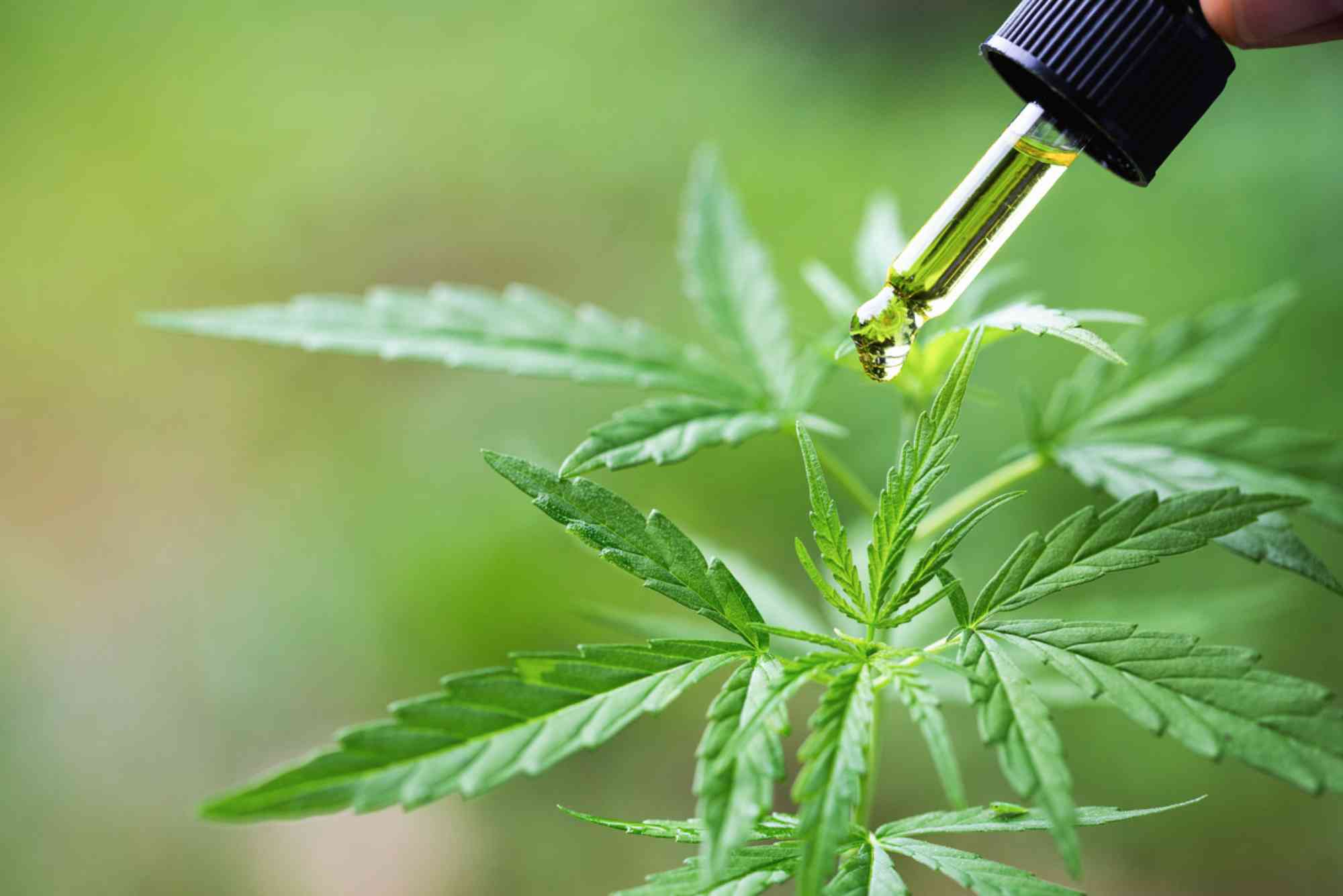
One of the biggest areas of confusion lies in cosmetics and wellness items. Around the world, CBD has become a popular ingredient in skincare, balms, shampoos, and dietary supplements. However, bringing such products into the UAE can result in confiscation or worse. Even if you purchased a CBD lotion at a well-known international retailer, the UAE does not exempt these products from its strict oversight.

Airlines and customs officers repeatedly warn travelers not to carry oils, tinctures, capsules, or edibles containing CBD. Likewise, online shopping can pose risks. Some websites ship CBD products worldwide, but orders addressed to UAE residents may be seized at customs. Buyers can face penalties, and the delivery company may also report suspicious packages.
Enforcement and Penalties
Understanding CBD regulations UAE also means being aware of the potential consequences. Laws allow for heavy fines, deportation, and even prison terms depending on the circumstances. While minor possession cases may result in fines or deportation, large quantities could be prosecuted under trafficking laws.
Expats should not underestimate enforcement measures. Customs officials use advanced scanning and laboratory testing at airports. Border checks are thorough, and random inspections can occur. Authorities have prosecuted individuals for having only milligrams of banned substances in their possession. The message is clear: when in doubt, leave it behind.
Guidance for Expats
Expats make up the majority of the UAE’s population, and many are used to the availability of CBD in their home countries. To avoid misunderstandings, it is crucial to follow some clear rules. Never bring CBD products, even if they are labeled as THC-free. Do not attempt to mail CBD items to the UAE, and avoid ordering online unless you have verified that the product is officially approved. When buying supplements or cosmetics locally, check ingredient lists carefully. If the product contains hemp extract, hemp oil, or cannabidiol, it is best to avoid it.
For those interested in wellness alternatives, the UAE offers many legal herbal and holistic remedies available through pharmacies. From traditional herbal blends to modern supplements, residents can find safe substitutes that align with local laws. Consulting a licensed medical practitioner in the UAE ensures that any health supplement used is compliant.
What Expats Commonly Ask About CBD in UAE
Can I bring CBD oil into the UAE for personal use?
No. CBD oil, regardless of labeling, is considered illegal. Bringing it into the UAE may result in confiscation, fines, or criminal charges.
Is CBD legal for medical use in the UAE?
Currently, no. The UAE does not recognize CBD as a legal medical treatment. Even with a prescription from abroad, it cannot be carried into the country.
What if my skincare contains hemp seed oil?
Hemp seed oil, if refined and free from cannabinoids, may be legal. However, some labels are misleading. Always confirm with local pharmacies or regulatory authorities before use.
Do other Gulf countries have similar CBD laws?
Yes, most Gulf Cooperation Council (GCC) states enforce strict anti-cannabis policies. While some vary in enforcement, the safest approach is to assume CBD is not permitted.
Could CBD laws change in the future?
While some countries are relaxing cannabis rules, the UAE has shown no indication of legalizing CBD. Authorities may update drug laws, but for now the ban remains firm.
Balancing Wellness Needs With Legal Realities
Expats who rely on CBD for conditions such as anxiety, pain, or sleep disorders may feel particularly affected. While it may be frustrating, safety must come first. Before relocating, individuals who use CBD therapeutically should consult healthcare providers about alternatives. Doctors in the UAE can recommend legal treatment options, and pharmacies stock approved supplements and medications.
Many expats find that adapting to local wellness practices, such as herbal teas, essential oils, or licensed holistic therapies, provides some relief. Additionally, lifestyle adjustments such as exercise, meditation, and balanced nutrition can help manage stress in a demanding work environment.
Staying Informed as an Expat
The best way to avoid legal trouble is to remain updated. Government agencies, embassy websites, and UAE news outlets regularly publish information about controlled substances. Airlines also warn passengers about banned items. Taking the time to double-check before packing or shopping online can prevent serious consequences.
Employers and HR departments in the UAE also play a role in guiding expatriates. Many companies include briefings on prohibited substances during orientation. Expats should pay close attention, ask questions, and share this knowledge with family members. Even accidental violations can have long-lasting impacts on one’s residency status.
CBD regulations UAE are clear, strict, and non-negotiable. For expats, the safest approach is to completely avoid CBD products, regardless of their legality abroad. Whether it comes in the form of oil, edibles, or cosmetics, CBD is not recognized as legal in the Emirates. Understanding these rules is not just about following the law—it is about protecting your safety, career, and residency.
If you are moving to the UAE or already living there, stay informed and cautious. Replace CBD with legal wellness options, seek medical advice locally, and make informed choices. Doing so will give you peace of mind and allow you to enjoy life in the UAE without unnecessary risks.


