
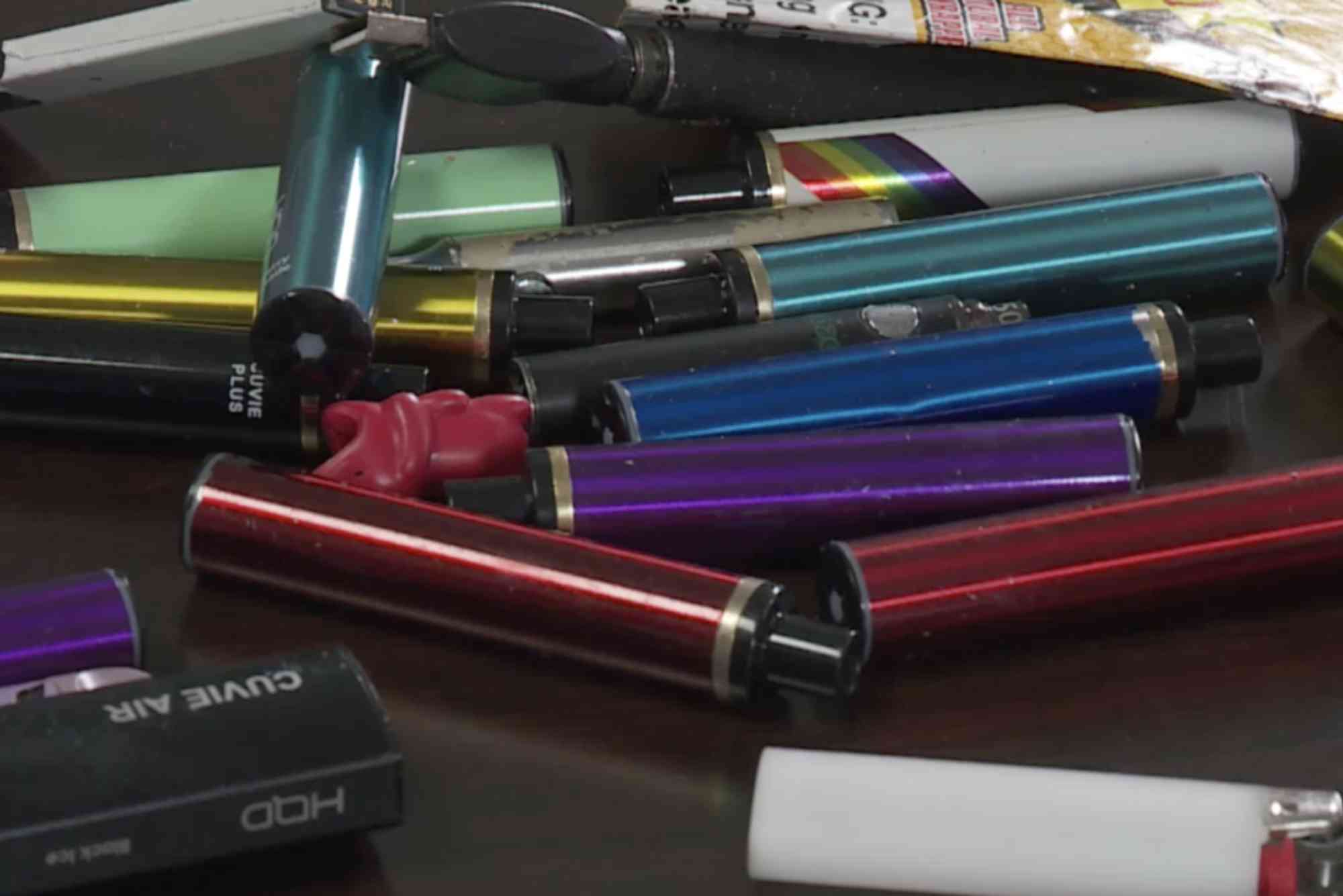
Introduction
Kansas City has a vibrant vaping community, but with that comes responsibilities and safety concerns. While many people are familiar with restrictions on tobacco products, fewer are fully aware of Kansas City vape laws and the potential dangers linked to vaping devices, especially battery safety. Recent reports of battery malfunctions and explosions highlight the importance of knowing how to protect your vape while also staying compliant with local regulations.
If you live in Kansas City or visit frequently, understanding both the legal framework and the practical steps to avoid battery-related accidents is crucial. This article explores local vaping regulations, explains how and why vape batteries can fail, and provides actionable guidance to ensure both legal compliance and personal safety.
Understanding Kansas City Vape Laws
Kansas City vape laws are designed to regulate how vaping products are sold, advertised, and consumed. These laws exist not only to discourage underage use but also to ensure that consumers remain informed about potential risks. While state and federal regulations overlap, Kansas City has its own ordinances that residents and shop owners must follow.
One of the most critical aspects of these regulations is the age restriction. In Kansas City, as in the rest of Missouri and Kansas, individuals must be at least 21 years old to purchase or use vaping products. Retailers face strict penalties if they fail to verify age or sell to minors. This rule aims to curb youth vaping, which has been a national concern in recent years.
Another key regulation is related to where you can vape. Kansas City enforces restrictions on vaping in certain public spaces, similar to smoking bans. Many restaurants, workplaces, and bars prohibit vaping indoors. Property owners also retain the right to restrict vaping on their premises, meaning users must respect posted signs and rules.
Packaging and labeling requirements are another legal consideration. Products must display nicotine warnings, and retailers must ensure that packaging complies with federal labeling standards. These measures help consumers make informed choices and understand the risks associated with vaping.

Why Vape Battery Safety Matters
While Kansas City vape laws focus on regulating the sale and use of vaping products, one of the biggest risks lies in the device itself. Vape devices run on lithium-ion batteries, which are powerful but sensitive. When handled incorrectly or paired with incompatible chargers, these batteries can overheat, vent, or in rare cases, explode.
Reports of vape battery explosions often make headlines, creating fear among users. In reality, most accidents are preventable when users follow safe practices. The risk increases when people use counterfeit batteries, modify devices, or carry spare batteries loosely in their pockets where they can contact coins or keys. Such small oversights can have serious consequences.
It’s important to understand how vape batteries work. Lithium-ion cells store a large amount of energy in a compact form. They are designed to release energy gradually, but damage, improper charging, or exposure to extreme heat can destabilize them. Once the internal components fail, pressure builds rapidly, sometimes leading to a violent release of energy.
How to Protect Your Vape Batteries
Keeping your vape safe begins with responsible battery management. The simplest step is to purchase quality batteries from reputable sellers. Avoid buying no-name batteries online, as many counterfeits circulate the market. Authentic batteries from trusted brands are built with safety protections that lower the risk of failure.
Charging practices also matter. Always use the charger recommended by the manufacturer. Mixing chargers can cause overcharging or undercharging, both of which stress the battery. Never leave your vape charging overnight or unattended. While modern devices include safety cutoffs, relying on them completely is risky.
Storage is another overlooked factor. Batteries should be kept in protective cases when not in use, never loose in your pocket or bag. Contact with metal objects can create a short circuit that quickly escalates into overheating. If you carry spare batteries, invest in silicone sleeves or plastic cases designed for transport.
Equally important is avoiding damage to your device. If you drop your vape or notice swelling, unusual heat, or strange noises from the battery, discontinue use immediately. Damaged batteries should be disposed of safely at recycling centers that accept electronics, not thrown into household trash.
Legal and Safety Overlap in Kansas City
The intersection of Kansas City vape laws and battery safety highlights a bigger issue: responsibility. While the law governs where and how vaping products can be used, consumers are responsible for safe handling of their devices. Authorities cannot regulate every aspect of personal use, so awareness and caution must come from individuals.
Kansas City’s regulations encourage retailers to educate customers about both compliance and safe usage. Many vape shops offer guidance on battery handling and device maintenance. Asking questions when purchasing a new device can provide valuable insights that protect both your health and property.
For example, while it may not be illegal to modify a vape device, doing so can bypass built-in protections and raise the chance of battery accidents. Staying within manufacturer guidelines not only ensures safety but also avoids potential legal complications if an incident causes injury or property damage.
Common Myths About Vape Battery Explosions
Several misconceptions fuel confusion around vape battery safety. Some users believe explosions only happen with cheap devices, but even high-end products can fail if misused. Others assume that small devices, such as pod systems, are safe from accidents. In truth, all lithium-ion batteries carry similar risks, regardless of device size.
Another common myth is that battery explosions are inevitable over time. While batteries do degrade, proper handling significantly extends their life and prevents accidents. Charging responsibly, replacing worn-out cells, and storing them correctly ensures years of safe use.
Finally, some people assume that only “cloud chasers” using advanced mods face battery issues. While mechanical mods and unregulated devices indeed carry higher risks, even beginner devices can fail under poor conditions. Education, not assumption, is the best defense against accidents.
Practical Steps for Kansas City Vapers
If you vape in Kansas City, protecting yourself requires a two-part mindset: know the law and respect your device. Always carry identification to prove your age when purchasing products, as stores must verify compliance. Be mindful of no-vape zones to avoid fines or confrontations. These steps maintain your standing within the legal framework.
On the safety side, make battery care a routine habit. Check your device regularly for damage, replace batteries that show signs of wear, and charge only with approved equipment. Stay alert to recalls or warnings from manufacturers, as these notices are issued to prevent harm.
When traveling with your vape, remember that airlines enforce strict battery rules. Always carry devices and spare batteries in your carry-on luggage, not checked bags. Kansas City International Airport follows these federal guidelines, and ignoring them can result in confiscated items or fines.
FAQ: Kansas City Vape Laws and Battery Safety
Can you vape indoors in Kansas City?
In most cases, no. Many businesses prohibit vaping indoors, and city regulations align vaping with smoking restrictions in public spaces.
What is the legal age to buy vapes in Kansas City?
The legal age is 21. Retailers must verify identification, and violations carry penalties.
Are vape batteries dangerous?
When handled properly, vape batteries are safe. Most incidents occur due to misuse, such as using damaged batteries or improper charging.
How can I stop my vape battery from exploding?
Use quality batteries, charge with the correct charger, and store them in protective cases. Avoid modifications and damaged devices.
Do Kansas City vape laws cover battery safety?
Not directly. Regulations focus on age, sales, and use, while safety depends on user responsibility and manufacturer guidelines.
Vaping in Kansas City requires both legal awareness and personal responsibility. Knowing Kansas City vape laws ensures that you avoid fines, while proper battery care keeps you safe from preventable accidents. Lithium-ion technology is powerful but sensitive, and a little attention goes a long way in preventing dangerous outcomes.


