
Introduction
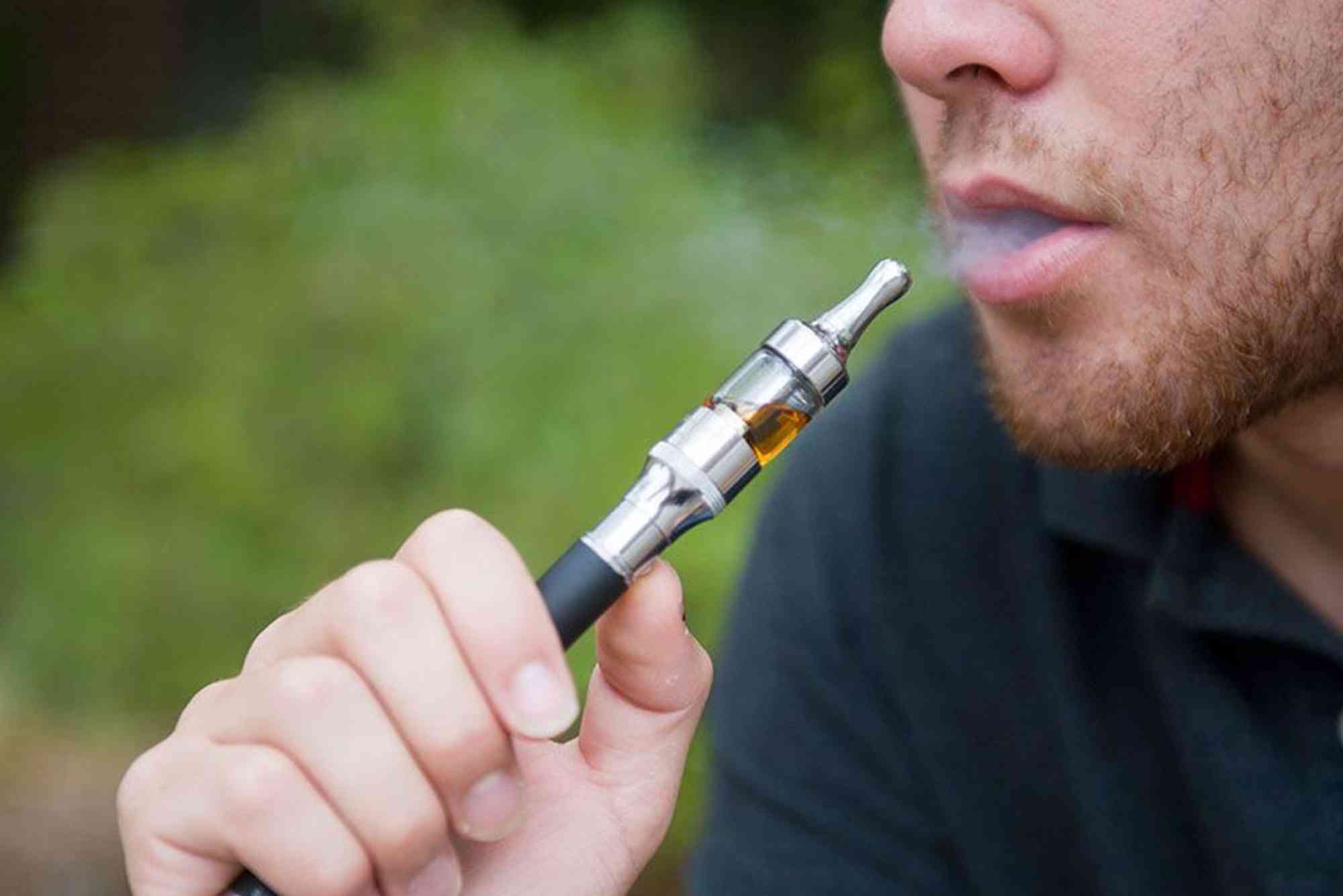
Vaping has transformed into one of the most debated habits of the 21st century. While many consider it a safer alternative to smoking, governments worldwide have been quick to regulate its use. The law for vaping does not only focus on public safety but also aims to address health risks that science continues to uncover. As vaping devices become more popular among young adults and former smokers, it becomes essential to understand how legal rules intersect with health concerns. Whether you are new to vaping or an experienced user, being aware of the law for vaping and its connection to your well-being is vital.
Understanding the Law for Vaping
The law for vaping varies from country to country, and in many cases, even between states or provinces within the same nation. Legislators recognize that vaping sits at the crossroad of innovation and risk. On one hand, it may help smokers transition away from traditional cigarettes. On the other hand, flavored products and easy availability have drawn in underage users, raising alarms.
Most legal frameworks target three primary areas: age restrictions, public use, and product standards. Age limits generally mirror those applied to tobacco, meaning only adults over 18 or 21 can purchase vaping devices. Public use laws often treat vaping similarly to smoking, restricting use in enclosed public areas, transport hubs, and educational institutions. Regulations on product quality address safety, ensuring e-liquids meet specific standards to reduce the risk of harmful substances.
For vapers, understanding these rules is not just about avoiding fines or legal issues. The law for vaping plays a role in shaping habits, guiding users toward safer consumption, and preventing exposure to harmful or counterfeit products.
Health Insights Behind Vaping Regulations
Laws rarely emerge without reason. To understand why governments impose restrictions, it helps to explore the health data shaping these decisions. Vaping is not harmless, and while it may present fewer risks than traditional smoking, medical research highlights areas of concern that policymakers cannot ignore.
Impact on Lungs
E-liquids, when heated, release vapor that contains fine particles capable of reaching deep into the lungs. Early studies show that frequent inhalation can lead to inflammation and respiratory irritation. Conditions such as bronchitis-like symptoms and shortness of breath have been reported among regular vapers. Lawmakers often cite these health risks when drafting public-use restrictions to protect non-users from exposure.

Nicotine and Addiction
The law for vaping strongly regulates nicotine content because of its addictive nature. High-nicotine e-liquids can create dependency, especially among first-time users who never smoked cigarettes. This concern has motivated strict labeling requirements and caps on nicotine levels in many regions. The intent is to balance consumer freedom with public health safeguards.
Youth and Brain Development
One of the most pressing health insights influencing legislation is the effect of nicotine on adolescent brain development. Medical research shows that nicotine exposure during teenage years can alter cognitive functions and lead to long-term addiction. For this reason, age-related laws are strict and heavily enforced, particularly near schools and community centers.
Unknown Long-Term Effects
Unlike cigarettes, which have been studied for decades, vaping is relatively new. Scientists are still examining long-term health outcomes. The uncertainty itself drives lawmakers to adopt precautionary measures. By enforcing strong regulations, governments aim to reduce the chance of widespread harm should future evidence reveal more serious consequences.
Why Vaping Laws Differ Across Countries
If you travel frequently, you may notice significant differences in the law for vaping across regions. Some countries have embraced vaping as a harm-reduction tool, while others treat it with the same severity as smoking or even ban it entirely.
For instance, in certain European nations, vaping products are tightly regulated but accessible, with caps on nicotine content and clear packaging requirements. In contrast, some Asian and Middle Eastern countries impose outright bans on sales, viewing vaping as a potential gateway to addiction. This variation reflects not only health concerns but also cultural attitudes, economic priorities, and the strength of tobacco control policies already in place.
As a vaper, staying informed about local laws is crucial. Ignorance is rarely a defense in legal matters, and what feels like a harmless puff in one country could lead to fines or confiscation in another.
The Balance Between Freedom and Safety
The law for vaping highlights an ongoing tension between personal freedom and collective safety. Supporters of vaping argue that it provides millions of smokers with a potentially less harmful alternative. Critics emphasize the unknowns, the addictive properties of nicotine, and the rapid rise of underage use.
This balance shapes every piece of legislation. Governments attempt to protect non-smokers, particularly youth, while not entirely removing options for adults seeking to reduce harm. The result is a patchwork of rules that evolve quickly as new research and public concerns emerge.
What Every Vaper Should Keep in Mind
For individuals who vape, following the law is only part of the responsibility. Understanding the health implications makes it easier to make informed choices. Choosing regulated products over untested alternatives reduces the risk of harmful exposure. Limiting nicotine strength can help prevent dependency. Being considerate of non-vapers, especially in shared spaces, avoids conflicts and protects vulnerable groups.
While vaping may feel like a personal choice, the broader context reminds us that habits influence society. Regulations exist to create safer environments, but the responsibility for health ultimately lies with each user. By combining awareness of laws with personal caution, vapers can navigate both legal and health-related challenges more effectively.
FAQs on the Law for Vaping
Is vaping legal everywhere?
No, the law for vaping differs worldwide. Some countries regulate it like tobacco, while others ban it outright.
Why are there age restrictions for vaping?
Age limits exist because nicotine affects brain development and carries a high risk of addiction among young people.
Can I vape in public places?
In most regions, vaping in enclosed public spaces is restricted to protect non-users from secondhand aerosol exposure.
Are all e-liquids safe under the law for vaping?
Not all products are safe. Legal frameworks often mandate testing and labeling, but counterfeit products may bypass regulations.
Does vaping have fewer health risks than smoking?
Current research suggests it may expose users to fewer toxins than cigarettes, but it is not risk-free and long-term effects remain unclear.
The law for vaping is more than a set of restrictions—it reflects a balance between innovation, health, and social responsibility. For vapers, understanding these rules provides protection against legal consequences while offering insight into the health risks that shape regulation. The intersection of law and science reveals that while vaping might be less harmful than smoking, it is not without risks.


