Introduction
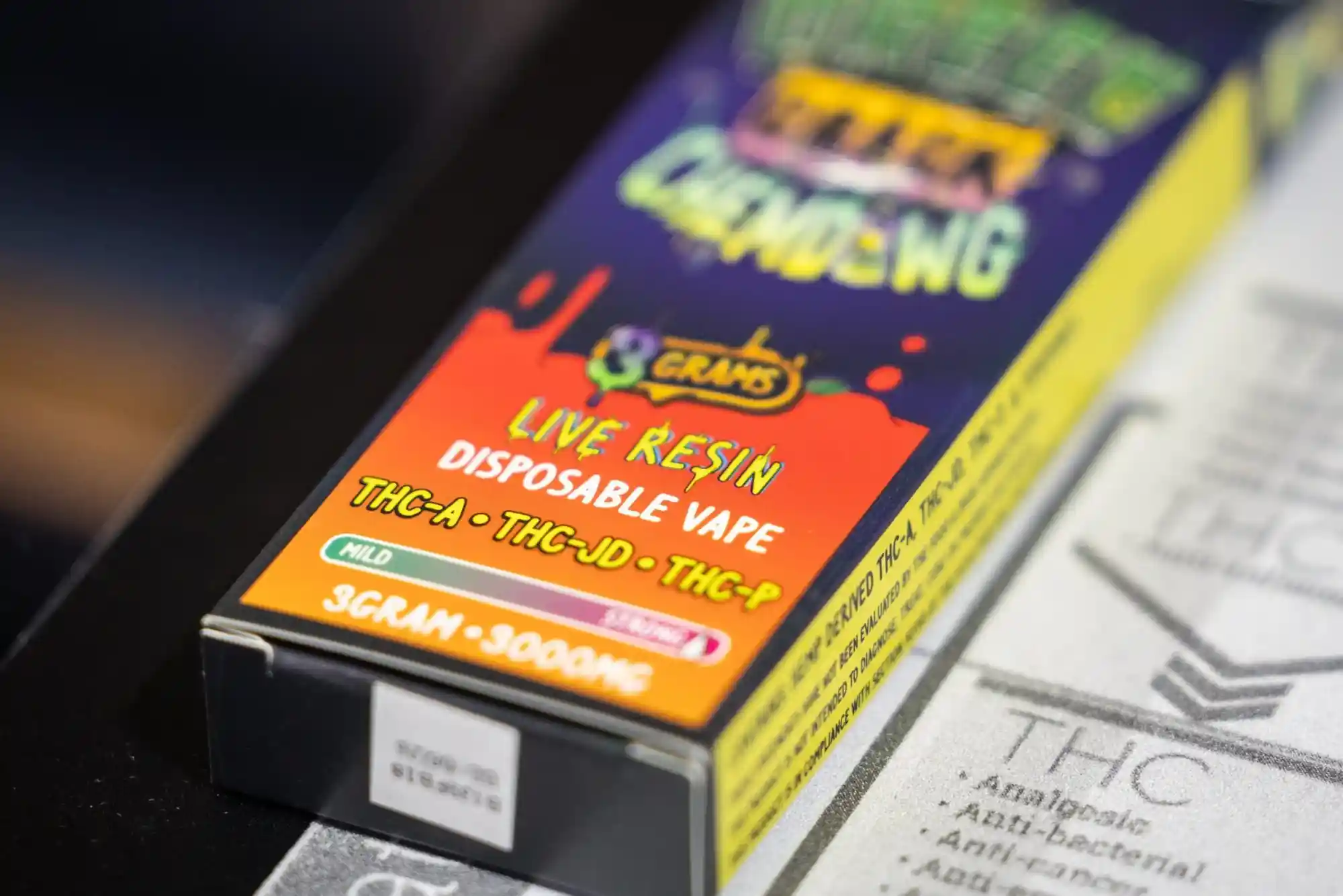
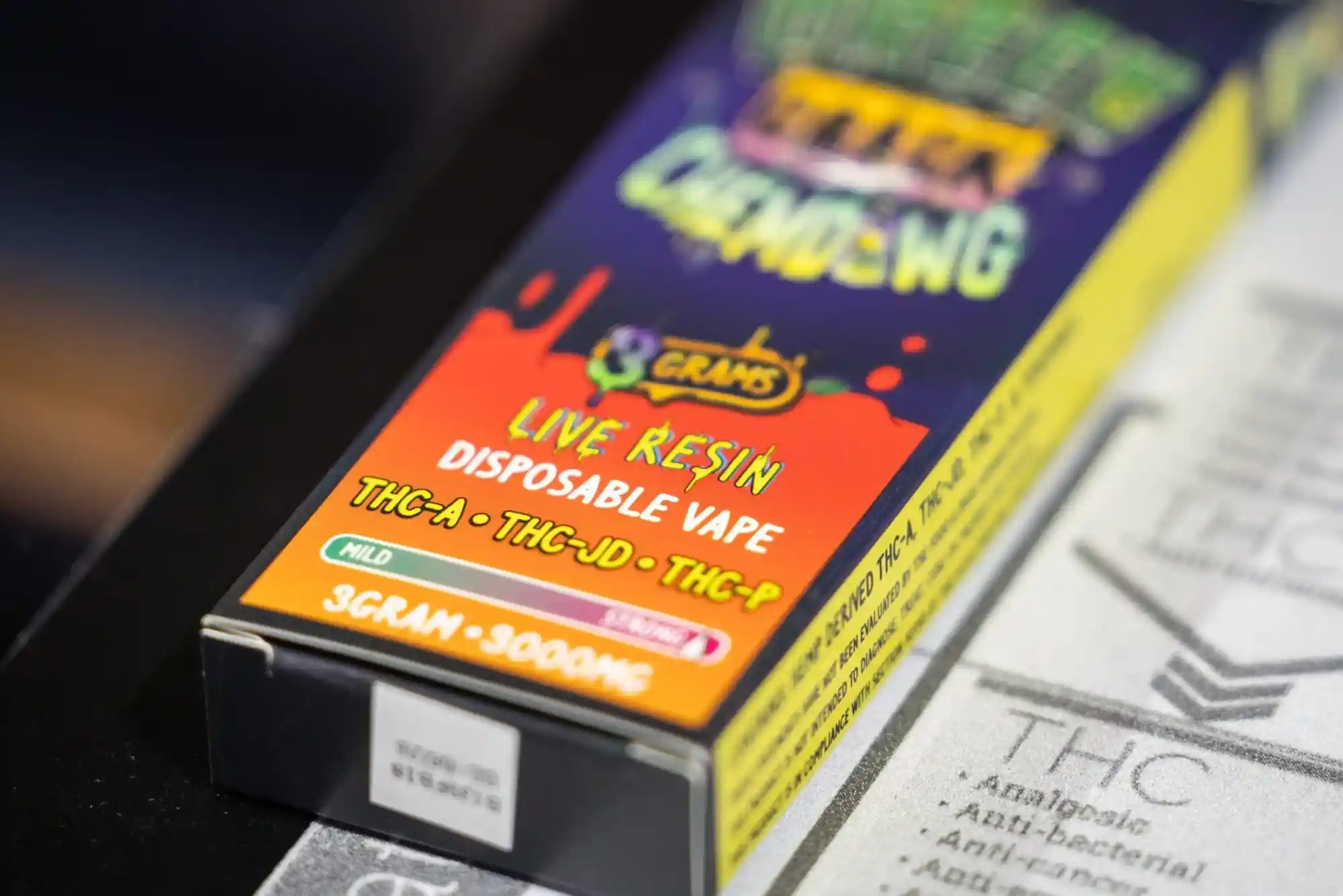
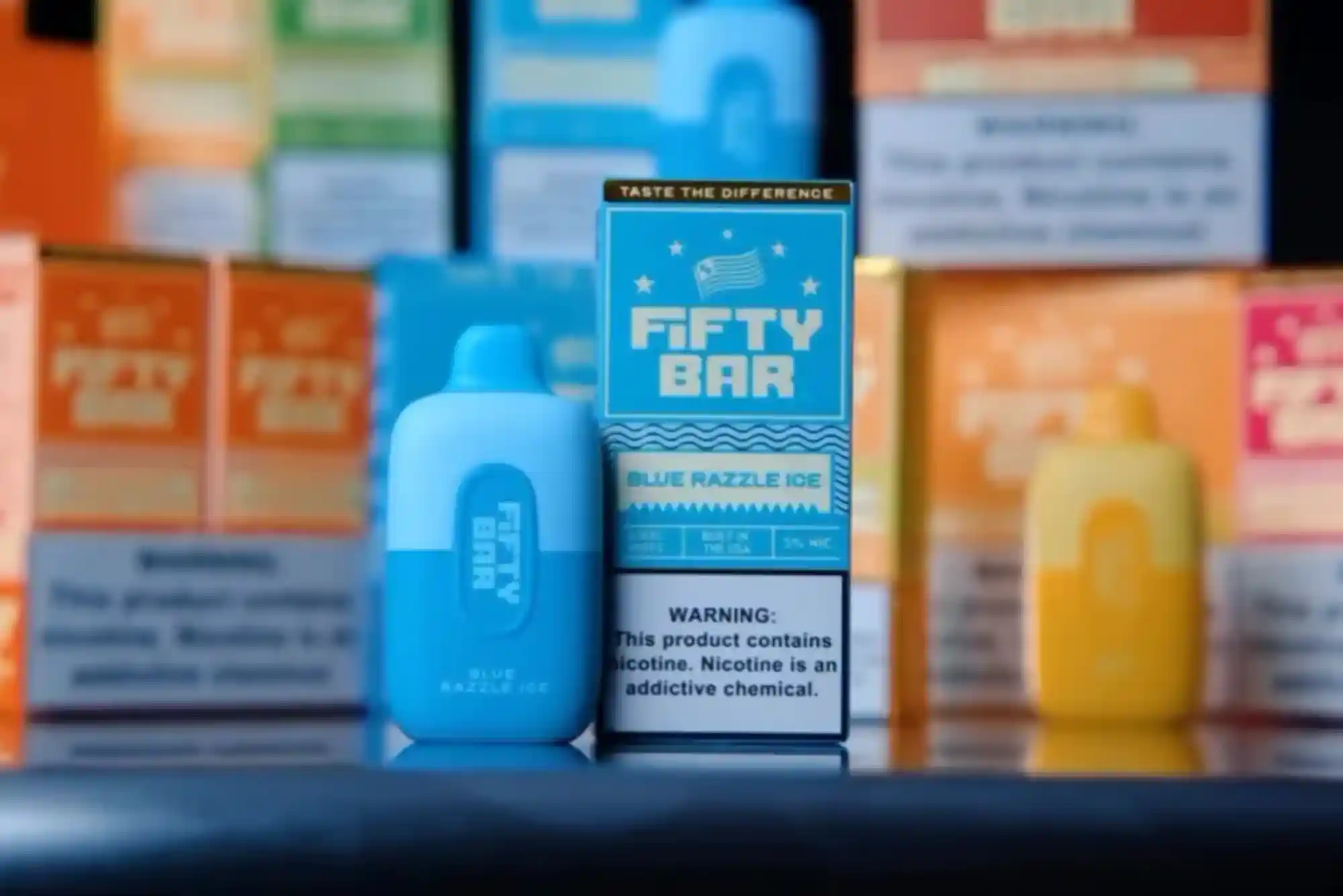
The future of vape compliance in the U.S. is becoming more complex as federal oversight, state regulations, product authorization requirements, and enforcement policies continue to evolve. Vape manufacturers, importers, distributors, and retailers must increasingly treat compliance as an ongoing business process rather than a one-time legal requirement.
The U.S. Food and Drug Administration (FDA) regulates e-cigarettes, vapes, and other electronic nicotine delivery systems (ENDS), including many products containing nicotine from tobacco or other sources. The agency’s current framework covers areas such as manufacturing, importing, labeling, advertising, distribution, and marketing.
For businesses operating in this sector, understanding where regulation is heading can be just as important as understanding today’s rules. The next phase of vape compliance in the U.S. is likely to emphasize product authorization, documentation, youth-access controls, supply-chain oversight, digital marketing practices, and stronger action against unauthorized products.
Understanding Vape Compliance in the U.S. Today
Modern vape compliance in the U.S. is built around federal tobacco law, FDA regulations, and additional state and local requirements. The FDA’s authority over e-cigarettes expanded significantly with the 2016 Deeming Rule, which brought ENDS and other previously unregulated tobacco products under the federal tobacco regulatory framework.
The federal framework means businesses cannot simply assume that a vape product is legal because it is manufactured overseas, sold online, or already available in the marketplace. Product status, intended use, ingredients, labeling, marketing, and distribution can all affect regulatory obligations.
Federal oversight remains central
The FDA regulates the manufacture, import, packaging, labeling, advertising, promotion, sale, and distribution of ENDS. Certain components and parts can also fall within FDA tobacco authority, while accessories may be treated differently depending on their characteristics and intended use.

This makes regulatory classification an important starting point for businesses entering or expanding within the U.S. market.
The minimum purchase age is 21
Federal Tobacco 21 requirements prohibit retailers from selling tobacco products, including e-cigarettes, to anyone younger than 21. FDA rules also require retailers to verify identification for certain customers under 30.
Age verification will remain an important part of future vape compliance in the U.S., particularly as regulators continue examining online sales and digital commerce.
Why PMTA Will Shape the Future
Premarket Tobacco Product Applications, commonly known as PMTAs, are likely to remain one of the most important elements of vape compliance in the U.S. A new tobacco product generally needs FDA marketing authorization before it can lawfully be marketed in the United States.
The FDA evaluates new tobacco products using a public-health standard. This assessment considers the risks and benefits to the population as a whole, including tobacco-product users and nonusers.
Authorization will matter more than market availability
One of the most important lessons for the industry is that being available for sale does not automatically mean a product has FDA authorization.
As of August 2026, the FDA states that 45 e-cigarettes are authorized and identifies those products as the only e-cigarettes that may lawfully be sold in the United States.
This creates a major compliance consideration for manufacturers, importers, wholesalers, and retailers. Businesses need reliable systems for confirming the regulatory status of products before placing them into their supply chains.
Documentation will become a competitive advantage
The future of vape compliance in the U.S. will increasingly reward companies that can quickly demonstrate where their products came from, how they were manufactured, what ingredients they contain, and what regulatory pathway applies.
Strong documentation can also help businesses respond more effectively to regulatory inquiries, retailer audits, customs questions, and supply-chain reviews.
The Growing Importance of Non-Tobacco Nicotine Rules
Synthetic and other non-tobacco nicotine products have changed the compliance landscape. Congress clarified FDA authority over tobacco products containing nicotine from any source in 2022, bringing non-tobacco nicotine products within the federal tobacco regulatory framework.
This development demonstrated an important principle: companies should not assume that changing the source of nicotine removes a product from tobacco regulation.
Synthetic nicotine is not a regulatory shortcut
Businesses using synthetic nicotine must consider the same fundamental questions that apply to other regulated nicotine products. Is the product properly classified? Does it have the required authorization? Are labeling and marketing practices compliant? Are sales controls adequate?
The FDA has previously taken enforcement action involving non-tobacco nicotine products, showing that the agency’s authority extends beyond conventional tobacco-derived nicotine.
State Laws Will Continue Creating Complexity
Federal requirements are only one part of vape compliance in the U.S. States and local jurisdictions can impose additional restrictions involving flavors, taxes, licensing, retail sales, product distribution, packaging, and online commerce.
For businesses selling nationwide, this creates a regulatory environment where one product strategy may not work uniformly across every market.
The Public Health Law Center provides a useful FDA e-cigarette regulation overview that examines e-cigarette regulations across the United States. Businesses can use state-by-state regulatory research as part of their compliance monitoring process.
A national strategy may require state-level adjustments
A company might satisfy federal requirements while still facing restrictions in a particular state or municipality. Consequently, future compliance programs are likely to become more granular.
Instead of asking whether a product is “legal in the U.S.,” businesses may need to ask whether a particular product can legally be manufactured, imported, advertised, shipped, and sold in each target jurisdiction.
FDA Enforcement Is Becoming More Targeted
The future of vape compliance in the U.S. will also be influenced by enforcement. In May 2026, the FDA issued guidance describing enforcement priorities for certain unauthorized ENDS and nicotine pouch products. The agency highlighted unlawful imports, counterfeit products, misdeclared products, and products marketed without required premarket authorization.
This signals a stronger focus on products entering the country and companies involved in distributing unauthorized products.
Importers and distributors face increasing scrutiny
Import compliance is particularly important because regulatory problems can arise before products reach a retailer. Businesses importing vape products need to understand applicable FDA requirements, customs processes, product documentation, and the responsibilities associated with importing regulated tobacco products.
A weak compliance process at the import stage can create problems throughout the supply chain.
Online retailers are not outside the rules
E-commerce has made vape products accessible across state boundaries, but selling online does not remove federal or state obligations. FDA enforcement actions have included online businesses offering unauthorized e-liquids and other tobacco products.
As digital commerce continues to grow, businesses should expect age verification, product authorization, marketing claims, and jurisdiction-specific restrictions to receive greater attention.
Digital Marketing Will Become a Compliance Priority
Marketing is another area where vape compliance in the U.S. is likely to evolve.
Social media campaigns, influencer partnerships, email marketing, search advertising, affiliate promotions, and product-review content can all create regulatory questions depending on the product and the claims being made.
Companies should be especially cautious about claims that imply a vape product is safe, therapeutic, approved for smoking cessation, or medically beneficial unless the appropriate regulatory pathway supports those claims.
The FDA distinguishes tobacco products from products marketed for therapeutic purposes. Products promoted as helping people quit smoking may fall under FDA drug or device authorities rather than being treated solely as tobacco products.
Marketing claims need careful review
A strong future compliance program should connect marketing teams with legal and regulatory personnel. Product descriptions, advertisements, packaging language, social media posts, and influencer content should be reviewed before publication where appropriate.
This approach can reduce the risk of creating regulatory problems through seemingly simple promotional language.
Youth Protection Will Remain a Major Focus
Youth access and youth appeal are central issues in tobacco regulation. The FDA has emphasized public-health considerations involving youth, including in its guidance concerning flavored ENDS applications.
For the future of vape compliance in the U.S., businesses should expect continued attention to age verification, advertising practices, product presentation, flavors, packaging, and digital marketing.
Retailers can strengthen compliance by maintaining reliable age-verification procedures and training employees to apply them consistently.
Technology Will Transform Compliance Management
Technology is likely to become one of the most useful tools for managing vape compliance in the U.S. As product catalogs become more complicated and regulations change frequently, manual compliance tracking becomes increasingly difficult.
Businesses can use technology to organize product documentation, monitor regulatory status, track inventory, manage state-specific restrictions, record age-verification procedures, and maintain audit trails.
Better data can reduce compliance risk
A centralized compliance database could connect product identification with authorization information, supplier records, applicable states, labeling requirements, and sales restrictions.
The goal is not simply to store documents. It is to make accurate compliance information available to the people responsible for purchasing, importing, selling, and marketing products.
What Businesses Should Expect After 2026
The direction of vape compliance in the U.S. points toward greater accountability throughout the supply chain. FDA regulatory activity in 2026 includes continued PMTA decisions, enforcement actions, guidance updates, and regulatory proposals.
This suggests that businesses should prepare for compliance to become a continuous operational function rather than an occasional legal review.
Manufacturers may need stronger evidence packages and product controls. Importers may face greater scrutiny of documentation and declarations. Distributors may need better systems for verifying product status. Retailers may need more robust age-verification and inventory controls.
At the same time, the regulatory environment can change. Guidance documents represent the FDA’s current thinking and may be updated, while formal regulations have different legal status and processes. Businesses should therefore monitor official FDA announcements and applicable state requirements rather than relying on outdated summaries.
How to Build a Future-Ready Compliance Strategy
A future-ready approach to vape compliance in the U.S. begins with identifying every product and its regulatory status. Businesses should know whether each product has the appropriate FDA authorization and whether additional state requirements apply.
The next step is to examine the entire supply chain. Supplier documentation, manufacturing information, labeling, import records, distribution channels, and retail practices should work together rather than being handled as isolated compliance tasks.
Companies should also establish a process for regulatory monitoring. Because FDA guidance, enforcement priorities, and state laws can change, a compliance program that was adequate last year may not be adequate today.
Finally, businesses should document their compliance decisions. Clear records can demonstrate that a company has taken reasonable steps to understand and follow applicable requirements.
Prepare for the Next Era of Vape Compliance
The future of vape compliance in the U.S. will be shaped by FDA authorization requirements, state-level rules, enforcement against unauthorized products, youth-access protections, digital commerce, and increasingly sophisticated compliance technology.
For businesses in the vape industry, the safest approach is to view compliance as an ongoing responsibility. Product authorization should be verified, marketing claims should be carefully reviewed, age restrictions should be enforced, supply-chain records should be maintained, and regulatory developments should be monitored continuously.
As the U.S. market becomes more closely regulated, companies that build strong compliance systems now will be better positioned to adapt to future requirements.
Vape Regulatory Trends to Watch in 2026 are shaping the future of the vaping industry. Governments are focusing on product standards, age restrictions, packaging rules, ingredient disclosure, and online sales. Businesses and consumers should monitor regulatory updates closely to remain compliant and understand how changing laws may affect vape products and their availability.
FAQs
Are vapes regulated by the FDA in the United States?
Yes. The FDA regulates e-cigarettes, vapes, and other ENDS under federal tobacco law. Its authority covers areas including manufacturing, importing, packaging, labeling, advertising, promotion, sale, and distribution.
What vape products are FDA approved?
The FDA maintains a current list of authorized e-cigarettes and ENDS products. As of August 2026, the agency lists 45 authorized e-cigarettes and states that these are the only e-cigarettes that may lawfully be sold in the United States.
Is synthetic nicotine regulated by the FDA?
Yes. Federal law clarified FDA authority over tobacco products containing nicotine from any source, including synthetic or non-tobacco nicotine. Products containing non-tobacco nicotine generally require the applicable FDA authorization before lawful marketing.
What is PMTA for vape products?
PMTA stands for Premarket Tobacco Product Application. It is a regulatory pathway used to seek FDA authorization to market a new tobacco product. FDA evaluates applications under a public-health standard that considers population-wide risks and benefits.
Can you sell vapes online in the U.S.?
Online vape sales are subject to federal, state, and potentially local requirements. Businesses must consider product authorization, minimum-age requirements, age verification, shipping restrictions, marketing rules, and jurisdiction-specific laws before selling online.
What is the legal age to buy vapes in the U.S.?
The federal minimum age for purchasing tobacco products, including e-cigarettes, is 21. Federal law applies to retail establishments nationwide.
Will vape regulations become stricter?
The regulatory environment is continuing to develop, with FDA enforcement priorities, authorization decisions, guidance, and state-level requirements changing over time. Businesses should monitor official regulatory updates rather than assume that today’s requirements will remain unchanged.
VaporCrafts offers helpful insights and resources for readers interested in vaping products, trends, and industry developments. Whether you are exploring the latest innovations or learning more about vape culture, visit vaporcrafts.com for useful information and updates from the vaping world.
Related Reading: Understanding the Latest U.S. Vape Regulations in 2026
Related Reading: Best casino websites in Australia
Related Reading: 88 Vape Pen B&M Price UK Review Features price and Where to Buy — full guide
Related Reading: Unstoppable Rise: Vape UAE Shop E-Commerce in 2026 — full guide