The Vibe of Vape Culture in 2026
Introduction
The vibe of vape culture in 2026 reflects changing lifestyles, digital influences, and evolving social attitudes. Over recent years, vaping has become a widely discussed subject across fashion, technology, entertainment, and public health. However, its cultural presence continues to change as consumer preferences and regulations develop.
Today, conversations about vape culture extend beyond devices and flavours. They also involve personal identity, online communities, visual creativity, and social responsibility. Young adults encounter vaping-related content through digital platforms, although exposure does not necessarily indicate participation.
Understanding the vibe of vape culture in 2026 requires examining these cultural developments. It also means recognizing the health concerns and regulations surrounding nicotine products.
How The Vibe of Vape Culture in 2026 Is Changing
Vape culture is no longer represented by one particular lifestyle. Instead, it appears across different online communities, creative industries, and consumer conversations.
Social media has significantly influenced how people discuss vaping. Short videos, product discussions, and lifestyle photography have helped shape its public image. Nevertheless, platforms increasingly face questions about responsible advertising and exposure to underage audiences.
Another important development involves changing consumer expectations. People increasingly discuss product transparency, environmental responsibility, and regulatory compliance. These conversations demonstrate how vape culture intersects with broader consumer awareness.

The Influence of Social Media on Vape Culture
Digital Platforms and Cultural Conversations
Social media remains an important space for discussing lifestyle trends. Platforms such as Instagram, TikTok, and YouTube influence how audiences discover cultural movements.
Vaping-related discussions may include product regulations, personal experiences, industry developments, and public health information. However, promotional content can sometimes create unrealistic impressions about nicotine products.
Responsible creators should prioritize accurate information instead of presenting vaping as fashionable, harmless, or essential to social acceptance.
Online Communities and Shared Interests
Digital communities allow people to exchange opinions about products, regulations, and industry developments. These conversations also help highlight different cultural perspectives.
However, online popularity should not be confused with scientific evidence. Reliable health information remains essential when discussing nicotine consumption and its potential consequences.
Technology and Innovation in the Vape Industry
Technology continues to influence the vaping industry in 2026. Manufacturers and regulators are discussing product design, manufacturing standards, battery safety, and ingredient transparency.
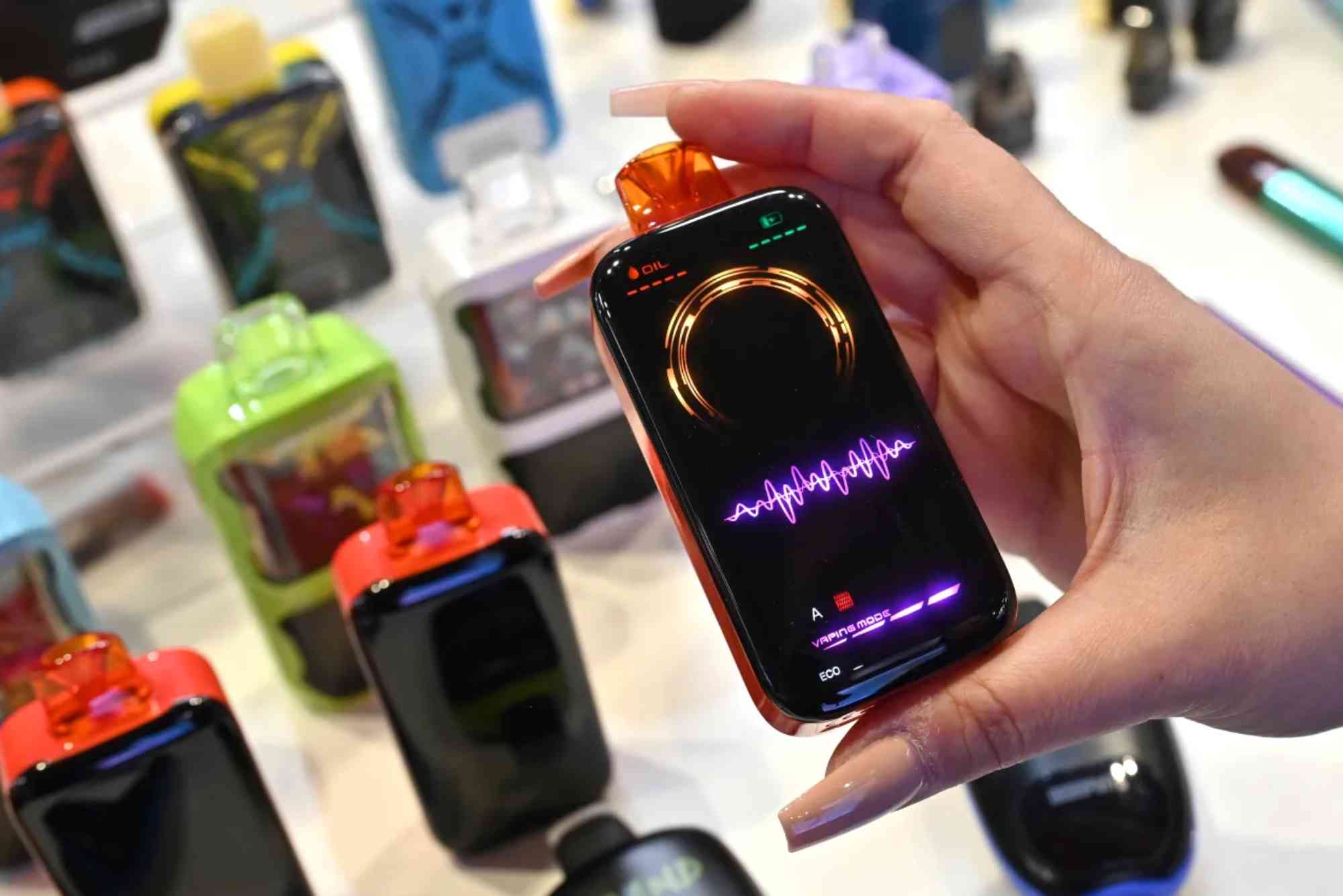
Smart technology has also attracted attention. Digital monitoring, connected features, and improved manufacturing processes demonstrate how consumer electronics influence product development.
However, technological sophistication does not automatically make a nicotine product safer. Consumers should understand that nicotine is addictive and vaping carries potential health risks.
Regulatory authorities also examine product quality and marketing practices. Consequently, innovation must operate within appropriate safety requirements.
Vape Culture, Fashion, and Lifestyle Trends
Fashion and lifestyle industries frequently reflect cultural conversations through photography, clothing, music, and visual design. Vape-related imagery has occasionally appeared in streetwear-inspired campaigns and alternative creative spaces.
Nevertheless, the relationship between vaping and fashion remains complex. Some creative projects explore urban aesthetics without promoting nicotine consumption.
Minimalist design, digital artwork, and contemporary street photography also influence how lifestyle trends are represented.
These creative developments show that cultural expression does not need to encourage potentially harmful habits.
The Role of Music and Entertainment
Music and entertainment have historically influenced youth culture and lifestyle conversations. From underground music scenes to digital entertainment, visual presentation helps shape cultural identities.
Vaping has appeared in some entertainment-related imagery and online discussions. However, its representation varies considerably across countries, audiences, and creative communities.
Responsible entertainment coverage should avoid presenting nicotine consumption as a symbol of confidence, popularity, or success.
Instead, cultural reporting can examine artistic expression, changing social attitudes, and the influence of commercial marketing.
Sustainability and Environmental Awareness
Environmental responsibility is becoming an increasingly important subject within consumer industries. Disposable vaping products have attracted criticism because of electronic waste, batteries, plastics, and improperly discarded components.
In 2026, sustainability discussions increasingly emphasize responsible manufacturing and waste management.
The industry faces questions about recycling systems, material selection, and product disposal. Consumers also need clear information about appropriate disposal methods.
Environmental awareness is particularly important because discarded batteries and electronic components can create pollution and safety concerns.
Vape Regulations and Changing Public Attitudes
Regulations strongly influence the future of vape culture. Different countries have introduced restrictions concerning product sales, advertising, packaging, flavours, and public consumption.
These policies reflect concerns about nicotine addiction, youth access, and long-term health effects.
Public attitudes are also changing. Some discussions focus on adult smoking cessation, while others emphasize prevention and the risks of nicotine dependence.
Vaping is not risk-free, and non-smokers should not start using nicotine products. Young people and pregnant individuals should avoid vaping.
Understanding local legislation is equally important because products permitted in one country may be restricted elsewhere.
The Vibe of Vape Culture in 2026: Key Developments
The following table summarizes important developments influencing current cultural conversations.
| Cultural Area | Development in 2026 | Wider Influence |
|---|---|---|
| Social Media | More regulatory and lifestyle discussions | Digital awareness |
| Technology | Attention to product standards and safety | Consumer transparency |
| Fashion | Alternative visual and streetwear aesthetics | Creative expression |
| Entertainment | Changing media representation | Cultural conversations |
| Sustainability | Increased attention to electronic waste | Environmental responsibility |
| Regulation | Stronger discussions about compliance | Public awareness |
| Communities | More conversations about health and policy | Informed perspectives |
These developments demonstrate that vape culture involves several connected industries. Its future will depend on responsible communication, consumer awareness, and regulatory changes.
The Future of Vape Culture Beyond 2026
The future of vape culture will depend on several important factors. Government policies, scientific research, consumer expectations, and environmental concerns will continue influencing the industry.
Digital communication will probably remain an important part of cultural discussions. However, responsible platforms must distinguish educational content from promotional material.
Product transparency may also become increasingly important. Consumers and regulators want accurate information about ingredients, manufacturing standards, and potential risks.
Furthermore, sustainability will remain a significant challenge. Better waste management and responsible product design could influence future industry practices.
Ultimately, the cultural conversation may move toward greater awareness and accountability rather than lifestyle promotion.
Conclusion
The vibe of vape culture in 2026 represents a changing combination of technology, digital communication, fashion, entertainment, and public discussion. Its influence extends beyond product design into wider conversations about identity, sustainability, and regulation.
However, cultural visibility should never be mistaken for health benefits or social necessity. Nicotine addiction and potential health consequences remain important considerations.
As the industry evolves, accurate information and responsible communication will become increasingly valuable.
Explore more culture and community trend coverage to understand how modern lifestyle movements influence society. Stay informed, question promotional claims, and prioritize responsible choices.
Frequently Asked Questions
What Are the Latest Trends in Vape Culture in 2026?
Current discussions include digital communities, product regulations, technological developments, environmental responsibility, and changing media representation. These developments reflect broader conversations about consumer awareness and public health.
How Has Social Media Influenced Vape Culture?
Social media has influenced how people discover and discuss vaping-related topics. Online platforms distribute product information, industry news, and lifestyle content. However, promotional material can also create misleading impressions about health risks.
Is Vape Culture Becoming More Popular in 2026?
Its visibility varies between countries and communities. Online discussions and industry developments keep the subject relevant. However, social media attention does not necessarily indicate increasing consumer participation.
What Role Does Technology Play in Modern Vape Culture?
Technology influences manufacturing, product design, battery systems, and quality control. Digital features also attract industry attention. Nevertheless, technological improvements do not eliminate nicotine addiction or potential health risks.
Is Vaping Environmentally Friendly?
Vaping products can create electronic waste, plastic pollution, and battery disposal problems. Disposable devices are particularly concerning. Proper recycling and responsible disposal are important environmental considerations.
What Is the Future of Vape Culture?
Future developments will depend on regulation, scientific research, environmental responsibility, and changing consumer attitudes. Greater transparency and responsible communication will remain important parts of the conversation.
Related Reading: Vape Cafés Redefining Hangout Culture