Introduction
Vape advertising has become one of the most closely regulated areas of the tobacco and nicotine industry. Brands cannot approach promotional campaigns like ordinary consumer product marketing. Federal requirements, state laws, advertising restrictions, and digital platform policies all influence how vape products can be promoted. Understanding vape advertising rules is essential for businesses that want to protect their reputation, avoid regulatory problems, and build sustainable marketing strategies.
In the United States, the Food and Drug Administration (FDA) plays a major role in regulating electronic nicotine delivery systems (ENDS), including e-cigarettes and vape products. However, compliance responsibilities do not stop with FDA requirements. Businesses must also consider Federal Trade Commission (FTC) advertising standards, state-level restrictions, age-verification expectations, and rules governing online promotions.
For vape manufacturers, distributors, retailers, and marketing agencies, staying informed is a business necessity. A campaign that appears harmless can create legal concerns if it includes unsupported health claims, inappropriate audience targeting, or misleading product information. This guide explains the most important vape advertising rules every brand should understand before launching a promotional campaign.
Why Vape Advertising Rules Matter for Every Brand
Advertising regulations exist to protect consumers and prevent misleading promotional practices. Vape products contain nicotine in many cases, making responsible marketing particularly important. Regulators pay close attention to advertisements that could appeal to young audiences or present inaccurate information about product risks.
Following vape advertising rules helps businesses reduce regulatory exposure and establish credibility with adult consumers. It also encourages companies to develop marketing strategies based on accurate product information rather than exaggerated promises.
A compliance-focused approach can also protect relationships with advertising platforms, distributors, retailers, and business partners. Companies that ignore applicable restrictions may face enforcement actions, advertising removals, financial penalties, or reputational damage.

Understanding the legal environment before spending money on advertising is therefore a practical investment in long-term business stability.
Understanding FDA Vape Advertising Regulations
The FDA regulates tobacco products, including many e-cigarettes and vaping products, under the Family Smoking Prevention and Tobacco Control Act and related legislation. Its regulatory responsibilities cover product authorization, manufacturing requirements, labeling, and certain promotional practices.
FDA Authorization and Marketing Restrictions
One important requirement concerns FDA marketing authorization. New tobacco products generally cannot be legally marketed in the United States without the appropriate FDA marketing order, unless an applicable exception exists.
Brands should never assume that a product is legally marketable simply because it is available through wholesalers or online retailers. The legal marketing status of each product should be verified before promotional activities begin.
FDA marketing authorization does not mean a product is FDA-approved as safe or effective. Companies must avoid promotional language that creates this impression.
Health Claims Must Be Accurate and Substantiated
Health-related advertising requires particular attention. Brands should not describe vape products as harmless, risk-free, or medically beneficial without appropriate legal and scientific support.
Claims suggesting that vaping prevents disease, treats nicotine addiction, or helps people quit smoking can create additional regulatory concerns. Modified-risk tobacco product claims are subject to specific FDA requirements.
Businesses should ensure that every promotional statement reflects reliable evidence and complies with applicable regulations.
Understand the FDA’s Product Requirements
Advertising compliance should be connected to product compliance. Companies need to understand product authorization, ingredient disclosures, packaging, labeling, and applicable reporting obligations.
The FDA provides a detailed FDA e-cigarette regulation overview explaining its approach to electronic nicotine delivery systems.
Reviewing official guidance helps businesses understand which requirements apply to their products and marketing activities.
Key Vape Advertising Rules for Digital Marketing
Digital marketing creates opportunities to reach adult consumers, but it also introduces additional compliance challenges. Businesses must understand that an advertising campaign can violate applicable rules even when the product itself is legally marketed.
Social Media Advertising Restrictions
Social media platforms have their own policies regarding tobacco and nicotine-related content. These policies may be stricter than federal regulations.
For example, major platforms restrict or prohibit paid advertisements promoting e-cigarettes and vaping products. Google Ads also prohibits advertisements for electronic cigarettes and products designed to simulate tobacco smoking.
Brands should review the advertising policies of each platform before publishing promotional content. They should not assume that an advertisement allowed on one platform will automatically be permitted elsewhere.
Organic content also requires careful review. Promotional posts, influencer partnerships, product demonstrations, and sponsored content can create compliance concerns depending on the platform and applicable laws.
Avoid Marketing That Appeals to Young Audiences
Preventing youth exposure is a central concern in vape advertising regulations. Brands should avoid creative strategies that could attract children or teenagers.
Cartoon characters, school-related themes, youth-oriented slang, and imagery associated with children’s entertainment can create significant regulatory risks.
Companies should also avoid using young-looking models or influencers whose audiences include substantial numbers of underage followers. Marketing materials should be designed for legally eligible adult audiences.
Age restrictions should influence the entire campaign, including audience selection, creative design, landing pages, and promotional partnerships.
Follow Responsible Influencer Marketing Practices
Influencer marketing can create additional legal responsibilities for vape brands. Paying creators to discuss products does not remove the company’s responsibility for its advertising practices.
Brands should evaluate influencer audiences, content style, promotional claims, and disclosure practices before entering partnerships.
Sponsored relationships must be disclosed clearly when required by applicable advertising laws. Influencers should never make unsupported statements about health benefits, safety, or nicotine addiction.
A written agreement should explain approved messaging, prohibited claims, audience expectations, and the company’s review process.
Vape Advertising Rules for Product Labels and Health Warnings
Advertising compliance extends beyond social media and promotional campaigns. Product packaging, retail displays, websites, and other consumer-facing materials may also be subject to specific requirements.
Display Required Nicotine Warnings
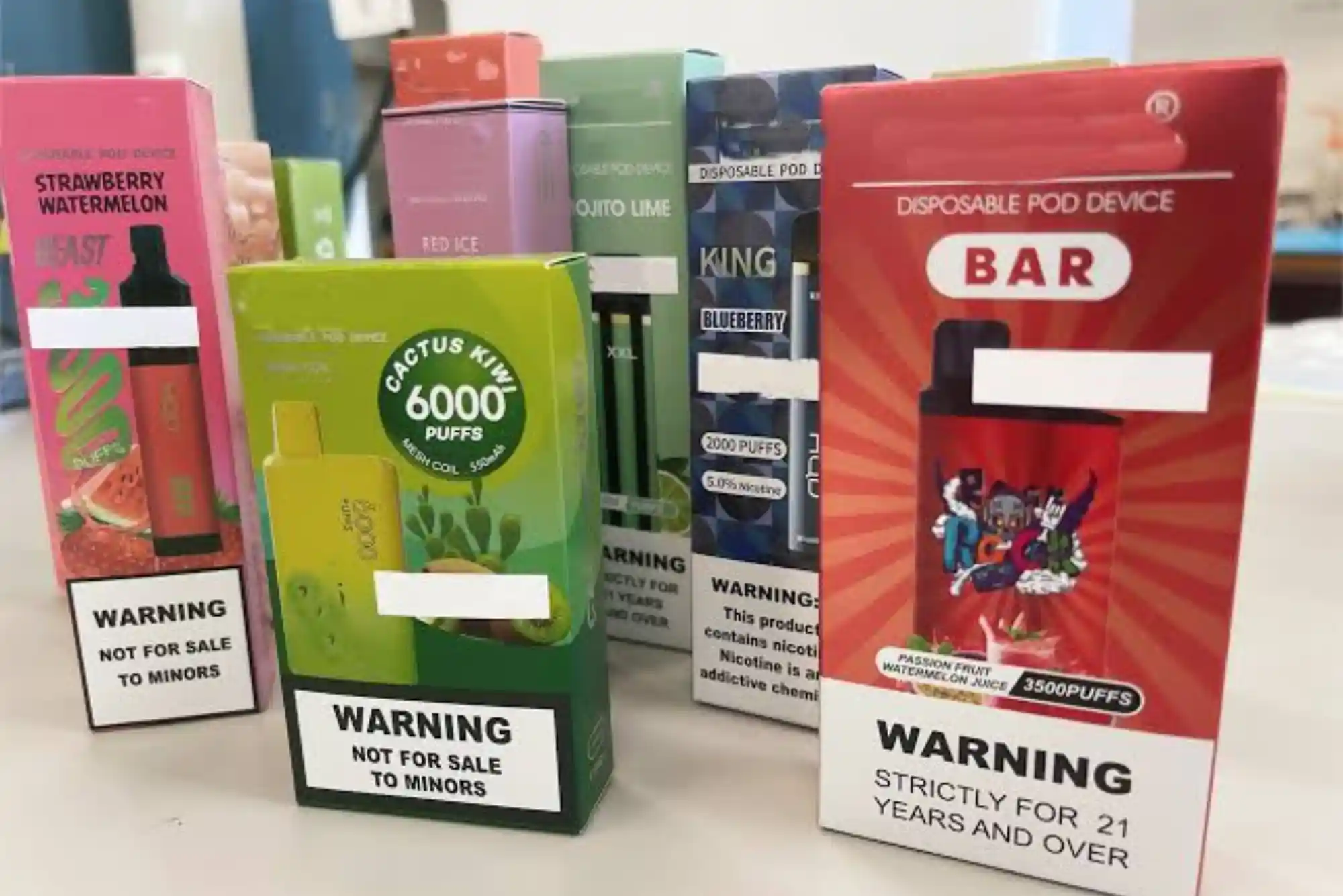
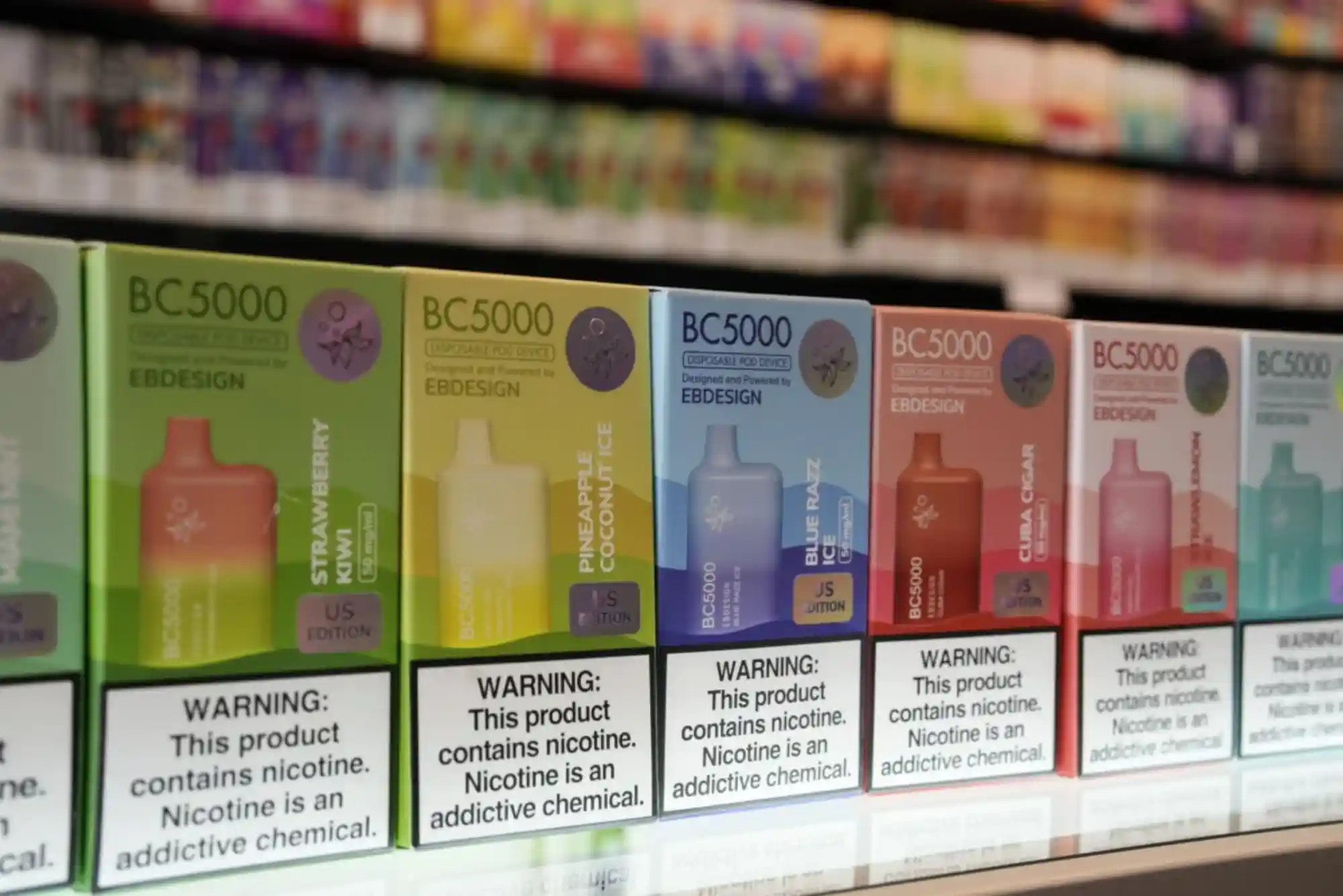
In the United States, covered tobacco products, including applicable ENDS products, must carry the required nicotine addictiveness warning.
The prescribed statement is:
“WARNING: This product contains nicotine. Nicotine is an addictive chemical.”
For applicable advertisements with visual components, the warning must also meet FDA requirements. Under 21 CFR 1143.3, the warning generally needs to occupy at least 20 percent of the advertisement and satisfy specific placement, formatting, and visibility requirements.
Businesses should not assume that adding a small disclaimer somewhere on a webpage automatically satisfies these obligations.
Maintain Consistent Product Information
Marketing materials should accurately describe the products being advertised. Product names, nicotine content, ingredients, flavor descriptions, and other relevant information should be consistent with verified product documentation.
Misleading descriptions can damage consumer trust and create regulatory problems.
For example, a company should not describe a nicotine-containing product as nicotine-free without reliable evidence. Similarly, claims about product performance or reduced exposure should not be published without appropriate substantiation and legal review.
Understand Free Sample Restrictions
Free samples are another important compliance issue. Federal law generally prohibits distributing free samples of tobacco products, including e-cigarettes, e-liquids, and their components, subject to limited statutory exceptions.
Brands should therefore review promotional giveaways, trial campaigns, event distributions, and sampling arrangements before implementation.
A promotion that appears to be a simple customer acquisition strategy may create a violation if it involves prohibited free product distribution.
State and Local Laws Can Add More Advertising Restrictions
Federal compliance is only one part of the regulatory picture. State and local governments may introduce additional requirements affecting vape businesses.
Some jurisdictions restrict certain promotional practices, impose licensing obligations, regulate retail displays, or establish additional rules for tobacco and nicotine products.
Review State-Specific Marketing Requirements
A vape brand operating across multiple states should not assume that one national advertising strategy satisfies every local requirement.
Companies should identify the states where their products are sold and review relevant tobacco-control legislation. Particular attention should be given to age restrictions, retailer obligations, product availability, and promotional activities.
Monitor Changes in Local Regulations
State regulations can change as lawmakers respond to public health concerns and developments in the vaping industry.
Brands should monitor legislative updates and regulatory announcements rather than relying on outdated compliance documents.
Working with experienced legal professionals can help businesses identify requirements that apply to their specific operations.
Why Product Testing and Documentation Matter for Advertising Compliance
Responsible advertising depends on accurate product information. Companies cannot make reliable statements about ingredients, product characteristics, or performance without maintaining appropriate documentation.
Testing and quality assurance therefore play an important role in a broader compliance strategy.
Vape manufacturers should understand how testing expectations are developing across the industry. Businesses can explore How Vape Testing Requirements Are Evolving to learn more about changing testing practices and their importance for product accountability.
Maintain Reliable Testing Records
Manufacturers should maintain appropriate records covering product specifications, ingredient information, manufacturing processes, and relevant laboratory testing.
Documentation can help marketing teams verify product descriptions before publication. It can also support internal investigations if a consumer, distributor, or regulator questions an advertising statement.
Avoid Unsupported Safety and Quality Claims
Testing does not automatically establish that a vape product is safe. Similarly, passing a particular laboratory test does not mean a product is FDA-authorized.
Brands should avoid turning limited testing results into broad health or safety promises.
Marketing teams should work with technical and compliance professionals to understand exactly what available evidence supports.
How Vape Brands Can Build a Compliance-Focused Advertising Strategy
Following vape advertising rules requires more than checking an advertisement immediately before publication. Businesses need a structured process that considers compliance throughout campaign planning and execution.
Create an Internal Advertising Review Process
Every advertisement should undergo review before it reaches consumers. Marketing teams should verify product authorization, factual accuracy, warning requirements, audience suitability, and platform restrictions.
Legal or regulatory professionals should review higher-risk claims and promotional strategies.
A consistent approval process helps prevent avoidable mistakes and creates accountability across departments.
Keep Marketing and Compliance Teams Connected
Marketing employees may understand audience engagement and campaign performance, while regulatory specialists understand applicable legal requirements.
Both teams should collaborate before developing major campaigns.
This approach reduces the likelihood of creating expensive promotional materials that cannot legally be published.
Keep Records of Published Campaigns
Businesses should retain copies of advertisements, website content, influencer agreements, product claims, and approval records.
These documents provide useful evidence of the company’s internal compliance practices. They also make it easier to identify and correct problematic content.
Review Advertising Policies Regularly
Digital advertising policies and tobacco regulations can change. Companies should periodically review their campaigns, audience settings, promotional agreements, and website content.
A campaign that complied with the relevant requirements when first published may need adjustments following regulatory or platform policy changes.
Common Mistakes Vape Brands Should Avoid
Even established businesses can make mistakes when developing promotional campaigns. Understanding common compliance failures can help companies prevent unnecessary legal and financial problems.
One frequent mistake is assuming that all vape products can be advertised simply because they are available in the marketplace. Product availability does not establish FDA marketing authorization.
Another mistake is using unsupported health claims. Statements suggesting that vaping is harmless or medically beneficial can create serious regulatory concerns.
Some businesses also overlook warning statement requirements on websites, digital advertisements, and retail displays. Others rely on influencer partnerships without properly reviewing sponsored content or audience demographics.
Ignoring platform policies is another common problem. A company may comply with certain federal requirements but still have its advertising rejected by a digital platform.
The best approach is to treat compliance as an ongoing business responsibility rather than a final marketing checklist.
The Future of Vape Advertising Regulations
Vape advertising regulations will likely continue evolving as governments, public health organizations, and regulatory agencies respond to developments in the nicotine industry.
Businesses should expect continued attention to youth protection, product transparency, digital marketing practices, and advertising claims.
Technology may also influence how regulators monitor online promotions. Social media content, influencer campaigns, and digital storefronts create new compliance challenges that require careful oversight.
For manufacturers and retailers, staying informed is essential. Following industry developments, maintaining accurate product documentation, and reviewing official regulatory guidance can help companies adapt to changing expectations.
Brands can also follow industry updates and educational resources from vaporcrafts to stay informed about developments affecting the vaping industry.
Conclusion: Make Vape Advertising Compliance a Priority
Understanding vape advertising rules is essential for every business operating in the vaping industry. FDA requirements, advertising standards, state regulations, age restrictions, and digital platform policies all influence how companies can promote their products.
Responsible marketing begins with verifying product authorization, using accurate information, displaying applicable health warnings, and avoiding promotional strategies that appeal to underage audiences. Businesses should also maintain proper documentation and regularly review their advertising practices.
FAQs
Are vape advertisements legal in the United States?
Vape advertising is subject to federal, state, and platform-specific restrictions. The FDA regulates the advertising and promotion of ENDS products. Businesses must also ensure that the products they market have the required FDA authorization and that their advertisements comply with applicable warning and promotional requirements.
Can you advertise vape products on social media?
It depends on the platform’s policies and applicable laws. Major platforms generally prohibit paid advertising promoting e-cigarettes and vaping products. Organic promotional content may also be restricted. Businesses should review each platform’s current tobacco and nicotine advertising policies before publishing content.
Does the FDA regulate vape advertisements?
Yes. The FDA regulates the manufacture, import, packaging, labeling, advertising, promotion, sale, and distribution of ENDS products. Certain advertisements must also display prescribed nicotine warning statements.
What warning must appear on vape products?
The required nicotine warning for covered ENDS products is: “WARNING: This product contains nicotine. Nicotine is an addictive chemical.” Applicable packaging and advertisements must follow specific federal formatting and placement requirements.
Can vape companies use influencers to promote their products?
Influencer marketing must comply with applicable advertising laws, disclosure requirements, and platform policies. Brands should also consider audience age restrictions and avoid misleading product claims. A paid partnership does not exempt a company from its regulatory responsibilities.
Can vape brands offer free samples to customers?
Federal law generally prohibits distributing free samples of tobacco products, including e-cigarettes and e-liquids, subject to limited statutory exceptions. Vape businesses should review applicable federal and local requirements before organizing sampling campaigns.
Why are vape advertising regulations important?
These regulations help prevent misleading advertising, protect young audiences, and establish standards for responsible product promotion. Compliance also helps businesses reduce legal risks, protect their reputation, and maintain stronger relationships with consumers and business partners.
Related Reading: FDA Vape Rules: What Every User Should Know
Related Reading: Puff JNR 16K Review: Everything You Should Know Before Buying