Introduction
Vaping has become a major topic of discussion among policymakers, environmental organizations, manufacturers, and public health authorities. While much of the debate surrounding vaping focuses on health and age restrictions, another important issue deserves attention: its environmental impact. Disposable devices, lithium-ion batteries, plastic components, and chemical-containing waste create challenges that cannot be ignored.
Vape regulations and their environmental impact are closely connected because the rules governing manufacturing, distribution, packaging, and disposal can influence how much waste the industry produces. As governments introduce stricter requirements, businesses must consider not only product safety but also their environmental responsibilities.
In the United States, regulatory oversight primarily focuses on public health, product authorization, manufacturing standards, and restrictions on sales. However, these requirements also influence how companies design, manufacture, transport, and manage electronic vaping products. Understanding this relationship helps explain why environmental responsibility is becoming an increasingly important part of the regulatory conversation.
This article examines how vape regulations affect the environment, the challenges associated with disposable products, the importance of responsible waste management, and the changes that could make the industry more sustainable.
Understanding Vape Regulations and Their Environmental Impact
Vape regulations establish the legal requirements that manufacturers, distributors, retailers, and other industry participants must follow. These rules vary between countries and sometimes between individual states.
In the United States, the Food and Drug Administration (FDA) regulates electronic nicotine delivery systems under federal tobacco product legislation. Its responsibilities include reviewing product applications, overseeing manufacturing requirements, and enforcing applicable marketing and sales restrictions.

For a detailed explanation of federal requirements, businesses and interested readers can explore the FDA e-cigarette regulation overview.
Although these regulations primarily address public health, they can indirectly influence environmental outcomes.
Why Environmental Considerations Matter
Electronic vaping products contain several materials that require careful handling after use. These include lithium-ion batteries, electronic circuit boards, plastic housings, metal components, and residual e-liquid.
When these products enter ordinary household waste streams, they can create multiple environmental problems. Batteries may present fire risks in waste collection facilities, while improperly discarded electronic components can contribute to pollution.
The relationship between vape regulations and their environmental impact becomes particularly important when considering the entire product lifecycle. Manufacturing, packaging, transportation, consumer use, and disposal all contribute to the industry’s environmental footprint.
The Difference Between Product Regulation and Environmental Regulation
It is important to understand that FDA product authorization does not automatically mean a vaping product is environmentally sustainable.
Federal tobacco product requirements and environmental waste regulations serve different purposes. The FDA focuses on tobacco product oversight, while environmental responsibilities may involve federal, state, and local authorities.
For example, battery disposal, hazardous waste management, recycling, and transportation requirements may fall under different regulatory frameworks.
This distinction matters because businesses must understand which rules apply to each stage of their operations.
How Disposable Vapes Contribute to Environmental Pollution
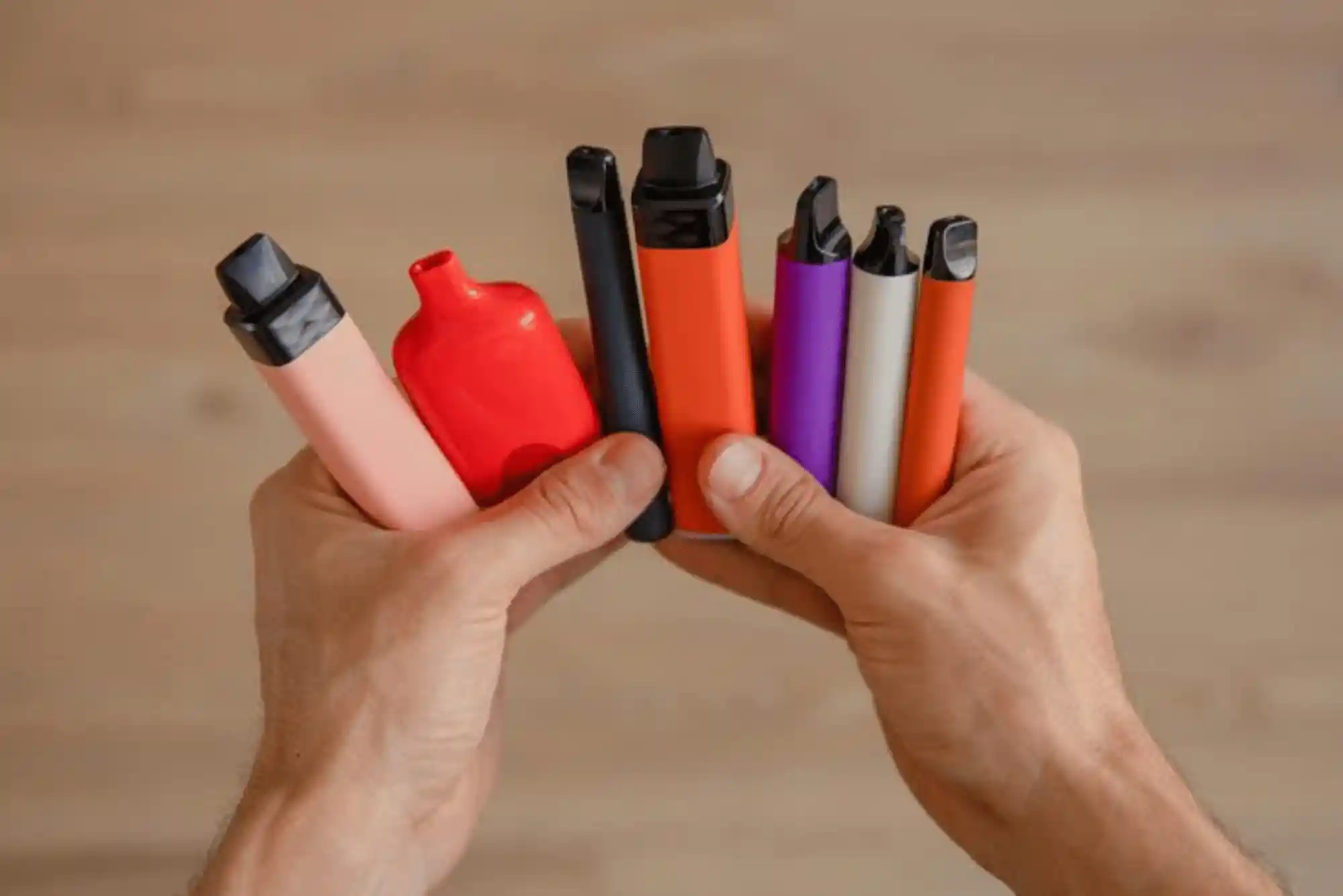
Disposable vaping products have created a particularly difficult waste management challenge. Unlike reusable electronic devices, disposable products are designed to be discarded after their contents are depleted.
Although individual devices may appear small, their combined environmental footprint can become significant.
Electronic Waste and Battery Pollution
Most electronic vaping devices contain lithium-ion batteries. These batteries require natural resources such as lithium, cobalt, nickel, and other materials during production.
When disposable devices are thrown into regular garbage bins, their batteries can become damaged during transportation or waste processing. Damaged lithium-ion batteries may overheat and cause fires at waste collection centers, recycling facilities, and landfills.
The U.S. Environmental Protection Agency (EPA) specifically warns against placing electronic cigarettes in ordinary household trash or recycling bins. It recommends using appropriate household hazardous waste collection facilities instead.
This makes battery management an important consideration in discussions about vape regulations and their environmental impact. Regulations and collection programs that encourage proper battery handling can help reduce unnecessary environmental risks.
Plastic Waste and Packaging Problems
Plastic is another major component of many disposable vaping products. Manufacturers use plastic for device housings, cartridges, mouthpieces, and packaging.
Unlike some electronic components, these plastic materials may have limited recycling opportunities when combined with batteries and chemical residues.
The problem becomes more complicated when consumers discard entire devices instead of separating recyclable materials through approved facilities.
Reducing unnecessary packaging, improving material selection, and designing products with easier end-of-life management could help address this problem.
Chemical Leakage and Soil Contamination
Used vaping products may contain residual nicotine liquid even after consumers consider them empty.
If damaged devices release this liquid into the surrounding environment, chemicals can enter soil and potentially reach nearby water systems.
Nicotine is particularly concerning because it is toxic to aquatic organisms. Improper disposal can therefore create environmental risks beyond the immediate waste collection area.
The EPA identifies nicotine-containing e-cigarette waste as hazardous and explains why it requires careful handling.
The Role of Environmental Laws in Vape Industry Compliance
Environmental protection requires more than general product safety standards. Businesses involved in vaping products must understand the waste management requirements that apply to their operations.
In the United States, the Resource Conservation and Recovery Act (RCRA) provides the federal framework for managing hazardous waste. Depending on the product and waste involved, its requirements can apply to manufacturers, retailers, schools, collection facilities, and other businesses.
Hazardous Waste Management Requirements
Nicotine-containing e-cigarettes and e-liquids can fall under hazardous waste requirements because nicotine is classified as an acute hazardous waste under the applicable federal framework.
Lithium-ion batteries may also present hazardous waste characteristics, including ignitability and reactivity.
Businesses generating these materials must determine their applicable waste generator category and follow the relevant requirements for storage, handling, transportation, and disposal.
Importantly, household waste exemptions do not automatically apply to waste generated through commercial operations. A retailer or manufacturer should assess its responsibilities separately.
State and Local Environmental Regulations
Federal regulations provide an important foundation, but individual states and municipalities may introduce additional waste management requirements.
Some jurisdictions have established collection programs for household hazardous waste, while others provide specific guidance for schools, retailers, and small businesses.
These differences make regulatory awareness essential for companies operating across multiple states.
A business that follows federal product requirements but ignores applicable state waste management rules may still face compliance problems.
How FDA Oversight Influences Product Development
FDA regulations also influence the way vaping products enter the American market.
Manufacturers generally need the appropriate FDA marketing authorization before introducing new tobacco products for commercial sale. The premarket tobacco product application process considers whether a product is appropriate for the protection of public health.
While this process is not an environmental certification, product development and manufacturing decisions can have environmental consequences.
For example, manufacturers may need to consider material selection, manufacturing processes, packaging, and the long-term management of product components.
The distinction is important: FDA authorization should never be presented as proof that a product is recyclable, environmentally friendly, or compliant with every environmental law.
Disposable vs. Reusable Vapes: Which Creates More Waste?
Product design has a direct relationship with the amount of waste generated by the vaping industry.
Disposable devices generally combine the battery, electronic components, liquid reservoir, and outer casing into one product. Once the device reaches the end of its useful life, the entire unit requires appropriate disposal.
Reusable devices operate differently because certain components can remain in use for longer periods.
The Environmental Challenges of Disposable Devices
Disposable devices create repeated demand for new batteries, electronic components, plastics, and packaging.
This means additional resources must be extracted, processed, manufactured, and transported.
The Environmental Law Institute published research examining the waste problems associated with disposable e-cigarettes. Its analysis highlighted the growth in disposable device sales in the United States between 2020 and 2023.
The research also explained that these devices contain materials that can create hazardous waste and environmental cleanup concerns.
Potential Benefits of Reusable Product Designs
Reusable products may reduce the frequency with which entire electronic devices need replacement.
When properly maintained, a reusable device can remain in service while only certain consumable components require replacement.
This approach may reduce material consumption and electronic waste. However, reusable products are not automatically environmentally harmless.
Their batteries, replacement cartridges, e-liquid containers, and other components still require appropriate disposal. Their overall environmental performance also depends on manufacturing methods, product lifespan, transportation, and consumer behavior.
Why Product Design Should Become a Regulatory Priority
Environmental regulations and industry standards could encourage manufacturers to consider end-of-life management during product development.
Design improvements might include removable batteries, fewer mixed materials, clearer recycling information, and more durable electronic components.
Such changes could make waste collection easier and reduce the amount of material that ends up in ordinary garbage streams.
However, environmental design requirements should be evaluated alongside public health and product safety considerations rather than treated as a replacement for them.
How Vape Manufacturers and Distributors Can Reduce Environmental Damage
Manufacturers and distributors have an important role in reducing the environmental impact of vaping products.
Their responsibilities extend beyond getting products into retail stores. They also need to understand packaging waste, transportation practices, product handling, and end-of-life management.
Improving Manufacturing Processes
Manufacturers can evaluate their production processes to identify unnecessary material consumption and opportunities to reduce waste.
Using more efficient manufacturing equipment, reducing excess packaging, and improving material tracking can support better resource management.
Companies should also evaluate suppliers and understand where their raw materials originate.
Responsible sourcing can help businesses identify environmental risks associated with battery production, plastics, and electronic components.
Developing Responsible Collection Programs
Collection programs can help prevent used vaping products from entering ordinary waste streams.
Retailers may explore partnerships with authorized household hazardous waste facilities or qualified waste management providers.
However, collection programs must be designed carefully. Businesses need to understand applicable requirements for storage, packaging, transportation, and handling.
The EPA’s 2026 guidance for retailers explains how businesses can assess collection programs and manage household e-cigarette waste safely.
Reducing Transportation and Packaging Waste
Distribution networks also contribute to environmental impact.
Products travel between manufacturers, warehouses, distributors, and retail locations. Each stage can generate packaging waste and transportation emissions.
Companies can examine shipping routes, warehouse efficiency, packaging dimensions, and inventory planning to identify practical improvements.
These measures may reduce unnecessary resource consumption while supporting more efficient distribution operations.
For additional industry context, businesses can read The Future of Vape Distribution in the United States, which explores how distribution practices and changing industry requirements may influence the American vaping market.
Consumer Responsibility and Proper Vape Disposal
Environmental protection is not solely the responsibility of manufacturers and government agencies. Consumers also influence how much vaping-related waste enters the environment.
Many disposal problems occur because people do not understand that electronic vaping devices contain batteries and potentially hazardous chemical residues.
Why Vapes Should Not Go Into Regular Trash
Throwing used vaping products into ordinary garbage bins can create fire and chemical exposure risks.
Batteries may become damaged when compressed, while leaked nicotine liquid can expose waste management workers and potentially harm the environment.
The EPA recommends taking unwanted e-cigarettes to appropriate household hazardous waste collection facilities.
Consumers should also avoid pouring leftover e-liquid into sinks, drains, or outdoor areas.
Understanding Safe Collection Practices
People should contact their local waste management authority to identify suitable collection locations.
They should not attempt to dismantle disposable devices or remove batteries that are not designed to be removed. Doing so can damage the battery or expose them to nicotine residue.
Retailers interested in accepting returned devices should establish proper procedures and consult local environmental authorities before starting collection activities.
The Importance of Environmental Awareness
Public education can make a meaningful difference.
Clear disposal instructions on packaging, retailer information, and community awareness campaigns can help consumers understand the environmental consequences of improper disposal.
Businesses such as vaporcrafts can also contribute to industry discussions by highlighting regulatory developments and responsible business practices.
Future Trends in Vape Regulations and Environmental Protection
The relationship between vape regulations and environmental protection is likely to receive greater attention as governments address electronic waste and battery safety.
Future regulatory developments may focus on improving product accountability, encouraging responsible disposal, and reducing unnecessary waste.
Stronger Environmental Compliance Expectations
Environmental authorities may continue developing clearer guidance for businesses that collect, store, and dispose of used vaping products.
Manufacturers and distributors should monitor regulatory changes rather than waiting until enforcement becomes an issue.
Maintaining accurate waste records, training employees, and working with qualified disposal providers can help businesses manage their responsibilities.
Greater Attention to Product Lifecycle Management
Product lifecycle management considers environmental effects from raw material extraction through manufacturing, transportation, consumer use, and final disposal.
This approach could encourage businesses to evaluate environmental performance throughout their supply chains.
It may also encourage better cooperation between manufacturers, distributors, recycling facilities, and environmental organizations.
Balancing Public Health and Environmental Protection
Vape regulations must address multiple priorities. Protecting public health, preventing youth access, ensuring product compliance, and reducing environmental damage are different but interconnected responsibilities.
Effective policies should recognize these differences and avoid assuming that progress in one area automatically solves problems in another.
A more comprehensive regulatory approach could help create clearer responsibilities for every participant in the industry.
Building a More Environmentally Responsible Vape Industry
Vape regulations and their environmental impact represent an important issue for manufacturers, distributors, retailers, consumers, and policymakers.
Disposable devices, lithium-ion batteries, plastic packaging, and nicotine residues create waste management challenges that require practical solutions. Existing environmental laws provide important protections, but responsible implementation and public awareness remain essential.
Businesses can contribute by improving manufacturing practices, understanding hazardous waste requirements, supporting appropriate collection programs, and reducing unnecessary packaging.
Consumers also have a responsibility to dispose of used devices through suitable collection facilities instead of ordinary household garbage.
FAQs
How do vapes affect the environment?
Vapes can affect the environment through electronic waste, plastic pollution, battery disposal problems, and chemical leakage. Disposable devices are particularly challenging because they combine several materials that require different waste management methods.
Are disposable vapes bad for the environment?
Yes, disposable vapes create environmental concerns because they contain lithium-ion batteries, plastics, electronic components, and residual e-liquid. Throwing them away improperly can contribute to pollution and increase fire risks at waste facilities.
How should you dispose of electronic cigarettes?
The EPA recommends taking unwanted electronic cigarettes to an appropriate household hazardous waste collection facility. They should not be placed in ordinary household trash or recycling bins.
Are vape batteries considered hazardous waste?
Lithium-ion batteries found in vaping devices can exhibit hazardous waste characteristics, including ignitability and reactivity. Their disposal must follow applicable federal, state, and local requirements.
What does the FDA regulate about vaping products?
The FDA regulates the manufacture, importation, packaging, labeling, advertising, promotion, sale, and distribution of electronic nicotine delivery systems. New tobacco products generally require applicable FDA marketing authorization before they can legally be marketed in the United States.
Can vaping products be recycled?
Some vaping components may be recyclable through specialized waste management facilities. However, recycling complete devices can be difficult because batteries, nicotine residues, plastics, and electronic components require different handling procedures.
What can vape manufacturers do to reduce environmental pollution?
Manufacturers can improve product durability, reduce unnecessary packaging, evaluate material choices, support responsible collection programs, and work with qualified waste management providers.
Why are vape regulations important for environmental protection?
Vape regulations establish responsibilities for businesses and help address product handling, waste management, and consumer safety. Environmental laws also provide frameworks for managing hazardous components and reducing pollution risks.
Related Reading: How Federal Vape Laws Compare to EU Regulations
Related Reading: The Impact of U.S. Vape Regulations on Innovation