
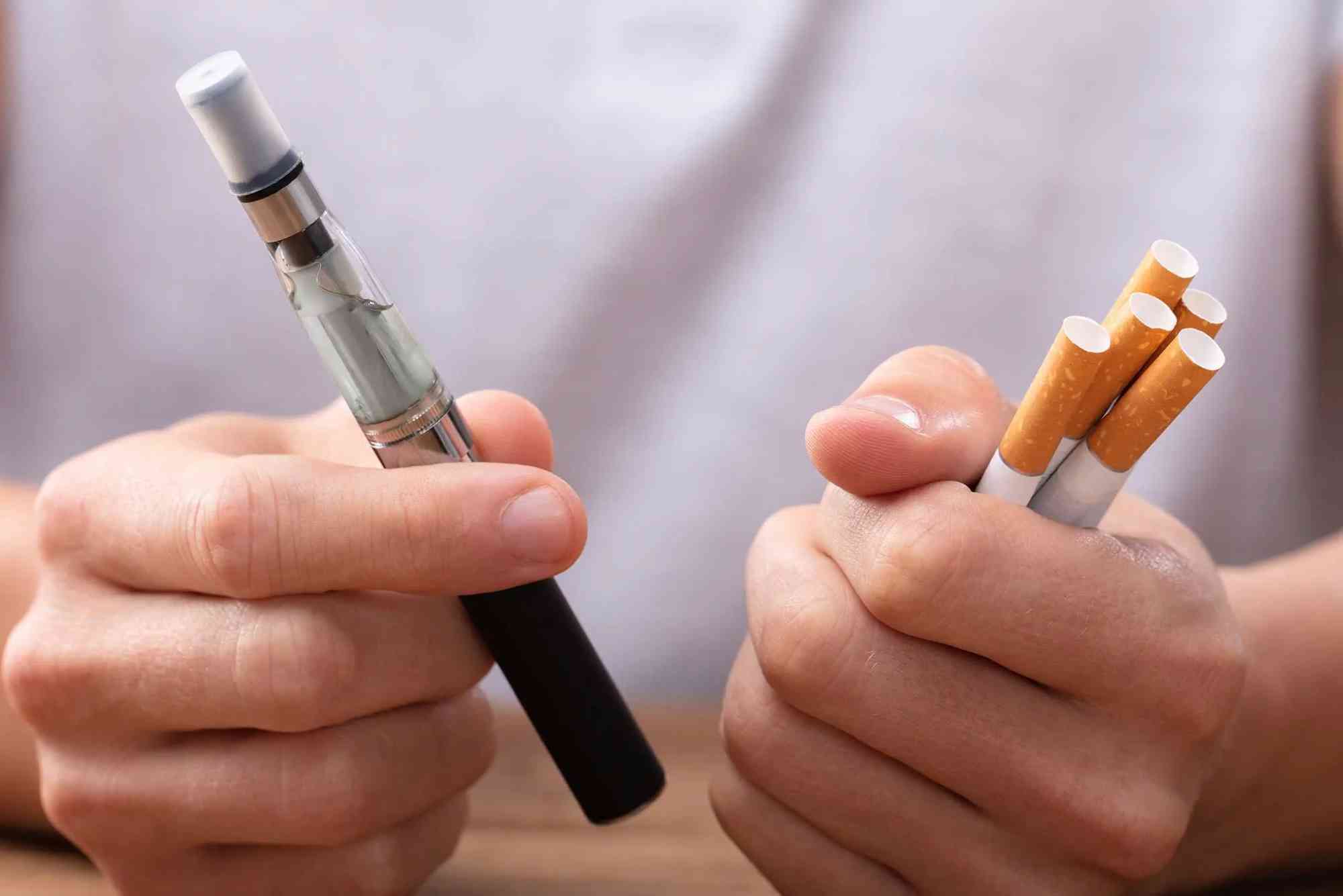
Health Insights Every Vaper Should Read
Vaping and tobacco use are tightly regulated worldwide. Laws are shifting quickly, and understanding them is crucial for health and compliance. The vape and tobacco law landscape influences not only consumer behavior but also public health policies. As vaping grows in popularity, lawmakers and health experts continue to shape rules aimed at balancing harm reduction and risk management.
In this guide, we’ll break down essential legal updates, health implications, and expert insights that every vaper should know in 2025.
Why Vape and Tobacco Law Matters
Vape and tobacco law directly affects consumer choices, business operations, and health outcomes. While tobacco laws have been in place for decades, vaping regulations are still evolving. These laws are designed to:
- Protect public health.
- Limit youth access to nicotine.
- Regulate product safety and labeling.
- Control advertising and marketing practices.
For vapers, knowing these laws means avoiding penalties and making informed decisions about their health.
Key Differences Between Tobacco and Vape Laws
Tobacco Laws
Traditional tobacco laws are long-established. They include strict age restrictions, heavy taxation, and advertising bans. Many countries also enforce smoke-free zones to reduce secondhand smoke exposure.
Vape Laws
Vape laws vary widely. Some nations treat vapes like tobacco, while others see them as harm-reduction tools. Rules often focus on nicotine concentration limits, product labeling, and flavor restrictions. In some places, online sales are tightly regulated to prevent underage access.

Health Insights Every Vaper Should Know
Vaping vs. Smoking: Which is Safer?
Research shows vaping exposes users to fewer harmful chemicals than smoking. However, it is not risk-free. Nicotine addiction, lung irritation, and heart strain remain concerns. Health experts emphasize that while vaping may be less harmful than smoking, quitting both is the healthiest choice.
Youth and Vaping Risks
Laws targeting youth are strict for a reason. Studies link vaping at a young age to long-term nicotine dependence and impaired brain development. Flavor bans and age-verification systems aim to curb this trend.
Secondhand Exposure
Much like tobacco smoke, secondhand vapor can expose bystanders to nicotine and other substances. Vape and tobacco law increasingly extends smoke-free policies to vaping devices.
Global Trends in Vape and Tobacco Law
United States
The FDA regulates both tobacco and vape products. Key measures include premarket authorization, flavor restrictions, and raising the minimum age for purchase to 21.
European Union
The EU limits nicotine strength in e-liquids to 20 mg/ml and requires health warnings on packaging. Advertising is heavily restricted.
Asia and Middle East
Some countries, like India, have banned vaping altogether. Others, such as the UAE, allow regulated sales with strict compliance requirements.
Australia and New Zealand
Australia requires a prescription for nicotine vapes, while New Zealand supports vaping as a smoking cessation tool with tight regulations.
How Vape and Tobacco Law Impacts Health Policy
Laws shape public health outcomes by influencing behavior. Taxation, packaging, and advertising rules deter smoking, while vaping regulations aim to prevent new nicotine addictions. Countries with strict laws often see reduced youth usage rates and better long-term health results.
Compliance Tips for Vapers in 2025
Check Local Regulations
Before purchasing or using vape products, confirm your region’s laws. Rules vary not only by country but sometimes by state or province.
Buy from Trusted Sources
Counterfeit or unregulated products pose health risks. Stick to licensed retailers and avoid unverified online sellers.
Follow Age Restrictions
Even adults should support strict age verification. Preventing youth access helps protect the next generation from nicotine addiction.
Be Mindful in Public Spaces
Respecting smoke-free zones applies to vapers too. Many regions now include vaping in their public health restrictions.
Frequently Asked Questions
Is vaping legal everywhere?
No. While many countries regulate vaping, some—like India and Thailand—ban it completely. Always check local laws before traveling.
Are vapes taxed like tobacco?
In many regions, yes. Governments impose taxes on e-liquids and devices to deter use and fund healthcare programs.
Can I bring my vape when traveling abroad?
Rules vary. Some airports and airlines prohibit carrying e-liquids, and certain countries confiscate devices at customs.
Do vape and tobacco laws change often?
Yes. With new research and shifting public attitudes, laws evolve quickly. Staying informed ensures compliance and safety.
Is vaping safer than smoking according to law?
Most laws do not claim vaping is safe—only that it may pose fewer risks than tobacco. Regulations stress harm reduction, not endorsement.
The Future of Vape and Tobacco Law
As research continues, laws will adapt. Expect more focus on youth prevention, product safety, and clearer labeling. Some regions may tighten restrictions, while others explore vaping as a harm-reduction strategy.
Stay Informed, Stay Healthy
Vape and tobacco law affects every vaper’s daily life. From purchase restrictions to health warnings, these regulations are designed to protect both users and the public. While vaping can be less harmful than smoking, the healthiest path remains quitting altogether.
If you vape, stay updated on your local laws, choose safe products, and prioritize your health. Understanding vape and tobacco law empowers you to make informed decisions in 2025 and beyond.
Want to stay ahead of the latest updates on vape and tobacco law? Subscribe to trusted health and policy resources and make informed choices for your well-being.


