Vape as a Lifestyle Statement: Exploring Modern Culture and Identity
Introduction
Lifestyle choices often reflect personal identity, interests, and cultural influences. Fashion, music, technology, and social habits shape how people express themselves. In recent years, vaping has also appeared in conversations about modern lifestyle culture. The concept of Vape as a Lifestyle Statement explores how vaping has become associated with personal expression, social identity, and contemporary trends.
For some adults, vaping represents an alternative to traditional smoking. Others associate it with particular fashion styles, social environments, and digital communities. However, these cultural associations do not make vaping harmless. Nicotine can cause dependence, and vaping products carry health risks.
Understanding Vape as a Lifestyle Statement requires looking beyond devices and flavors. It involves examining changing social attitudes, consumer behavior, fashion influences, and public health discussions.
Understanding Vape as a Lifestyle Statement
Vaping has developed a recognizable cultural presence in certain social environments. Its appearance in online discussions, entertainment, and fashion has influenced how people perceive the practice.
The idea of Vape as a Lifestyle Statement describes the connection between vaping and personal identity. It examines how consumer products can become associated with individual preferences and social groups.
However, lifestyle associations are not universal. Many people do not consider vaping part of their identity. Others view it primarily through health, regulation, or smoking-cessation discussions.

This difference makes the subject particularly interesting. It demonstrates how one consumer product can carry different meanings across communities.
How Vape Culture Influences Personal Expression
Personal expression involves communicating individuality through appearance, interests, and everyday decisions. Clothing, accessories, hairstyles, and technology often contribute to this process.
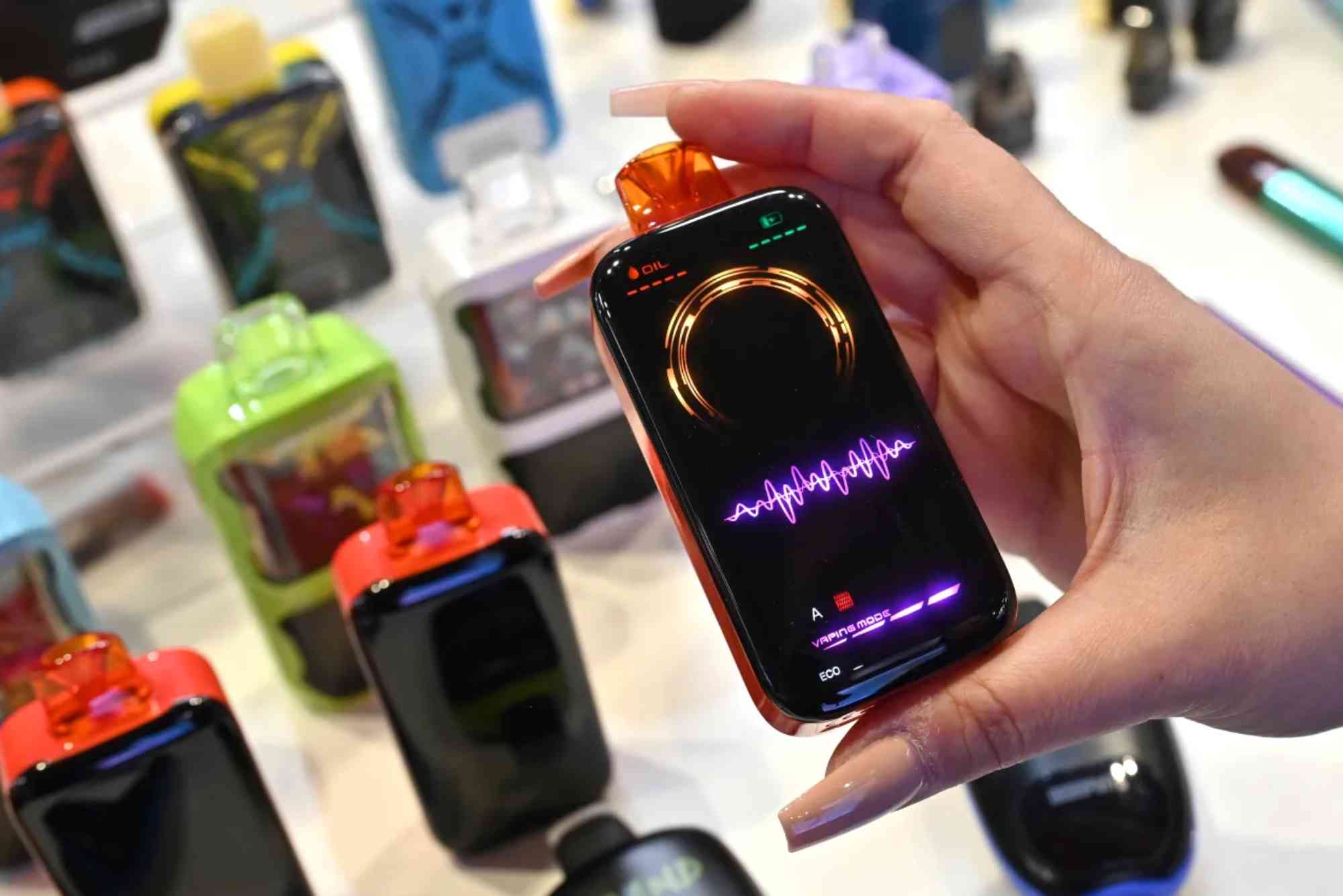
Vape culture has sometimes entered these conversations through product design and online aesthetics. Certain devices feature distinctive shapes, colors, and finishes. These design choices reflect broader consumer preferences for customization.
Nevertheless, appearance should not be confused with health benefits. An attractive product remains subject to the same potential health concerns as other vaping devices.
The Role of Individual Identity
Identity develops through personal experiences and social influences. People frequently use consumer choices to communicate their interests.
In some communities, vaping has become associated with particular visual styles. However, these associations vary considerably between individuals and locations.
Vape as a Lifestyle Statement therefore represents a cultural observation rather than a universal description of people who vape.
Vape as a Lifestyle Statement in Fashion and Design
Fashion regularly incorporates influences from technology, entertainment, and contemporary consumer culture. Accessories can become recognizable elements of particular visual styles.
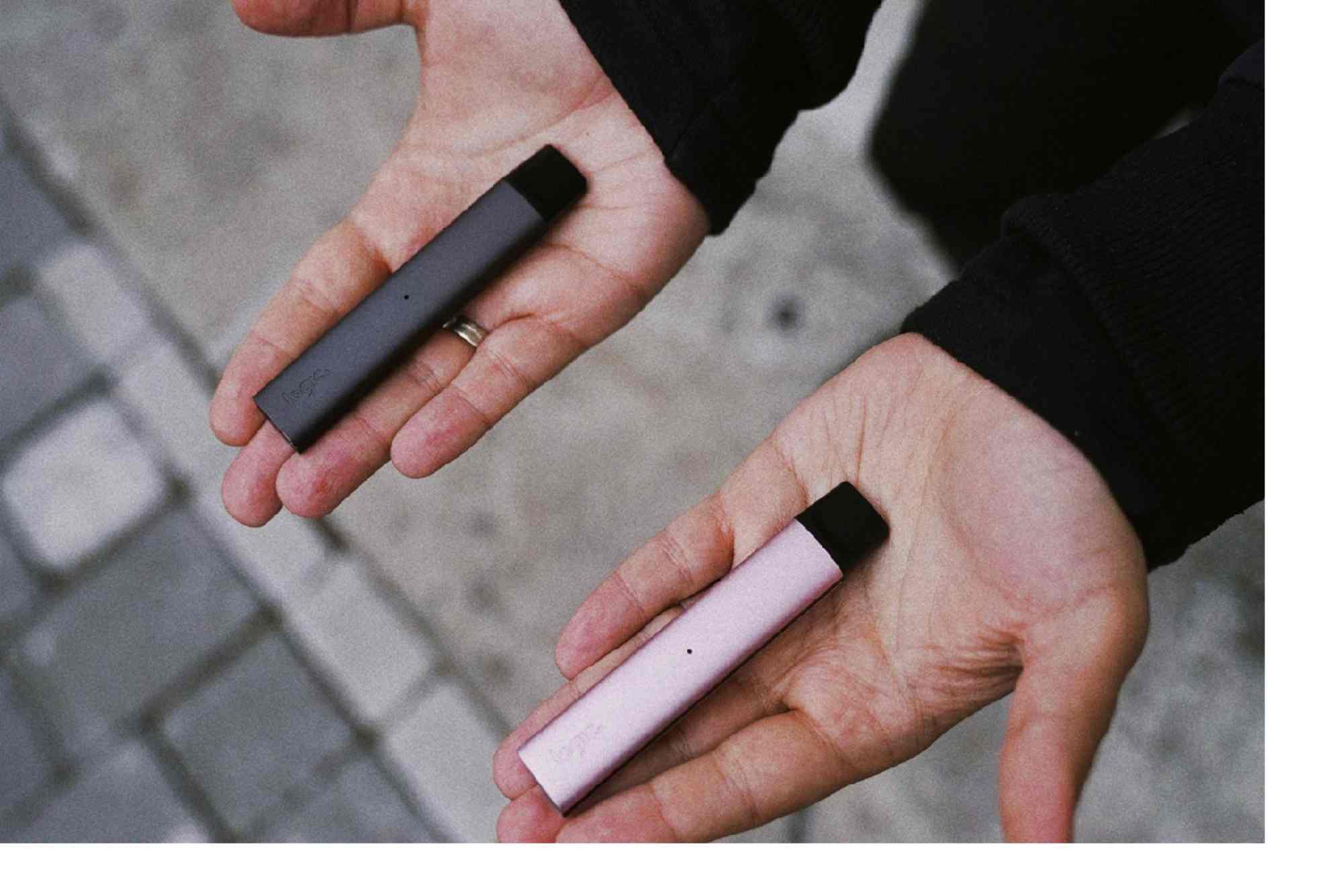
Vape devices have occasionally appeared in street photography, fashion discussions, and lifestyle imagery. Their compact designs and distinctive finishes can attract attention.
However, responsible fashion communication should avoid presenting nicotine products as fashionable necessities. This is particularly important when content reaches younger audiences.
Minimalism and Modern Product Design
Minimalist design emphasizes simplicity, functionality, and clean visual details. These principles influence many modern consumer products.
Some vaping devices follow similar design approaches. Their appearance reflects broader preferences for compact technology and understated styling.
Yet product appearance does not determine safety. Consumers should consider ingredients, manufacturing standards, and applicable regulations rather than appearance alone.
The Influence of Social Media on Vape Culture
Social media has transformed how cultural trends develop and spread. Instagram, TikTok, YouTube, and online forums allow communities to exchange opinions and discuss emerging interests.
Vaping has also appeared in digital conversations. Some discussions focus on product regulations, technology, personal experiences, and public health.
This online visibility contributes to the broader understanding of Vape as a Lifestyle Statement.
However, social media content can create misleading impressions. Promotional material may highlight attractive designs while overlooking nicotine dependence and potential health consequences.
Digital Communities and Cultural Conversations
Online communities bring together people with different experiences and perspectives. Some discuss regulations, while others share concerns about health and consumer protection.
Responsible content should encourage informed discussion rather than promote nicotine consumption.
For more insights, culture and community trend coverage can explore how consumer habits influence modern social conversations.
Vape Technology and Changing Consumer Expectations
Technology has transformed many everyday products. Modern consumers increasingly expect convenience, attractive design, and transparent product information.
Vaping devices have evolved in response to these expectations. Manufacturers have introduced different designs, battery systems, heating mechanisms, and electronic features.
These developments contribute to discussions surrounding Vape as a Lifestyle Statement.
Nevertheless, technological improvements do not eliminate health risks. Electronic safety, product quality, nicotine exposure, and ingredient transparency remain important considerations.
Innovation and Responsible Product Information
Product innovation should be evaluated through reliable information. Consumers need clear ingredient details, accurate warnings, and compliance with applicable regulations.
Manufacturers also have responsibilities regarding product safety and marketing practices.
Importantly, technological sophistication does not establish that a product is medically safe.
Social Perceptions and the Changing Image of Vaping
Public attitudes toward vaping differ across generations, communities, and countries. Some adults view vaping through the lens of smoking alternatives. Others associate it with nicotine dependence and public health concerns.
These contrasting perspectives influence how vaping appears in everyday conversations.
Vape as a Lifestyle Statement also raises questions about social acceptance. What seems normal in one community may be discouraged in another.
Public awareness campaigns increasingly emphasize informed decisions. They also highlight the importance of protecting young people from nicotine exposure.
Cultural Differences Around the World
Vaping regulations differ significantly between countries. Some governments permit regulated sales, while others impose strict restrictions or prohibitions.
Cultural expectations also influence public attitudes. Local traditions, smoking rates, and health policies contribute to these differences.
Therefore, understanding vaping culture requires considering both social context and national regulations.
Health Awareness and Responsible Lifestyle Discussions
Lifestyle discussions should include accurate health information. Vaping is not risk-free, even when products appear modern or technologically advanced.
Most vaping products contain nicotine, which is addictive. Aerosols can also contain potentially harmful substances.
Public health authorities generally advise people who do not smoke against starting vaping. Young people and pregnant individuals should avoid nicotine products.
Adults who smoke should seek evidence-based cessation support. They should discuss suitable options with qualified healthcare professionals.
Separating Lifestyle Trends From Health Facts
A product’s popularity does not establish its safety. Similarly, fashionable presentation should never replace scientific evidence.
Responsible conversations about Vape as a Lifestyle Statement should acknowledge both cultural perceptions and potential health consequences.
This balanced approach supports informed decisions without exaggerating benefits or minimizing risks.
Vape as a Lifestyle Statement and Modern Consumer Culture
Modern consumer culture often connects products with identity and belonging. Smartphones, clothing brands, entertainment platforms, and accessories can all become cultural symbols.
Vaping provides another example of this relationship. Its visibility in selected online communities demonstrates how consumer products can acquire meanings beyond their original functions.
However, these meanings are shaped by advertising, social influence, regulation, and individual experiences.
The concept of Vape as a Lifestyle Statement therefore deserves careful examination. Cultural popularity should not be confused with social acceptance everywhere.
The Future of Vape Culture and Lifestyle Trends
The future of vaping culture will depend on regulation, technology, public health research, and changing consumer attitudes.
Governments are increasingly examining product standards, advertising restrictions, and youth access. These policies will influence how vaping products appear in public spaces and digital media.
At the same time, conversations about nicotine dependence and smoking prevention will remain important.
Future lifestyle coverage should prioritize responsible reporting. It should examine cultural developments without encouraging nicotine use or targeting young audiences.
Conclusion
Vape as a Lifestyle Statement reflects the relationship between consumer products, personal identity, fashion, and modern social culture. Its presence in digital communities and contemporary design discussions demonstrates how lifestyle trends develop.
However, cultural visibility does not make vaping safe or necessary. Nicotine dependence and potential health risks deserve serious attention.
Understanding this subject requires a balanced perspective. Fashion, technology, and social identity should be discussed alongside responsible health information.
Call to Action: Stay informed about changing lifestyle trends, explore responsible cultural discussions, and prioritize reliable health information before making decisions about nicotine products.
Frequently Asked Questions (FAQs)
What does Vape as a Lifestyle Statement mean?
Vape as a Lifestyle Statement describes how vaping can become associated with personal identity, fashion, consumer preferences, and social culture. It reflects cultural perceptions rather than a universal lifestyle choice.
Why has vaping become part of modern culture?
Vaping has gained cultural visibility through product design, social media, technology, and discussions about smoking alternatives. However, its acceptance varies across communities and countries.
Is vaping considered a lifestyle choice?
Some adults view vaping as a personal consumer choice. Others consider it primarily a nicotine-related behavior or public health concern. Its meaning depends on individual circumstances and social context.
How does social media influence vape culture?
Social media spreads information and opinions about vaping. It can influence public perceptions through discussions about technology, regulations, and consumer experiences. However, misleading promotional content can also create unrealistic impressions.
Is vaping safer than traditional smoking?
Vaping is not harmless. Although completely switching from smoking to regulated vaping products may reduce exposure to certain harmful chemicals, vaping still carries health risks. People who do not smoke should not start vaping.
What is the future of vape lifestyle trends?
Future trends will depend on government regulations, technological developments, public health research, and changing consumer attitudes. Responsible communication and youth protection will remain important considerations.