Don’t Fall for It: Vape law nc and the Truth About Vaping
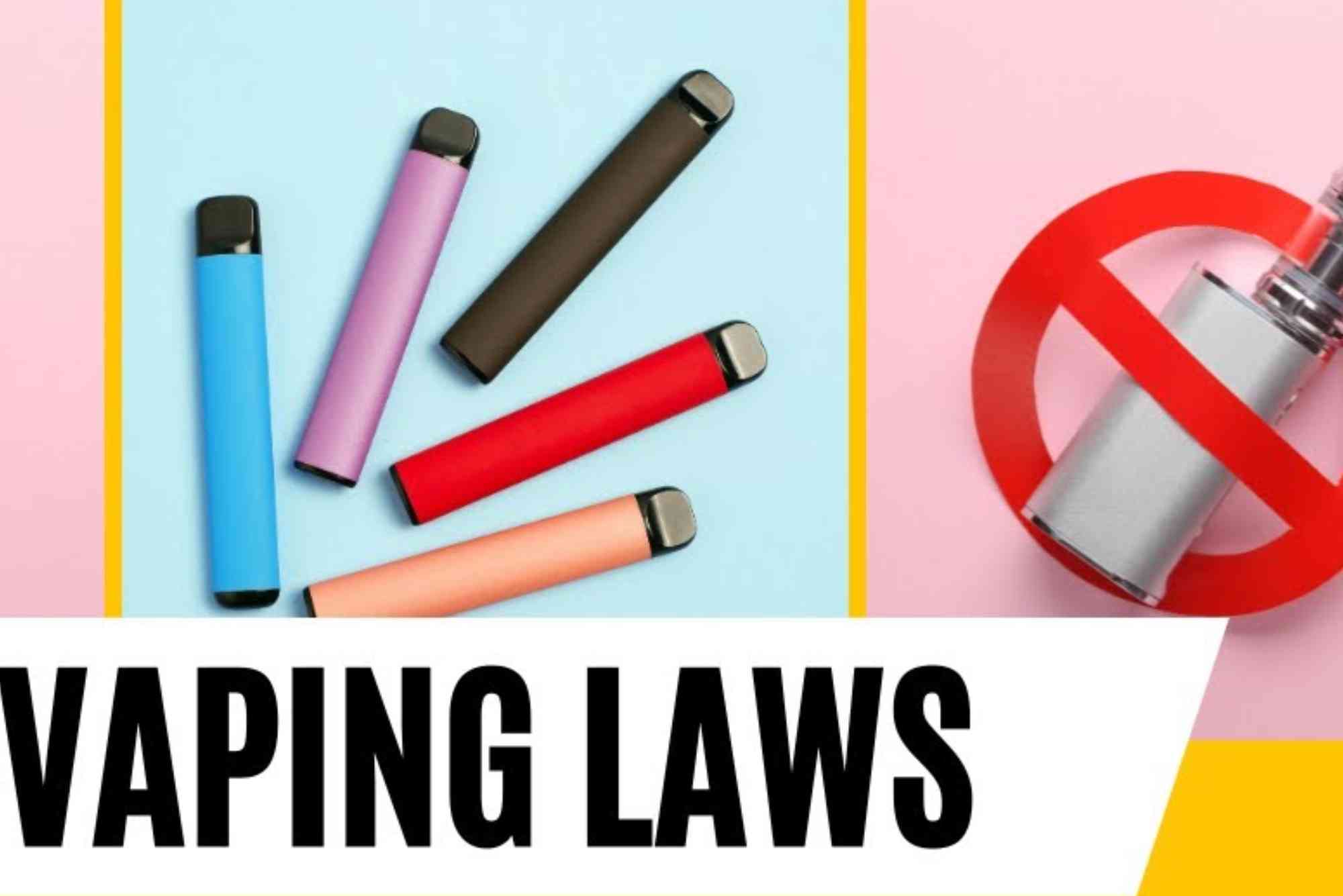
Vaping has become a popular alternative to traditional smoking, especially among young adults in North Carolina. Yet, despite its growing prevalence, many myths and misunderstandings about vaping continue to circulate. One question that often arises is: “Is vaping legal in North Carolina?” or more specifically, “What does the vape law in NC really say?” In this article, we’ll break down the facts, separate myths from reality, and provide clarity on vaping regulations in the state.
Understanding the Vape Law in North Carolina
North Carolina has established laws and regulations that govern the sale, possession, and use of vaping products. These laws aim to protect public health while addressing concerns about youth access to vaping devices. However, confusion persists due to constant updates in legislation and the variety of vaping products available in the market.
North Carolina’s Approach to Vaping
The North Carolina General Assembly — vape statutes clarify several key points: vaping is legal for adults over the age of 21, but there are restrictions on where and how these products can be sold. Retailers must comply with strict licensing requirements, and products containing nicotine cannot be sold to minors.
While the laws seem clear, misinformation often leads people to believe that vaping is completely banned in certain areas. This misunderstanding may arise from local ordinances, media reports, or misinterpreted legal language. It’s crucial for both consumers and business owners to understand the precise legal framework.
Key Components of the Law
North Carolina’s vaping regulations cover three main areas:
- Age Restrictions: The sale of vape products to individuals under 21 is strictly prohibited. Retailers can face hefty fines or license revocation for non-compliance.
- Product Regulations: Vaping devices and e-liquids must meet specific labeling and packaging requirements. Health warnings and ingredient transparency are mandatory.
- Public Use Restrictions: Vaping is prohibited in places where smoking is banned, including schools, healthcare facilities, and government buildings.
These rules aim to reduce youth exposure and encourage responsible adult use.
Debunking Common Vaping Myths
Misconceptions about vaping often create fear or confusion. Understanding the truth is essential for making informed decisions.
Vaping is Completely Illegal in North Carolina
One of the most common myths is that vaping is entirely banned. In reality, adults over 21 can legally purchase and use vaping products, provided they comply with state regulations. Restrictions exist mainly to prevent youth access and maintain public safety.
Vaping is Harmless
While vaping is generally considered less harmful than smoking traditional cigarettes, it is not without risks. Nicotine is addictive and can have negative effects on brain development, particularly in young adults. Furthermore, some vaping liquids contain harmful chemicals that may affect lung health.
Vaping Can Be Used Anywhere Smoking is Allowed
This is false. Vaping is subject to the same public use restrictions as traditional smoking. Attempting to vape in restricted areas can lead to fines or other penalties.
Health Implications of Vaping
Understanding the health implications of vaping is critical. Research continues to evolve, and while vaping may reduce certain risks compared to smoking, it is not risk-free.
Nicotine Addiction
Nicotine remains the primary addictive substance in most vaping products. Even small amounts can lead to dependence, making it challenging for users to quit.
Respiratory Health
Some studies suggest that vaping can cause irritation in the lungs, leading to coughing, shortness of breath, and other respiratory issues. Long-term effects are still under study, but experts advise caution.
Mental Health Considerations
Nicotine can affect mood, concentration, and anxiety levels. Users should be aware of potential mental health impacts and monitor any changes while using vaping products.
Navigating Vaping Regulations for Businesses
Retailers and entrepreneurs need to be especially vigilant about compliance with North Carolina’s vaping laws. Failure to follow regulations can result in legal penalties and business closure.
Licensing Requirements
All businesses selling vaping products must obtain a valid retail license. This ensures that products are sold responsibly and that age verification systems are in place.
Advertising Restrictions
North Carolina law limits how vape products can be marketed, particularly to minors. Businesses must avoid promotions that appeal to children, including flavored e-liquids with candy-like branding.
Record Keeping and Inspections
Retailers are often required to maintain records of sales and product sources. State authorities can conduct inspections to ensure compliance, making accurate documentation essential.
Understanding Federal Oversight
Beyond state laws, federal regulations also apply. The Food and Drug Administration (FDA) regulates manufacturing, labeling, and sale of vaping products nationwide. Businesses must comply with both federal and state standards to operate legally.
Why Public Awareness Matters
Many adults are unaware of the nuances of vaping laws, leading to unintentional violations. Educating consumers about legal requirements and health risks is critical for creating a safe and informed environment. Public awareness campaigns help reduce youth access and encourage responsible use among adults.
Practical Tips for Safe Vaping
If you are legally allowed to vape in North Carolina, following these safety tips can help reduce risks:
- Only purchase vaping products from licensed retailers.
- Verify the nicotine content and ingredients of any e-liquid.
- Avoid vaping in restricted areas to comply with public use laws.
- Monitor your health and consult a healthcare professional if you experience adverse effects.
- Keep vaping devices out of reach of children and pets.
The Future of Vaping in North Carolina
Vaping laws continue to evolve, and new regulations may emerge as research sheds light on health impacts. Policymakers balance public health priorities with individual rights, and staying informed is essential for both consumers and businesses.
Possible Legislative Changes
Legislation may tighten restrictions on flavored e-liquids, marketing practices, and public use locations. Understanding the North Carolina General Assembly — vape statutes and following updates can prevent surprises.
Technological Advancements
Vaping technology is advancing rapidly, with safer devices and e-liquids being developed. Awareness of these innovations can help users make informed choices.
The truth about vaping in North Carolina is straightforward: it is legal for adults over 21, but regulated to protect public health. Misunderstandings and myths can create confusion, but knowledge empowers users and businesses to make responsible decisions. Staying informed about laws, health implications, and safe practices is key.
If you vape, make sure to follow the rules, prioritize safety, and stay updated on legislation. Don’t fall for misinformation — seek facts, consult reliable sources, and make educated choices.
Stay informed about vaping laws in North Carolina. Check official updates from the state legislature, review safe vaping practices, and make responsible decisions today. Knowledge is your best defense.
Curious about vaping laws in Cyprus? Many wonder, Is Vaping Illegal in Cyprus and the Truth About Vaping. While regulations exist, vaping isn’t entirely banned, but certain restrictions apply on sales, age, and usage in public places. Knowing the rules helps you vape responsibly and avoid fines. Stay informed and enjoy vaping safely while respecting local laws.
FAQ
Is vaping legal in North Carolina?
Yes, vaping is legal for adults over 21. Restrictions apply for sale, public use, and product labeling.
Can minors buy vaping products in NC?
No. It is illegal to sell vape products to anyone under the age of 21. Retailers face fines and license revocation for violations.
Where can I vape legally in North Carolina?
Vaping is allowed in private spaces and designated areas. It is prohibited in schools, healthcare facilities, and other locations where smoking is banned.
Are flavored e-liquids restricted?
Certain flavored products may be restricted to reduce youth appeal. Always verify current laws before purchasing or selling.
What should I do if I experience health issues from vaping?
Stop using the product and consult a healthcare professional immediately. Awareness of potential health risks is essential for all users.
Where can I read the official vaping laws?
The North Carolina General Assembly — vape statutes provide the most reliable legal guidance on vaping regulations.
Discover the latest in vaping products, guides, and industry news at VaporCrafts. Our platform is your go-to source for e-cigarettes, vape juices, and expert tips to enhance your vaping experience. Stay informed, explore top-quality products, and enjoy safe vaping with trusted recommendations. Visit our homepage for more