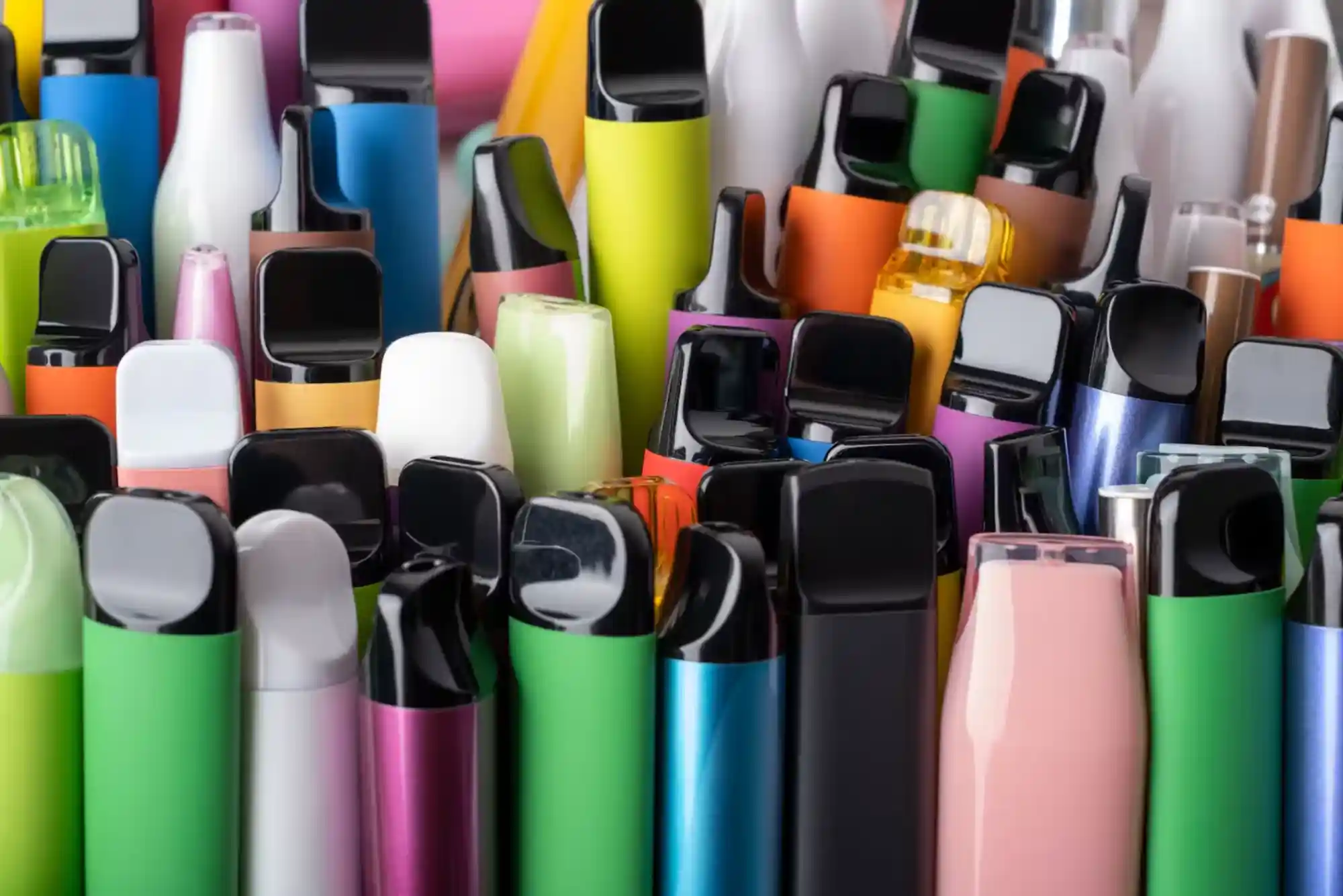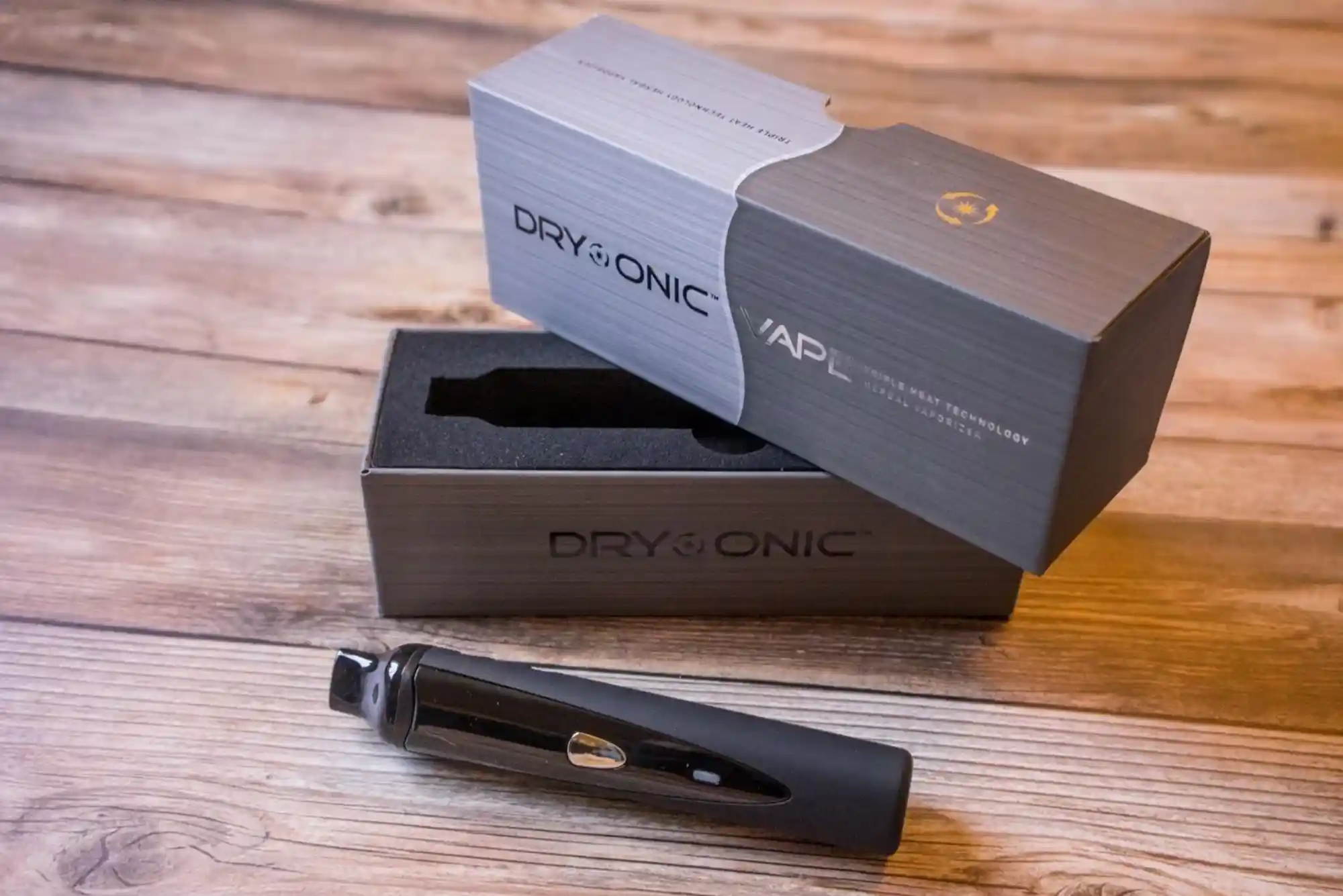
Introduction
The U.S. vaping industry operates under strict federal requirements designed to protect consumers, prevent youth access, and ensure accurate product information. As regulations evolve, manufacturers, importers, distributors, and retailers must pay close attention to packaging, labeling, health warnings, and marketing claims. Understanding the new packaging standards for U.S. vape products is therefore essential for businesses that want to reduce compliance risks and maintain customer trust.
Vape packaging is more than an attractive box or a protective container. It communicates essential information about nicotine content, ingredients, manufacturer details, and potential health risks. Incorrect warnings, misleading claims, or missing information can create regulatory problems and damage a brand’s reputation.
Although many businesses refer to these requirements as new packaging standards, the United States does not have one universal, recently introduced packaging rule covering every vape product. Instead, requirements depend on federal tobacco regulations, product characteristics, applicable state laws, and other relevant rules. Businesses should distinguish established legal obligations from proposed changes and individual state requirements before updating their packaging.
What Are the New Packaging Standards for U.S. Vape Products?
The new packaging standards for U.S. vape products are best understood as a combination of existing federal labeling rules, product-specific obligations, and state-level packaging requirements. The U.S. Food and Drug Administration (FDA) regulates tobacco products, including many e-cigarettes, vape devices, and e-liquids, under the Federal Food, Drug, and Cosmetic Act.
One of the most important requirements is the nicotine addiction warning for covered tobacco products. The exact rules depend on the product’s classification, ingredients, and intended use. Businesses should also check whether their products have the necessary FDA marketing authorization before manufacturing, importing, or selling them.
Packaging compliance is not simply about printing a warning on a box. Companies must consider the warning’s wording, size, placement, readability, and visibility. They must also review other applicable requirements covering product identity, packaging materials, advertising, and distribution.

Manufacturers should avoid assuming that a design approved for one product category automatically complies with another. A refill bottle, disposable vape, and empty device may have different regulatory considerations.
FDA Vape Packaging and Labeling Requirements
Mandatory Nicotine Warning Statements
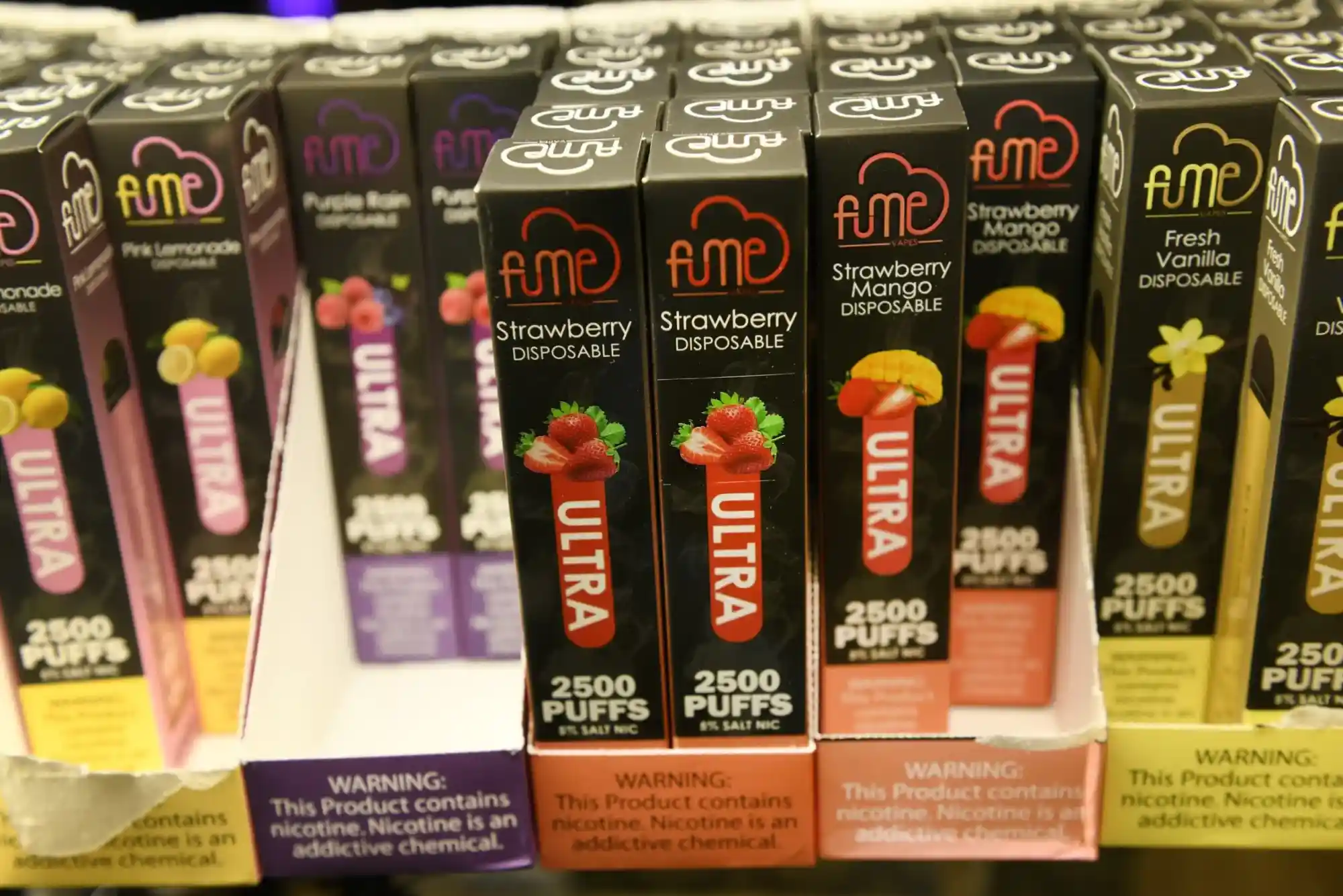
A central element of U.S. vape packaging compliance is the required nicotine warning for covered tobacco products. The applicable federal rule generally requires the following statement:
“WARNING: This product contains nicotine. Nicotine is an addictive chemical.”
For covered products subject to 21 CFR § 1143.3, the warning must appear on the package’s two principal display panels. It must occupy at least 30% of each panel and use the prescribed formatting, including a minimum 12-point font. The warning must also remain clearly visible beneath transparent outer wrapping.
These requirements make packaging design an important compliance decision from the beginning. Brands should reserve sufficient space for warnings before finalizing logos, product images, promotional messages, or decorative elements.
The FDA’s FDA labeling and warning statement rules provide official guidance on the applicable requirements.
However, the exact rule must be checked against the product category. Cigarette warning requirements, for example, are not interchangeable with the warning rules for e-cigarettes and other covered tobacco products.
Product Identification and Accurate Information
Vape packaging should accurately identify the product and avoid statements that could mislead consumers. Manufacturers should ensure that product names, nicotine descriptions, ingredient information, and other label claims match the product’s actual specifications and applicable legal requirements.
For example, a package should not describe an e-liquid as nicotine-free if it contains nicotine. Likewise, a business should not make unsupported claims about purity, safety, health benefits, or reduced risk.
The FDA may consider labeling and promotional claims when assessing whether a product is misbranded or marketed in violation of applicable law. Businesses should therefore review the entire presentation, including the physical package, inserts, websites, and promotional materials.
Warning Visibility and Readability
A warning that technically appears on a package may still create compliance problems if its presentation fails to meet the applicable standards. Tiny text, poor contrast, crowded layouts, and labels hidden beneath removable wrapping can undermine visibility.
Design teams should verify the required warning area, typography, placement, and contrast against the relevant regulation. They should also inspect physical production samples rather than relying exclusively on digital mockups.
The goal is to ensure that legally required information remains readable on the finished package.
Child-Resistant Packaging and Product Safety
Why Child-Resistant Packaging Matters
E-liquids containing nicotine can pose serious poisoning risks if accidentally swallowed or otherwise accessed by children. Packaging design is therefore an important part of product safety, even when the specific legal requirements differ by product and jurisdiction.
Some U.S. requirements apply specifically to liquid nicotine containers and certain refill products. The Child Nicotine Poisoning Prevention Act and applicable federal regulations should be reviewed when determining whether a container requires child-resistant packaging.
Businesses should not assume that every vape device, cartridge, or liquid bottle is governed by identical packaging provisions. The product’s configuration and applicable statutory definitions matter.
Testing Packaging Components
Where child-resistant packaging is legally required, manufacturers should verify that the packaging meets the applicable performance standards. A closure that appears difficult to open is not necessarily compliant.
Companies should obtain appropriate test documentation from packaging suppliers and confirm that the tested configuration matches the commercial product. Changes to bottle dimensions, closure components, materials, or assembly methods may affect performance.
Packaging should also remain practical for intended adult users. Clear instructions and reliable closures can support usability without compromising safety.
Preventing Leaks and Accidental Exposure
A compliant package should protect its contents during ordinary storage, transportation, and handling. Poor seals or fragile containers can cause leakage, damage labels, and expose people to nicotine-containing liquids.
Manufacturers should evaluate compatibility between the container, closure, liquid formulation, and transportation conditions. They should also inspect packaging for damage and establish procedures for investigating recurring defects.
These measures support product quality and can help businesses reduce avoidable complaints, returns, and safety incidents.
Packaging Design, Branding, and Marketing Restrictions
Balancing Brand Identity With Compliance
Vape brands often use distinctive colors, illustrations, typography, and product photography to establish a recognizable identity. However, visual appeal must not interfere with mandatory warnings or create misleading impressions.
A useful approach is to build the packaging design around the required regulatory information. Once warning areas and other mandatory details are secured, designers can develop the remaining elements of the layout.
Companies should be especially careful with imagery and messaging that may appeal to underage audiences. State laws and other applicable restrictions may impose additional limits on marketing and packaging presentation.
Avoiding Unsupported Health Claims
Statements suggesting that a vape product is harmless, medically beneficial, or proven to help people quit smoking can create significant regulatory concerns if they lack the required authorization and supporting evidence.
A brand should not treat words such as “clean,” “natural,” or “safer” as automatically acceptable marketing language. The overall impression created by the package matters, not just the literal meaning of individual words.
Businesses should have qualified reviewers assess proposed claims before artwork is approved. This review should cover package text, graphics, product inserts, and connected digital marketing.
Checking State and Local Requirements
Federal compliance is only one part of the process. States and local jurisdictions may impose additional restrictions on vape packaging, product presentation, ingredients, sales, or distribution.
For example, a business selling products across multiple states may need to account for different rules concerning child-resistant containers, labeling details, prohibited packaging characteristics, and retailer obligations.
A single nationwide package design may still be possible, but companies should verify that it satisfies every applicable jurisdiction where the product will be sold.
How Vape Manufacturers Can Prepare for Packaging Changes
Review Every Product Separately
The first step is to create a product-by-product compliance review. Manufacturers should identify whether each item is a disposable device, refillable device, cartridge, e-liquid, or another product category.
They should then establish which federal rules, marketing authorization requirements, and state restrictions apply. This prevents businesses from applying assumptions from one product to an entire product range.
Companies looking for broader regulatory context can also read How Vape Manufacturers Are Responding to FDA Pressure, which explores how manufacturers are responding to increased regulatory scrutiny.
Update Artwork and Packaging Specifications
Once the applicable requirements are established, the packaging team should revise artwork, technical drawings, print specifications, and supplier instructions.
Every required warning should be checked against the relevant regulation. The review should confirm the wording, dimensions, placement, contrast, and visibility, along with any other mandatory label information.
The business should also document which packaging version belongs to each product and market. This is especially important when different versions are needed for different jurisdictions.
Coordinate With Suppliers and Compliance Teams
Packaging suppliers, designers, product developers, and regulatory specialists should work from the same approved specifications. Otherwise, a compliant design can become noncompliant during printing, assembly, or production.
A formal approval process helps prevent unauthorized artwork changes and ensures that packaging updates are reviewed before release. Businesses should retain relevant supplier records, test reports, approved artwork, and compliance assessments.
Monitor Regulatory Developments
Packaging requirements can change through new legislation, agency rules, court decisions, and state-level measures. Manufacturers should monitor official sources rather than relying exclusively on industry discussions or supplier announcements.
The FDA’s official tobacco product resources are a useful starting point. Companies should also review applicable state statutes and regulations and seek qualified legal advice when requirements are unclear.
The vaporcrafts website can provide additional industry-related reading, but official government materials should remain the primary source for determining legal obligations.
Common Packaging Compliance Mistakes to Avoid
Even experienced businesses can overlook important details when updating vape packaging. One frequent mistake is treating the nicotine warning as a simple graphic element rather than a regulated statement with specific placement and formatting requirements.
Another problem is using identical packaging across products without confirming whether the same rules apply to each one. Different formulations, container types, and product classifications can affect the applicable obligations.
Companies may also overlook packaging changes introduced late in production. A printer might resize a label, a supplier could change a closure, or a marketing team might add an unapproved claim. Each change should go through the appropriate review process.
Finally, businesses should avoid relying on outdated templates or assuming that competitors’ packaging proves compliance. A product’s presence in stores does not establish that it satisfies current requirements.
A documented review process, reliable supplier communication, and periodic packaging audits can help address these risks before products reach the market.
Build a Compliant Vape Packaging Strategy
The new packaging standards for U.S. vape products require businesses to understand the relationship between federal tobacco regulations, warning statement requirements, product safety, and state-specific restrictions. Although not every vape product follows identical rules, accurate labeling, readable warnings, appropriate packaging, and responsible marketing remain important considerations.
Manufacturers should verify the requirements for each product, confirm applicable FDA marketing authorization, and review packaging designs before production. They should also maintain documentation and monitor regulatory developments to avoid relying on outdated assumptions.
For brands operating in this competitive market, compliance should be part of the product development process rather than a last-minute correction. Start by reviewing your current packaging, identifying potential gaps, and confirming the applicable requirements with official sources or qualified regulatory professionals. A proactive approach can help protect consumers, support business continuity, and strengthen long-term brand credibility.
FAQs
What are the FDA requirements for vape packaging in the USA?
FDA requirements depend on the product category and applicable regulations. Covered tobacco products generally require the nicotine addiction warning, while other obligations may concern labeling, marketing authorization, and restrictions on product distribution. Manufacturers should consult the FDA’s official guidance and confirm the rules that apply to each product.
What warning must appear on vape products containing nicotine?
For covered tobacco products subject to 21 CFR § 1143.3, the required warning is: “WARNING: This product contains nicotine. Nicotine is an addictive chemical.” The warning must follow applicable rules for wording, placement, size, contrast, and visibility. Businesses should verify the product’s classification before applying these requirements.
Is child-resistant packaging required for vape products?
Child-resistant packaging requirements depend on the product and applicable laws. Certain liquid nicotine containers and refill products are subject to specific federal requirements. Manufacturers should review the relevant legislation and regulations to determine whether their particular packaging must meet child-resistant performance standards.
Can vape manufacturers use colorful or attractive packaging?
Colorful packaging is not automatically prohibited. However, designs must comply with applicable warning requirements and restrictions on misleading claims or marketing. Manufacturers should also check state-specific rules that may restrict particular packaging styles, imagery, or presentations that appeal to underage audiences.
Do vape packaging rules differ between U.S. states?
Yes. Federal requirements establish an important baseline, but states and local jurisdictions may impose additional restrictions. Businesses selling across multiple markets should review the rules applicable to each destination and confirm that their packaging meets all relevant requirements.
How can manufacturers ensure vape packaging compliance?
Manufacturers should classify each product, review the applicable FDA and state requirements, verify warning statements, assess packaging safety, and obtain appropriate supplier documentation. They should also approve final artwork before production and monitor regulatory changes. Qualified legal or regulatory advice can help resolve uncertain requirements.
Where can businesses find official U.S. vape labeling rules?
The FDA’s official labeling and warning statement guidance explains key tobacco product labeling requirements and provides links to relevant resources. Businesses should also consult applicable federal regulations and state authorities for product-specific obligations.How Vape Manufacturers Are Responding to FDA Pressure