Introduction
The global vaping industry has created new opportunities for manufacturers, wholesalers, distributors, and retailers. Businesses increasingly source electronic cigarettes, disposable vapes, vape devices, and e-liquids from international suppliers. However, bringing these products into the United States is not as straightforward as importing ordinary consumer goods. Federal regulations, customs inspections, product authorization requirements, and shipping restrictions can make the process complicated.
Understanding vape imports and customs laws is essential for anyone involved in the international vape trade. The U.S. Food and Drug Administration (FDA) regulates electronic nicotine delivery systems (ENDS), while U.S. Customs and Border Protection (CBP) manages customs entry procedures and works with other federal agencies.
Importers must understand which products are permitted, what documentation is necessary, how customs duties apply, and what happens when shipments fail regulatory inspections. Even products manufactured legally overseas may face detention or refusal when they do not meet U.S. requirements.
This guide explains the essential rules surrounding vape imports and customs laws, helping businesses understand their responsibilities and avoid costly compliance mistakes.
Understanding Vape Imports and Customs Laws in the United States
Vape imports and customs laws cover the federal requirements governing electronic cigarettes, vaping devices, nicotine-containing e-liquids, and related components entering the United States.
These regulations involve several government agencies. The FDA oversees tobacco product compliance, while CBP handles customs declarations, tariff classification, and border enforcement. Other agencies may become involved depending on the product’s ingredients, intended use, and shipping method.

The FDA expanded its regulatory authority to include electronic nicotine delivery systems in 2016. Consequently, many vaping products are treated as tobacco products under federal law, including certain devices, cartridges, e-liquids, and replacement components.
This distinction matters because importing a vaping device is not simply a matter of paying customs duties. The product must also satisfy applicable FDA requirements before it can legally enter the U.S. market.
Which Vape Products Are Covered?
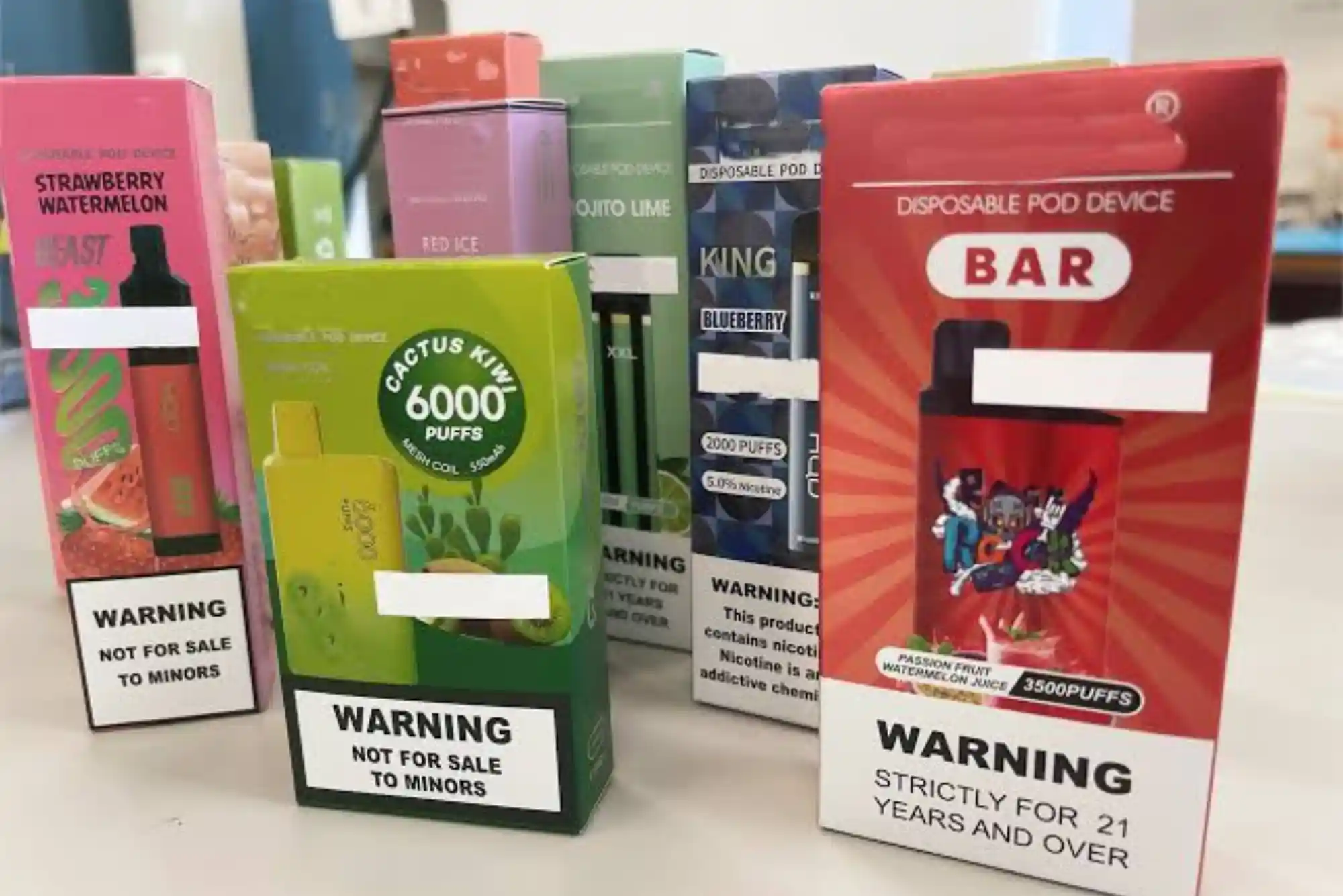
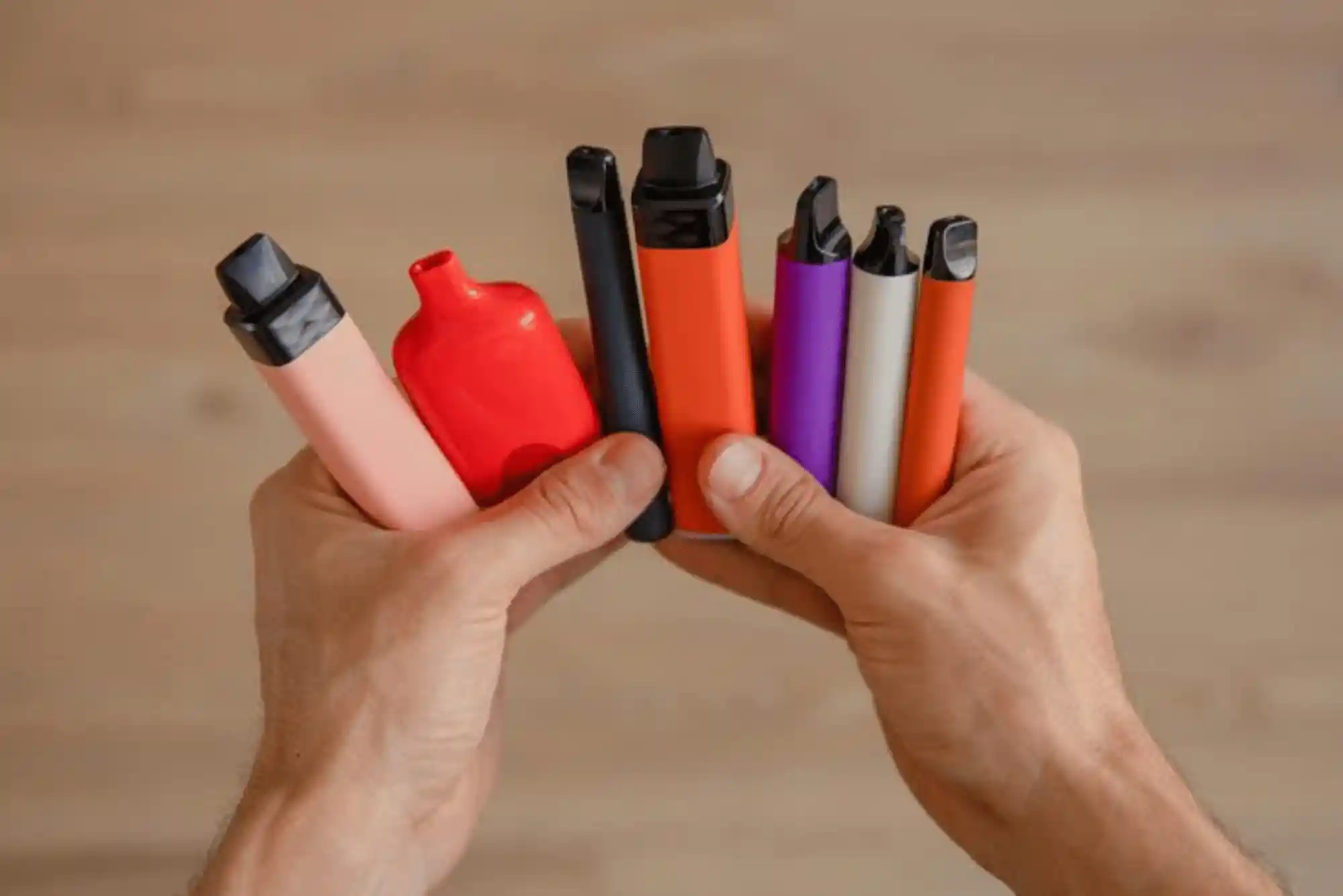
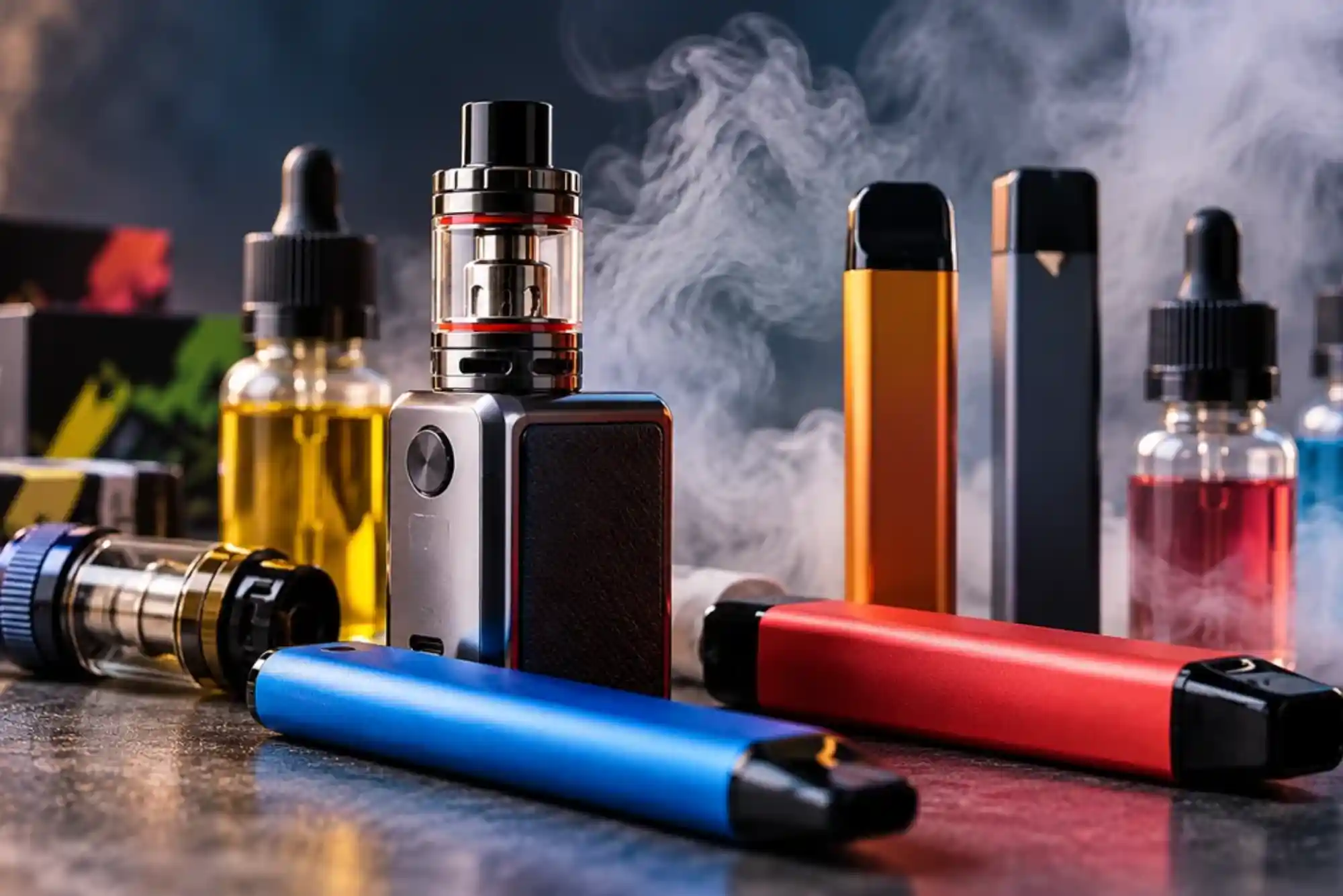
FDA-regulated ENDS products include electronic cigarettes, disposable vapes, refillable vape devices, e-liquids, cartridges, atomizers, and certain batteries and other components.
The FDA also regulates certain parts and accessories associated with these products. However, not every item connected to vaping receives identical treatment. Classification depends on its design, function, composition, and intended use.
Importers should determine whether their merchandise falls within FDA jurisdiction before arranging international transportation. Incorrectly describing regulated products as ordinary electronics or general merchandise can create serious customs problems.
Why Importers Must Understand Federal Requirements
A shipment may satisfy the customs documentation requirements but still fail FDA review. Similarly, a product that has received an FDA marketing authorization may require additional customs documentation, correct classification, and applicable tax compliance.
Understanding both regulatory systems helps businesses prevent delays, rejected shipments, financial losses, and potential enforcement action.
FDA Authorization Requirements for Imported Vape Products
One of the most important aspects of vape imports and customs laws is FDA marketing authorization.
Under Section 910 of the Federal Food, Drug, and Cosmetic Act, a new tobacco product generally requires an FDA marketing order before it can legally be marketed in the United States. This requirement applies to many electronic nicotine delivery systems.
What Is Premarket Tobacco Product Authorization?
Premarket Tobacco Product Applications, commonly called PMTAs, are submissions through which manufacturers seek permission to market new tobacco products.
The FDA evaluates scientific information, product characteristics, manufacturing details, and potential public health effects. The agency considers whether allowing the product on the market would be appropriate for the protection of public health.
A company cannot assume that submitting a PMTA automatically makes its product legal. The FDA must issue the appropriate written marketing authorization.
Other regulatory pathways, including substantial equivalence reports and exemptions from substantial equivalence requirements, may apply in specific circumstances.
Can Importers Bring Unauthorized Vapes Into the United States?
Importing a vape product without the required FDA authorization creates a significant compliance risk.
On January 3, 2025, the FDA announced updates to Import Alerts 98-06 and 98-07. Import Alert 98-07 specifically addresses electronic nicotine delivery systems lacking required premarket authorization.
Under this alert, unauthorized e-cigarette products may be detained without physical examination and refused admission into the United States.
The updated alert reinforces that products do not become admissible simply because they have cleared customs previously or are manufactured by an established international company.
Importers should verify a product’s authorization status before placing commercial orders. Checking the FDA’s marketing order information is an important part of responsible supplier due diligence.
How the U.S. Customs Process Works for Vape Imports
The customs clearance process involves submitting accurate shipment information, declaring merchandise correctly, and satisfying applicable federal requirements.
Although individual shipments may follow different procedures, commercial importers generally need to coordinate with a customs broker and provide sufficient product information for regulatory review.
Product Classification and Customs Declarations
Every imported product must receive an appropriate Harmonized Tariff Schedule (HTS) classification. This classification helps determine the applicable customs duty and identifies relevant import requirements.
Vape devices, e-liquids, cartridges, and replacement components may fall under different tariff classifications depending on their characteristics.
Importers should never select a tariff code simply because another supplier uses it. Incorrect classification can lead to additional duties, penalties, shipment delays, or questions from customs officials.
Filing Through the Automated Commercial Environment
CBP uses the Automated Commercial Environment (ACE) as its primary electronic system for processing import and export information.
FDA-regulated vaping products must be reported appropriately through the relevant import filing process. Importers should provide their customs brokers with accurate product descriptions, manufacturer details, country of origin, and other information required for the entry.
The FDA has also published specific filing guidance for ENDS products. Products that differ in characteristics such as brand or flavor may need to be declared on separate entry lines.
Providing complete information helps agencies determine whether imported merchandise meets applicable requirements.
Customs Inspections and Shipment Detention
CBP and FDA may review imported vaping products to determine whether they comply with federal requirements.
A shipment can be delayed when documents are incomplete, product descriptions are inaccurate, or the merchandise raises regulatory concerns.
If the FDA determines that a product is inadmissible, it may refuse admission. Depending on the circumstances, the importer may need to arrange exportation or destruction under the applicable procedures.
Businesses should therefore treat customs compliance as part of their purchasing process rather than something to address after products arrive at the border.
Documentation Required for Vape Imports
Accurate documentation is essential when navigating vape imports and customs laws. Missing or inconsistent paperwork can complicate customs clearance and increase the likelihood of regulatory scrutiny.
A commercial invoice generally identifies the seller, buyer, product descriptions, quantities, declared values, and transaction details. Customs officials use this information to assess the shipment and determine applicable duties.
The packing list provides details about the contents of individual packages, including quantities, weights, and packaging arrangements. A bill of lading or airway bill documents the transportation of the shipment.
Importers may also need manufacturer information, product specifications, ingredient details, country-of-origin documentation, and FDA-related information supporting the product’s regulatory status.
Where applicable, businesses should maintain evidence of the relevant FDA marketing authorization and provide the information needed by their customs brokers.
Documentation should accurately reflect the actual merchandise. Describing nicotine-containing e-liquids as harmless cosmetic liquids or declaring commercial shipments as personal gifts can create serious compliance issues.
Maintaining organized records also makes it easier to respond to government inquiries and demonstrate that reasonable steps were taken to meet regulatory obligations.
Vape Import Duties, Taxes, and Additional Costs
Customs duties are another important consideration for businesses importing vaping products.
The amount payable depends on factors such as product classification, customs value, country of origin, and applicable trade measures. Importers should not assume that all vape devices or e-liquids carry the same duty rate.
Understanding Customs Duties
Customs duties are calculated according to the applicable tariff classification and customs valuation rules.
The declared customs value generally reflects the transaction value and other adjustments required under U.S. customs law. Importers must ensure that their declared values are accurate and properly supported.
Additional costs may include customs brokerage fees, transportation charges, port expenses, storage, inspections, and other handling costs.
Businesses should also monitor changes in tariffs and trade policies because additional duties may apply to merchandise originating in particular countries.
Understanding Federal and State Vape Taxes
Customs duties and tobacco-related taxes are not necessarily the same thing.
Federal, state, and local tax requirements can affect vaping businesses differently depending on the product and the activities involved. Some jurisdictions impose excise taxes on e-liquids, cartridges, or other vaping products.
Importers planning to distribute products across multiple states should investigate the tax requirements in each relevant market.
For a more detailed explanation of the financial obligations affecting the industry, read Understanding the U.S. Vape Tax Landscape. Understanding these obligations early can help businesses develop more realistic pricing and distribution strategies.
Shipping Restrictions and International Vape Transportation
Shipping restrictions are another major part of vape imports and customs laws.
Electronic nicotine delivery systems are subject to specific transportation rules, particularly when shipments involve international mail, domestic delivery, or direct-to-consumer sales.
International Shipping Requirements
Importers must confirm that their chosen transportation provider accepts the relevant vaping products. Some carriers restrict or refuse shipments containing tobacco products or electronic nicotine delivery systems.
Battery-powered vaping devices may also be subject to hazardous materials transportation requirements. Lithium batteries require appropriate packaging, handling, labeling, and documentation when applicable.
International shipping rules can differ from domestic carrier policies. Therefore, businesses should verify the requirements for their exact product and shipping route before dispatch.
PACT Act and Online Vape Sales
The Prevent All Cigarette Trafficking (PACT) Act and the Preventing Online Sales of E-Cigarettes to Children Act introduced additional requirements affecting the shipment and delivery of vaping products.
The federal restrictions affect how certain tobacco products and electronic nicotine delivery systems can be mailed or delivered. The USPS has specific restrictions concerning ENDS shipments, while private carriers maintain their own acceptance policies.
The rules may involve age verification, reporting, registration, tax obligations, and shipping restrictions depending on the applicable transaction.
Importers should not assume that a product can be delivered to a U.S. customer simply because it has passed an international customs checkpoint.
Common Mistakes Businesses Make When Importing Vapes
Many import problems occur because businesses underestimate the complexity of federal vaping regulations.
One common mistake is purchasing products before confirming their FDA authorization status. A low-cost product from an overseas manufacturer may appear commercially attractive, but it can become a financial liability if it cannot legally enter the U.S. market.
Another mistake involves inaccurate customs declarations. Incorrect descriptions, product values, manufacturer information, or tariff classifications can trigger additional scrutiny.
Some importers also assume that a supplier’s compliance statement is sufficient evidence of legal authorization. However, the importer should independently verify the relevant FDA status and supporting documentation.
Ignoring shipping restrictions can create further complications. A carrier’s willingness to transport a package does not establish that the product satisfies FDA or customs requirements.
Finally, businesses sometimes overlook state and local taxes when calculating their total import costs. This can result in inaccurate profit projections and unexpected financial obligations.
The best approach is to review regulatory requirements before purchasing merchandise, maintain complete records, and work with professionals who understand FDA-regulated imports.
How Businesses Can Stay Compliant With Vape Import Regulations
Successful importing requires ongoing attention to regulatory developments rather than a one-time compliance check.
Businesses should begin by reviewing the FDA’s official importing guidance and determining whether each product has the necessary marketing authorization.
They should also confirm the correct customs classification, calculate applicable duties, and ensure that their customs broker receives accurate information before the shipment arrives.
Supplier verification is equally important. Importers should request detailed product specifications and supporting regulatory documentation instead of relying on general assurances.
It is also important to monitor changes in FDA import alerts, federal shipping restrictions, and state taxation requirements. Regulatory updates can affect products and business arrangements that previously appeared compliant.
For ongoing industry information and practical resources, businesses can explore vaporcrafts. Staying informed helps importers make better decisions and respond more effectively to changes in the vaping market.
Official FDA Guidance for Vape Imports
The FDA provides dedicated information for businesses involved in importing and exporting tobacco products, including electronic nicotine delivery systems.
Its official FDA vape import and customs guidance explains important regulatory considerations and provides access to relevant import resources.
Importers should also review the FDA’s tobacco product import requirements and current import alerts before arranging shipments.
Because federal requirements can change, official agency guidance should always take priority over outdated supplier information, informal industry discussions, or assumptions based on previous shipments.
Understanding vape imports and customs laws is essential for businesses that manufacture, distribute, or sell electronic nicotine delivery systems in the United States. FDA marketing authorization, accurate customs declarations, product classification, documentation, taxes, and shipping restrictions all play important roles in determining whether a shipment can enter the country.
Importers should never assume that international availability means a product is approved for the U.S. market. Checking authorization status, working with knowledgeable customs brokers, and monitoring regulatory changes can help reduce unnecessary risks.
FAQs
Can you legally import vapes into the United States?
Vapes can be imported only when the products and shipments satisfy applicable federal requirements. Many new tobacco products require FDA marketing authorization before they can legally be marketed in the United States. Customs declarations, shipping restrictions, and other requirements also apply.
Do imported vape products need FDA approval?
New tobacco products generally require an FDA marketing order before they can legally be marketed in the United States. The applicable authorization pathway depends on the product and its regulatory status. Importers should verify authorization rather than assume that overseas approval is sufficient.
Can customs seize vape products?
Yes. FDA and CBP may detain shipments that violate applicable import requirements. Products lacking required FDA marketing authorization may be subject to detention without physical examination and refusal of admission under Import Alert 98-07.
Do I have to pay customs duty on imported vapes?
Customs duties may apply depending on the product’s tariff classification, customs value, country of origin, and applicable trade measures. Importers should consult the current Harmonized Tariff Schedule and a qualified customs broker to determine the correct amount.
What documents are required to import vaping products?
Import documentation commonly includes a commercial invoice, packing list, transportation documents, product descriptions, manufacturer information, and applicable FDA-related information. Additional documents may be required depending on the merchandise and shipment.
Can I ship disposable vapes through USPS?
USPS applies restrictions to electronic nicotine delivery systems under federal law and its mailing standards. Businesses should review current USPS requirements before attempting to ship disposable vapes or other ENDS products.
Does the PACT Act apply to electronic cigarettes?
Yes. Federal legislation extended important delivery and shipping restrictions to electronic nicotine delivery systems. The applicable requirements can include restrictions on mailing, delivery, age verification, reporting, and tax compliance.
What happens if an imported vape does not have FDA authorization?
If a product requires FDA marketing authorization but lacks it, the agency may detain the shipment and refuse admission. The importer may then need to follow applicable procedures for exporting or destroying the merchandise.
Are vape import regulations the same in every U.S. state?
No. Federal FDA and customs requirements apply nationally, but state and local governments may impose additional taxes, licensing rules, sales restrictions, and other obligations. Importers should review the requirements of every state where they plan to distribute products.
Regulatory reference check: The article reflects FDA and CBP guidance, including the September 2026 update to Import Alert 98-07, FDA marketing authorization requirements, and federal shipping restrictions.
FDA+4
Related Reading: Vape Imports and Customs Laws Explained