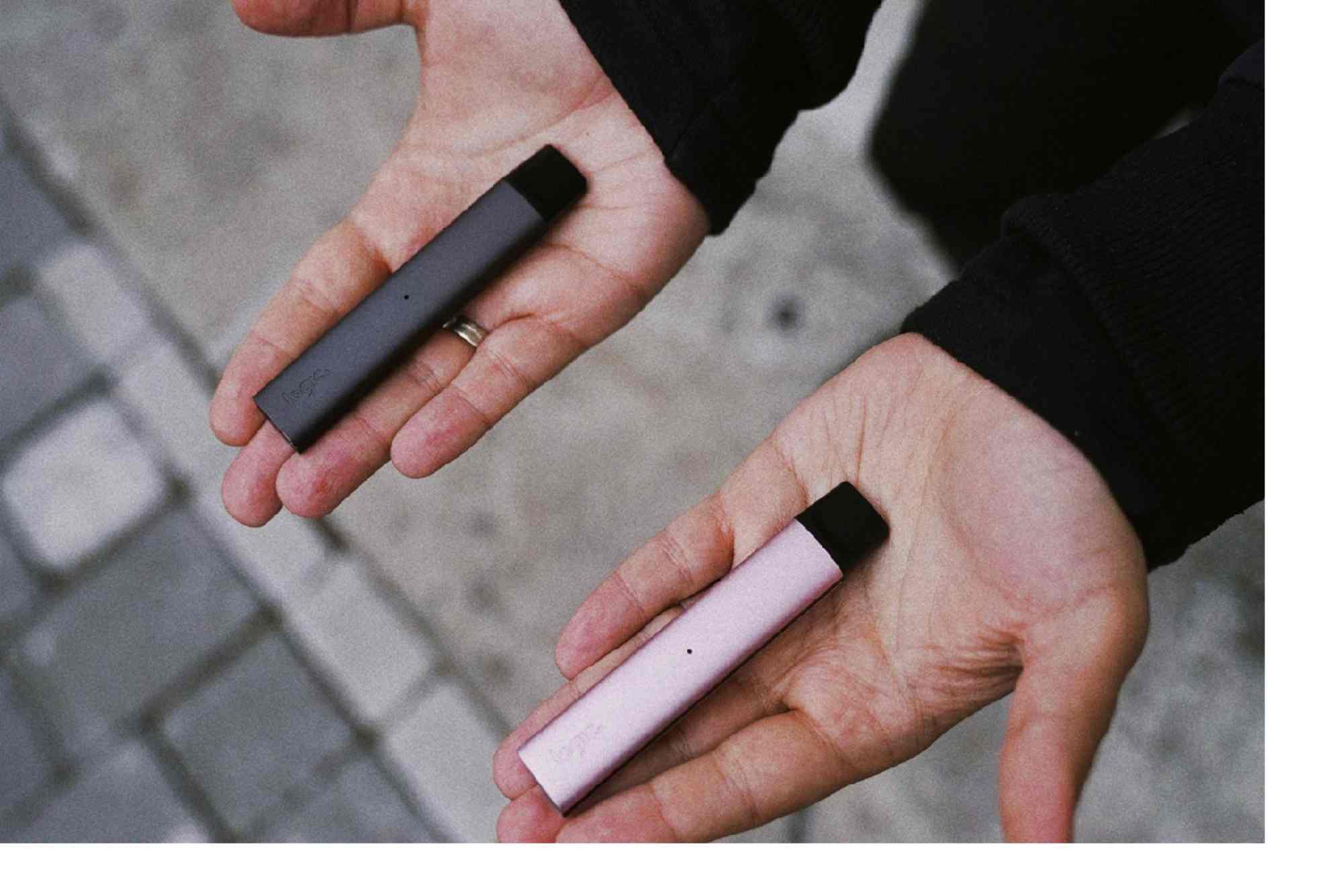
How Street Artists Represent Vape Lifestyle
Street art has always reflected changing lifestyles, social identities, and cultural movements. From colorful graffiti to large-scale urban murals, artists use public spaces to express ideas. One emerging subject within contemporary urban imagery is vape culture. How Street Artists Represent Vape Lifestyle is an interesting topic because it connects visual creativity with modern youth culture, fashion, and urban identity.
Street artists often transform everyday objects into recognizable cultural symbols. Vape devices, vapor clouds, and futuristic designs sometimes appear in creative compositions. These visual elements can represent technology, personal expression, or controversial lifestyle trends. However, their meanings depend on the artist’s intentions and the surrounding community.
Understanding how street artists represent vape lifestyle requires looking beyond the artwork itself. It also involves examining graffiti traditions, public attitudes, artistic freedom, and the influence of digital culture.
How Street Artists Represent Vape Lifestyle Through Urban Art
Urban art provides a powerful platform for communicating contemporary ideas. Artists frequently incorporate recognizable objects and cultural references into their work. Vape-related imagery can become part of this visual language.
Some artists use vapor-inspired shapes to create movement and atmosphere. Others explore electronic devices through abstract illustrations and futuristic designs. These approaches allow artists to experiment with unusual colors, textures, and compositions.
Moreover, street art does not always celebrate the subjects it represents. An artwork featuring vaping might question consumer culture or explore public health concerns. Therefore, viewers should consider the complete message rather than interpreting individual objects separately.

Graffiti and Vapor-Inspired Visual Elements
Graffiti is closely connected with personal identity and creative freedom. Its bold lettering, contrasting colors, and expressive characters provide opportunities for experimentation.
When vape-related imagery appears in graffiti, artists may incorporate vapor-like patterns around illustrated objects. These patterns can create dramatic movement across walls and other surfaces.
Some designs use neon colors and geometric shapes. Others combine traditional graffiti lettering with contemporary electronic imagery. The result can reflect the relationship between technology and urban visual culture.
Murals as Reflections of Modern Lifestyle
Large murals allow artists to explore complicated subjects through detailed compositions. A mural might combine city landscapes, abstract clouds, electronic objects, and human figures.
Such artwork can examine how modern products influence everyday environments. It may also question advertising, consumption, and changing social expectations.
Consequently, murals provide opportunities for meaningful conversations. They can encourage viewers to consider the cultural impact of vaping rather than simply treating it as a fashion statement.
The Connection Between Vape Culture and Streetwear
Streetwear and street art share several cultural influences. Both have developed through music, skateboarding, graffiti, photography, and independent creative communities.
Vape-related imagery sometimes enters this environment through graphic illustrations and experimental visual designs. However, its presence does not mean that every streetwear enthusiast supports vaping.
Fashion artists frequently borrow visual elements from different cultural movements. Their designs might feature abstract smoke patterns, metallic finishes, futuristic typography, or industrial shapes.
These elements can exist independently of actual vaping products.
The broader relationship between streetwear and culture trend report discussions highlights how urban fashion constantly absorbs influences from music, technology, and artistic communities.
Clothing Graphics and Contemporary Design
Graphic clothing offers artists another space for creative expression. Designers often experiment with oversized illustrations, unusual typography, and abstract patterns.
Vapor-inspired artwork can become a visual reference within these designs. However, responsible fashion brands should avoid marketing nicotine products through youth-oriented clothing.
Instead, designers can explore atmospheric shapes and futuristic aesthetics without promoting addictive substances.
The Influence of Music and Urban Communities
Music has significantly influenced graffiti and streetwear throughout their development. Hip-hop, electronic music, and underground creative scenes have encouraged collaborations between different artistic disciplines.
Some visual artists incorporate references to nightlife and contemporary electronic culture. Their artwork may include vapor-like effects, illuminated backgrounds, and abstract technology-inspired imagery.
These creative connections demonstrate how artistic movements influence one another.
Digital Art and the Changing Representation of Vape Lifestyle
Digital technology has transformed how street artists create and distribute their work. Social media allows independent artists to share murals, illustrations, and experimental designs with international audiences.
As a result, vape-related visual references can travel beyond their original locations.
Digital illustrations also provide greater control over color, lighting, and texture. Artists can experiment with artificial vapor effects without using physical smoke.
Social Media and Urban Art Communities
Platforms such as Instagram and Pinterest help artists showcase their creative projects. Photographs of murals can reach audiences who might never visit the original locations.
However, online visibility also creates challenges. Artwork can become separated from its original context or misunderstood through short captions.
Responsible creators should explain their intentions clearly, particularly when addressing controversial lifestyle subjects.
Technology-Inspired Artistic Techniques
Modern digital tools allow artists to combine traditional graffiti aesthetics with futuristic visual effects.
For example, an illustration might feature glowing outlines, metallic surfaces, and abstract cloud formations. These techniques can suggest technological change without directly advertising vaping.
The growing popularity of digital creativity also encourages collaboration between muralists, illustrators, photographers, and graphic designers.
Social Messages Behind Vape-Inspired Street Art
Street art is not simply decoration. It frequently communicates social criticism, personal experiences, and community concerns.
Vaping provides a complicated subject because it involves consumer behavior, public health, regulation, and cultural identity.
Some artists might use vape-related imagery to criticize excessive consumption. Others may explore how advertising influences perceptions of modern products.
Artistic Freedom and Public Responsibility
Artists generally use public spaces to communicate ideas. Nevertheless, public artwork can influence how communities interpret sensitive subjects.
Images that make vaping appear glamorous may unintentionally normalize nicotine use. This concern becomes particularly important when young audiences encounter the artwork.
Therefore, artists and event organizers should consider their responsibilities.
Creative freedom can coexist with thoughtful communication. Artwork can investigate vaping as a cultural phenomenon without encouraging people to use nicotine products.
Public Health Awareness Through Visual Storytelling
Street art can also communicate health information through accessible visual storytelling.
Artists might create murals exploring nicotine addiction, environmental waste, or disposable electronic products. These subjects offer opportunities to combine creativity with public education.
Such projects can encourage conversations among residents, educators, and community organizations.
How Different Artistic Styles Interpret Vape Imagery
Different street art styles communicate ideas in distinctive ways. The same subject can produce completely different interpretations depending on artistic technique.
|
Artistic Style |
Visual Characteristics |
Possible Cultural Message |
|---|---|---|
|
Graffiti |
Bold lettering and expressive colors |
Urban identity and personal expression |
|
Abstract art |
Flowing shapes and vapor patterns |
Movement and experimentation |
|
Pop art |
Bright colors and recognizable objects |
Consumer culture and media influence |
|
Surrealism |
Unusual combinations and dreamlike scenes |
Social questions and cultural criticism |
|
Digital illustration |
Glowing effects and futuristic textures |
Technology and contemporary identity |
This comparison demonstrates how visual presentation changes the interpretation of cultural subjects.
Importantly, these styles do not have fixed meanings. An artist’s message, location, and audience all influence how artwork is understood.
The Future of Vape-Related Themes in Street Art
Street art continues evolving alongside technology and changing public attitudes. New materials, digital tools, and interactive installations provide additional opportunities for experimentation.
However, the future of vape-related imagery will depend on broader cultural conversations.
Artists may increasingly examine electronic waste, nicotine regulation, and the environmental impact of disposable devices. These themes provide more meaningful artistic opportunities than simply presenting vaping as fashionable.
Furthermore, augmented reality could allow viewers to explore additional information through digital installations. Such experiences might combine artistic storytelling with educational messages.
Ultimately, the strongest creative projects will balance visual originality with social awareness.
Frequently Asked Questions
What Is the Main Purpose of Street Art?
How Does Street Art Express Cultural Identity?
Street art communicates personal experiences, community values, and cultural movements. Artists use public spaces to express ideas through murals, graffiti, and illustrations. Their work can celebrate local identity or challenge existing social attitudes.
Why Do Artists Use Graffiti to Express Themselves?
What Makes Graffiti an Important Art Form?
Graffiti provides an accessible platform for personal expression. Its visual language combines lettering, color, symbolism, and individual artistic techniques. It also reflects the histories and identities of different urban communities.
How Does Street Art Influence Fashion?
Why Are Streetwear and Street Art Connected?
Streetwear and street art share influences from music, skateboarding, graffiti, and youth-oriented creative communities. Their visual styles frequently overlap through graphic prints, bold typography, and experimental designs.
Can Street Art Promote Social Awareness?
How Do Murals Communicate Important Messages?
Murals transform public spaces into opportunities for education and discussion. Artists can address environmental issues, public health, inequality, and consumer culture through recognizable visual storytelling.
What Is the Relationship Between Digital Art and Street Art?
How Has Technology Changed Urban Creativity?
Digital technology allows artists to experiment with advanced illustrations, lighting effects, and interactive installations. Social media also helps their work reach international audiences and connect creative communities.
Conclusion
How Street Artists Represent Vape Lifestyle reveals an interesting relationship between contemporary visual culture and changing urban identities. Through graffiti, murals, digital illustrations, and experimental designs, artists explore subjects connected with technology, fashion, and consumer behavior.
However, representation does not always mean promotion. Street art can celebrate creativity while questioning social trends and highlighting public health concerns.
As urban culture continues evolving, artists have opportunities to create meaningful work that encourages thoughtful discussion.
Call to Action: Explore contemporary street art, discover independent urban artists, and support creative projects that combine originality with responsible cultural storytelling.
Related Reading: Global Vape Artists Worth Following