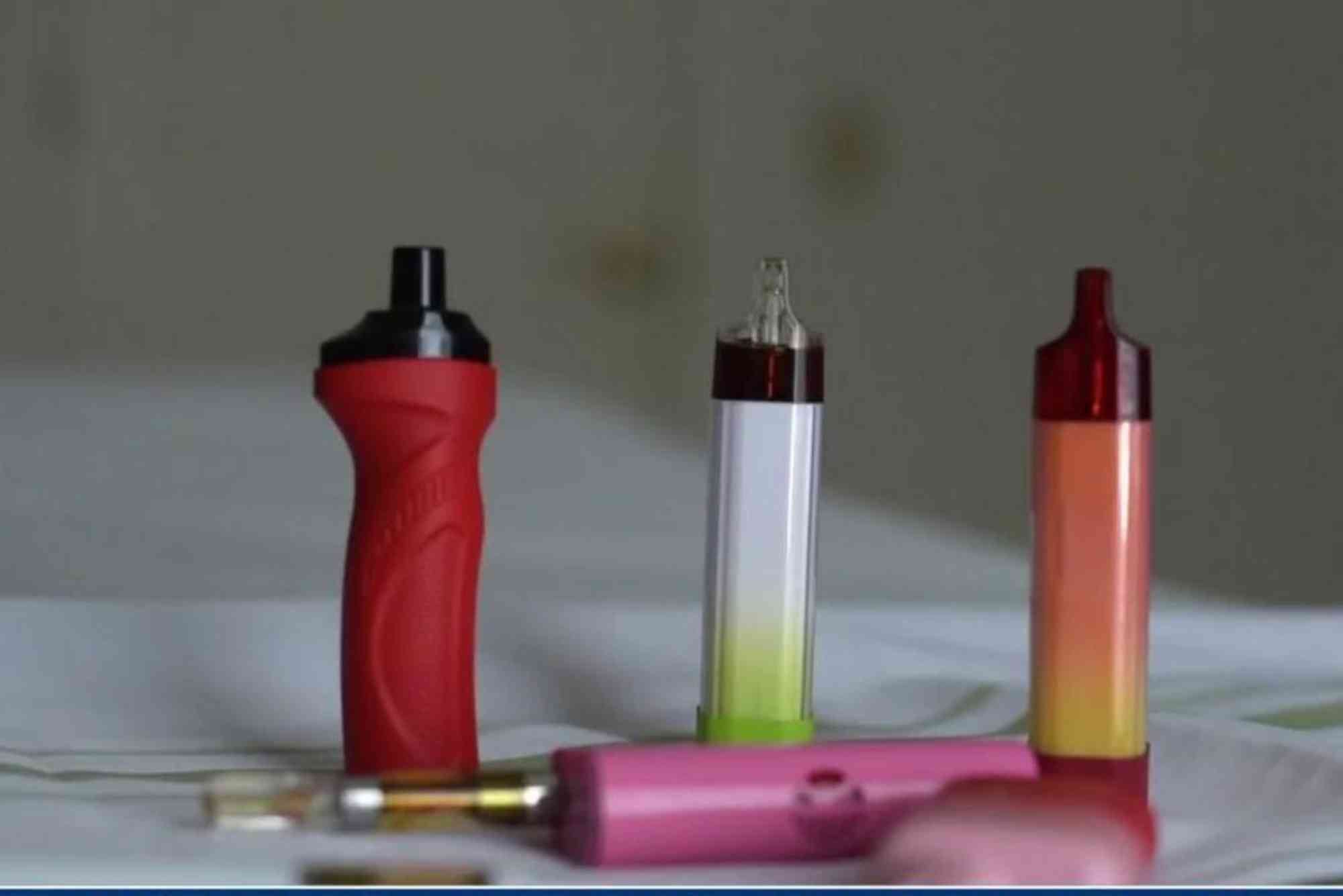
Don’t Fall for It: NSW Vape Laws and the Truth About Vaping
Vaping has exploded in popularity, especially among young people. But with growth often comes confusion — especially when laws and health facts blur together. Don’t Fall for It: NSW vape laws and the Truth About Vaping cuts through the noise. This essential guide clarifies what the law really says in New South Wales (NSW), and uncovers the real health facts behind vaping that too many people overlook.
Understanding both the legal framework and the health impacts is critical. Many myths circulate online and in conversations. Sadly, some of these myths lead people to underestimate risks or believe misinformation. This article empowers you with facts grounded in government policy and reputable research.
What Are the NSW Vape Laws?
NSW has taken a firm stance on vaping and nicotine products. While vaping isn’t wholly banned, the regulatory system is strict.
Legal Age and Sale Restrictions
You must be 18 or older to buy or use vapes in NSW. Retailers face hefty penalties if they sell vaping products to minors. These laws aim to protect youth — a group often targeted by marketing.
In addition, there are rules governing where vaping products can be displayed and sold.
Nicotine: Highly Regulated
In NSW, nicotine itself is illegal to sell for use in vaping without a prescription. Many people mistakenly think vaping is “legal and free for all,” but that’s not the case. Nicotine accessories and refills fall under tight controls.
For more details about these legal frameworks, visit the NSW Government — e-cigarette and nicotine rules page.
Public Use Restrictions
Vaping is not permitted everywhere. In many public areas, vape use follows the same restrictions as smoking. Laws increasingly include indoor areas, transport hubs, and workplaces.
This means you can face fines if you vape in spaces where smoking is already prohibited.
Online Sales and Cross‑Border Issues
Buying vapes online doesn’t bypass the law. Imported nicotine products are still regulated. Customs can seize items that don’t comply with Australian standards. This creates risks for people who order from overseas.
By setting clear boundaries, NSW aims to prevent harmful products from reaching consumers.
The Truth About Vaping and Your Health
The legalities matter — but so do health impacts. Understanding the truth behind vaping is vital for anyone considering it.
Is Vaping Safe?
Many people assume vaping is harmless. Others believe it’s much safer than smoking cigarettes. Both statements oversimplify reality.
While vaping may expose users to fewer toxic chemicals than traditional cigarettes, it’s not risk‑free. The aerosol from vapes contains chemicals that can irritate the lungs and airways. Long‑term effects are still being studied, and emerging research shows cause for concern.
Nicotine Addiction
Nicotine is highly addictive. Even products marketed as “milder” can deliver substantial amounts of nicotine. Young people and non‑smokers are especially vulnerable to addiction.
Addiction can change brain chemistry, particularly in adolescents. This makes quitting harder and can affect attention, mood, and learning.
Impacts on Lung Health
Though initially marketed as a “clean” alternative, vaping can harm respiratory health. Reports have linked certain vape chemicals to lung irritation and inflammation. Some individuals have developed serious lung injuries connected to vaping — especially when using unregulated products.
Inhaling substances into the lungs is not a neutral act. Even if it feels smoother than smoking, the internal impact still matters.
Flavorings and Hidden Chemicals
Flavorings that seem harmless — like fruit or candy — may mask harmful substances. Many vape liquids contain compounds that haven’t been fully tested for inhalation safety.
Users can unknowingly expose themselves to chemicals that behave differently when heated and inhaled.
Debunking Common Vape Myths
Misinformation runs rampant. Let’s untangle fact from fiction.
Myth: Vaping Is Just Water Vapor
Reality: Vape aerosol is a complex mix of chemicals, not just water. It can contain nicotine, flavoring agents, and other substances.
Myth: Smoking Is Worse — So Vaping Is Okay
Reality: While smoking cigarettes is extremely harmful, replacing one risky behavior with another isn’t a health solution. Vaping carries its own set of risks that shouldn’t be ignored.
Myth: Vapes Don’t Cause Addiction
Reality: The vast majority of effective vaping products contain nicotine, a substance known for creating dependence.
Myth: All Vapes Are the Same
Reality: Regulation matters. Products made in unregulated environments can vary widely in quality and safety.
Believing these myths can lead people — especially the young — to underestimate real dangers.
Why Laws Matter: Protecting Youth and Public Health
Regulations aren’t arbitrary. They exist to protect individuals and communities.
Preventing Youth Nicotine Use
Teenagers and young adults are the fastest‑growing demographic for vaping. Flavored products, sleek designs, and social pressure contribute to experimentation.
By enforcing age limits and restricting access, NSW aims to reduce the likelihood that young people will develop nicotine addiction.
Stopping Unregulated Products
Every year, millions of products enter markets without safety checks. Some contain toxic additives or poorly manufactured parts. Laws help ensure that what’s available to consumers meets safety standards.
Reducing Public Exposure
Just as secondhand smoke affects bystanders, vape aerosol may carry risks for others. Public use restrictions help limit unnecessary exposure in shared spaces.
Supporting Smoking Cessation
For adult smokers already addicted to nicotine, vaping has been proposed as a possible harm‑reduction tool. However, authorities emphasize that people who don’t already smoke have no health benefit from starting.
Policies reflect nuanced health goals: discouraging initiation but potentially allowing regulated use by adult smokers trying to quit.
Real Stories: Why Understanding Matters
To illustrate how misinformation can harm, consider real‑world examples:
Case 1: A Teen Who “Only Vaped”
Jamie, a high school student, began vaping because classmates said it was “just water vapor.” Soon, Jamie felt dependent on nicotine and struggled to quit. What seemed harmless became a hard habit that affected focus and mood.
Case 2: A Young Adult Misled by Online Claims
Maya believed vaping was completely safe because she saw influencers promote it. After using unregulated products, she experienced ongoing coughing and respiratory discomfort. A doctor later explained the risks linked to several vape chemicals — something she had never understood.
These stories aren’t rare. They highlight why accurate information and sensible laws are crucial.
Tips for Staying Informed and Safe
With so much conflicting messaging, how do you stay grounded?
Rely on Credible Sources
Government health departments, medical organizations, and peer‑reviewed research are trustworthy. Avoid relying on social media opinions alone.
Understand the Law
Knowing what’s legal helps you avoid fines and health risks. NSW has clear regulations, and understanding them empowers responsible choices.
Talk to Health Professionals
If you’re unsure about vaping or nicotine, speak with a doctor or trained health worker. They can explain risks based on your personal health.
Avoid Unregulated Products
Products from unofficial sources may be unsafe. Stick with regulated options and understand what’s in them.
Know the Facts — Don’t Fall for It
Vaping and nicotine use remain complex topics. Don’t Fall for It: NSW vape laws and the Truth About Vaping isn’t just a catchy title — it’s a warning. Myths, marketing, and misunderstandings distort reality. Knowing what the law actually says and what science reveals about health helps you make informed decisions.
Vaping isn’t risk‑free, and NSW has policies designed to protect both individuals and the broader community. Whether you’re a parent, a teen, an adult smoker considering alternatives, or simply a concerned citizen, understanding the truth equips you to navigate this landscape wisely.
The Vape Law Dec 2018 brought significant changes to vaping regulations, aiming to protect public health while allowing responsible use. Many myths surround vaping, but understanding the truth helps users make informed choices. From restrictions on sales to safety standards, the law reshaped the vaping landscape. Learn more about the regulations and facts behind vaping by exploring this essential guide: Vape law dec 2018 and the Truth About Vaping.
FAQ
Is it legal to buy vapes in NSW?
In NSW, you must be 18 or older to buy vaping products. Nicotine‑containing vape liquids are heavily regulated and generally require prescriptions.
Can I vape anywhere in NSW?
No. Vaping is banned in many public areas where smoking is already prohibited. Always check local rules before vaping.
Is vaping completely safe?
No. Vaping carries health risks, especially related to inhalation of chemicals and nicotine addiction.
Does vaping help smokers quit?
Some adults use vaping as a cessation tool, but it is not risk‑free. It’s best to consult healthcare professionals for quitting methods.
Are flavored vapes illegal in NSW?
Flavored products are regulated, and many face restrictions to limit youth appeal.
Discover the latest in premium vaping products and accessories at VaporCrafts. From advanced vape kits to e-liquids and starter packs, VaporCrafts offers quality, innovation, and safety for all vaping enthusiasts. Explore our wide selection today and elevate your vaping experience with trusted products and fast shipping. Visit our homepage now to find your perfect vape solution!