Introduction
U.S. vape legislation has entered an important new phase in 2026. Federal regulators are strengthening enforcement, reviewing existing regulatory procedures, and addressing the growing market for unauthorized vaping products. At the same time, individual states continue introducing their own restrictions on flavored e-cigarettes, nicotine content, retail sales, and disposable vaping devices. These developments are changing how manufacturers, distributors, retailers, and consumers approach the vaping industry.
Understanding U.S. vape legislation is particularly important for businesses operating in this highly regulated market. A product that appears on store shelves does not automatically meet federal requirements. Similarly, compliance with federal regulations does not necessarily mean a business satisfies every state or local requirement.
The regulatory environment is also evolving as the Food and Drug Administration (FDA) considers improvements to its existing approval framework. These developments make 2026 a significant year for the future of vaping in America.
This guide examines the current position of U.S. vape legislation, explains the most important federal and state requirements, and explores what businesses should expect as regulations continue developing.
Understanding U.S. Vape Legislation in 2026
U.S. vape legislation operates through several layers of government authority. Federal regulations establish nationwide requirements, while state and local governments can introduce additional restrictions within their jurisdictions.
The FDA plays a central role in regulating electronic nicotine delivery systems (ENDS). Its responsibilities cover manufacturing, importing, packaging, labeling, advertising, marketing, distribution, and retail sales.
The agency evaluates vaping products before they can legally enter the American market. Manufacturers generally need to obtain marketing authorization through the Premarket Tobacco Product Application (PMTA) pathway.
However, receiving authorization is not simply a matter of submitting paperwork. Companies must provide scientific evidence demonstrating that marketing their products would be appropriate for the protection of public health.
U.S. vape legislation therefore focuses on balancing potential benefits for adult smokers against risks to young people and individuals who do not currently use tobacco.
Why 2026 Is an Important Year
Several developments have made 2026 particularly significant for the vaping industry.
The FDA has continued authorizing selected e-cigarette products while maintaining enforcement against unauthorized products. It has also announced plans to evaluate changes to its PMTA regulatory framework.
Meanwhile, states are continuing to introduce restrictions addressing flavored products, nicotine concentrations, disposable devices, and retail distribution.
These developments demonstrate that U.S. vape legislation is not moving toward a single nationwide solution. Instead, the regulatory system continues evolving through federal decisions, state legislation, enforcement actions, and legal challenges.
Federal Vape Regulations: What the FDA Requires
Federal regulation remains the foundation of U.S. vape legislation. The FDA has authority over tobacco-derived and certain other nicotine products that fall within its regulatory jurisdiction.
Manufacturers must understand that authorization is required before a new tobacco product can legally be marketed in the United States.
FDA Marketing Authorization and the PMTA Process
The Premarket Tobacco Product Application process is one of the most important elements of U.S. vape legislation.
Through this process, manufacturers submit information about their products, ingredients, manufacturing processes, and potential health effects.
The FDA evaluates whether allowing a product to be marketed would be appropriate for protecting public health. This assessment considers both individual consumers and the wider population.
A pending application does not automatically give a manufacturer permission to sell its product.
The FDA has repeatedly emphasized that products without the required marketing authorization remain subject to enforcement action.
For manufacturers, this means regulatory planning must begin before launching a new device, e-liquid, or replacement cartridge.
FDA-Authorized Vapes in 2026
The FDA’s authorized e-cigarette list provides an important indication of how selective the American regulatory market has become.
As of November 15, 2026, the FDA lists 48 authorized e-cigarettes. These products come from five manufacturers: Glas, JUUL, Logic, NJOY, and R.J. Reynolds Vapor Company.
The list includes selected tobacco and menthol products, alongside two Glas pods with Gold and Sapphire flavors.
This does not mean every product from these manufacturers is automatically authorized. Marketing authorization applies to specific products, configurations, and applicable variations.
It is also important to understand that FDA marketing authorization does not mean a product is completely safe or FDA-approved as a medical treatment.
Consumers and retailers should check the agency’s official list before assuming a particular device or flavor is legally marketable.
FDA Enforcement Against Unauthorized Products
Unauthorized products remain a major enforcement priority in 2026.
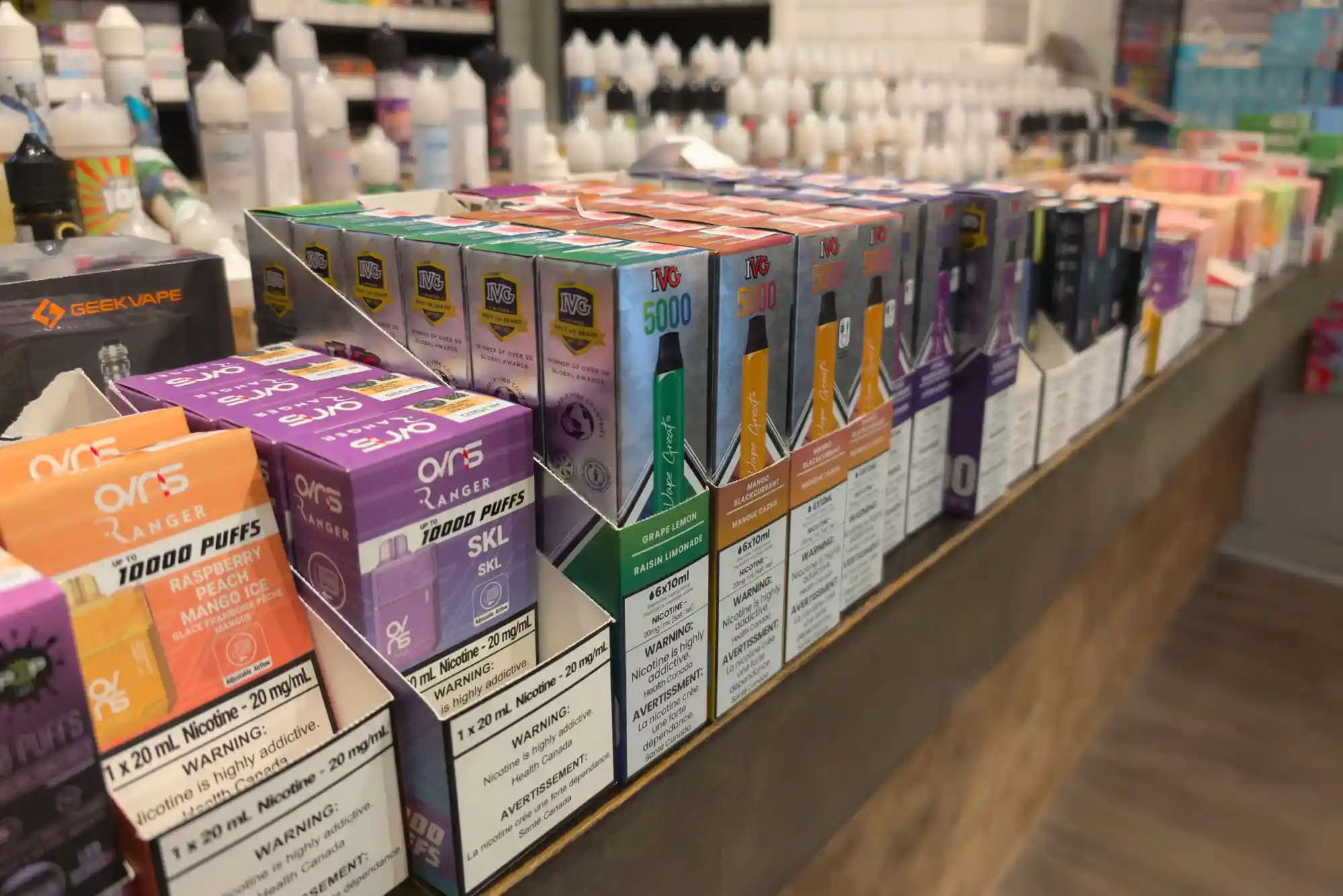
The FDA is targeting products that enter the market without the required premarket authorization. Particular attention is given to products associated with youth appeal, counterfeit labeling, misleading import declarations, and unlawful distribution.
On May 8, 2026, the FDA issued guidance explaining its enforcement priorities for unauthorized e-cigarettes and nicotine pouch products.
The agency also highlighted cooperation with federal partners, including Customs and Border Protection and the Department of Justice, to address unlawful imports and distribution.
These efforts demonstrate that U.S. vape legislation is increasingly focused on controlling the supply chain rather than relying exclusively on retail inspections.
Major Changes in U.S. Vape Legislation During 2026
The regulatory landscape has experienced several important developments throughout the year.
FDA Reviews Its Existing PMTA Framework
One of the most significant announcements came on September 28, 2026.
The FDA announced that it intended to evaluate changes to the Premarket Tobacco Product Application framework. The agency acknowledged concerns involving the existing regulatory system, the development of an illicit market, and the speed of new product introductions.
It also indicated that new rulemaking could replace the current framework.
However, this announcement does not mean existing PMTA requirements have disappeared.
The FDA confirmed that it would continue processing applications and issuing regulatory decisions under the statutory requirements established by Congress.
For manufacturers, this creates an important distinction: regulatory reform is under consideration, but existing legal obligations remain applicable until changes are formally adopted.
New FDA Authorizations
The FDA authorized three additional JUUL2 products on August 28, 2026.
These included the JUUL2 device and selected tobacco and menthol pods.
This decision demonstrated that the authorization process remains active, even as the agency considers broader changes to its regulatory approach.
It also reinforced the importance of product-specific authorization. A manufacturer’s existing authorization does not automatically cover every new product it introduces.
Continued Focus on Illegal Imports
Unauthorized imported vaping products remain another major concern.
The FDA has emphasized enforcement against products that enter the United States without satisfying federal marketing requirements.
Manufacturers and importers must understand that foreign manufacturing approval or compliance with another country’s regulations does not replace FDA authorization.
Businesses should also maintain accurate product descriptions, import documentation, and supplier records.
State-Level Vape Laws: Why Regulations Differ Across America
Federal requirements apply throughout the United States, but states have considerable authority to introduce additional restrictions.
This makes state-level compliance an essential part of understanding U.S. vape legislation.
The Public Health Law Center provides a useful resource called the U.S. e-cigarette regulation policy tracker.
Its maps cover topics such as taxation, packaging, youth access, retail restrictions, and licensing across states and territories.
Importantly, its published maps reflect a June 15, 2025 snapshot. Businesses should therefore verify newer legislative developments through current state statutes and regulatory authorities rather than treating that dataset as a complete November 2026 update.
Flavored Vape Restrictions
Flavored vaping products remain a major subject of state-level legislative activity.
Several jurisdictions have introduced restrictions targeting products with flavors such as fruit, candy, mint, and menthol.
As of October 26, 2026, six states had enacted flavored tobacco restrictions identified in a major tobacco company’s regulatory disclosure: California, Massachusetts, New Jersey, New York, Rhode Island, and Utah. Washington, D.C., had also adopted restrictions.
However, the exact scope differs between jurisdictions.
Some laws contain exceptions for particular FDA-authorized products or apply different rules to specific tobacco categories.
Retailers should never assume that a flavor permitted in one state can automatically be sold in another.
Nicotine Concentration Restrictions
Nicotine concentration is another developing area of U.S. vape legislation.
Some states are introducing requirements that limit the nicotine content permitted in certain e-vapor products.
By October 2026, Indiana, Massachusetts, and Utah had enacted legislation capping nicotine concentrations in e-vapor products.
Such restrictions can affect product formulation, packaging, manufacturing decisions, and distribution strategies.
Businesses operating across multiple states should review applicable nicotine limits before distributing their products.
Disposable Vape Restrictions
Disposable vaping devices have attracted increasing legislative attention.
In September 2026, California enacted legislation prohibiting the manufacture and import of single-use, battery-powered e-vapor products beginning January 2027. Retail sales restrictions are scheduled to take effect in January 2028.
These future implementation dates are important for businesses planning inventory and distribution.
Companies selling disposable devices should monitor the legislation closely and prepare for changes before the effective dates arrive.
Age Restrictions and Retail Sales Requirements
Youth access prevention remains a central objective of U.S. vape legislation.
The federal Tobacco 21 law established 21 as the minimum legal age for purchasing tobacco products, including e-cigarettes.
Retailers must follow age-verification requirements and cannot legally sell vaping products to customers under 21.
The FDA also requires retailers to check identification for customers under 30 attempting to purchase tobacco products.
Other important retail requirements include restrictions on vending-machine sales in locations where people under 21 are present or permitted to enter.
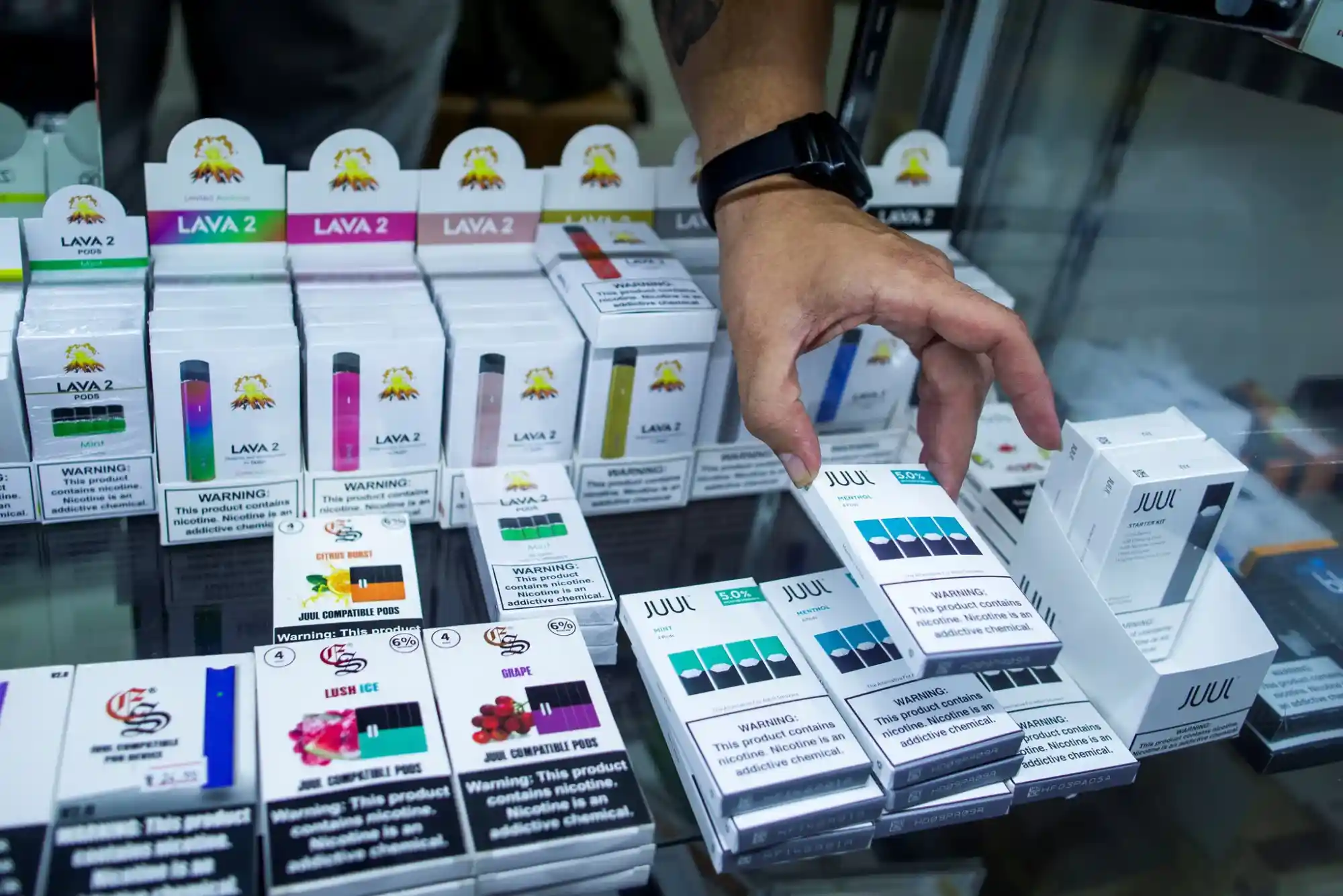
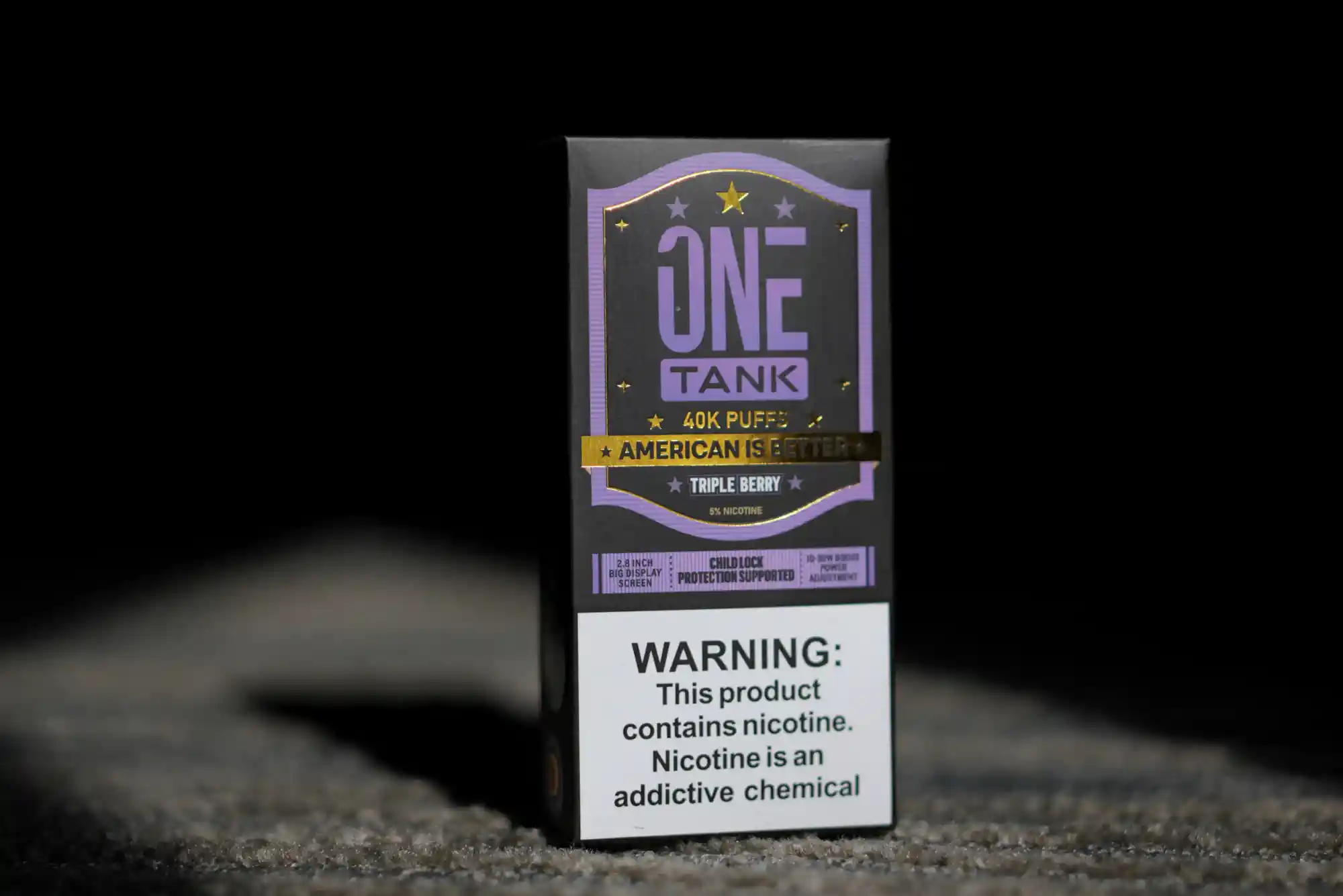
Retailers must also follow federal packaging and health-warning requirements.
State and local authorities may introduce additional licensing, recordkeeping, and retail compliance obligations.
For vape shops, understanding these requirements is essential because violations can result in warning letters, penalties, product seizures, and other enforcement consequences.
Shipping, Online Sales, and Distribution Rules
Online vape sales are subject to additional federal requirements.
The Preventing Online Sales of E-Cigarettes to Children Act and amendments to the Prevent All Cigarette Trafficking (PACT) Act introduced important restrictions on the distribution of vaping products.
Businesses involved in interstate delivery sales must understand their registration, reporting, age-verification, and tax responsibilities.
The PACT Act generally requires sellers shipping ENDS products across state lines to register with the appropriate authorities and comply with relevant state and local requirements.
The law also prohibits the United States Postal Service from mailing vaping products, subject to limited statutory exceptions.
Private delivery companies may impose their own restrictions.
These rules make online vape distribution more complicated than ordinary e-commerce. Businesses must evaluate both the destination state’s laws and applicable federal shipping requirements before accepting orders.
What U.S. Vape Legislation Means for Manufacturers and Retailers
The changing regulatory environment creates significant responsibilities for businesses throughout the vaping supply chain.
Manufacturers need to understand the PMTA process, maintain product documentation, and ensure that their products have the required authorization.
Importers must verify that products entering the country meet applicable federal requirements. They should also maintain reliable supplier documentation and monitor changes in import enforcement.
Retailers face a different set of challenges. They must verify product authorization, check customer identification, understand state flavor restrictions, and maintain required licenses.
Distributors must consider the requirements of every jurisdiction in which they operate.
For smaller businesses, these responsibilities can become particularly challenging because regulatory requirements differ across locations and product categories.
A practical compliance strategy should include regular reviews of FDA announcements, state legislative updates, supplier records, and product authorization status.
Businesses should also establish procedures for removing products from sale when their legal status changes.
The Future of U.S. Vape Legislation Beyond 2026
The direction of U.S. vape legislation will depend on several important developments.
The FDA’s proposed evaluation of the PMTA framework could influence how manufacturers prepare applications and bring products to market.
However, any changes must proceed through the applicable legal and administrative processes.
State governments are also likely to remain active in regulating flavored products, nicotine concentrations, disposable devices, and retail distribution.
Another important issue is the relationship between federal authorization and state-level restrictions.
A product receiving FDA authorization does not necessarily eliminate every state or local restriction that may apply to its sale.
Businesses should therefore avoid relying on a single federal compliance check when developing national distribution strategies.
The industry will also need to respond to enforcement against unauthorized products and increasing attention to youth access.
For companies planning long-term growth, regulatory awareness will become an essential part of commercial decision-making.
For a broader historical perspective, readers can explore The Timeline of Vape Legislation in the U.S., which provides additional context about how American vaping regulations developed over time.
Staying Ahead of U.S. Vape Legislation
U.S. vape legislation in 2026 reflects a regulatory environment that continues to evolve. Federal authorization requirements, state-level restrictions, enforcement against unauthorized products, and proposed PMTA reforms are shaping the industry’s future.
For manufacturers, distributors, and retailers, understanding these changes is essential for maintaining compliance and avoiding unnecessary business risks.
The most important step is to monitor official regulatory updates instead of relying on outdated information or assumptions about product legality.
Whether you operate a vape shop, distribute vaping products, or follow developments in the American vaping market, staying informed can help you make better decisions.
Visit vaporcrafts for more information, industry insights, and updates about vaping regulations and developments. Stay informed, review your compliance responsibilities, and follow regulatory changes to prepare your business for what comes next.
FAQs
Are vapes legal in the United States in 2026?
Yes, vaping products are legal in the United States when they satisfy applicable federal, state, and local requirements. However, products must have the required FDA marketing authorization to be legally marketed. Additional restrictions may apply depending on the jurisdiction.
What is the legal age to buy vapes in the United States?
The federal minimum age for purchasing vaping products is 21. Retailers cannot legally sell e-cigarettes or other covered tobacco products to individuals under this age.
Does the FDA approve all vape products?
No. The FDA does not authorize every vaping product submitted by manufacturers. Companies generally need to obtain marketing authorization through the PMTA process before legally marketing a new tobacco product. Authorization does not mean that a product is completely safe.
Are flavored vapes banned in the United States?
There is no single nationwide prohibition covering every flavored vape product. However, several states and Washington, D.C., have enacted restrictions on flavored tobacco products. The specific rules and exceptions depend on the jurisdiction and product.
Can vape shops sell unauthorized products?
No. Vape shops cannot legally sell e-cigarettes that lack the required FDA marketing authorization. Products without authorization may be subject to enforcement action, even when retailers have obtained them through established suppliers.
What is the PMTA requirement for vape manufacturers?
PMTA stands for Premarket Tobacco Product Application. It is the FDA’s regulatory pathway for evaluating new tobacco products before they can legally be marketed. Manufacturers must provide scientific and product-related evidence demonstrating that marketing their products would be appropriate for the protection of public health.
Can vaping products be shipped across state lines?
Interstate shipping is subject to federal and state requirements. The PACT Act establishes registration, reporting, age-verification, and other obligations for covered delivery sales. USPS generally cannot mail vaping products, subject to limited exceptions.
Will vape regulations become stricter in 2027?
Further regulatory changes are possible, but their final scope and timing remain uncertain. Existing state laws, future implementation dates, FDA rulemaking, and enforcement priorities will influence the market. Businesses should monitor official announcements rather than assume that proposed changes have already become law.