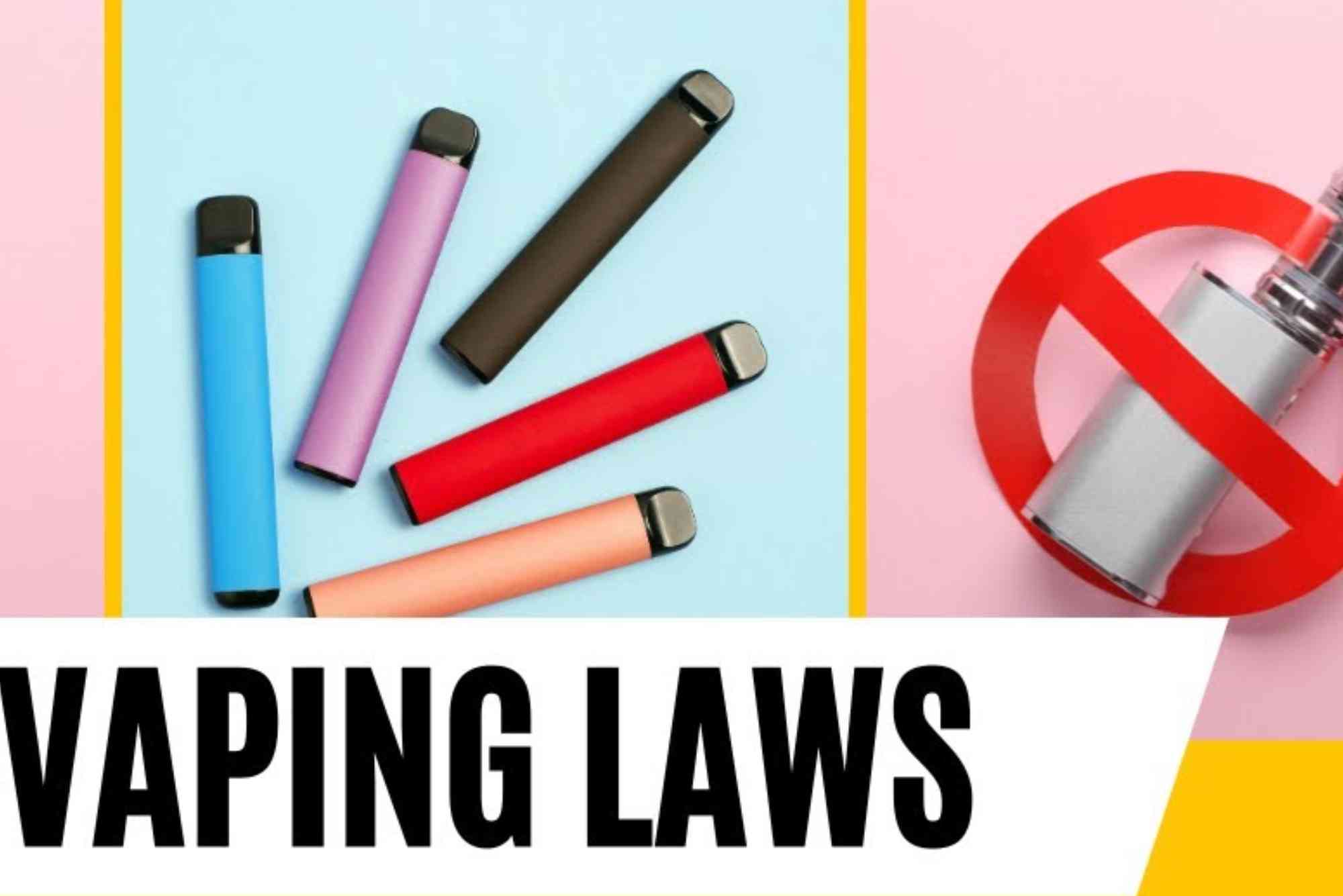
Introduction
The world of vaping has grown rapidly over the past decade, bringing with it both innovation and controversy. Many people assume vaping is a safe alternative to smoking, but misconceptions abound. Understanding the Vape law Dec 2018 and the realities of vaping is essential for anyone navigating this complex landscape. The law, regulations, and scientific evidence all contribute to how vaping is perceived and how it should be responsibly used.
Understanding Vape Law Dec 2018
In December 2018, the UK introduced a set of regulations that transformed the vaping industry. These laws aimed to regulate safety standards, marketing, and product content to protect consumers, particularly minors, while still allowing adult smokers to access alternatives.
Key Points of the Regulation
The December 2018 legislation primarily focused on the quality and safety of vape products. Restrictions included limits on nicotine concentrations, which were capped at 20 mg/ml, and rules about the maximum size of refill containers. This meant that large, unregulated bottles of e-liquid could no longer be sold legally, ensuring consumers could use these products safely without risk of accidental overdose.
Additionally, the legislation introduced strict labeling requirements. Every vape product had to display nicotine content, health warnings, and clear instructions for use. These measures were designed to protect users while allowing them to make informed decisions.
Marketing and Access Restrictions
The law also addressed how vape products could be advertised and sold. Marketing targeting young people was banned, including promotional materials on social media, television, and print aimed at underage audiences. Retailers were required to check the age of customers, creating a more controlled environment for vape sales.
This legal framework not only aimed to prevent youth uptake but also helped legitimize vaping as a controlled alternative to traditional cigarettes. It is a common misconception that vaping is entirely unregulated; in reality, these laws have created a safer and more structured marketplace.
The Truth About Vaping
Despite regulation, many myths about vaping continue to circulate. Some argue it is a harmless activity, while others claim it is just as dangerous as smoking. The truth lies somewhere in between.
Health Impacts Compared to Smoking
Research shows that vaping is significantly less harmful than smoking combustible cigarettes. Traditional cigarettes contain thousands of toxic chemicals that cause cancer, lung disease, and cardiovascular problems. Vaping eliminates most of these toxins by delivering nicotine through vapor rather than smoke.
However, vaping is not risk-free. Nicotine remains addictive and can affect heart rate, blood pressure, and brain development, especially in young adults. Moreover, the long-term effects of inhaling some flavoring chemicals are still under investigation. Therefore, understanding these risks is crucial before starting or continuing vaping.
Debunking Common Myths
Several misconceptions contribute to confusion about vaping. One prevalent myth is that vaping can cure smoking addiction entirely. While it can help smokers reduce cigarette use or quit altogether, it is not a guaranteed solution. Success depends on motivation, support, and using the right products.
Another myth is that nicotine-free vapes are completely safe. Even without nicotine, inhaling vaporized chemicals can irritate the lungs and airways. Users should remain cautious and informed, even when using supposedly “safe” alternatives.
Regulatory Importance
The Vape law Dec 2018 illustrates how regulation can guide safer practices. Without proper oversight, the market could be flooded with low-quality products, misleading claims, and dangerous substances. This legislation serves as a model for balancing consumer safety with access to alternatives for smokers.
Why Compliance Matters
For retailers and consumers, adhering to legal standards is vital. Retailers who ignore regulations risk fines, loss of licenses, and reputational damage. For users, compliance ensures products meet quality and safety benchmarks, reducing the risk of harm.
Moreover, understanding the law allows consumers to distinguish credible brands from unsafe options. Being informed prevents falling victim to misleading marketing or dangerous products, which is a common problem in unregulated markets.
Vaping as a Harm Reduction Tool
Harm reduction is a central theme in the vaping debate. While quitting nicotine entirely is the healthiest option, switching from combustible cigarettes to regulated vape products can significantly reduce exposure to harmful chemicals.
Practical Guidance for Users
Users should choose products that comply with regulatory standards and avoid homemade or unverified e-liquids. Proper storage, usage, and disposal are also essential for safety. For example, keeping vape liquids out of reach of children and avoiding direct skin contact can prevent accidents.
Education about the law and product safety empowers users to make informed choices. Knowledge of UK Legislation Archive — December 2018 regulations helps consumers understand what is legal, safe, and responsible.
Challenges in the Vaping Industry
Despite regulation, challenges persist. Unregulated black-market products, misinformation online, and conflicting research findings create confusion. Policymakers, health professionals, and consumers must collaborate to address these issues.
Youth Vaping Concerns
One of the biggest challenges remains preventing youth uptake. Despite marketing restrictions, underage vaping has been reported in several studies. Education programs, parental guidance, and strict age verification at purchase points are critical strategies to mitigate this risk.
Misinformation and Public Perception
Misinformation spreads rapidly, often exaggerating risks or downplaying harm. Consumers may avoid vaping entirely due to fear, even when switching from smoking could provide health benefits. Reliable information from trusted sources, combined with awareness of regulations, helps counter these narratives.
Make Informed Decisions
Understanding the Vape law Dec 2018 and the truth about vaping is vital for making informed decisions. Vaping is not risk-free, but it can serve as a safer alternative to smoking when products are used responsibly. Regulation ensures safety, limits exposure to harmful chemicals, and protects vulnerable populations, including minors.
Before starting or continuing vaping, users should research products, understand legal requirements, and consider potential health impacts. Avoiding myths, adhering to regulations, and staying informed are key to responsible usage.
Vaping should be approached thoughtfully, using it as a harm reduction tool rather than a risk-free habit. Knowledge, compliance, and awareness are the best ways to safeguard your health while navigating the complex vaping landscape.
If you want to explore legal standards and learn more about regulated vaping products, the UK legislation archive provides official documentation on December 2018 regulations, offering clarity for both users and businesses.
Vaping has become increasingly popular, yet many people remain unaware of the negative health effects of vaping and the truth about vaping. Research shows that inhaling vapor can still expose users to harmful chemicals, impact lung function, and contribute to long‑term health risks. To understand the real dangers and separate myths from facts, read more here:
FAQ
What does the Vape law Dec 2018 cover?
The law regulates nicotine limits, labeling, marketing, and container sizes, ensuring consumer safety and limiting youth access.
Is vaping completely safe?
No. Vaping is less harmful than smoking but still carries risks, particularly from nicotine addiction and inhaled chemicals.
Can vaping help quit smoking?
Yes, vaping can be a tool for harm reduction. Success depends on motivation, product choice, and support systems.
Are nicotine-free vapes safe?
Nicotine-free vapes reduce addiction risk but can still irritate lungs due to chemicals in flavorings.
Why is understanding regulations important?
Knowledge of laws ensures product safety, prevents legal issues, and helps consumers avoid unsafe or counterfeit products.
How does vaping impact youth?
Vaping among minors can affect brain development, increase addiction risk, and expose them to harmful chemicals.
Discover the latest in vaping products, accessories, and e-liquids at VaporCrafts. Whether you’re a beginner or a seasoned vaper, VaporCrafts offers high-quality options to enhance your vaping experience. Explore their full range and stay ahead in the vaping world by visiting their homepage here.