Introduction
The U.S. tobacco industry operates under strict regulatory requirements, particularly for electronic nicotine delivery systems, e-cigarettes, and other newly introduced tobacco products. For manufacturers seeking to sell these products legally in the United States, understanding the Premarket Tobacco Product Application (PMTA) process is essential. The PMTA process determines whether a new tobacco product can be marketed under the Federal Food, Drug, and Cosmetic Act.
The Food and Drug Administration (FDA) evaluates scientific evidence, manufacturing practices, product design, and potential public health effects before deciding whether a product meets the applicable legal standard. This process can be demanding, especially for businesses developing innovative vaping products or entering the U.S. market for the first time.
Understanding the PMTA process helps manufacturers plan their regulatory strategy, organize technical documentation, and avoid costly mistakes. This guide explains the application requirements, scientific evaluation, review stages, common challenges, and practical steps businesses can take to prepare a stronger submission.
What Is the PMTA Process?
The PMTA process is the FDA’s premarket review pathway for new tobacco products under Section 910 of the Federal Food, Drug, and Cosmetic Act. A manufacturer generally must receive a marketing granted order before legally marketing a new tobacco product in the United States, unless another applicable legal pathway or exception applies.
PMTA stands for Premarket Tobacco Product Application. The application provides the FDA with evidence about the product’s ingredients, design, manufacturing, health effects, and expected impact on the population.
The FDA does not approve a product simply because it meets manufacturing specifications or appears similar to an existing product. Instead, the agency evaluates whether permitting the product to be marketed would be appropriate for the protection of public health.

Why Is PMTA Important for Vape Manufacturers?
The PMTA process is particularly important for vape manufacturers because electronic nicotine delivery systems can vary considerably in their hardware, e-liquid composition, nicotine delivery, and flavor characteristics.
A manufacturer may need to provide evidence addressing toxicology, aerosol chemistry, product stability, and the potential effects on both existing tobacco users and people who do not currently use tobacco. The FDA also considers the risks and benefits to the population as a whole, including the likelihood that people who do not use tobacco will start using the product.
A marketing granted order is product-specific. It does not automatically authorize every product in a company’s portfolio, and changes to ingredients, formulation, design, or other characteristics may require a separate regulatory assessment.
Who Needs to Submit a PMTA?
Manufacturers seeking to market a new tobacco product in the United States may need to submit a PMTA before commercial distribution. The requirement can apply to manufacturers of e-cigarettes, vape devices, e-liquids, nicotine-containing products, and other products regulated as tobacco products.
Whether a product requires a PMTA depends on its legal classification, whether it qualifies as a new tobacco product, and the applicable statutory and regulatory requirements.
New Products and Modified Products
A new tobacco product is generally one that was not commercially marketed in the United States as of February 15, 2007, or that was modified after that date in a way that brings it within the statutory definition.
A change in flavor, nicotine concentration, device hardware, heating mechanism, or formulation can raise regulatory questions. However, not every modification automatically requires a new PMTA. The specific facts and applicable FDA requirements must be assessed.
Businesses should therefore evaluate regulatory obligations before investing in large-scale production or launching a new product.
Domestic and International Manufacturers
Companies based outside the United States are not automatically exempt from FDA tobacco regulations. Foreign manufacturers intending to supply products to the U.S. market must consider the same applicable premarket requirements, along with import, manufacturing, and other relevant obligations.
Importers, distributors, and retailers should also verify that the products they handle have the required marketing authorization and comply with applicable restrictions. A supplier’s claim that a product is compliant is not, by itself, proof of authorization.
What Information Does a PMTA Require?
A complete PMTA must contain sufficient information for the FDA to evaluate the product and determine whether marketing it would be appropriate for the protection of public health. The exact evidence needed depends on the product and the questions raised by its design, ingredients, and intended use.
Product Description and Ingredients
Manufacturers should provide a clear description of the product, including its components, materials, design specifications, and operating characteristics. For e-liquids, relevant information may include nicotine concentration, flavoring substances, solvents, and other ingredients.
The application should explain how the product functions and identify the characteristics that could affect consumer exposure or health outcomes. Accurate product specifications help the FDA understand precisely what is being evaluated.
Manufacturing and Quality Controls
Manufacturing documentation should explain how the product is produced and how consistency is maintained between batches. This may include information about suppliers, production procedures, quality assurance, testing methods, and controls for contamination or defects.
Quality systems are particularly relevant when small differences in ingredients or device performance could affect the aerosol produced during use. Manufacturers should retain records that allow them to trace materials, investigate deviations, and demonstrate consistent production.
Scientific and Health Evidence
Scientific evidence is a central component of the PMTA process. Depending on the product, supporting data may include chemical analyses, toxicological assessments, aerosol emissions testing, stability studies, and other laboratory investigations.
Human studies, behavioral research, or other evidence may also be relevant when necessary to evaluate product use, nicotine exposure, dependence potential, or changes in tobacco-use patterns.
The FDA considers the totality of the evidence rather than relying on a single test. Manufacturers should explain their methods, results, limitations, and the reasoning behind their conclusions.
Population Health Impact
The FDA’s review goes beyond the health effects experienced by an individual adult consumer. It considers the potential benefits and risks to the population as a whole.
Relevant issues may include whether adult smokers might switch completely from combustible cigarettes, whether existing users might increase their tobacco consumption, and whether people who do not use tobacco could initiate use.
Youth initiation is an important consideration, particularly for flavored products and products with features that may appeal to younger audiences. Applications should address the relevant risks using credible evidence rather than unsupported marketing claims.
How Does the PMTA Process Work?
Understanding the PMTA process is easier when its main stages are considered separately. However, the precise review sequence, timing, and requests for additional information can vary by application.
Step 1: Determine the Regulatory Pathway
Before preparing a submission, a company should establish whether its product is regulated as a tobacco product and identify the applicable premarket pathway.
This assessment should consider product classification, marketing history, formulation, design, and any existing FDA orders. Regulatory specialists can help determine which requirements apply and whether a new PMTA is necessary.
Step 2: Develop a Scientific Testing Plan
After confirming the applicable pathway, manufacturers should identify the evidence needed to characterize the product and address potential public health concerns.
A testing plan may include ingredient analysis, aerosol testing, toxicology, stability assessments, and research into product use. The plan should be tailored to the product rather than copied from another application without considering important differences.
Early planning is useful because some studies take months to complete, and poorly designed tests can lead to additional expense or delays.
Step 3: Compile and Prepare the Application
The next stage involves collecting technical documents, scientific reports, manufacturing information, labeling materials, and other required records.
Each section should use consistent product names, specifications, and terminology. Differences between laboratory reports, manufacturing records, and the product description can create avoidable questions during review.
Manufacturers should also explain why the submitted evidence is appropriate and how it supports the conclusions being presented.
Step 4: Submit the PMTA to the FDA
Applicants must submit the application through the FDA’s applicable submission procedures and satisfy the relevant administrative and content requirements.
The FDA may conduct an initial acceptance review to determine whether the application contains the required elements for further processing. Acceptance does not mean that the product has been authorized or that the scientific evidence is sufficient.
Applicants should consult the agency’s current FDA PMTA submission guidance when planning and preparing their submissions.
Step 5: FDA Scientific Review
During substantive review, the FDA evaluates the available evidence and considers whether the statutory standard for a marketing granted order has been met.
The agency may examine product composition, toxicological findings, manufacturing controls, labeling, consumer behavior, and population-level effects. Reviewers may also identify gaps that prevent them from reaching a conclusion.
Applicants should be prepared to provide clear explanations of their methods and findings. Strong documentation can make the evidence easier to assess, although it cannot guarantee a favorable decision.
Step 6: Respond to FDA Questions
The FDA may request additional information or clarification during the review. Such requests can involve scientific methods, missing records, inconsistent product descriptions, or concerns about the interpretation of results.
Applicants should respond accurately and directly, addressing each question with relevant evidence. Responses should be reviewed for consistency with the original application and the product actually intended for marketing.
Step 7: Receive a Regulatory Decision
The FDA may issue a marketing granted order if the legal standard is met. It may also issue a marketing denial order or take another action permitted by the applicable procedures.
A marketing granted order does not mean that the product is risk-free. It means the agency has determined that the applicable statutory requirements for marketing authorization have been satisfied.
If a marketing denial order is issued, the company should review the decision and obtain qualified regulatory advice about available options. Submitting an application does not, by itself, authorize commercial sales.
How Long Does the PMTA Process Take?
There is no single timeline that applies to every PMTA. The duration depends on application completeness, scientific complexity, the volume of evidence, FDA workload, and whether additional information is required.
Preparing a comprehensive application can take substantial time before submission. Laboratory testing, toxicological assessments, manufacturing documentation, and specialized studies may each require separate planning and validation.
The FDA’s review can also extend beyond an applicant’s original expectations. Businesses should avoid promising launch dates based on assumptions about review speed or treating the submission date as a guaranteed authorization date.
A realistic regulatory schedule should include time for evidence development, internal quality checks, responses to agency questions, and post-decision planning.
What Does a PMTA Cost?
PMTA costs vary significantly according to product complexity and the amount of existing scientific evidence available. Expenses may include laboratory testing, research studies, regulatory consulting, quality-system development, document preparation, and ongoing compliance activities.
A product with several device configurations or e-liquid formulations may require more extensive evaluation than a simpler product. Nevertheless, manufacturers should not assume that a smaller application will automatically be inexpensive or straightforward.
The most effective budgeting approach is to create a product-specific evidence plan and obtain estimates from qualified laboratories and regulatory professionals. Companies should also account for the possibility that additional studies may be needed if initial results reveal gaps or unexpected findings.
Common PMTA Challenges and How to Avoid Them
One frequent challenge is incomplete scientific evidence. Manufacturers may have basic product specifications but lack adequate data about aerosol composition, ingredient safety, or potential exposure. A gap analysis before submission can help identify these weaknesses.
Another challenge is inconsistent documentation. For example, the product described in a laboratory report may differ from the formulation listed in the application. Maintaining controlled specifications and reviewing all documents together can reduce this risk.
Poorly designed studies can create further difficulties. Testing should use appropriate methods, reliable equipment, documented procedures, and suitable quality controls. Results should be reported transparently, including relevant limitations.
Companies may also underestimate the importance of population health evidence. Demonstrating that a product functions as intended is not the same as demonstrating that marketing it would be appropriate for the protection of public health.
Finally, regulatory planning should not stop after submission. Manufacturers need procedures for responding to FDA requests, maintaining accurate records, and evaluating changes to the product or its labeling.
Packaging, Labeling, and Post-Authorization Compliance
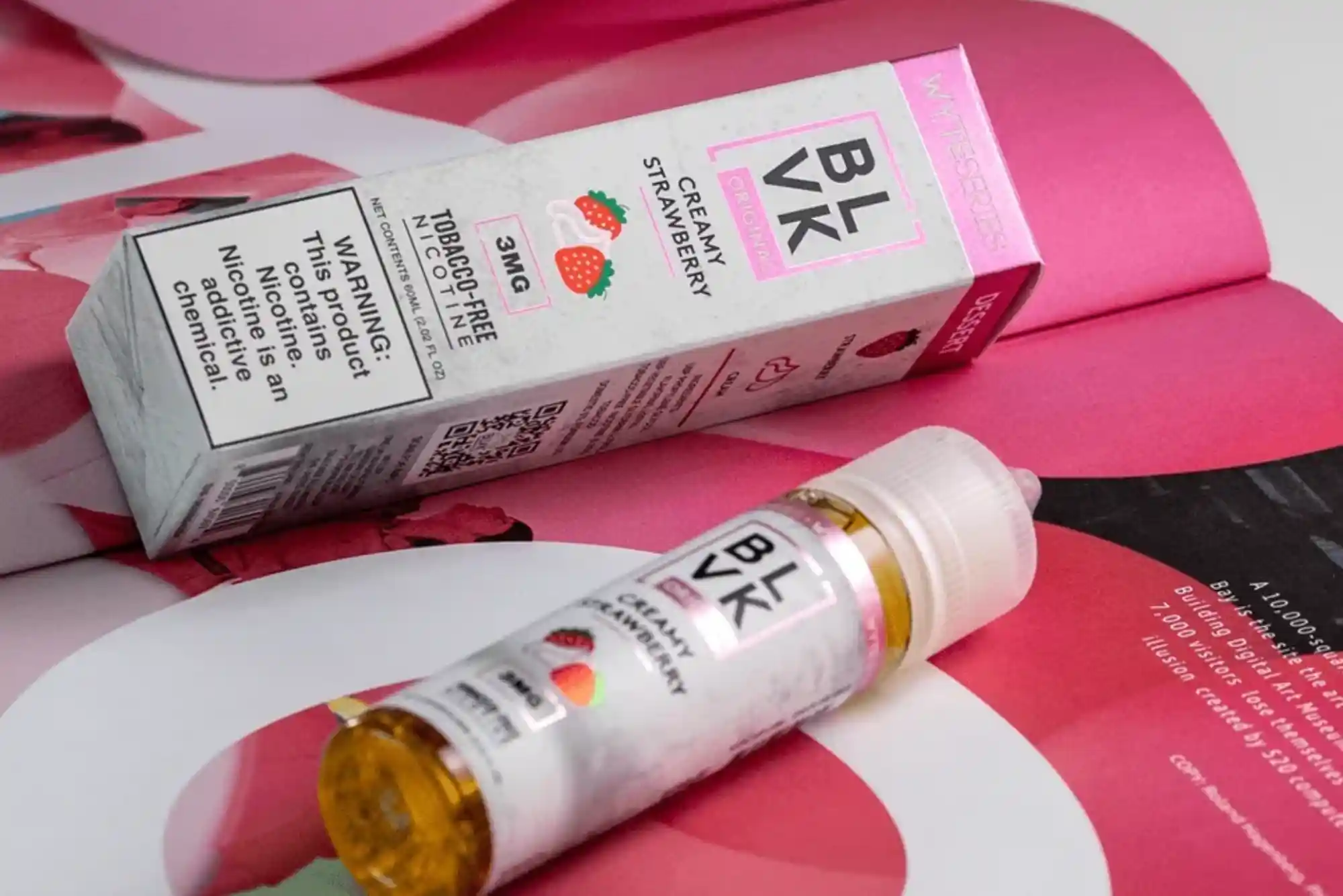
Packaging and labeling should be considered as part of the broader regulatory strategy. They communicate product identity, nicotine information where applicable, warnings, and other details relevant to consumers and compliance.
Manufacturers should review applicable federal and state requirements rather than assuming that attractive packaging alone establishes compliance. They should also assess whether packaging claims could be misleading or inconsistent with the product’s regulatory status.
For a closer look at packaging considerations, read New Packaging Standards for U.S. Vape Products. Packaging requirements and regulatory expectations can change, so businesses should verify current rules before production.
After authorization, companies must continue to meet applicable legal requirements and comply with the conditions of their marketing orders. They should maintain appropriate records, control manufacturing changes, monitor relevant safety information, and evaluate whether proposed modifications require additional FDA review.
Manufacturers researching industry developments and product compliance can also explore vaporcrafts for further vaping-related information. Any regulatory decisions, however, should be based on current official guidance and qualified professional advice.
How to Prepare a Stronger PMTA Strategy
A practical PMTA strategy starts with a clear understanding of the product and its regulatory status. Manufacturers should identify the intended product configuration, establish controlled specifications, and determine which scientific questions must be answered.
The next priority is building a coordinated team. Regulatory specialists, toxicologists, laboratory personnel, engineers, and manufacturing professionals may all contribute to the application. Clear responsibilities reduce the likelihood of missing documents or conflicting conclusions.
Companies should also maintain a traceable evidence system. Each test report, ingredient record, and manufacturing document should correspond to the product being evaluated. Version control is particularly important when formulations or device components change during development.
Before submission, an independent review can help identify gaps, unsupported conclusions, and inconsistencies. Although no preparation method guarantees authorization, a carefully organized and scientifically justified application gives reviewers a clearer basis for evaluating the product.
Most importantly, manufacturers should treat the PMTA process as a regulatory obligation rather than a paperwork exercise. The objective is to provide credible evidence that addresses the FDA’s legal and scientific questions.
Navigate the PMTA Process With Confidence
Understanding the PMTA process is essential for manufacturers seeking to enter or expand within the U.S. vape market. From establishing the correct regulatory pathway to developing scientific evidence and responding to FDA questions, every stage requires careful planning and accurate documentation.
A successful regulatory strategy begins with understanding the product, identifying evidence gaps, and ensuring that technical records remain consistent. Businesses should also account for packaging, labeling, manufacturing controls, and continuing compliance obligations.
If your business is preparing to develop or market a vape product, start by reviewing the FDA’s official PMTA guidance and assessing your product-specific requirements. Explore vaporcrafts for additional industry information, and consult qualified regulatory professionals before making important compliance decisions. Early preparation can help your team manage regulatory risks and make better-informed business decisions.
FAQs
What does PMTA stand for in vaping?
PMTA stands for Premarket Tobacco Product Application. It is the FDA submission pathway used to evaluate new tobacco products before they can be legally marketed in the United States. The application includes scientific, manufacturing, product, and public health information.
How long does FDA PMTA approval take?
There is no guaranteed timeline for a PMTA decision. Preparation and review can take considerable time, depending on the quality of the application, the complexity of the product, and whether the FDA requests additional information.
Is a PMTA required for all vape products?
Not every product follows the same regulatory pathway, but new tobacco products generally require an applicable marketing authorization before being legally marketed in the United States. Manufacturers should verify their product’s classification and regulatory obligations with qualified professionals.
Can you sell a vape product while a PMTA is pending?
Submitting a PMTA does not itself authorize sales. A company must have the necessary marketing authorization or qualify under another applicable legal provision before marketing the product. Businesses should verify their specific circumstances with the FDA or qualified regulatory counsel.
What happens if the FDA denies a PMTA?
A marketing denial order means the product cannot be legally marketed under that denied application. The company should review the FDA’s decision and consult regulatory counsel about potential next steps. Any further submission or challenge must follow the applicable legal procedures.
What information is required for a PMTA submission?
A PMTA generally includes product descriptions, ingredient information, manufacturing details, scientific testing, health evidence, and information relevant to the product’s population health impact. The precise evidence depends on the product and applicable FDA requirements.