Introduction
The political debate behind vape regulation has become one of the most contested issues in public health policy. Governments must balance the potential risks of nicotine use, the need to protect young people, the interests of adult consumers, and the economic impact on businesses. At the same time, scientific research continues to shape discussions about the risks of vaping compared with traditional smoking.
Electronic cigarettes were initially marketed as an alternative to combustible tobacco products. However, their growing popularity, especially among teenagers and young adults, has prompted policymakers to introduce stricter controls. These include product authorization requirements, marketing restrictions, flavor bans, age limits, and enforcement against unauthorized products.
The political debate behind vape regulation is not simply about whether vaping should be legal. It concerns how governments should regulate a rapidly changing industry without creating unnecessary barriers for adults seeking alternatives to smoking. Understanding the competing arguments helps explain why vape regulations differ across jurisdictions and why policy decisions often generate strong reactions from public health advocates, retailers, manufacturers, and consumers.
Why the Political Debate Behind Vape Regulation Matters
Vape regulation sits at the intersection of science, economics, personal freedom, and government responsibility. Decisions about these products can influence public health outcomes, business opportunities, and the availability of consumer products.
Protecting Public Health
One of the strongest arguments for stricter vape regulation is the need to prevent nicotine addiction among young people. Nicotine can affect the developing brain, and vaping products may expose users to harmful substances. Health authorities also emphasize that the long-term effects of many vaping products remain incompletely understood.
Supporters of tighter controls argue that governments should act before widespread youth use creates lasting health consequences. They favor age verification, restrictions on youth-oriented marketing, product testing, and effective enforcement against illegal sales.

However, public health discussions also need to distinguish between different groups of users. Someone who has never smoked faces different considerations from an adult smoker who completely switches to a regulated vaping product. Policies that overlook these differences can produce unintended consequences.
Balancing Adult Choice and Government Oversight
Another important issue is personal freedom. Some adults view vaping as a consumer choice that should remain available under reasonable safety standards. Others argue that nicotine addiction and uncertain long-term health effects justify extensive government oversight.
The challenge for policymakers is to determine where individual choice ends and public responsibility begins. Governments must consider consumer autonomy while ensuring that products are not marketed to minors or sold without appropriate safeguards.
This tension helps explain why the political debate behind vape regulation remains unresolved. Both sides often claim to support public health, but they disagree about which regulatory approach is most effective.
The Role of the FDA in Vape Regulation
In the United States, the Food and Drug Administration (FDA) plays a central role in regulating tobacco products, including electronic nicotine delivery systems. Its responsibilities include reviewing applications for new tobacco products, establishing applicable requirements, and taking enforcement action against certain unauthorized products.
The agency’s approach has become a major source of political disagreement because its decisions affect manufacturers, retailers, consumers, and public health organizations.
Product Authorization and Scientific Evidence
Under the U.S. tobacco regulatory framework, manufacturers generally must obtain the required FDA marketing authorization before legally marketing new tobacco products. The FDA evaluates relevant scientific evidence, including potential effects on public health, when reviewing applications.
The process can be demanding, particularly for smaller manufacturers that may have limited resources for research, testing, and regulatory submissions. Supporters argue that rigorous review helps prevent inadequately evaluated products from entering the market. Critics contend that compliance costs and lengthy reviews can favor larger companies with greater financial resources.
These competing concerns demonstrate why regulatory decisions can become political issues rather than purely technical matters.
For authoritative information about the agency’s responsibilities, readers can consult the FDA e-cigarette regulation overview.
Enforcement Against Unauthorized Products
Enforcement is another major element of the political debate behind vape regulation. Products marketed without the required authorization can remain available through physical stores and online channels, creating concerns about regulatory compliance and youth access.
Public health advocates often call for stronger action against manufacturers, importers, distributors, and retailers that violate applicable requirements. Industry participants may support consistent enforcement while arguing that agencies should provide clearer guidance and more predictable compliance processes.
Effective enforcement requires more than occasional inspections. It can involve supply-chain monitoring, online marketplace oversight, customs cooperation, retailer education, and meaningful consequences for repeated violations.
A consistent approach can also help responsible businesses compete more fairly against sellers that disregard regulatory requirements.
Why Vape Flavor Bans Generate Political Controversy
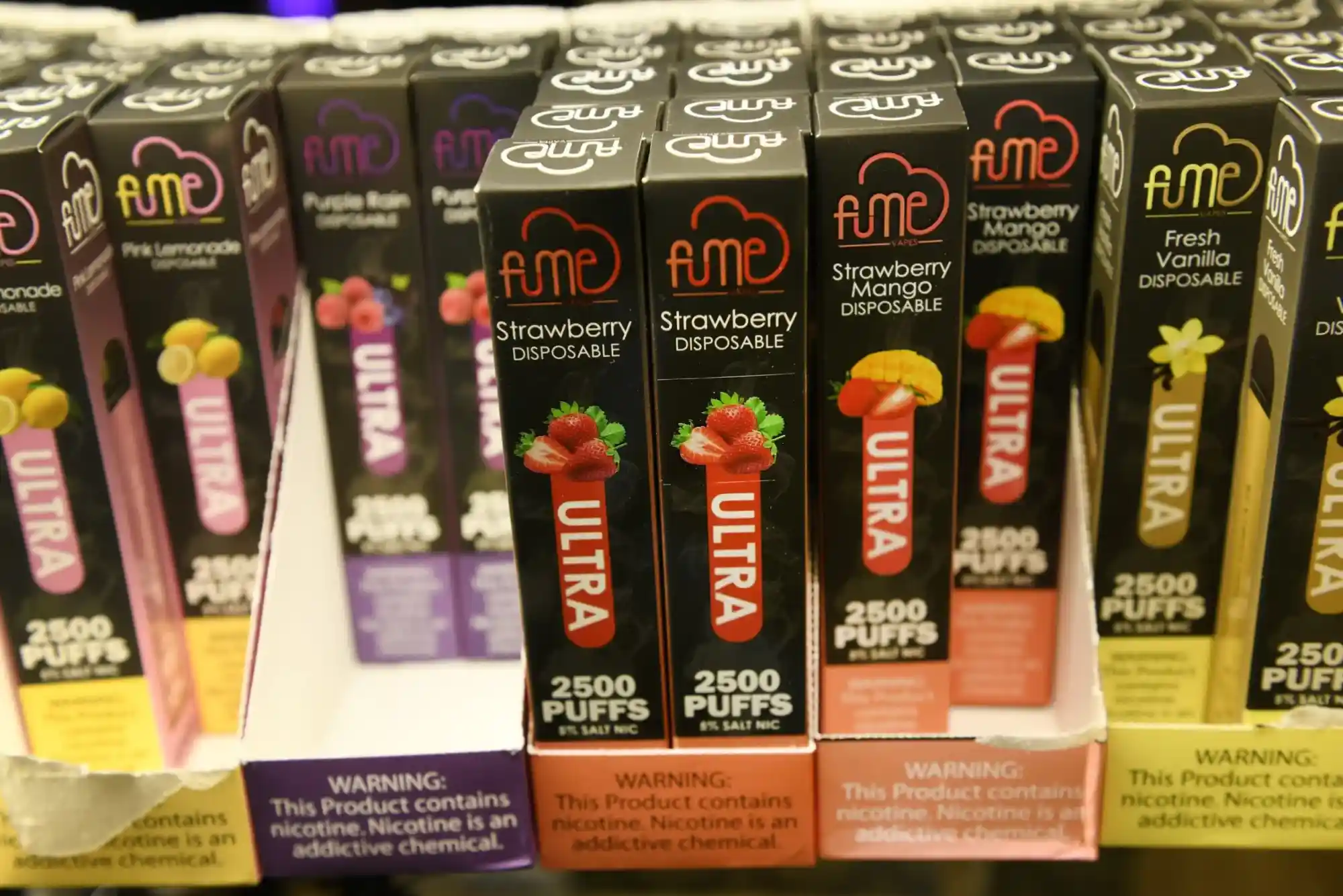
Flavor restrictions are among the most visible and disputed vape policies. Products may be available in fruit, candy, dessert, mint, menthol, and tobacco flavors, depending on local laws and product authorizations.
Policymakers who support restrictions frequently argue that appealing flavors can attract young people to nicotine products. Opponents question whether broad bans adequately distinguish between youth-oriented marketing and adult consumer preferences.
The Argument for Restricting Flavors
Supporters of flavor bans believe that reducing access to appealing flavors may help prevent youth initiation. They argue that sweet or fruit-inspired product names, colorful packaging, and social media promotion can make nicotine products more attractive to inexperienced users.
From this perspective, limiting flavors is a preventive measure. Rather than relying exclusively on age restrictions, governments can also reduce the availability of products they believe may contribute to underage use.
However, the effectiveness of these policies depends on implementation, consumer behavior, and the availability of alternative products. If restrictions are poorly enforced, unauthorized products may continue circulating.
The Impact on Small Businesses
Flavor bans can have significant economic consequences for independent vape retailers and smaller manufacturers. Businesses that depend on a broad selection of products may lose customers when popular items become restricted or unavailable.
Some consumers may switch to permitted products, while others may purchase from different retailers or seek unauthorized alternatives. The actual impact varies according to the policy, market conditions, and enforcement environment.
For a closer look at these commercial effects, read How Vape Flavor Bans Are Affecting Small Businesses.
The political disagreement is partly about whether the public health benefits of flavor restrictions justify their economic costs. Policymakers must also consider whether narrowly designed restrictions, stronger age verification, and targeted enforcement could achieve similar objectives with fewer unintended consequences.
The Economic Interests Behind Vape Policy
The vaping industry includes manufacturers, importers, wholesalers, independent retailers, research laboratories, and logistics providers. Regulatory decisions can influence employment, investment, product development, and competition throughout this supply chain.
Large Manufacturers and Smaller Competitors
Large companies often have greater resources for scientific research, legal support, product testing, and regulatory submissions. Smaller businesses may struggle to absorb the same costs, particularly when requirements change or application processes become more demanding.
Supporters of strict regulation argue that businesses selling nicotine products should demonstrate compliance regardless of their size. They maintain that consumer safety should not depend on a manufacturer’s financial resources.
Critics counter that regulatory systems should be proportionate and transparent. When compliance requirements are difficult to navigate, smaller competitors may exit the market, leaving fewer companies and potentially reducing consumer choice.
The challenge is to maintain meaningful safeguards without allowing regulatory complexity to become an unnecessary competitive advantage for established firms.
Tax Revenue and Public Spending
Taxation also influences the political debate behind vape regulation. Governments may impose excise taxes on vaping products to raise revenue, discourage nicotine consumption, or align taxation with broader tobacco-control policies.
Supporters may argue that taxes help account for public health costs and discourage use, particularly among price-sensitive consumers. Opponents may argue that excessive taxation can make regulated products less affordable and encourage consumers to seek cheaper, unauthorized alternatives.
The outcome depends on tax design, enforcement, price differences, and consumer responses. Policymakers should therefore evaluate taxation alongside other measures rather than assuming that higher taxes automatically produce better public health outcomes.
Political Parties, Advocacy Groups, and Public Opinion
Vape regulation often becomes politically divisive because different groups prioritize different risks. Political parties may emphasize public health protection, consumer choice, business regulation, or the effectiveness of government intervention.
Public Health Organizations
Health organizations commonly advocate for strong protections against youth nicotine use. Their recommendations may include restrictions on advertising, flavor controls, age verification, warnings, and stronger oversight of product sales.
Their influence can be significant when research raises concerns about youth access or the safety of particular products. However, policymakers still need to assess the quality of evidence and consider whether proposed interventions are likely to achieve their intended goals.
Consumer Advocates and Harm-Reduction Supporters
Some consumer advocates emphasize the distinction between preventing nicotine initiation and helping existing adult smokers move away from combustible cigarettes. They argue that policies should consider the relative risks of different products and avoid treating all nicotine products as identical.
This perspective does not mean vaping is harmless. It means that the potential effects of a policy should be evaluated across different populations, including people who continue smoking, those who switch products, and those who begin using nicotine for the first time.
Retailers and Industry Representatives
Retailers and manufacturers often focus on regulatory clarity, predictable enforcement, and the practical consequences of product restrictions. They may support reasonable safeguards while opposing policies they consider overly broad or difficult to implement.
Their economic interests should be considered, but commercial claims also need independent scrutiny. Evidence-based regulation requires policymakers to weigh industry submissions alongside public health research and consumer protection objectives.
How Vape Regulations Differ Around the World
The political debate behind vape regulation extends beyond the United States. Countries have adopted different approaches according to their public health priorities, legal frameworks, and assessments of vaping products.
Some jurisdictions permit regulated sales subject to product standards, advertising restrictions, and age limits. Others impose substantial restrictions on particular products, flavors, imports, or sales channels. Certain countries have adopted much stricter prohibitions.
These differences reflect disagreements about how to balance potential harm reduction for adult smokers against the risks of nicotine dependence and youth initiation.
International comparisons can help policymakers identify useful approaches, but a policy that works in one country may not produce the same results elsewhere. Differences in enforcement capacity, smoking prevalence, healthcare systems, consumer behavior, and illegal markets all matter.
Governments should evaluate both intended outcomes and unintended consequences when considering regulatory changes. Useful indicators include youth access, adult smoking rates, product compliance, illegal sales, and the cost of enforcement.
The Future of Vape Regulation
The future of vape regulation will likely depend on better evidence, more consistent enforcement, and policies that can adapt as products change.
More Transparent Regulatory Processes
Clear application requirements and predictable review procedures can help manufacturers understand their obligations. Transparency also allows consumers and retailers to identify which products are legally marketed.
Regulators can strengthen public confidence by explaining decisions, publishing relevant findings, and providing practical compliance guidance without compromising legitimate confidential information.
Better Protection for Young People
Preventing underage access will remain a central priority. Governments can combine age-verification requirements, retailer inspections, restrictions on youth-oriented advertising, and enforcement against illegal online sales.
Education also matters. Young people need accurate information about nicotine dependence and the potential risks of vaping rather than messages that rely on exaggerated or unsupported claims.
Evidence-Based Policy Adjustments
Regulations should be evaluated after implementation. If a flavor restriction reduces youth use but substantially increases purchases from illegal sellers, policymakers need to account for both outcomes.
Likewise, if an enforcement strategy produces little improvement, authorities should investigate whether the problem lies in implementation, policy design, or changing consumer behavior.
An adaptable approach allows governments to preserve effective protections while correcting measures that produce avoidable harm.
Finding a Balanced Approach to Vape Regulation
The political debate behind vape regulation reflects a difficult balance between protecting public health, preserving reasonable adult choice, supporting fair competition, and enforcing the law. No single policy can resolve every concern, and decisions based on political pressure alone may overlook important evidence.
Effective regulation requires clear product standards, rigorous enforcement, protection against youth access, transparent decision-making, and careful evaluation of economic and public health outcomes. Policymakers should also recognize that preventing nicotine initiation and supporting adults who smoke are related but distinct objectives.
For readers seeking further information about vaping policy, product developments, and industry issues, vaporcrafts offers additional content to explore. Stay informed, review reliable regulatory sources, and support discussions that prioritize evidence, accountability, and responsible consumer protection.
FAQs
Is vaping regulated by the FDA?
Yes. In the United States, the FDA regulates e-cigarettes and other electronic nicotine delivery systems under federal tobacco laws. Manufacturers generally need the required marketing authorization before legally marketing new tobacco products. State and local rules may impose additional restrictions.
Why is the government trying to regulate vaping?
Governments regulate vaping to protect young people from nicotine addiction, establish product standards, control advertising, and enforce age restrictions. Authorities also seek to prevent illegal sales and address concerns about product safety and public health.
What is the political debate behind vape regulation?
The political debate behind vape regulation centers on balancing public health, youth protection, adult consumer choice, business interests, and potential harm reduction for existing smokers. Disagreements arise over which restrictions work best and how their effects should be measured.
Why are vape flavors being banned?
Some governments restrict vape flavors because they believe sweet and fruit-inspired products may appeal to young people. Critics argue that broad bans can affect adult consumers and independent retailers. The impact depends on the specific policy, its enforcement, and consumer responses.
Can the FDA ban flavored vapes?
The FDA has authority to regulate tobacco products under federal law, including determining whether products may be legally marketed. The legal status of a flavored vape depends on the product, its authorization status, and applicable federal, state, and local requirements. A flavor restriction should not be assumed to apply universally.
How do vape regulations affect small businesses?
Vape regulations can increase compliance costs, restrict product selection, and require retailers to change inventory or marketing practices. Smaller businesses may face greater financial pressure because they have fewer resources for regulatory compliance. However, the effects vary by jurisdiction and regulatory measure.
Will vape regulations become stricter in the future?
Future rules will depend on new scientific evidence, youth vaping trends, enforcement outcomes, court decisions, and political priorities. Governments may introduce additional restrictions or revise existing policies as they evaluate public health outcomes and unintended consequences.
What is the difference between vaping regulation and a vape ban?
Vaping regulation establishes rules for manufacturing, marketing, selling, and using vaping products. A vape ban prohibits certain products or activities, such as specific flavors, unauthorized devices, or sales in particular jurisdictions. The scope of any restriction depends on the applicable law.