Introduction
The vaping industry in the United States continues to change as federal agencies introduce new policies, strengthen enforcement, and review existing regulations. For consumers, retailers, and manufacturers, understanding federal law updates for vapers is essential to making informed decisions and avoiding potential legal problems.
Federal regulations affect nearly every part of the vaping industry. They determine which e-cigarette products can legally be marketed, establish minimum purchasing ages, regulate product ingredients, and introduce requirements for businesses involved in manufacturing, distribution, and sales.
These regulations are not simply industry concerns. They also affect everyday consumers who purchase disposable vapes, refillable devices, e-liquids, and other electronic nicotine delivery systems. Understanding federal law updates for vapers helps consumers recognize the difference between authorized products and products that may not meet federal requirements.
As enforcement continues to develop, staying informed is more important than ever. This guide explains the major federal rules, recent regulatory developments, and practical considerations every U.S. vaper should understand.
Understanding How Federal Law Regulates Vaping
Federal vaping regulations are primarily administered by the U.S. Food and Drug Administration (FDA). The agency oversees the manufacture, importation, packaging, labeling, advertising, promotion, sale, and distribution of e-cigarettes and related products.
The FDA’s regulatory authority covers electronic nicotine delivery systems (ENDS). This category includes disposable vapes, rechargeable devices, vape pens, e-liquids, cartridges, and certain device components.
The original regulatory framework expanded in August 2016 when the FDA’s Deeming Rule brought additional tobacco products under federal oversight. Since then, vaping businesses have faced requirements involving product authorization, manufacturing standards, marketing practices, and consumer protection.
The official FDA e-cigarette regulation overview explains the agency’s responsibilities and the products covered by its rules.
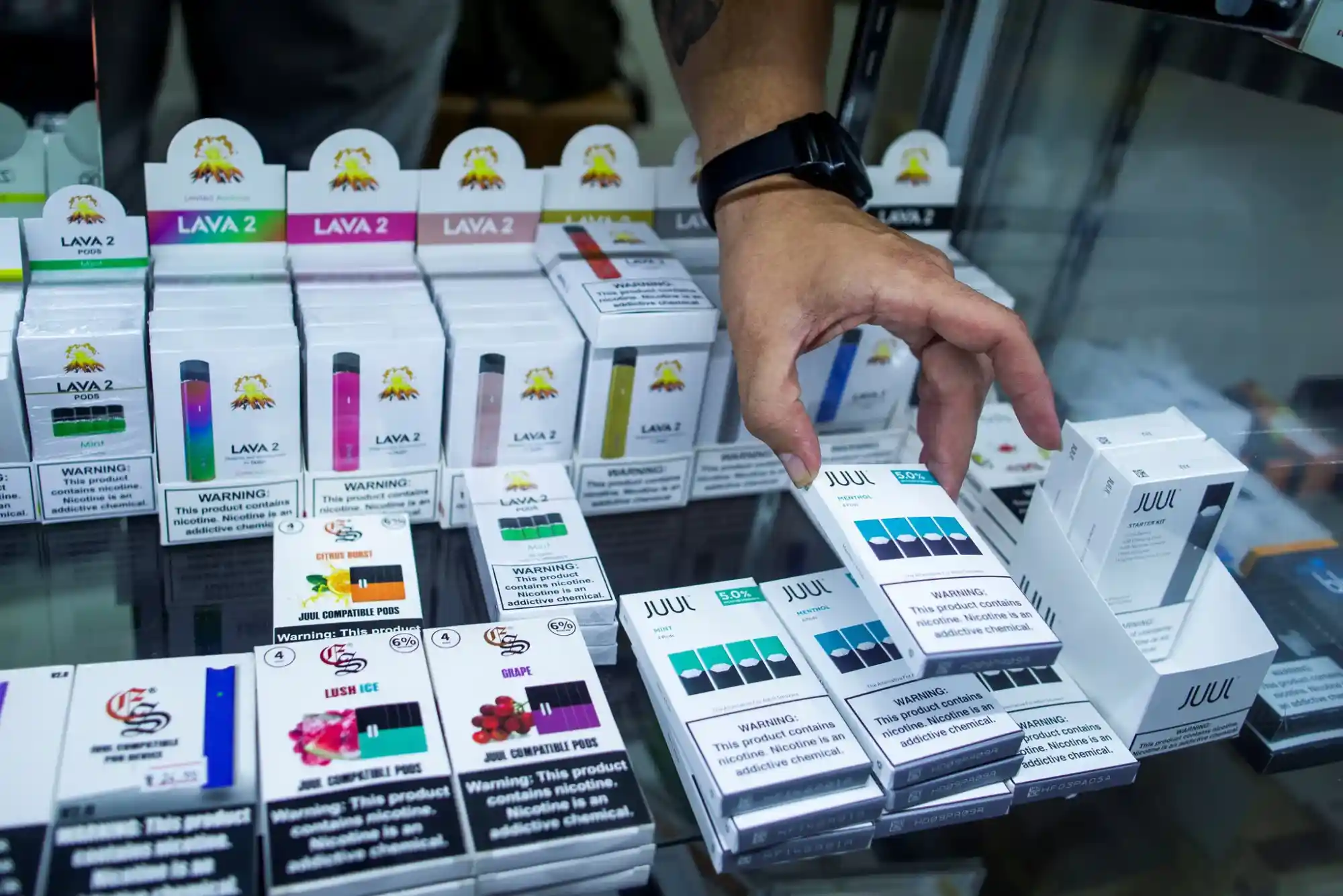
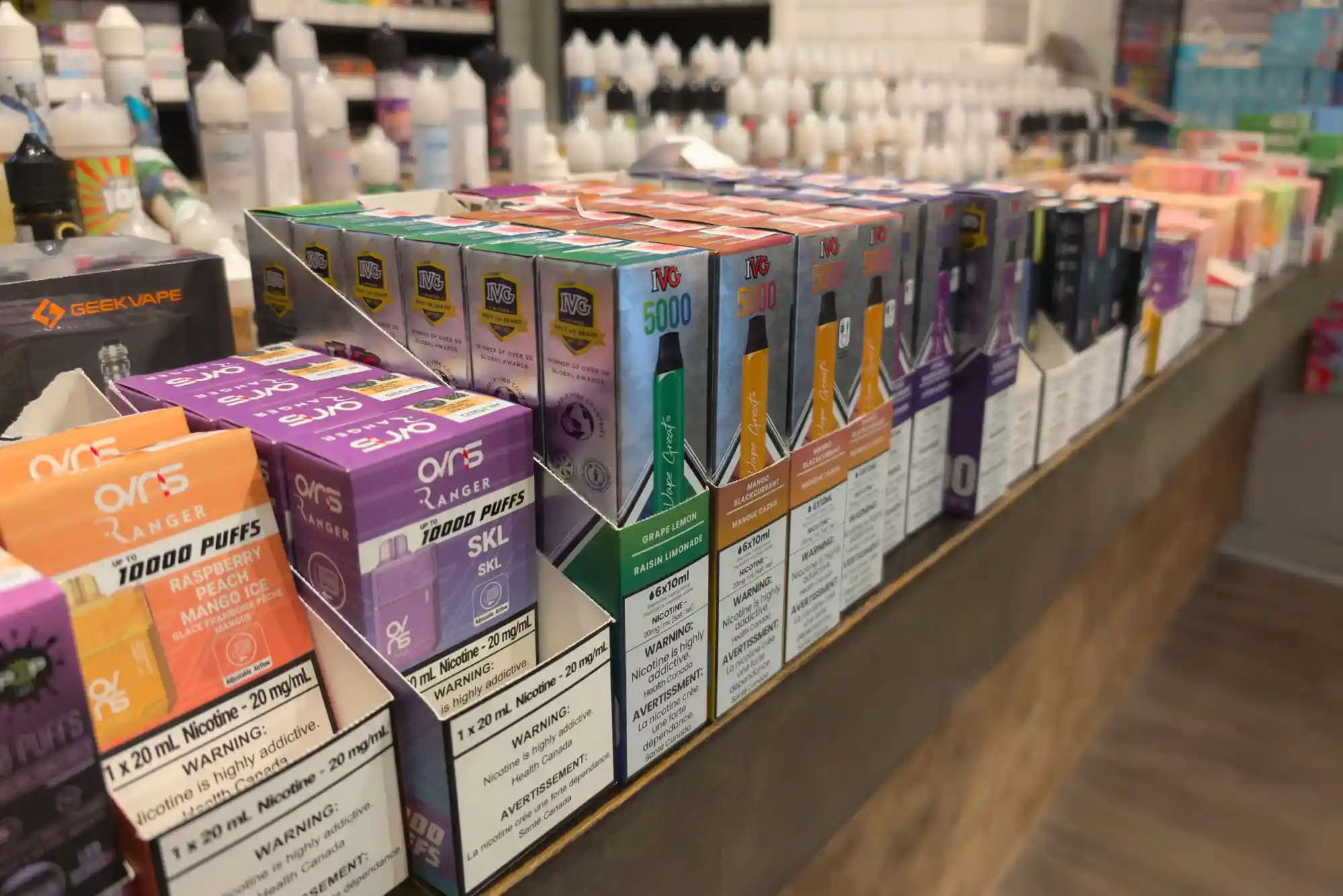
For consumers, this means that a product being available in a store or online does not automatically make it federally authorized. Retail availability and legal marketing status are two different matters.
Major Federal Law Updates for Vapers in 2026
The regulatory environment has continued developing throughout 2026. Several developments deserve particular attention because they affect how products enter the market and how federal agencies approach enforcement.
FDA Reviews Its Premarket Authorization Framework
One of the most significant developments came on September 28, 2026, when the FDA announced plans to evaluate its Premarket Tobacco Product Application (PMTA) regulatory framework.
The agency explained that it would review its experience implementing the existing system, recent court developments, the growth of the illicit market, and the rapid introduction of new products. It also indicated that new rulemaking could replace the current framework.
However, this announcement does not mean existing authorization requirements have disappeared. The FDA confirmed that it will continue processing applications and making regulatory decisions under the law established by Congress.
For vapers, the distinction is important. A possible future regulatory change does not automatically make previously unauthorized products legal. Consumers should continue checking the current authorization status of products rather than relying on announcements about potential reforms.
FDA Strengthens Enforcement Against Unauthorized Products
Federal enforcement has become another major part of the vaping regulatory landscape.
In May 2026, the FDA issued updated enforcement guidance addressing certain electronic nicotine delivery systems and oral nicotine pouch products marketed without premarket authorization. The agency identified concerns involving illicit imports, counterfeit products, misleading product descriptions, and businesses that fail to comply with basic authorization requirements.
The FDA also emphasized cooperation with agencies such as the Department of Justice and Customs and Border Protection.
This approach builds on earlier enforcement operations. In September 2025, federal authorities announced the seizure of approximately 4.7 million unauthorized e-cigarette units, with an estimated retail value of $86.5 million.
These actions demonstrate that federal oversight extends beyond domestic retailers. Importers, distributors, manufacturers, and other businesses can also face investigations and enforcement proceedings.
New Product Authorizations Show Regulatory Developments
Federal regulations do not mean every vaping product is automatically prohibited. The FDA can authorize specific products after reviewing applications under the PMTA process.
In May 2026, the agency authorized four Glas electronic nicotine delivery systems. These included tobacco-derived nicotine pods in Classic Menthol, Fresh Menthol, Gold, and Sapphire varieties.
This development demonstrated that the FDA authorization process continues to operate and that certain products can receive permission to be marketed.
However, authorization applies to the specific products identified in the agency’s decision. It should not be interpreted as blanket approval for every product from the same brand, similar flavor, or manufacturer.
Consumers should therefore verify the exact product rather than assuming that an entire product range has received federal approval.
FDA Authorization: What Every Vaper Should Understand
Premarket authorization is among the most important parts of federal vaping law. Under the Family Smoking Prevention and Tobacco Control Act, as amended, new tobacco products generally require FDA marketing authorization before they can legally be marketed in the United States.
For manufacturers, obtaining authorization involves submitting scientific and product information through the appropriate regulatory pathway. The FDA evaluates whether marketing a product would be appropriate for the protection of public health.
This assessment considers the potential benefits and risks for the population as a whole. It also considers the possibility of youth initiation and the effects on existing tobacco users.
What Happens to Unauthorized Vapes?
Products without the required FDA authorization are generally considered unlawfully marketed. The FDA can take enforcement action against manufacturers, distributors, and retailers involved in selling or distributing them.
Possible consequences include warning letters, product seizures, injunctions, and other legal proceedings, depending on the circumstances.
An important misconception concerns pending applications. Submitting a PMTA does not automatically grant permission to sell a product while the FDA reviews the application.
Vapers should not assume that a product is legal simply because its manufacturer claims to have submitted paperwork.
For a closer explanation of the regulatory requirements, read Breaking Down the FDAs Latest Vape Restrictions.
Why Product Authorization Matters to Consumers
Authorization provides an important way to distinguish products that have undergone the required FDA review from those that have not.
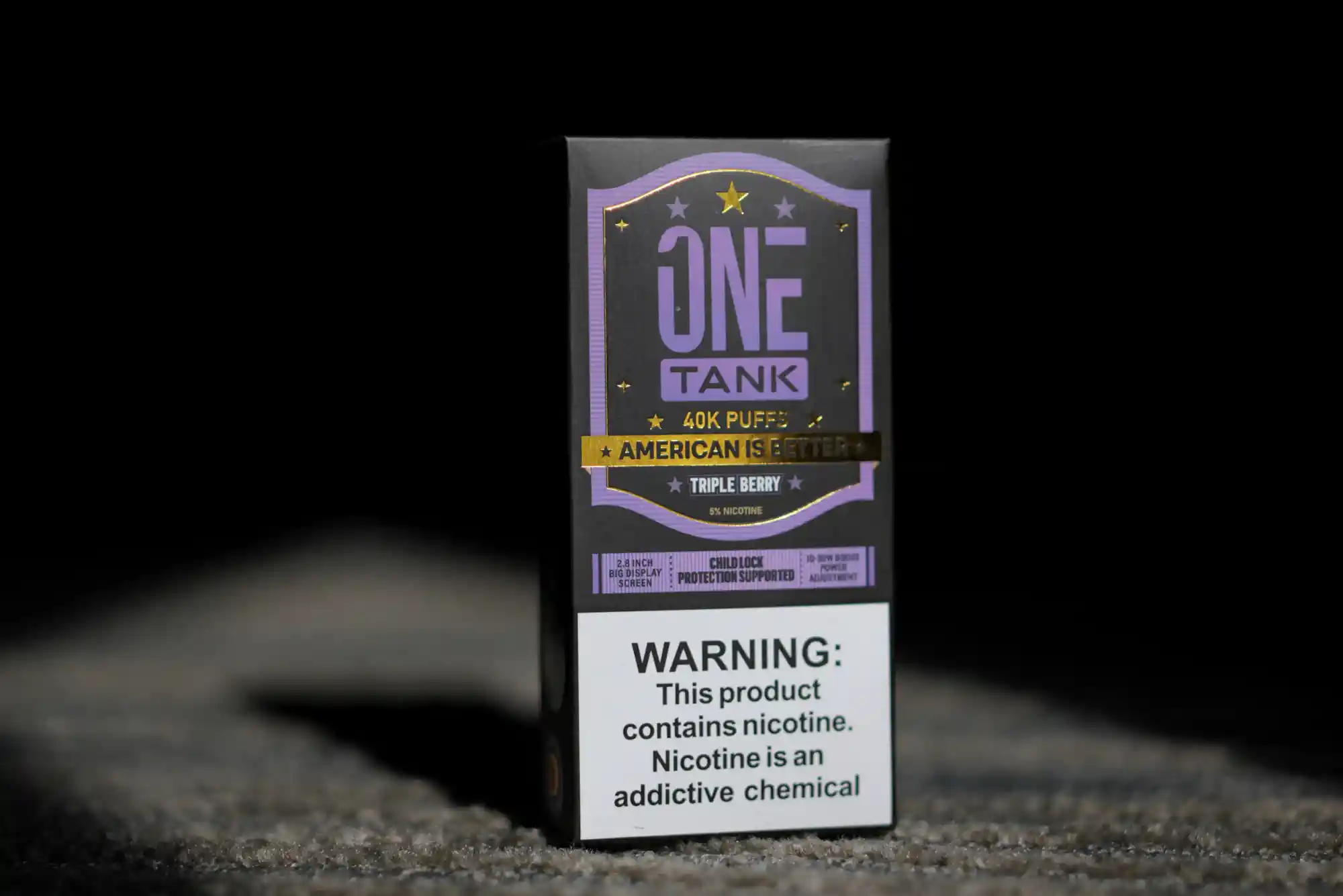
Consumers should pay attention to product names, manufacturers, packaging, and official authorization information. Marketing claims, attractive packaging, and popularity on social media are not substitutes for regulatory approval.
The FDA maintains information about authorized tobacco products through its official resources. Checking these resources can help consumers avoid confusing brand recognition with legal authorization.
Federal Minimum Age Requirements for Buying Vape Products
The federal Tobacco 21 law is another important regulation affecting American vapers. Signed into law on December 20, 2019, this legislation increased the minimum legal age for purchasing tobacco products from 18 to 21.
The requirement applies nationwide and includes e-cigarettes, disposable vapes, vape pens, nicotine-containing e-liquids, and other covered tobacco products.
There are no general federal exemptions for individuals aged 18 to 20, including active-duty military personnel and veterans.
How Retailers Must Verify Customers’ Ages
The FDA requires retailers to verify the age of customers purchasing covered tobacco products. Under the applicable federal requirements, retailers must check photo identification for anyone under 30 attempting to purchase these products.
Retailers must also avoid selling vaping products to anyone younger than 21. These requirements apply to physical stores and other covered retail transactions.
For consumers, this means having valid identification available when purchasing vape products. Retailers who ignore age-verification requirements may face regulatory consequences.
The Tobacco 21 requirements also cover nicotine products containing nicotine from sources other than tobacco. Changing the nicotine source does not automatically remove a product from federal tobacco regulations.
Federal Shipping Restrictions and Online Vape Purchases
Online vape shopping is another area where federal law updates for vapers have practical consequences. Although consumers may find numerous websites advertising disposable devices and e-liquids, shipping these products involves specific federal restrictions.
The 2021 amendment to the Prevent All Cigarette Trafficking (PACT) Act expanded its requirements to cover electronic nicotine delivery systems.
The law affects businesses that sell, transfer, or ship vaping products in interstate commerce. It introduces registration, reporting, age-verification, delivery, labeling, and recordkeeping obligations.
Why USPS Restrictions Matter
One of the most important provisions concerns mailing vaping products through the United States Postal Service.
The amended PACT Act generally prohibits USPS from mailing covered vaping products, subject to specific statutory exceptions. These restrictions also affect certain private delivery arrangements and commercial shipping operations.
Consumers should understand that a website accepting an online order does not necessarily mean the seller can legally ship the product to every destination.
Shipping companies must follow applicable federal requirements and determine whether an exception applies before accepting covered shipments.
Age Verification During Delivery
The PACT Act also introduces delivery requirements designed to prevent underage access.
Covered sellers must use appropriate age-verification procedures and arrange delivery under applicable adult-signature and identification requirements. They must also follow relevant package-labeling and reporting rules.
These obligations primarily affect sellers and shipping businesses, but consumers may notice additional verification steps when receiving an order.
Flavor Regulations and Product Restrictions
Flavored vaping products remain an important subject in federal regulatory discussions. Many consumers prefer fruit, mint, dessert, or other flavor profiles, while public health authorities have raised concerns about the appeal of certain products to younger audiences.
However, it is important to distinguish federal rules from state and local restrictions.
There is no single nationwide federal flavor ban that automatically prohibits every flavored e-cigarette. Instead, the FDA evaluates individual products through its regulatory framework and determines whether they can receive marketing authorization.
A flavored product without the required authorization may be subject to enforcement even if it is widely available in retail stores.
Why Flavor Authorization Is Product-Specific
Manufacturers cannot assume that approval for one flavor automatically covers other products in their range.
Each product must meet the applicable regulatory requirements. Differences in ingredients, nicotine formulations, device characteristics, and product design may affect the FDA’s review.
For consumers, this means checking the exact product rather than relying on general statements such as a brand being FDA approved.
State and local governments may also introduce additional flavor-related restrictions. Therefore, a product’s federal status does not necessarily establish whether it can legally be sold in every state or municipality.
Product Ingredients, Packaging, and Advertising Requirements
Federal vaping regulations extend beyond the device itself. They also cover many components and activities associated with manufacturing and selling electronic nicotine delivery systems.
The FDA regulates relevant e-liquids, cartridges, atomizers, certain batteries, flavorings, tanks, and other covered components.
Manufacturers must comply with applicable requirements concerning product submissions, labeling, packaging, and marketing. These rules help establish regulatory oversight throughout the supply chain.
Health Warnings and Packaging
Vape packaging and advertising must follow applicable federal health-warning requirements.
Retailers should ensure that covered products are sold with the required warnings. Manufacturers and distributors must also pay attention to labeling rules when introducing products into the market.
Misleading packaging, unsupported health claims, and improper promotional statements can create regulatory problems.
Consumers should be cautious about products advertised as completely harmless or risk-free. Nicotine is addictive, and marketing language should not be mistaken for independent scientific evidence.
Restrictions on Free Samples and Promotional Activities
Federal regulations also restrict distributing free samples of e-cigarettes and related components to consumers.
These restrictions are particularly relevant to businesses that use promotional events, giveaways, or product demonstrations to attract customers.
Retailers should understand that ordinary marketing practices used for other consumer goods may not be permitted for regulated tobacco products.
Businesses must review the applicable FDA requirements before launching promotional campaigns.
How Federal Vape Laws Affect Manufacturers and Retailers
Federal law updates for vapers also have significant implications for businesses operating in the American vaping industry.
Manufacturers must understand product authorization requirements before introducing new devices or formulations. Importers must ensure that products entering the country comply with applicable federal rules. Retailers must verify customer ages and avoid selling products that lack the required authorization.
Distributors and shipping companies face additional responsibilities under the PACT Act.
The Department of Justice also plays an important role in enforcing federal requirements. A March 2026 Government Accountability Office report explained that the DOJ had taken 88 civil or criminal enforcement actions involving unauthorized e-cigarettes since fiscal year 2022.
These actions demonstrate that enforcement can involve more than regulatory warnings. Businesses may face litigation, seizures, and restrictions on their operations.
For smaller retailers, compliance is particularly important because purchasing products from an apparently established supplier does not automatically eliminate their legal responsibilities.
Keeping supplier records, checking product authorization, reviewing shipping procedures, and training employees can help businesses reduce regulatory risks.
Federal Laws Versus State and Local Vaping Regulations
Understanding the difference between federal and state regulations is essential for anyone who purchases or sells vaping products.
Federal laws establish nationwide requirements, including the minimum purchasing age and FDA authorization rules. However, states and municipalities can introduce additional restrictions that apply within their jurisdictions.
These may involve flavor restrictions, additional licensing, product taxes, retail location requirements, and restrictions on vaping in public places.
For example, a product may have FDA marketing authorization but still be subject to a state-level sales restriction. Similarly, a retailer may satisfy federal age-verification requirements but still need to obtain a separate state license.
Consumers should check the rules applicable to their specific location before purchasing vaping products.
Businesses operating across multiple states should pay particular attention to differences in local requirements. Following federal regulations alone may not be sufficient to maintain full compliance.
How Vapers Can Stay Informed About Future Federal Changes
Federal vaping regulations can evolve through new legislation, FDA guidance, court decisions, and enforcement priorities. Consumers should avoid relying entirely on social media discussions or outdated online articles.
The most reliable starting point is the FDA’s official tobacco products website. It provides information about product authorization, regulatory announcements, enforcement actions, and requirements for manufacturers and retailers.
Consumers should also pay attention to announcements from agencies such as the ATF, Customs and Border Protection, and the Department of Justice when those announcements concern vaping products.
Following vaporcrafts can also help readers stay informed about developments affecting the vaping industry, regulatory discussions, and product compliance.
The most useful approach is to check regulatory updates regularly instead of waiting until a restriction directly affects a preferred product.
Stay Informed About Federal Vape Law Updates
Federal law updates for vapers continue to influence the American vaping industry. From FDA product authorization and minimum purchasing ages to shipping restrictions and enforcement activities, these regulations affect consumers and businesses in different ways.
The regulatory developments of 2026 demonstrate that federal oversight remains active. The FDA continues reviewing products, addressing unauthorized sales, and evaluating possible changes to its regulatory framework.
For consumers, understanding these requirements makes it easier to recognize legally marketed products and avoid misleading claims. For retailers and manufacturers, staying informed helps maintain compliance and prepare for future regulatory developments.
FAQs
What are the current federal laws on vaping in the United States?
Federal vaping laws require covered products to comply with FDA regulations, including premarket authorization requirements. The minimum legal purchasing age is 21. Federal law also regulates product manufacturing, advertising, labeling, distribution, and certain shipping activities.
Are disposable vapes legal in the United States?
Disposable vapes are not automatically illegal. However, they must meet applicable federal requirements, including FDA marketing authorization. A disposable vape without the required authorization may be subject to enforcement, even if retailers continue selling it.
Can you legally buy vapes online in the United States?
Online vape purchases are subject to federal and state restrictions. Sellers must comply with applicable age-verification, registration, reporting, shipping, and delivery requirements. Consumers should also check whether the specific product is authorized and whether its sale is permitted in their state.
Can you mail vape products through USPS?
The amended PACT Act generally prohibits mailing covered vaping products through USPS, although certain statutory exceptions exist. Private delivery companies also operate under applicable restrictions. Sellers should review federal shipping requirements before arranging deliveries.
Does the FDA approve all vaping products?
No. FDA authorization applies to specific products that have completed the required regulatory review. A manufacturer’s reputation or an existing authorization for another product does not mean its entire product range is approved.
Will vaping laws become stricter in 2027?
Future federal vaping regulations may change as the FDA reviews its authorization framework and considers new regulatory approaches. However, proposed changes and agency announcements do not automatically become enforceable laws. Consumers and businesses should follow official announcements for confirmed developments.